




In an age of digital listings and virtual tours, the humble real estate sign still holds incredible power. Think about it, a well-placed sign is a 24/7 salesperson for your property. Statistics show that around 40% of homebuyers find properties by visiting open houses, which are almost always promoted by signs. A simple sign can be the first handshake with a potential buyer, and making that first impression count is crucial.
This guide covers everything you need to know about creating effective real estate signs custom tailored to your brand and listings. We will explore sign types, design principles, materials, and setup, giving you the tools to attract more buyers and build a memorable brand.
Why Custom Real Estate Signs Are a Game Changer
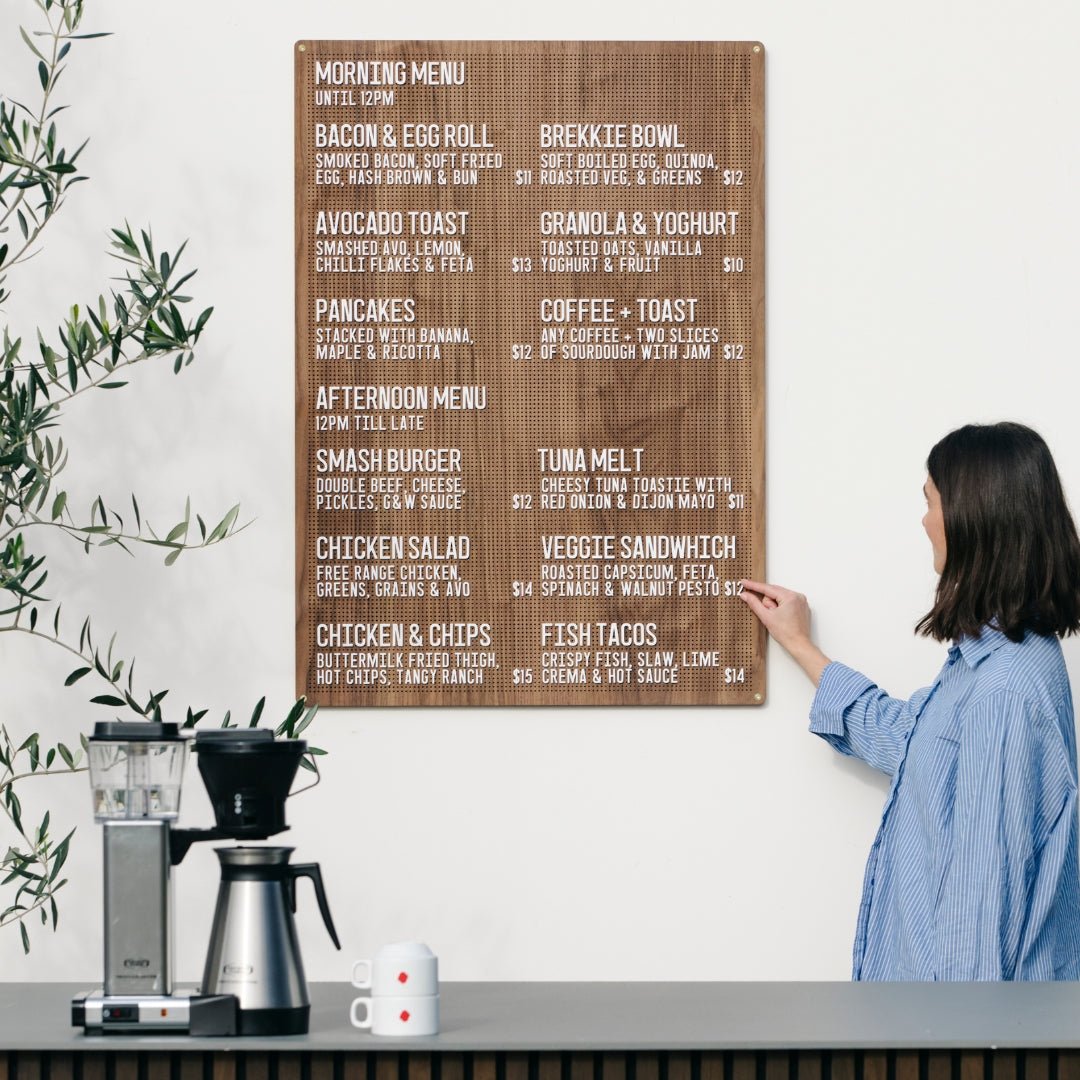
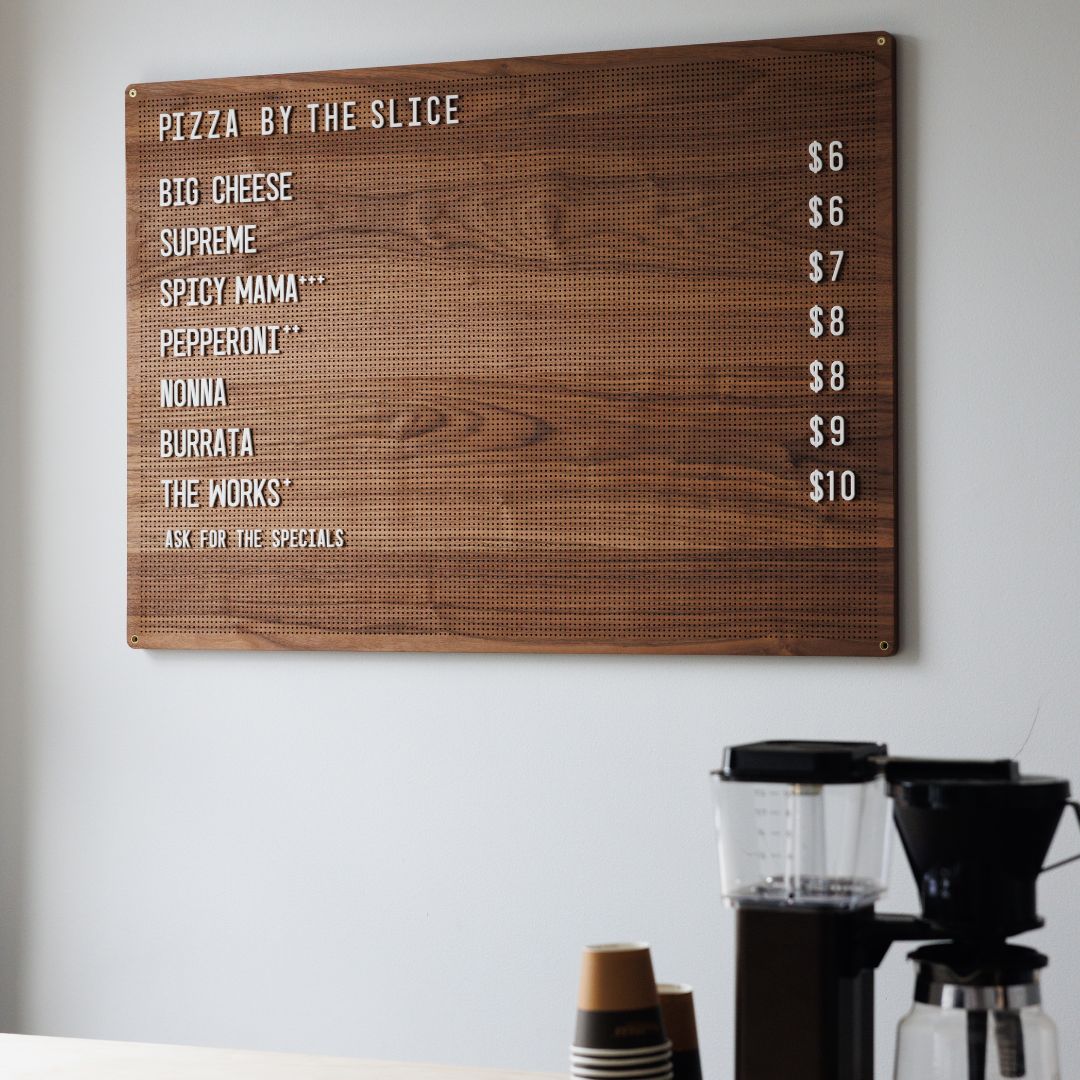
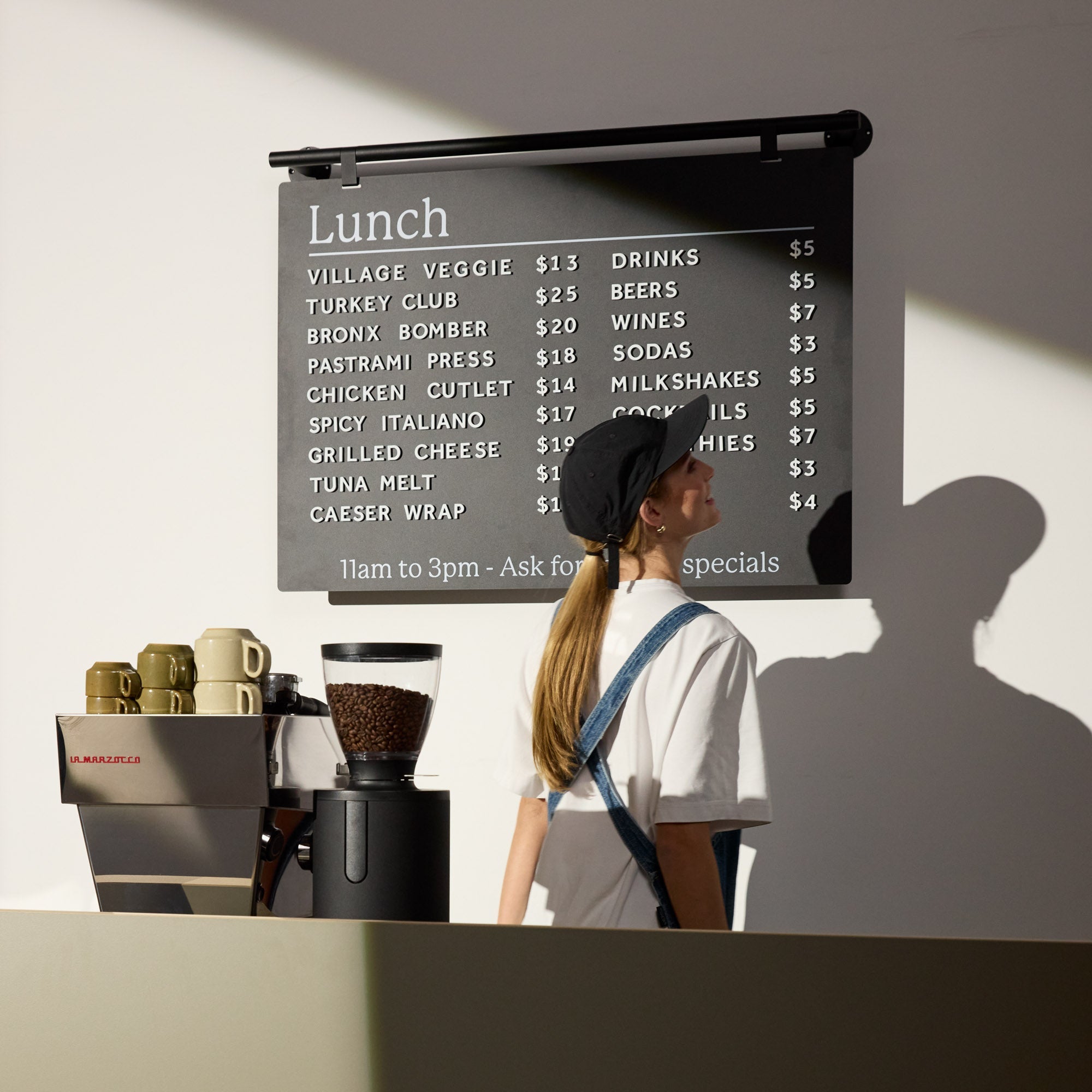
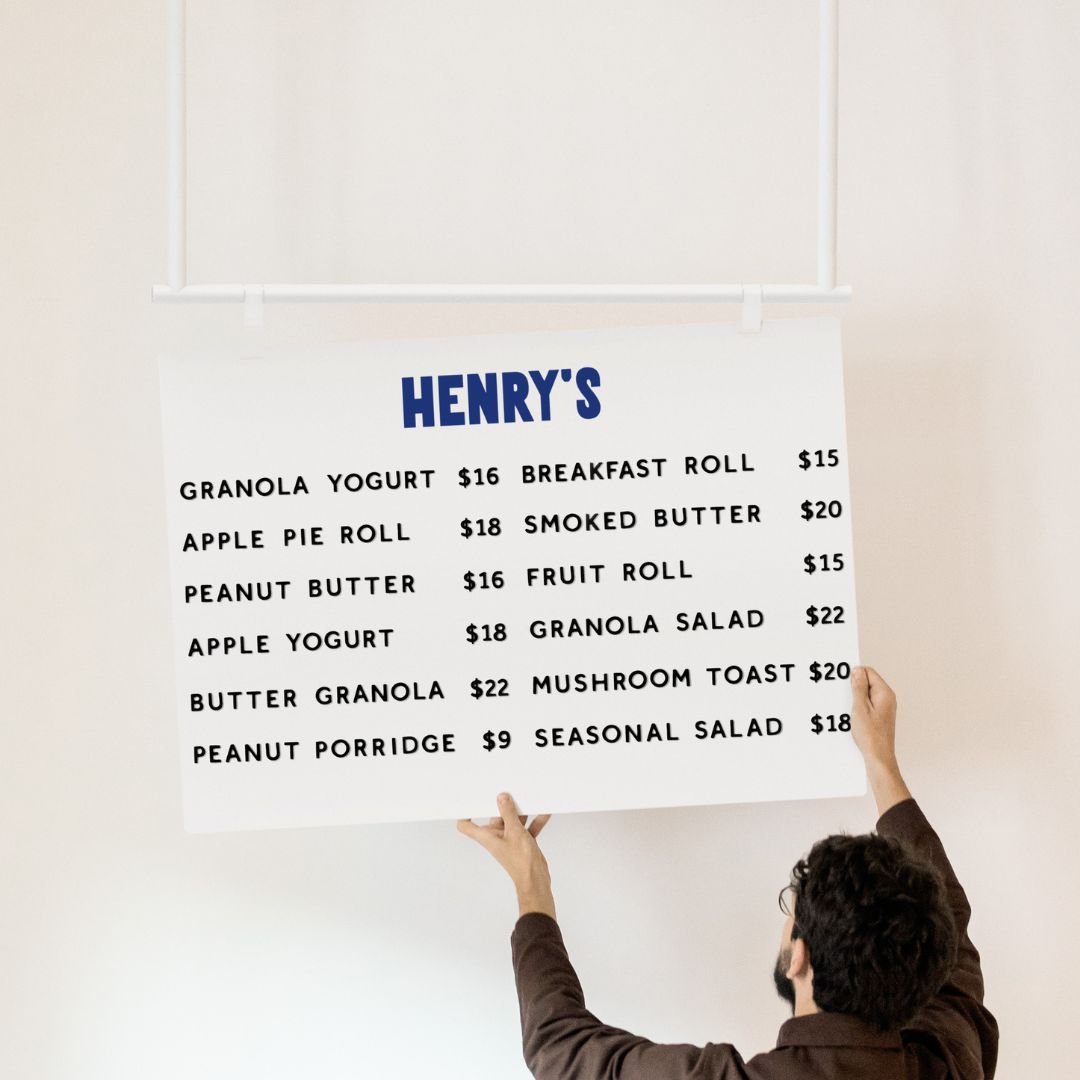
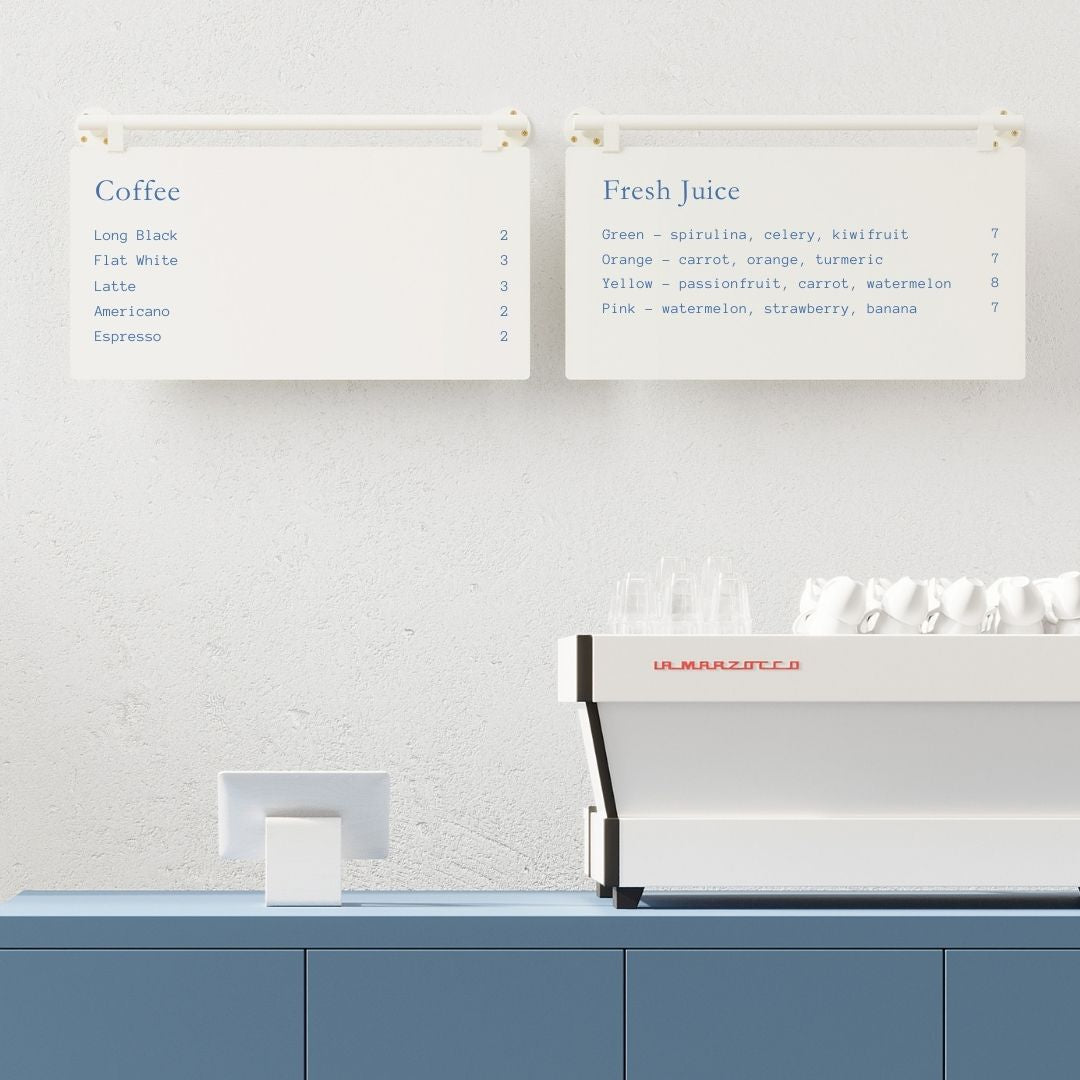
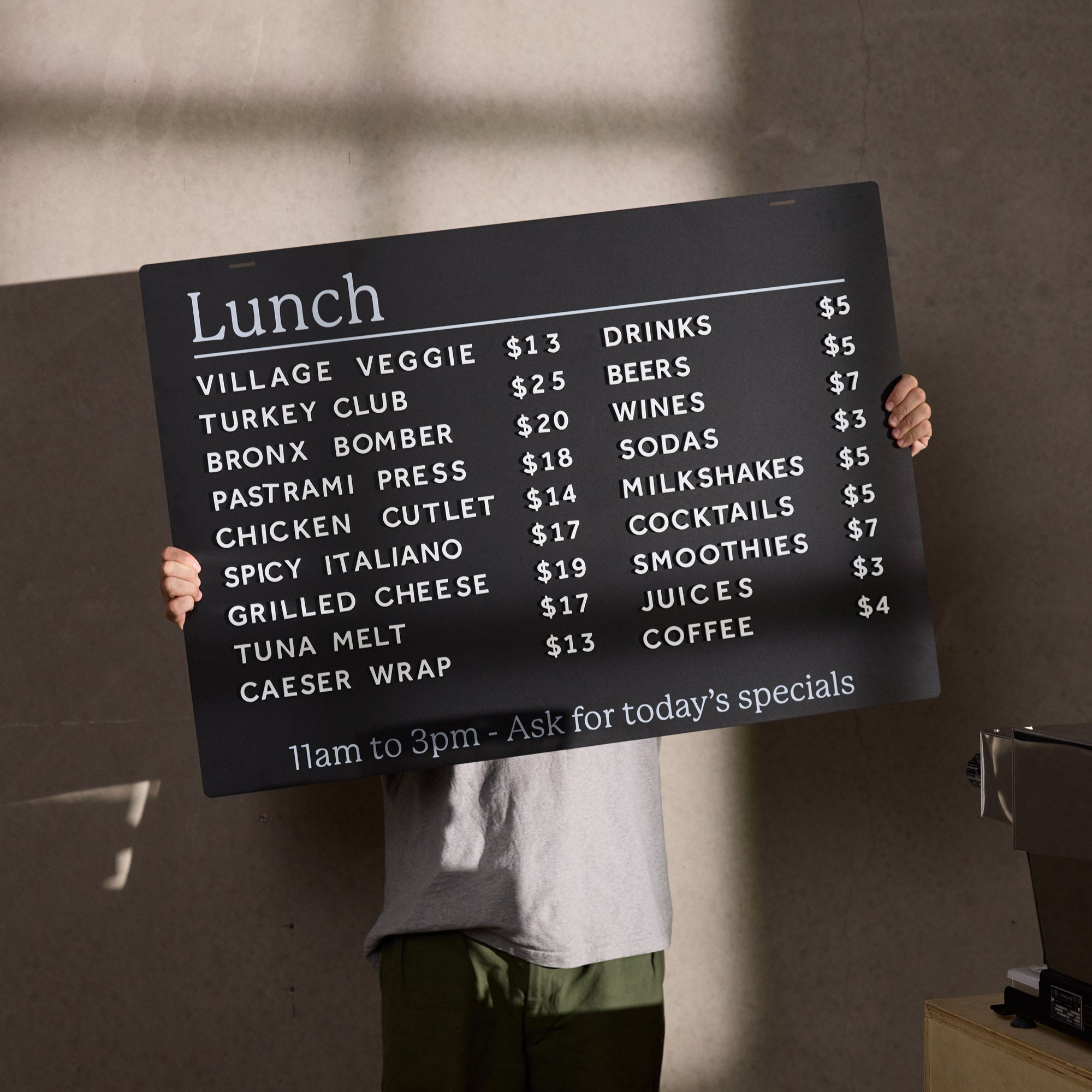
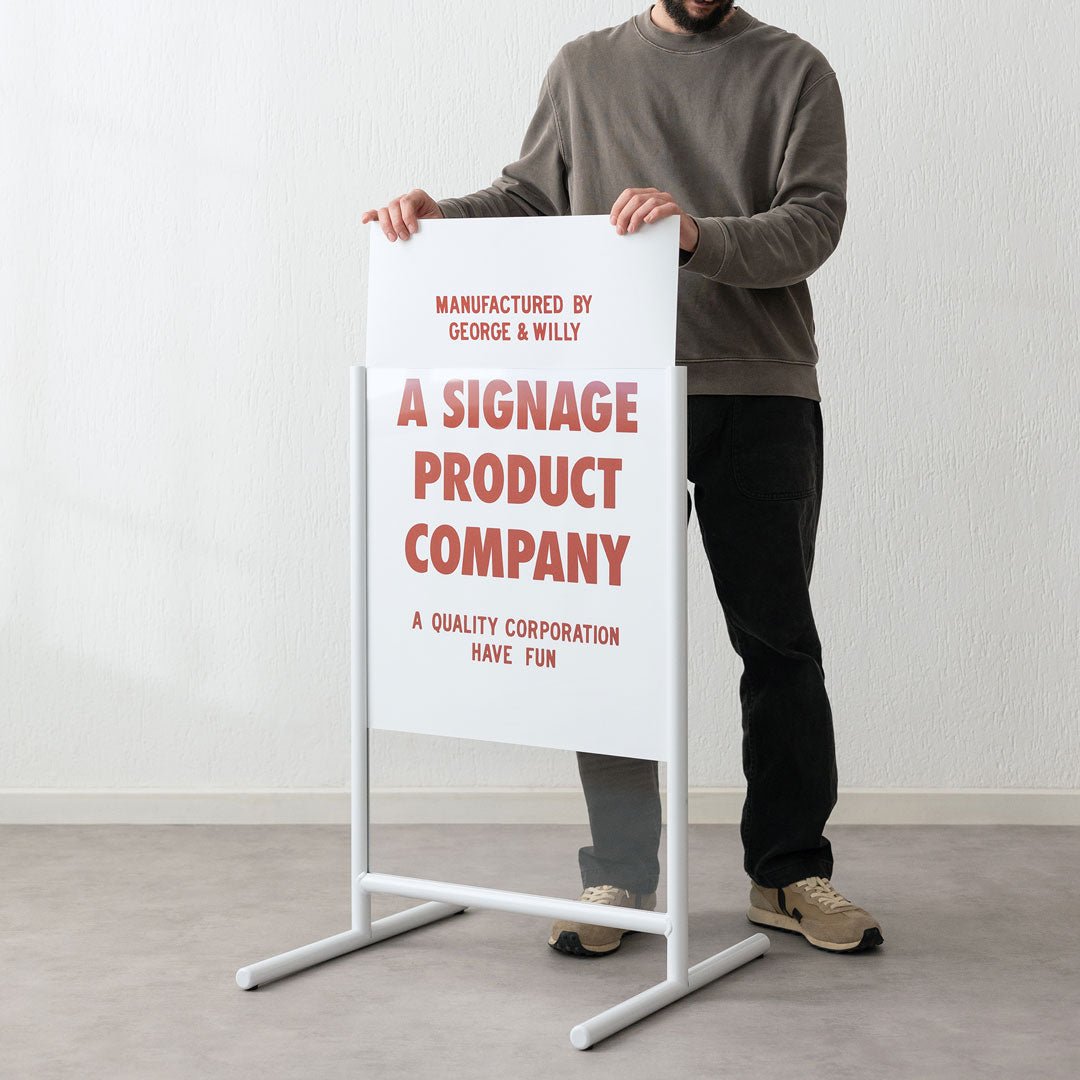
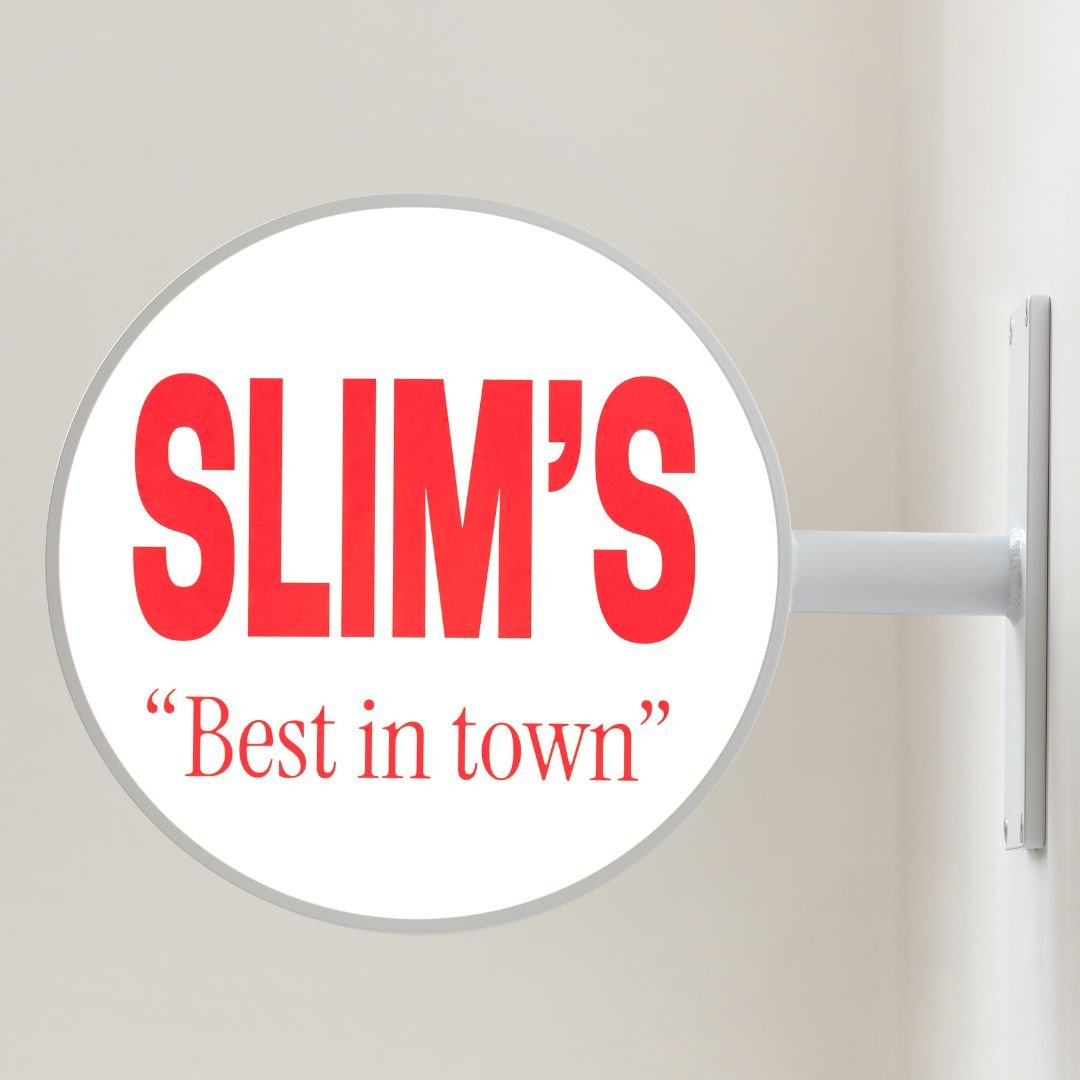
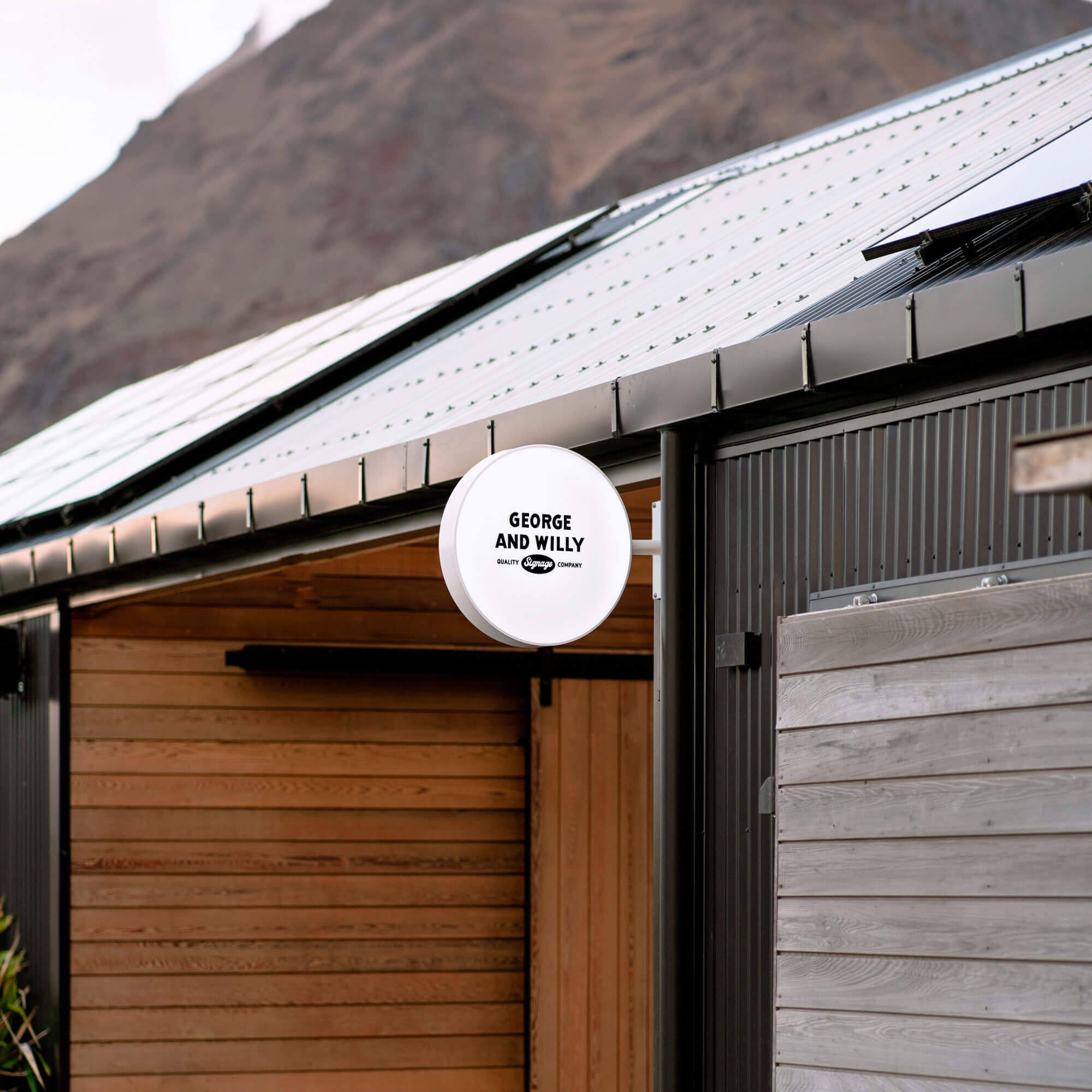
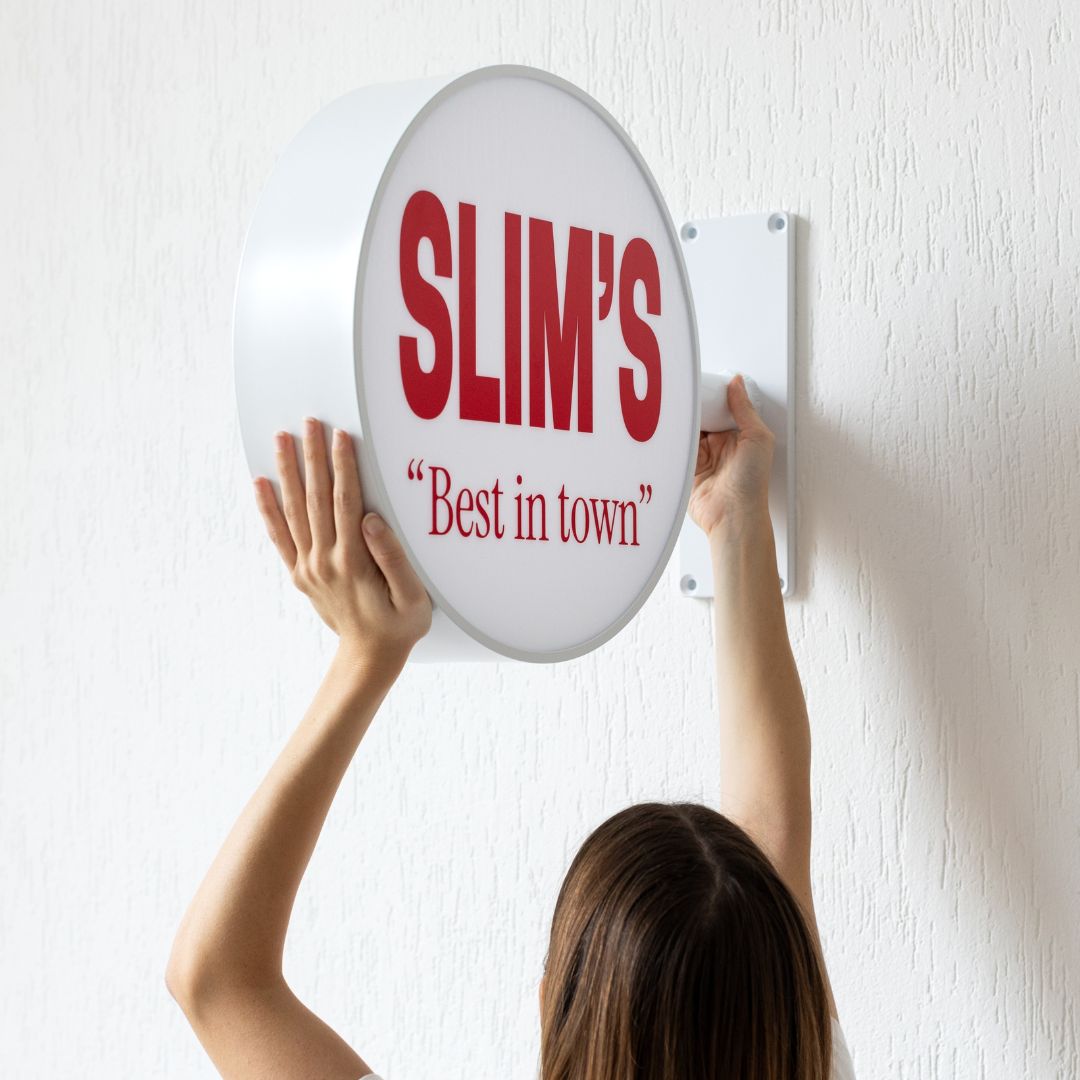
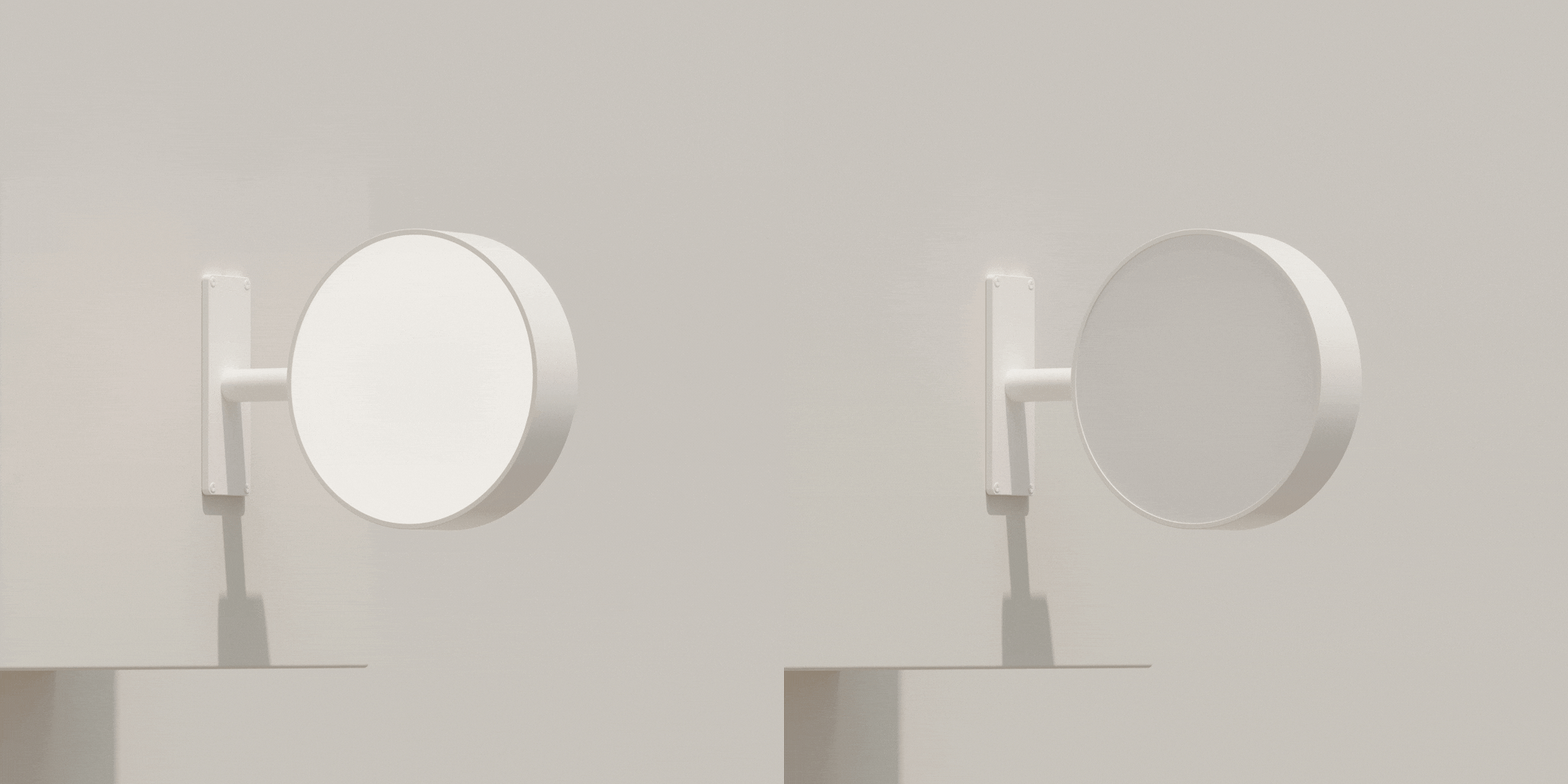
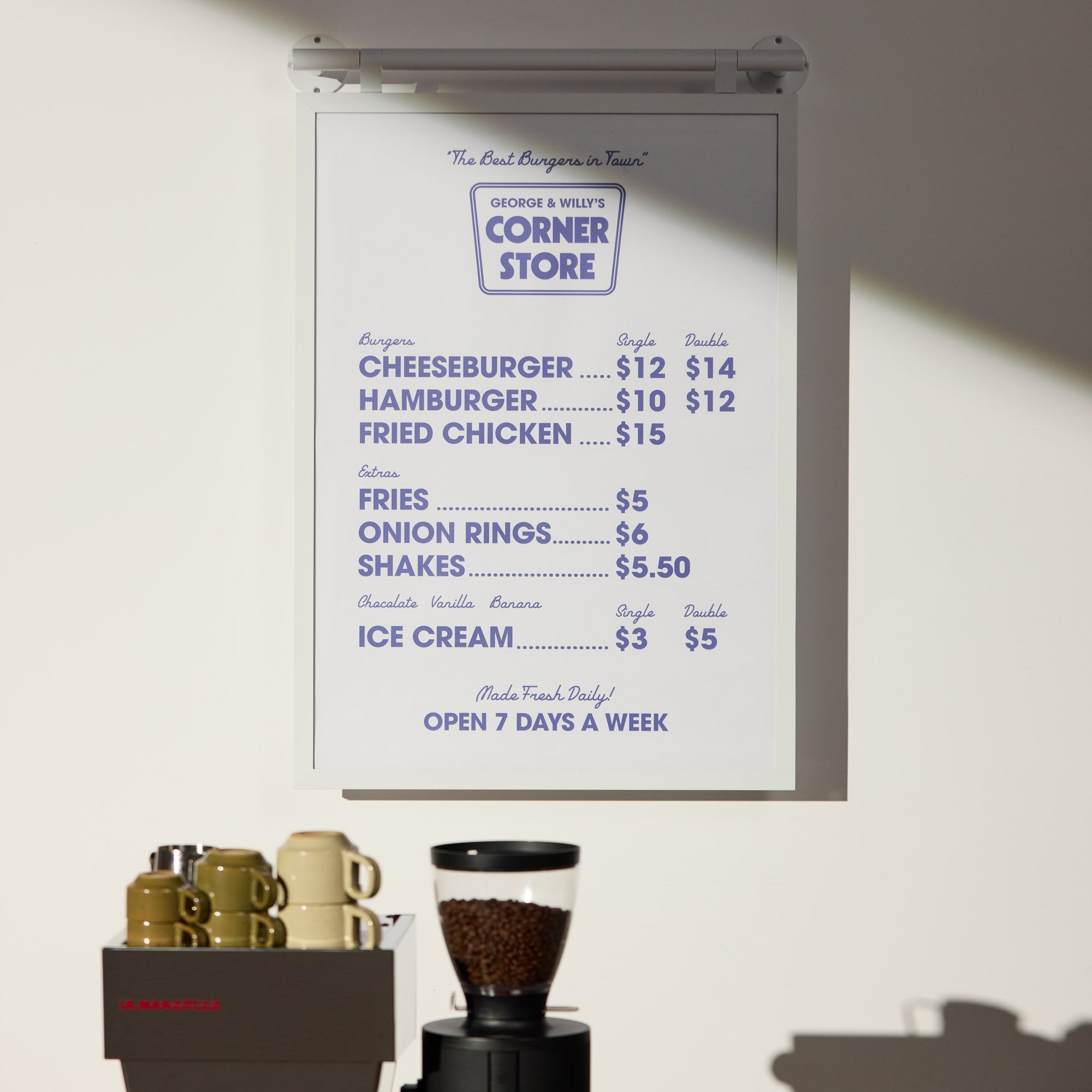
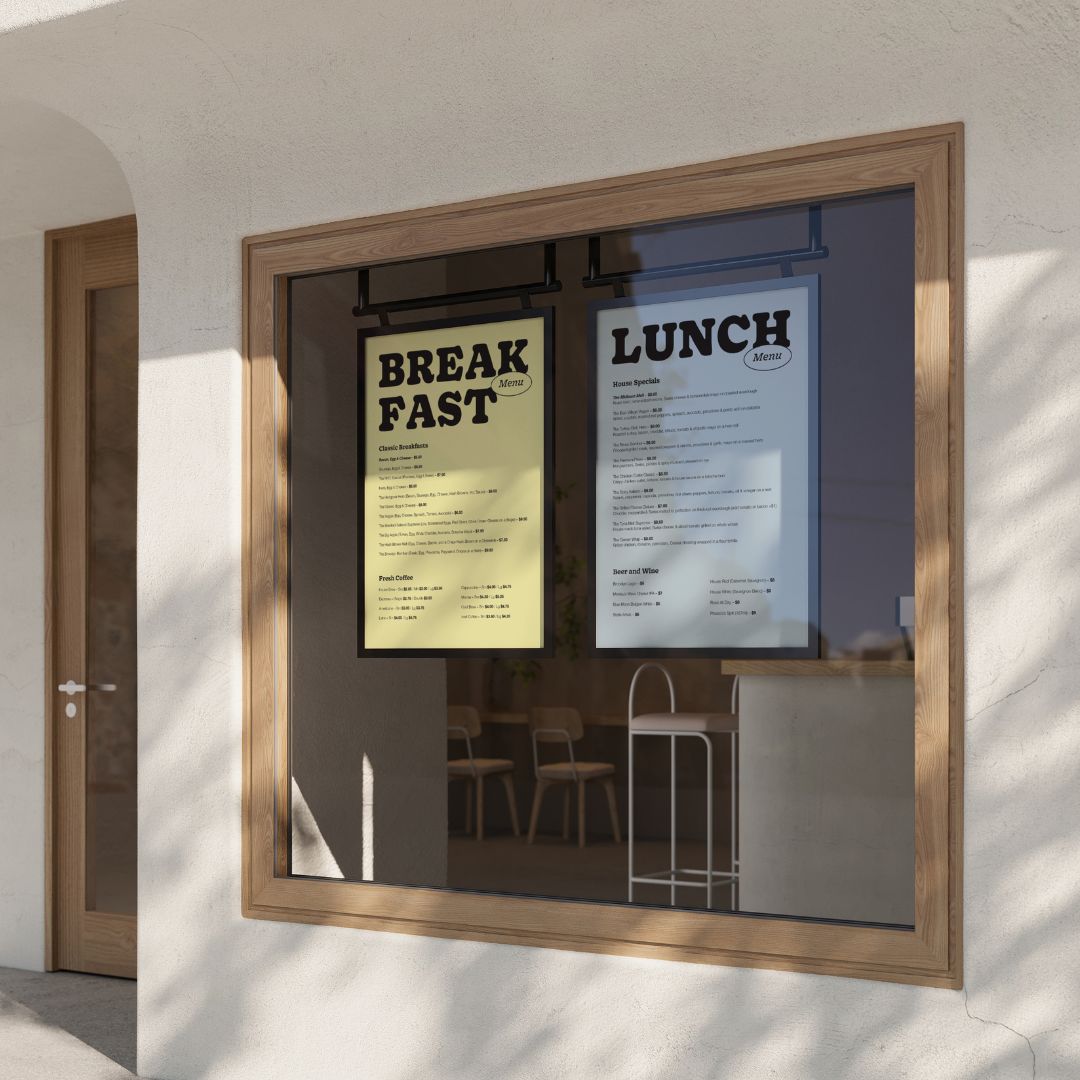
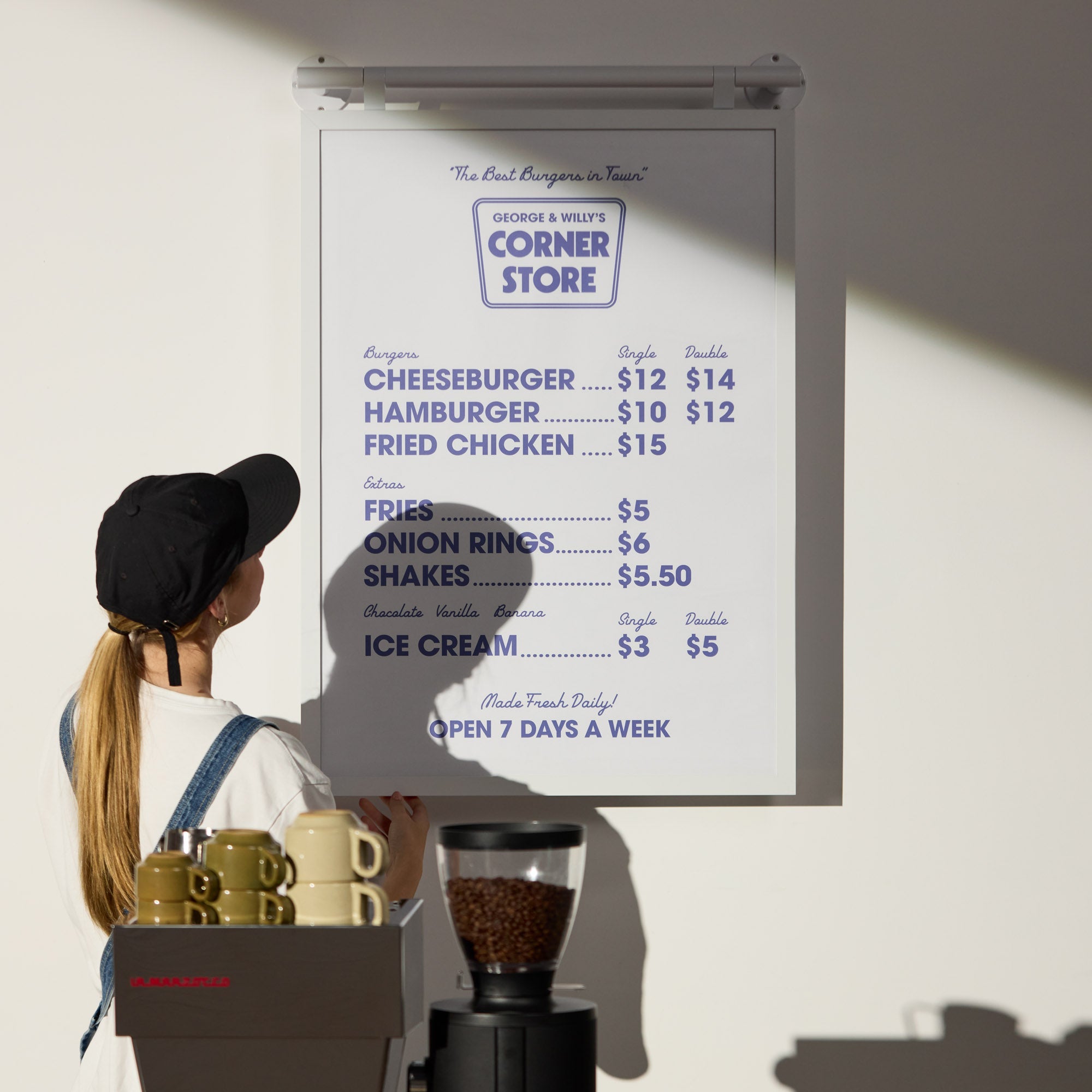
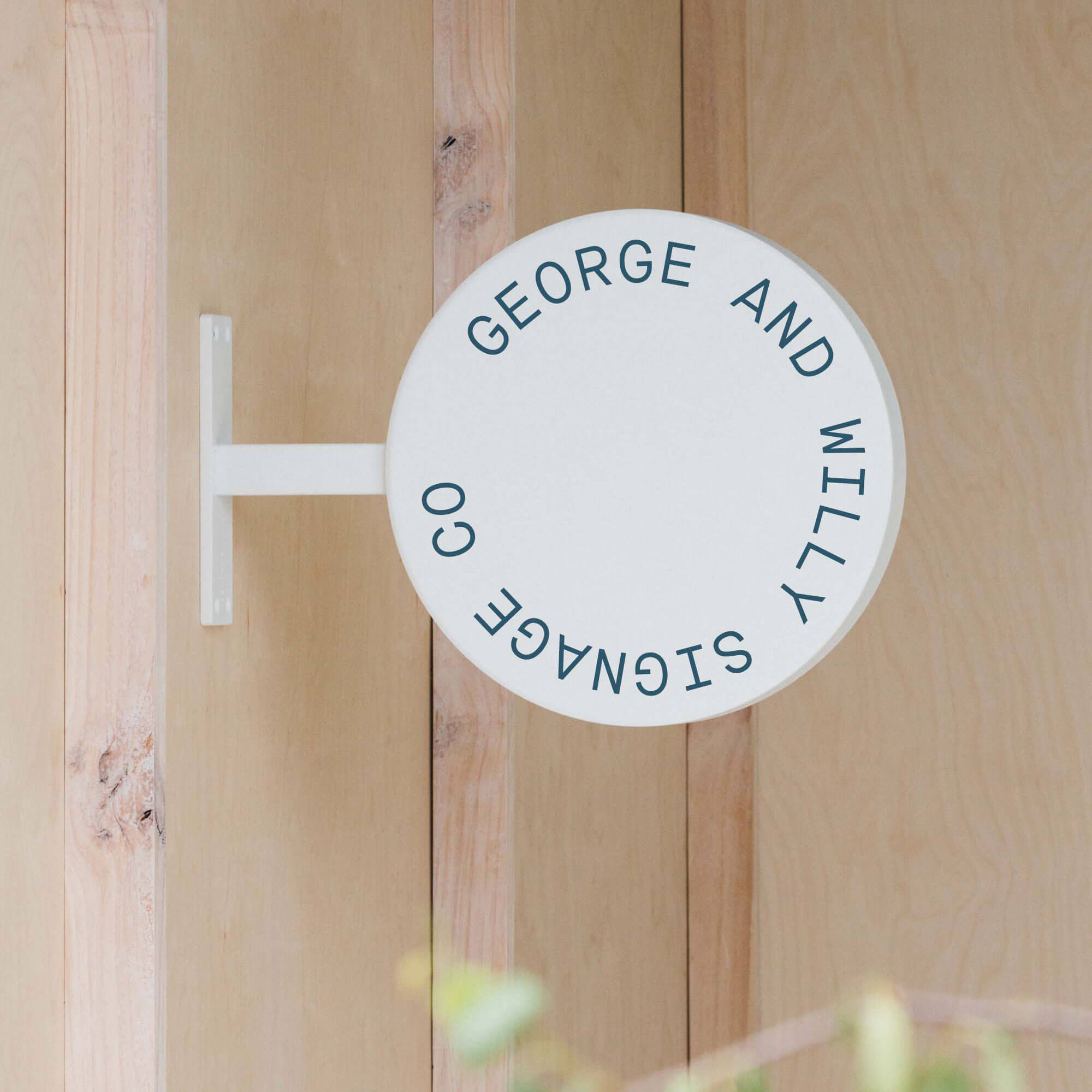
Generic, off-the-shelf signs might get the job done, but they won’t make you stand out. Creating real estate signs custom to your brand is one of the smartest marketing moves you can make. For your brokerage storefront, a Vertical Blade Sign boosts sidewalk visibility and ties your office branding to your yard and open-house signage.
Stand Out with Strong Branding and Design
Your sign is a reflection of your professional service. In fact, 68% of consumers believe a business’s signage reflects the quality of its products or services. A clean, professional, and unique sign suggests you handle your listings with the same care.
Here are a few key design tips for readability and branding:
Less is More: A cluttered sign is an unreadable sign. Stick to the essentials: “For Sale” or “Open House,” your brokerage or name, and a clear phone number or website. Too much text will just become a blur to anyone driving by.
High Contrast is Key: Use colors that are easy to read from a distance. Classic combinations like dark text on a white background or white text on a dark blue background work best. Consistent use of your brand colors is also vital, as color can boost brand recognition by up to 80%.
Use Templates for Consistency: If you are not a graphic designer, real estate sign design templates are your best friend. They ensure a professional layout with proper font sizing and color contrast. Many brokerages provide official templates, which helps build a cohesive brand image and trust with clients.
Choosing the Right Sign for the Job
Different situations call for different types of signs. A comprehensive marketing strategy uses a mix of signage to guide, inform, and attract potential buyers from every angle, and getting your real estate signs custom designed is a key part of that.
The Classic Yard Sign
The traditional yard sign is the cornerstone of property marketing, and many successful agents invest in real estate signs custom made for their listings. It acts as a constant advertisement, catching the eye of neighbors and drive by buyers. It’s a cost effective tool that works around the clock to signal that a property is available, generating valuable local buzz.
Open House and Directional Signs
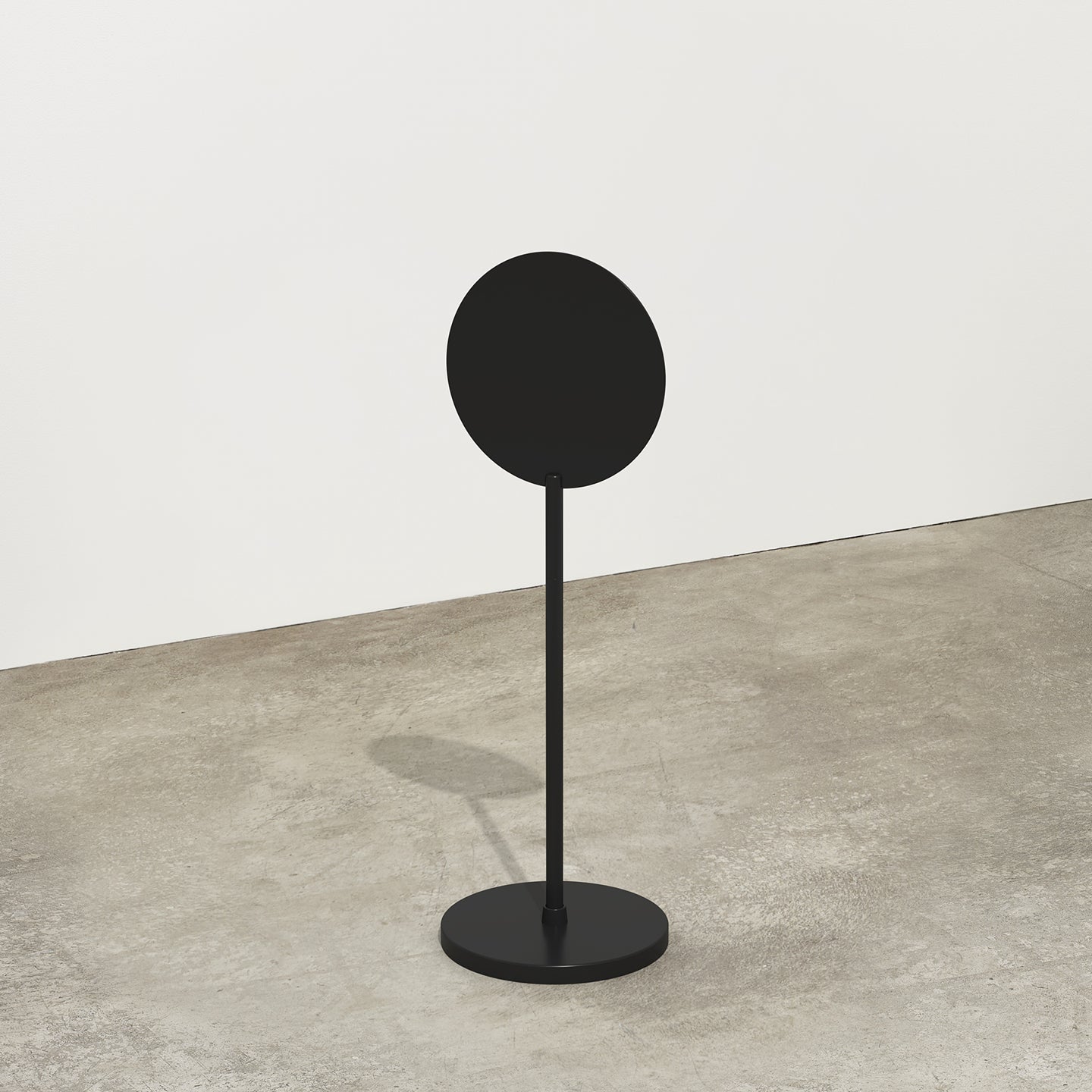
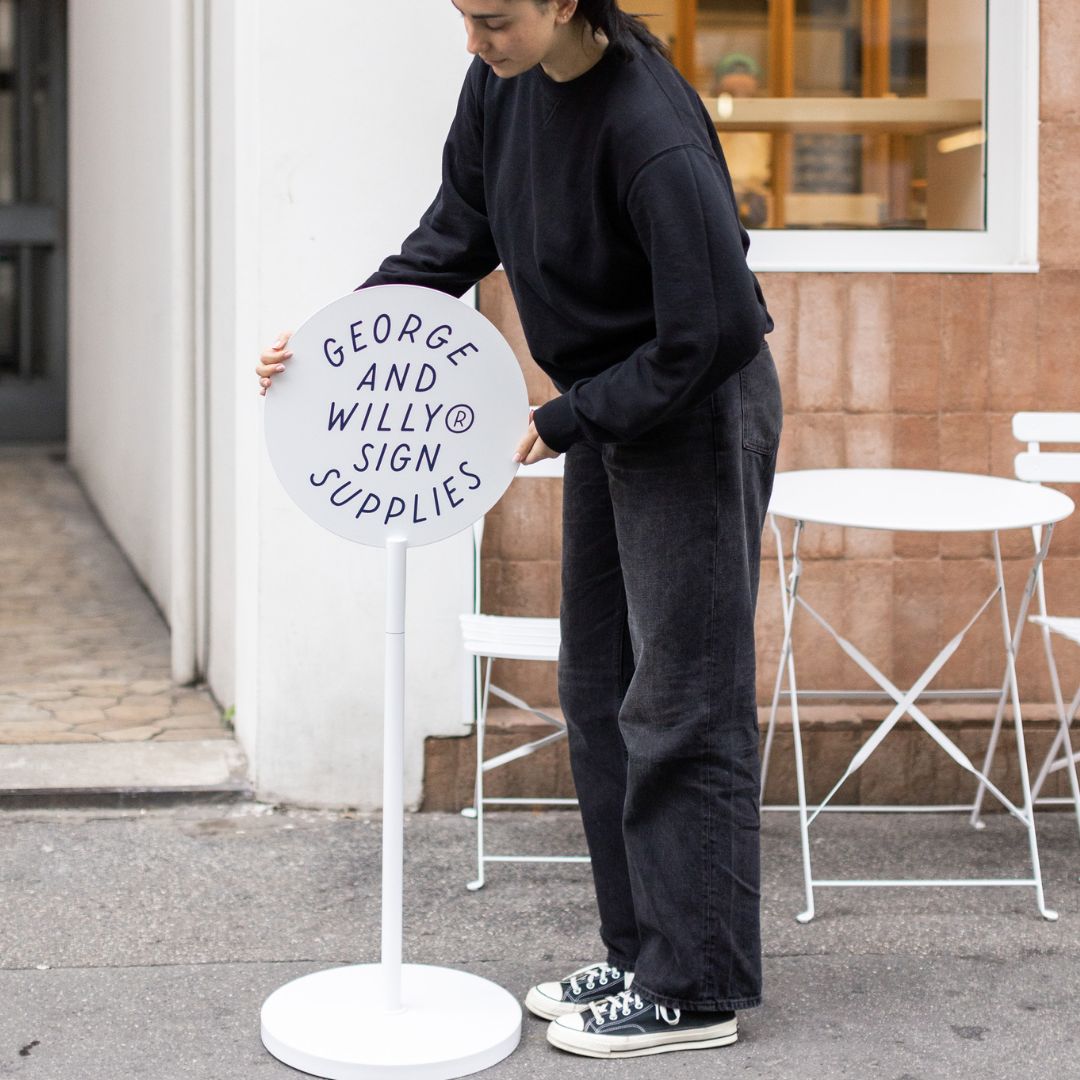
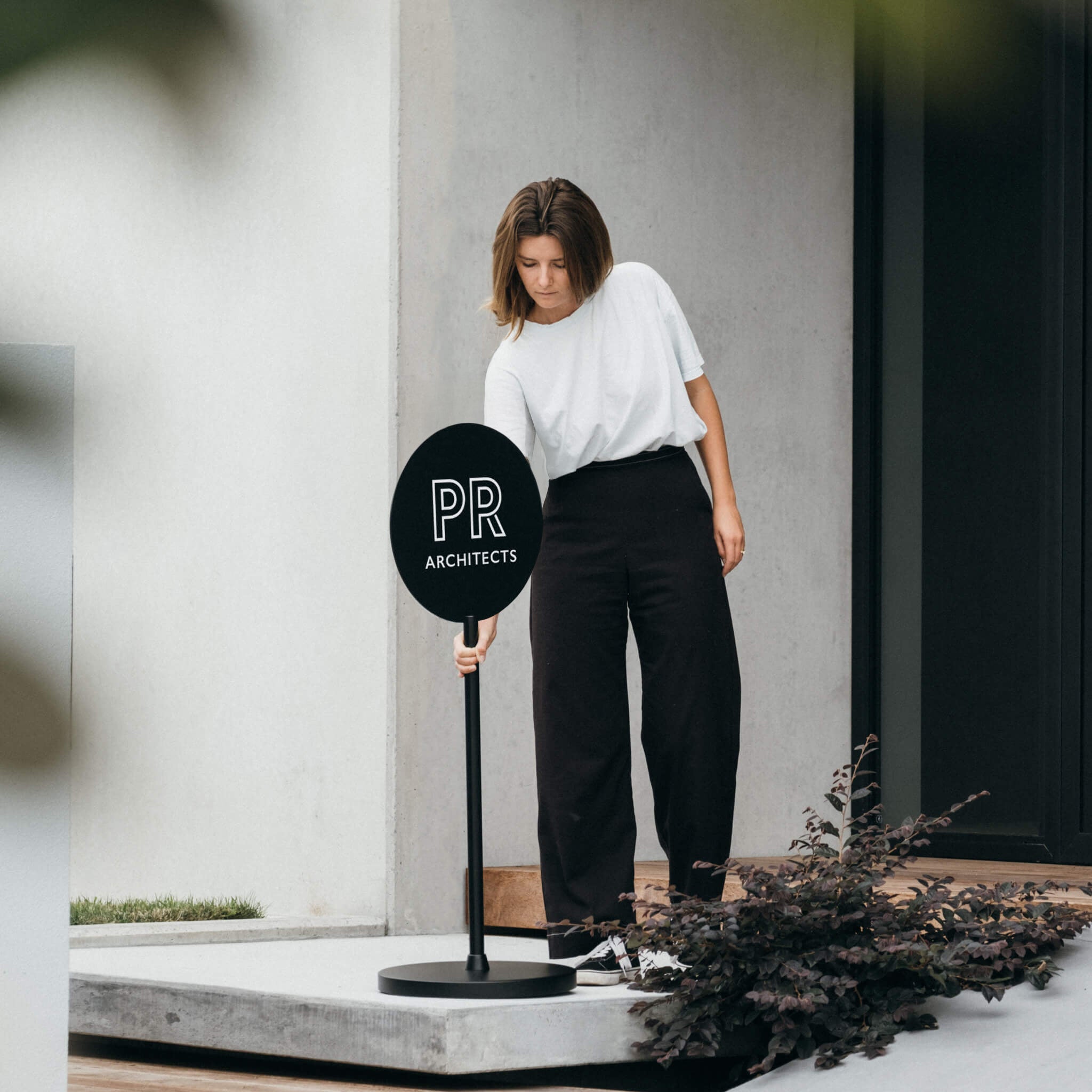
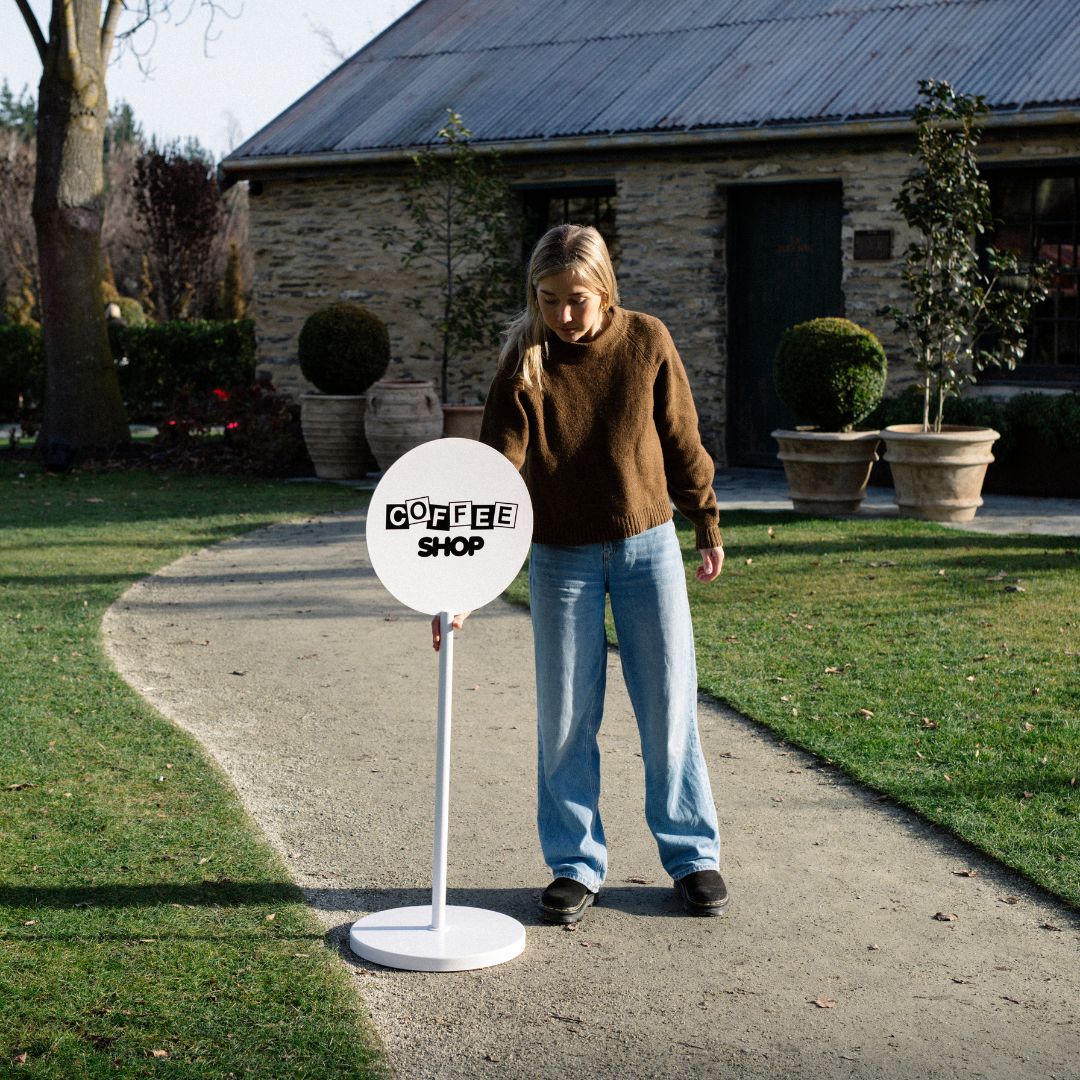
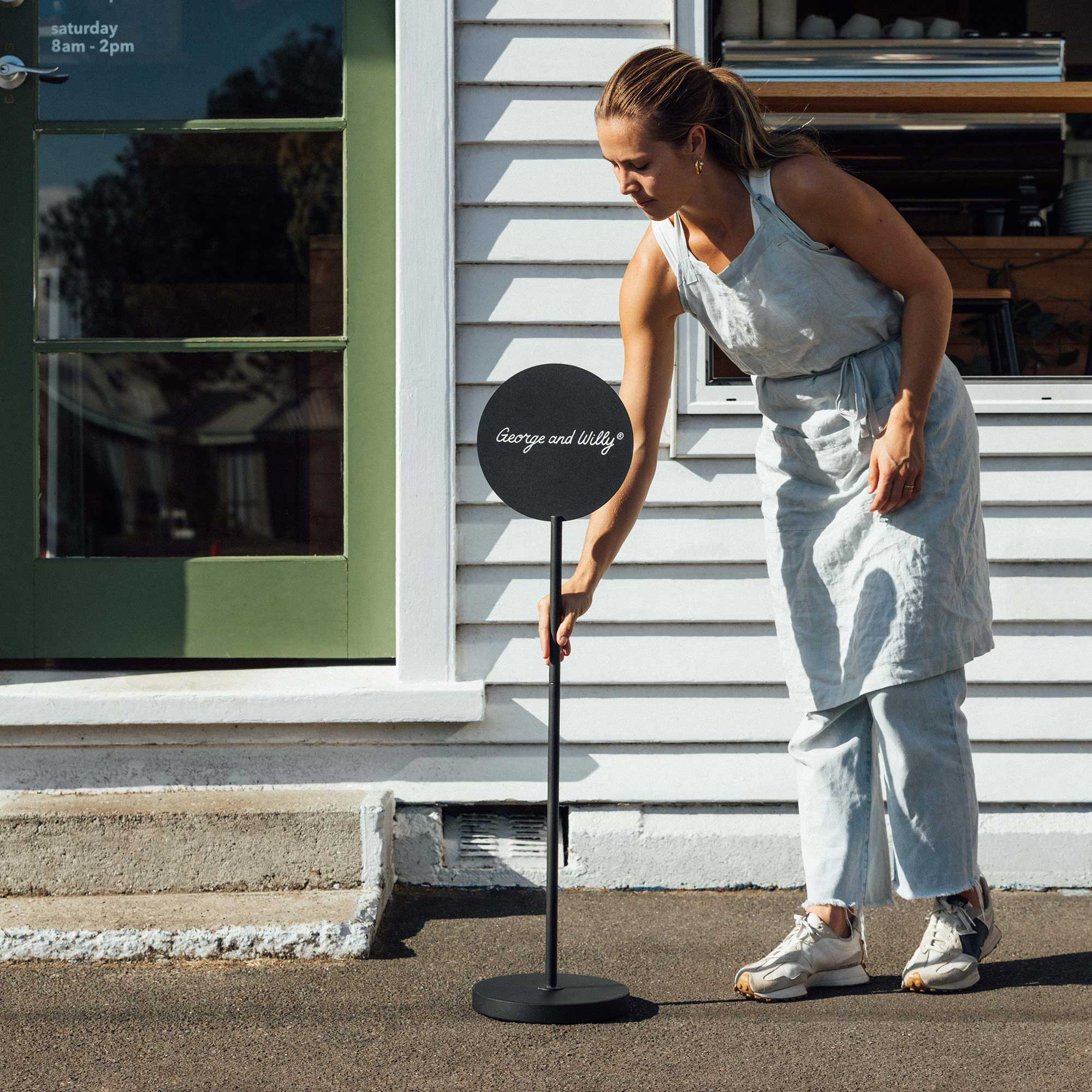
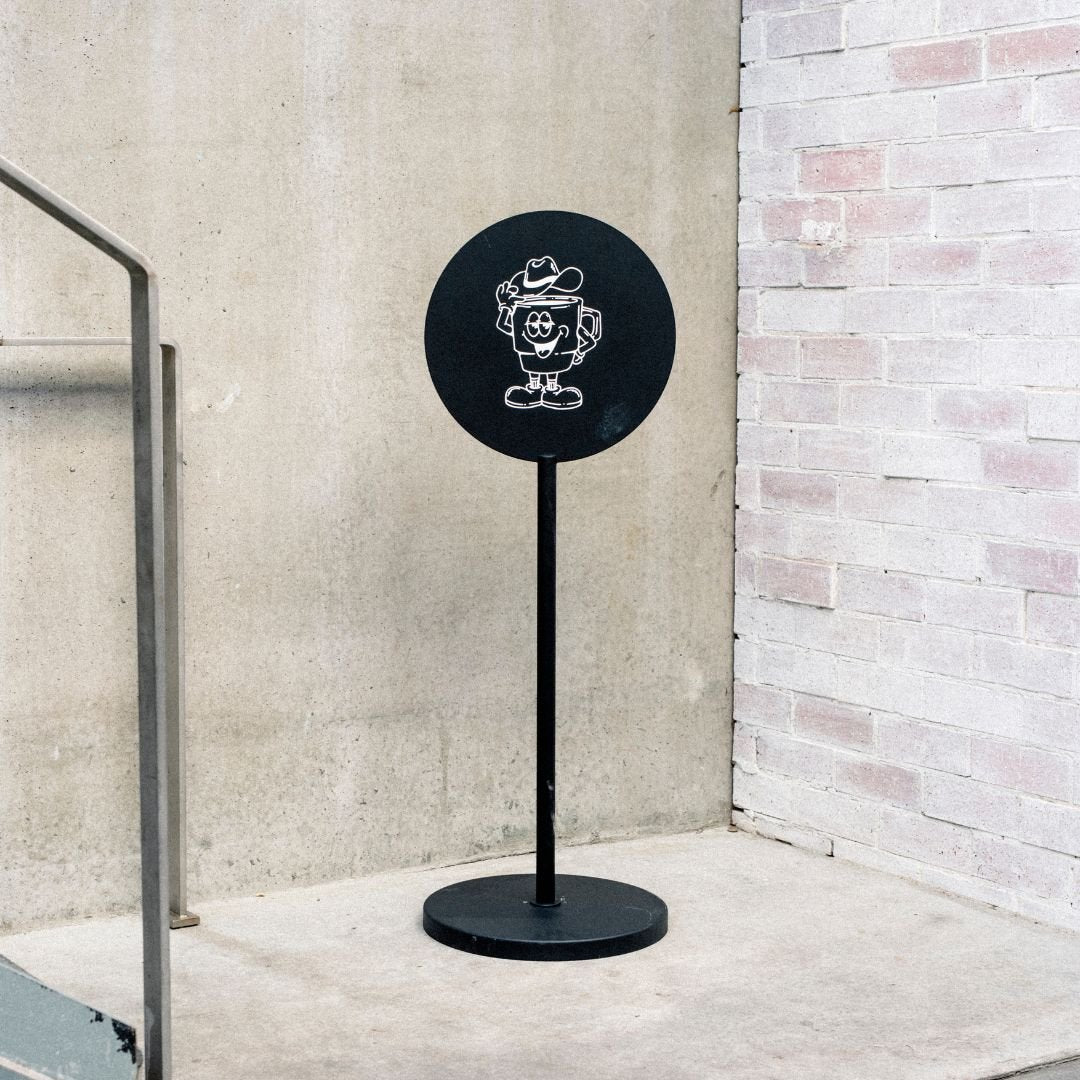
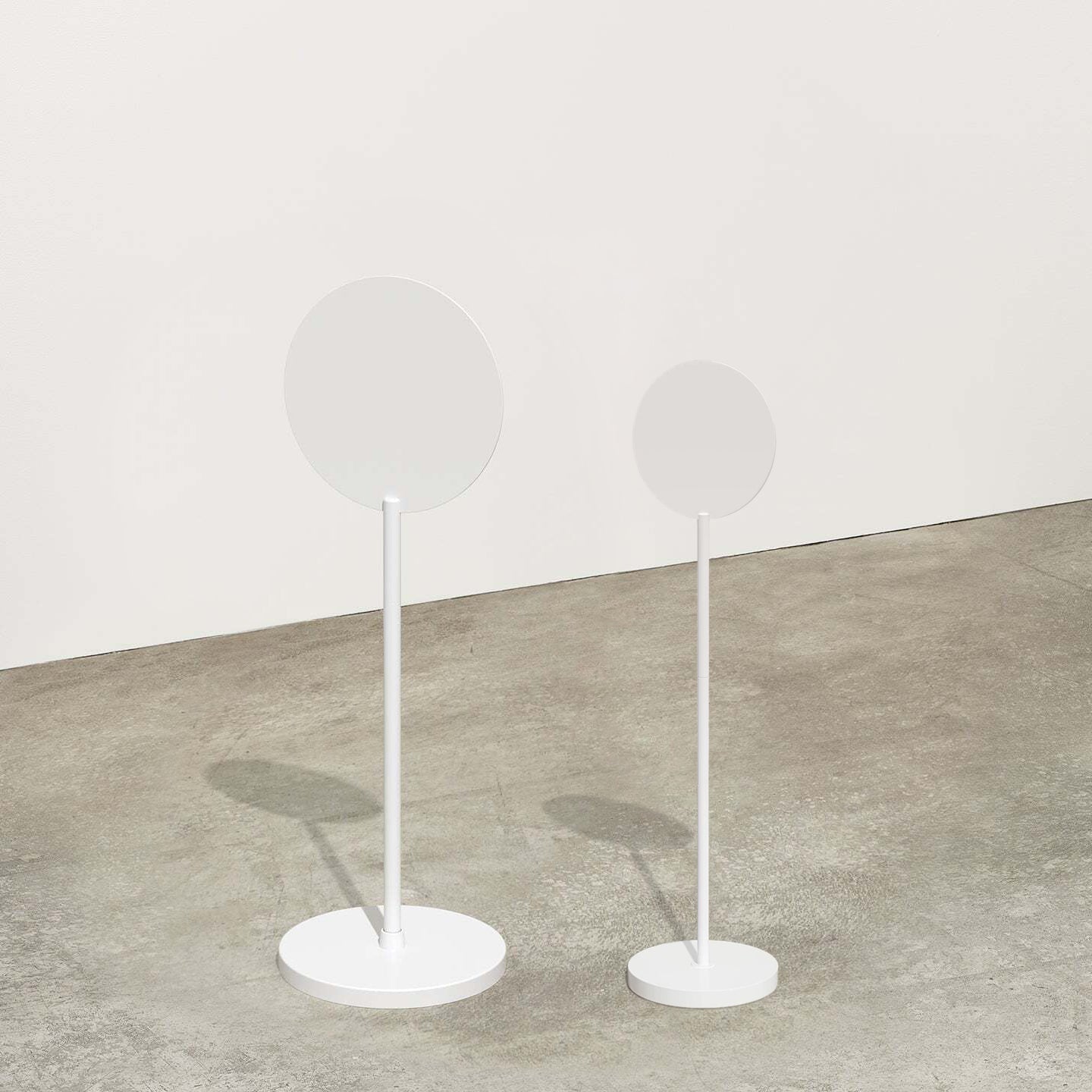
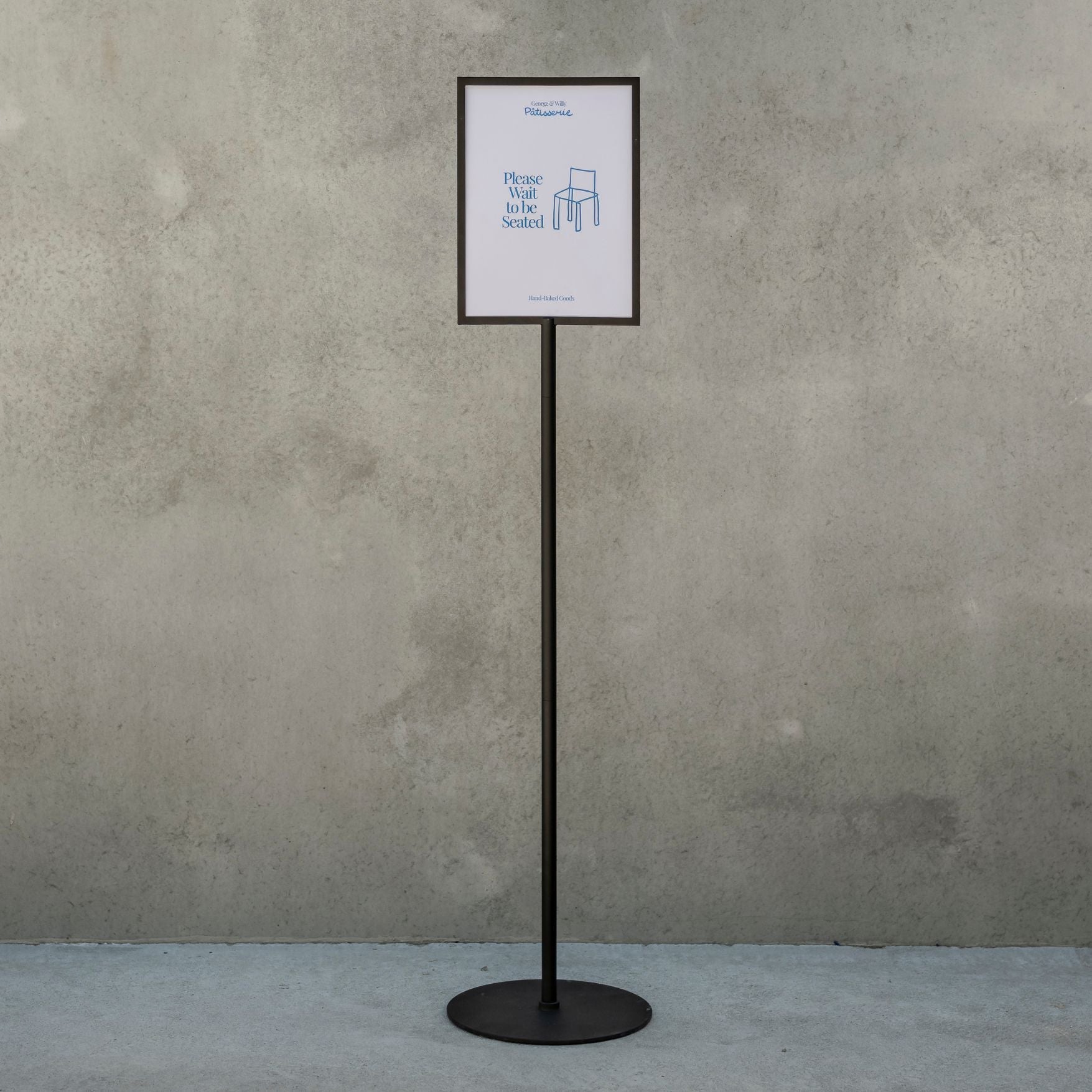
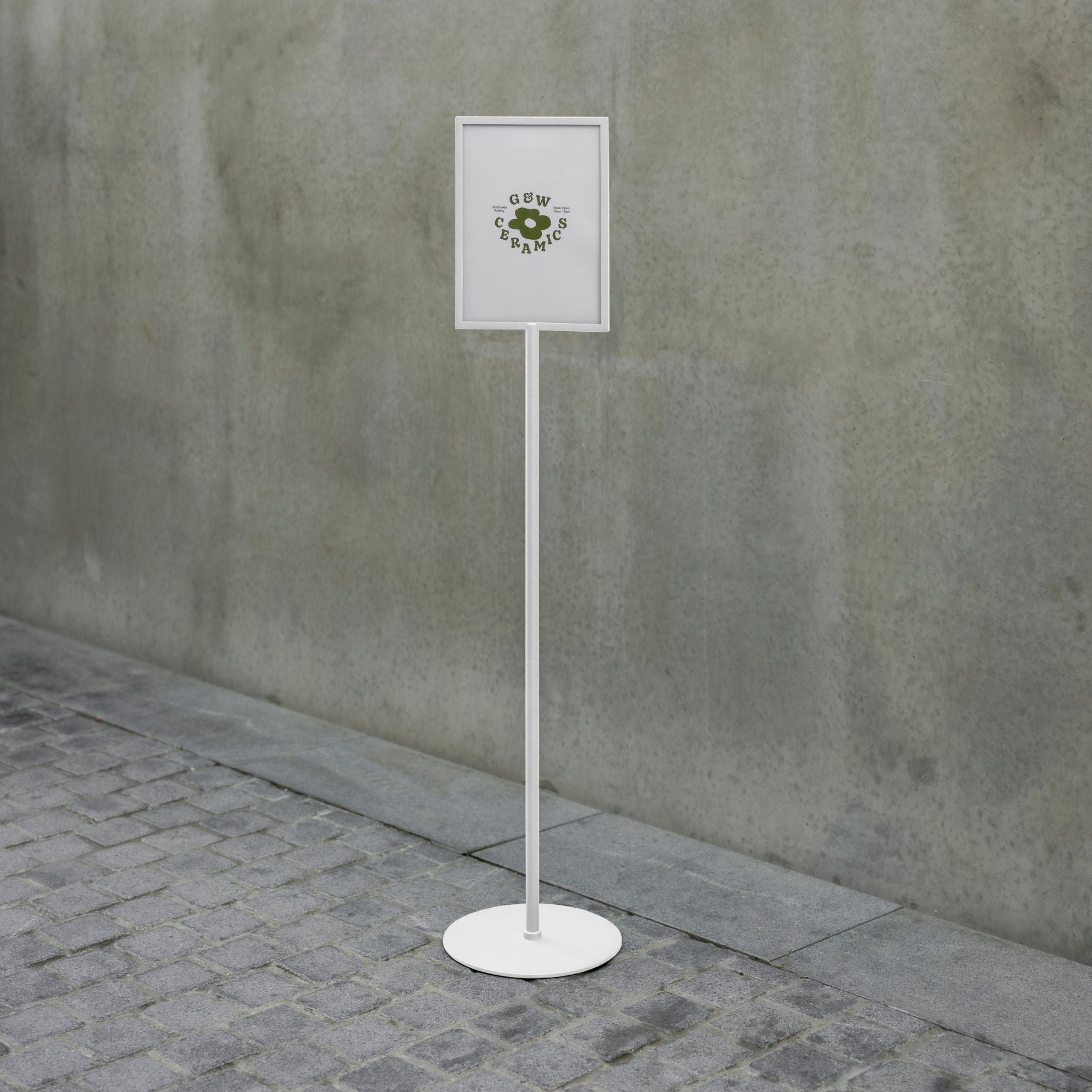
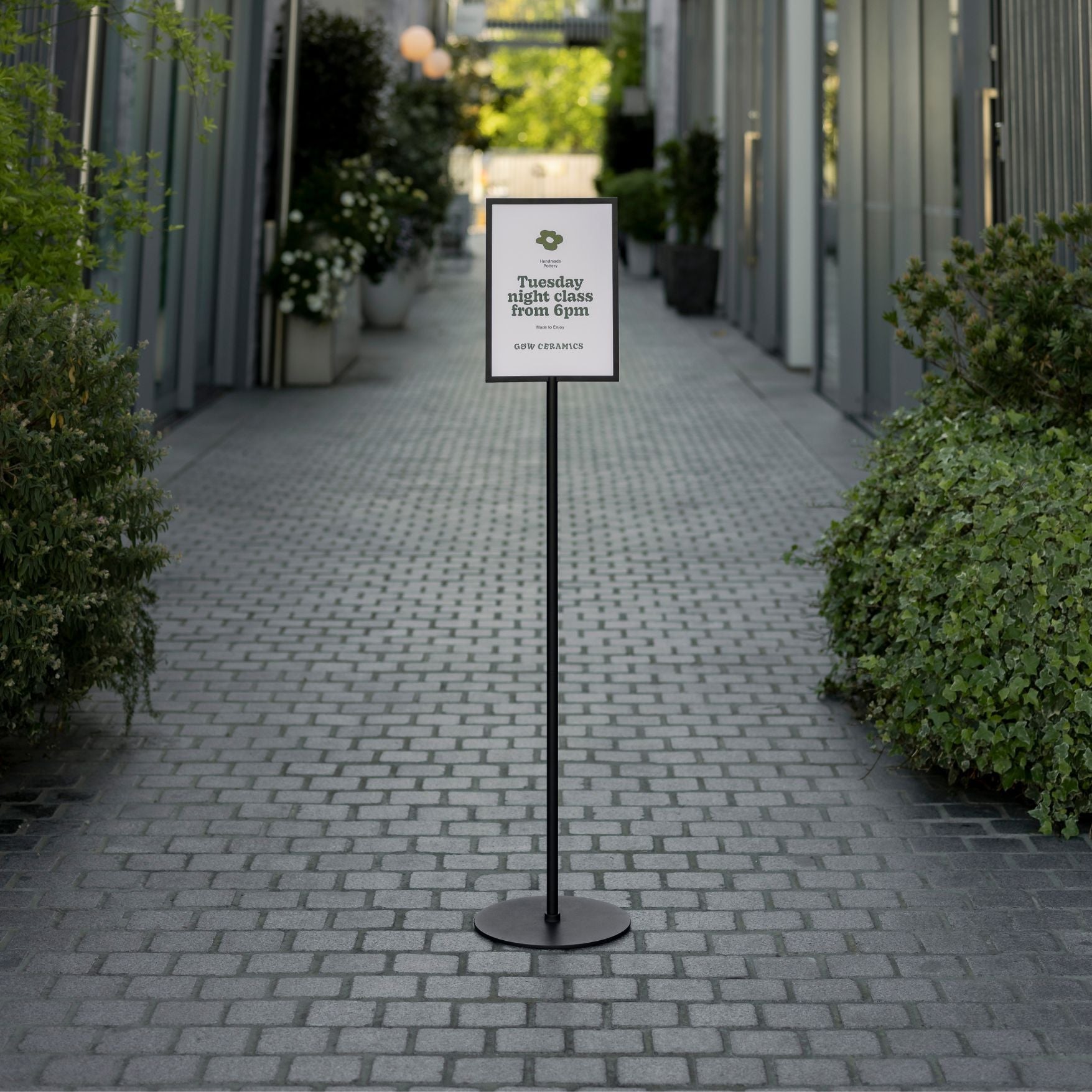
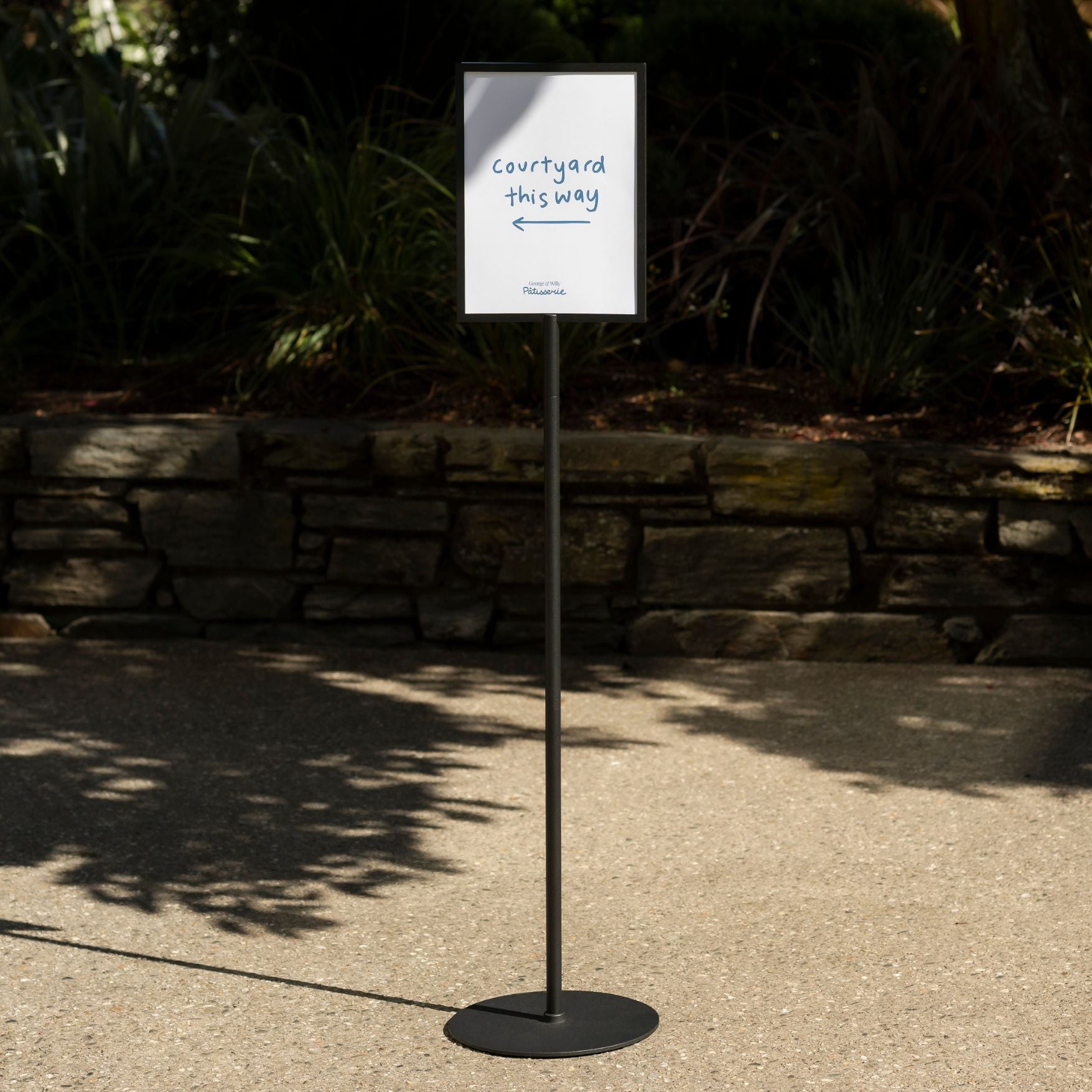
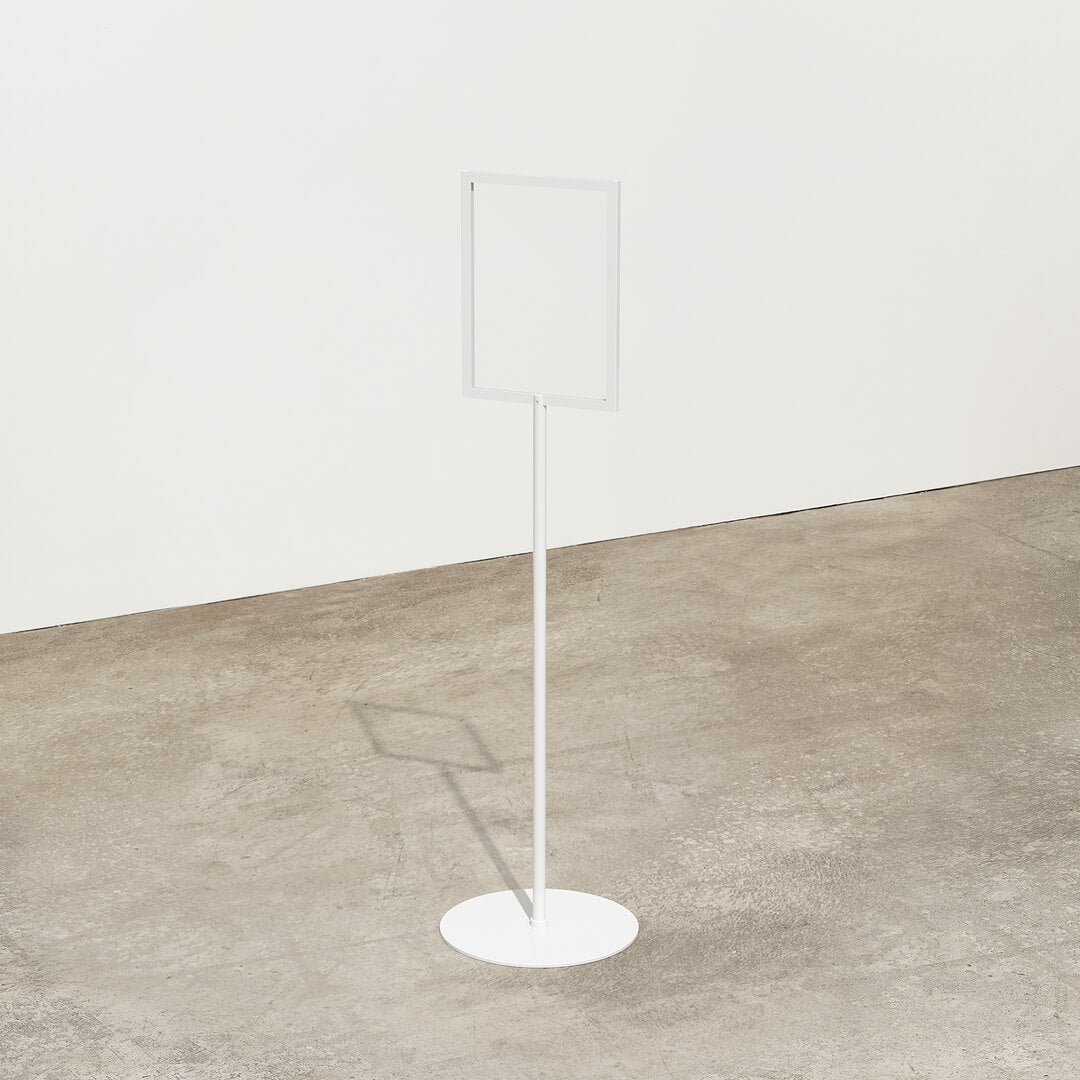
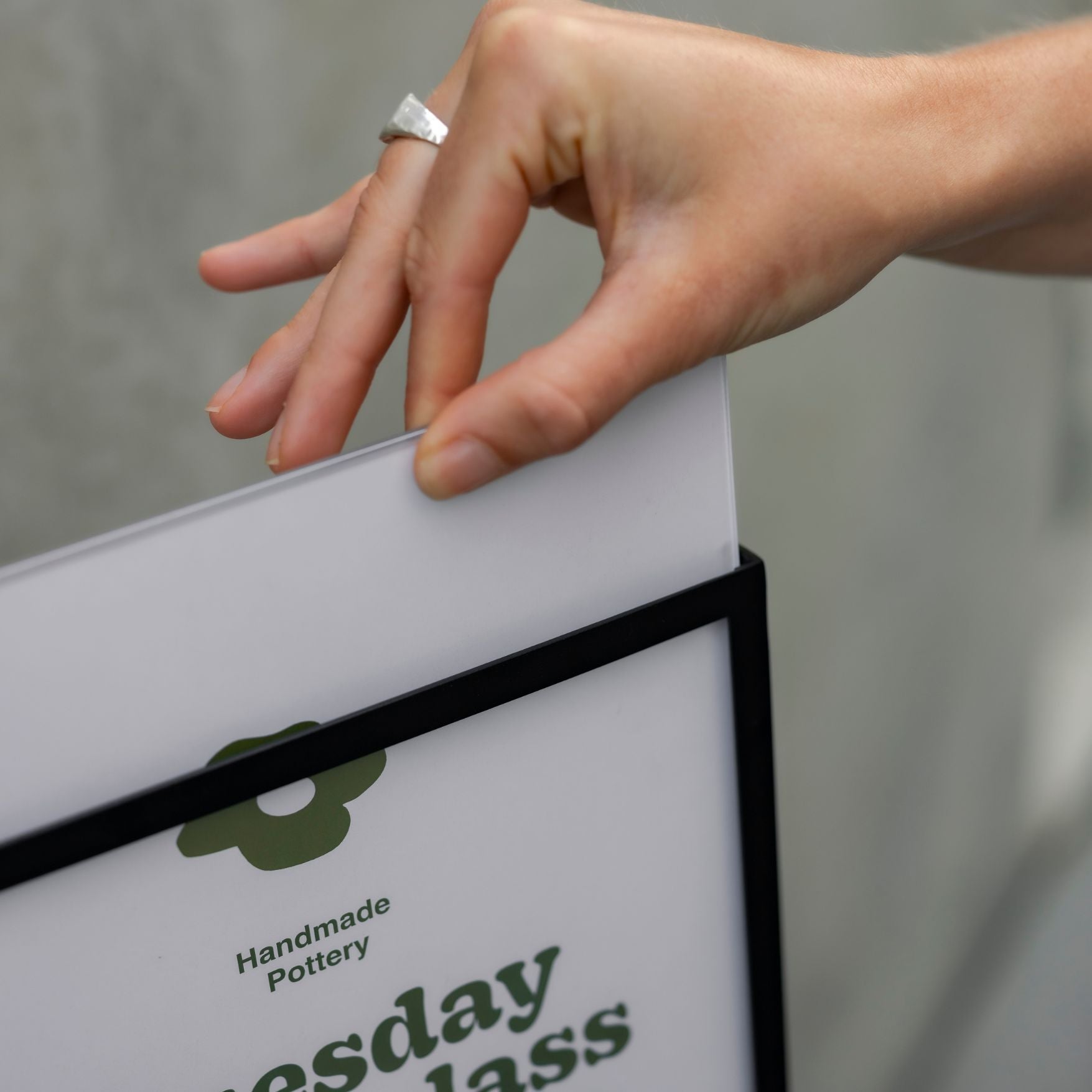
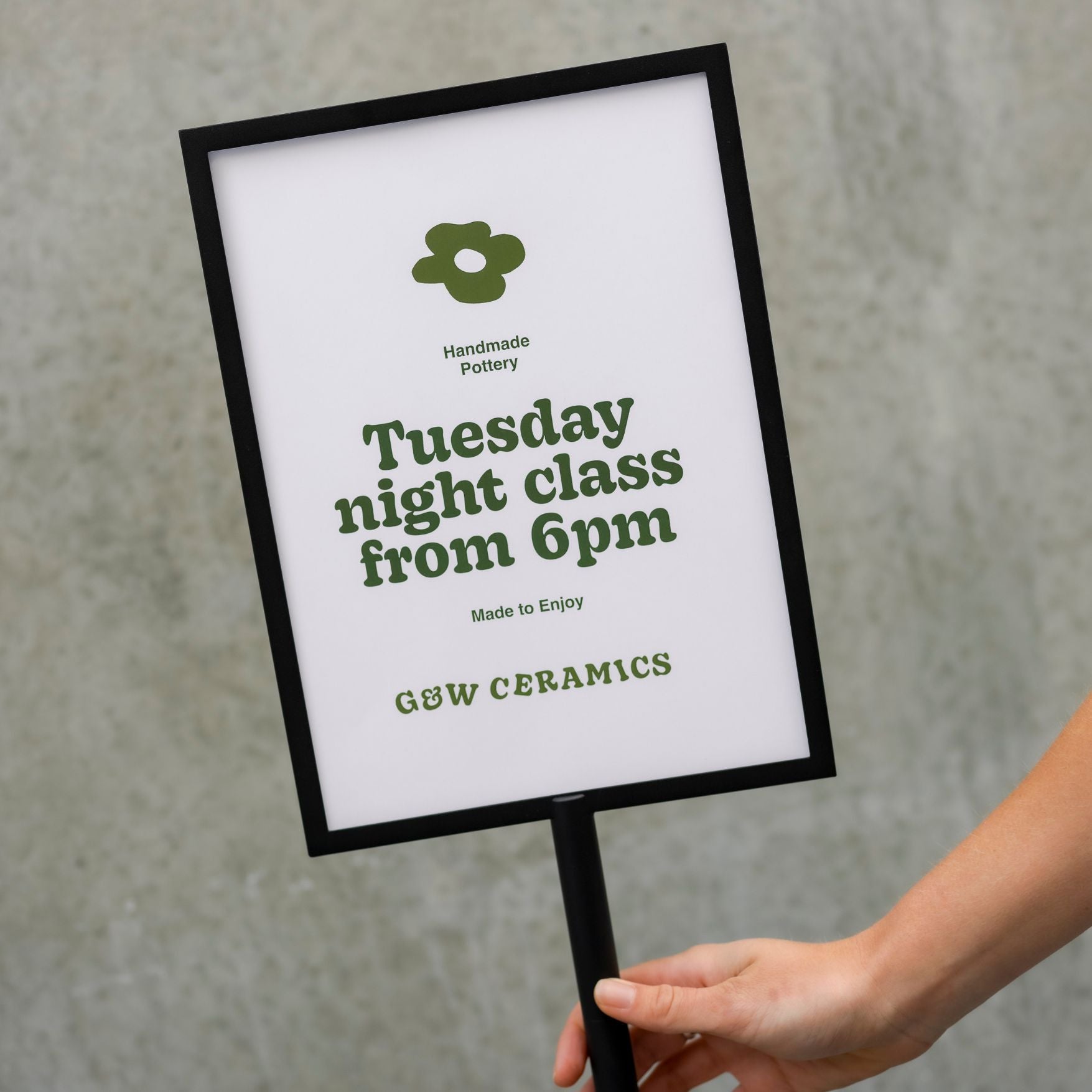
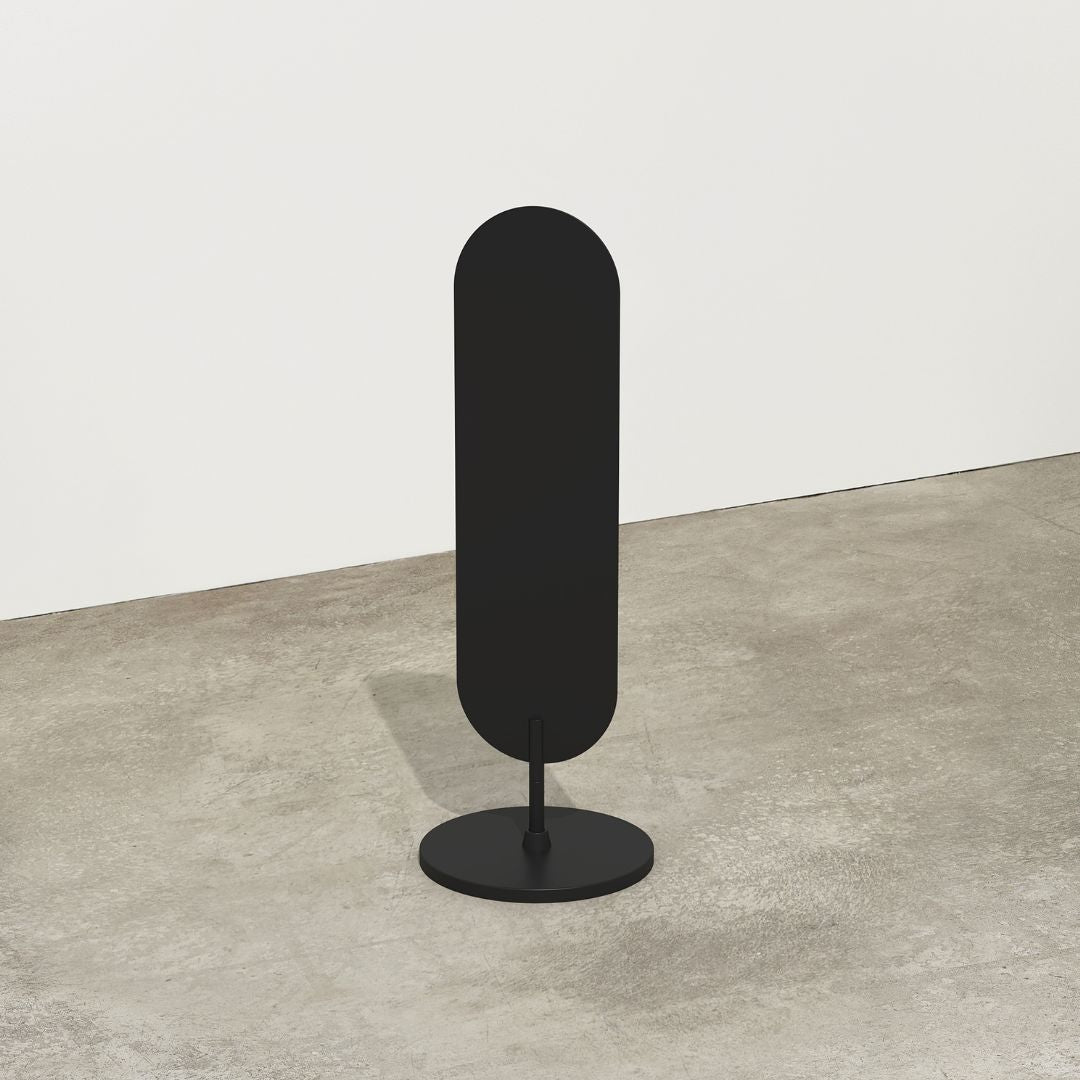
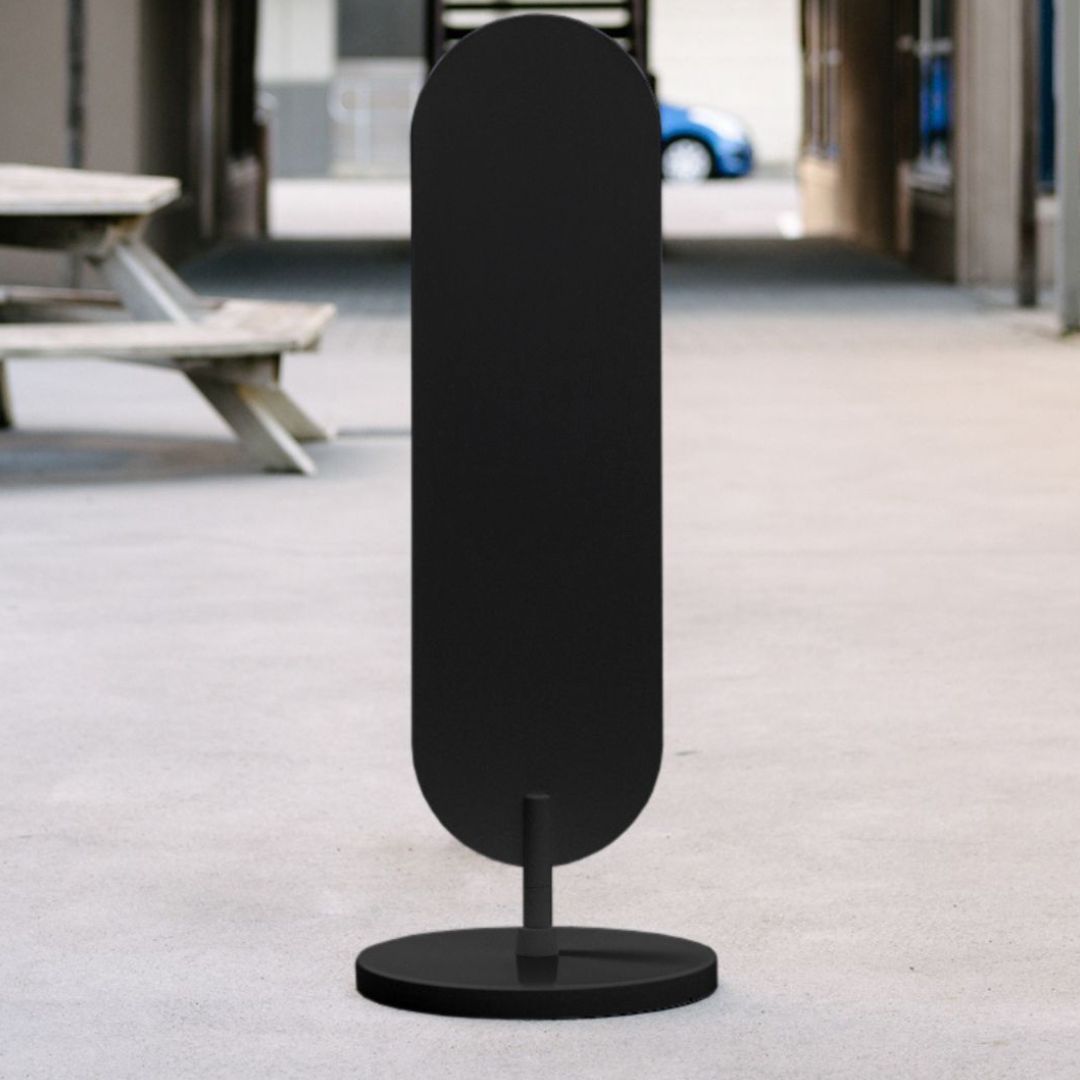
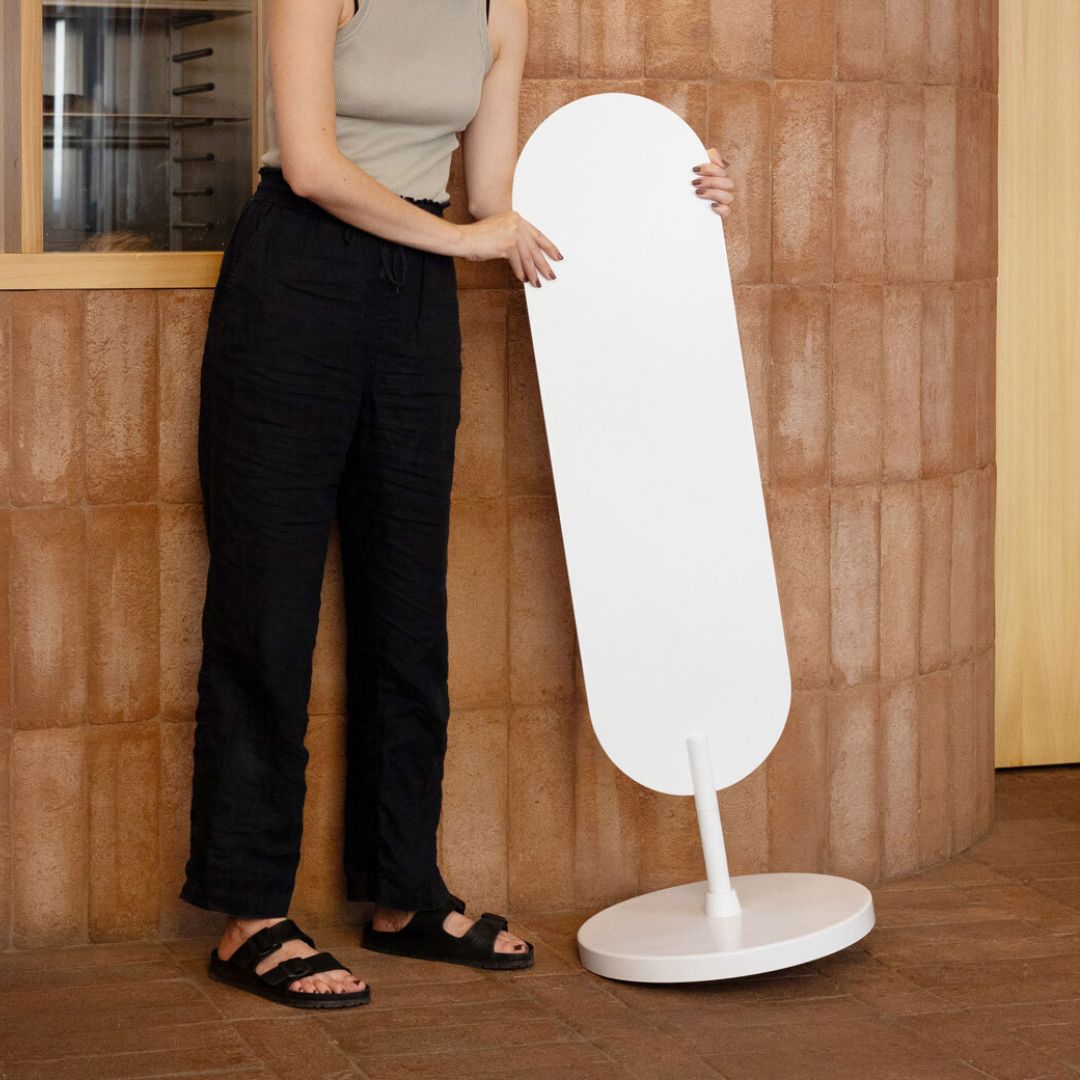
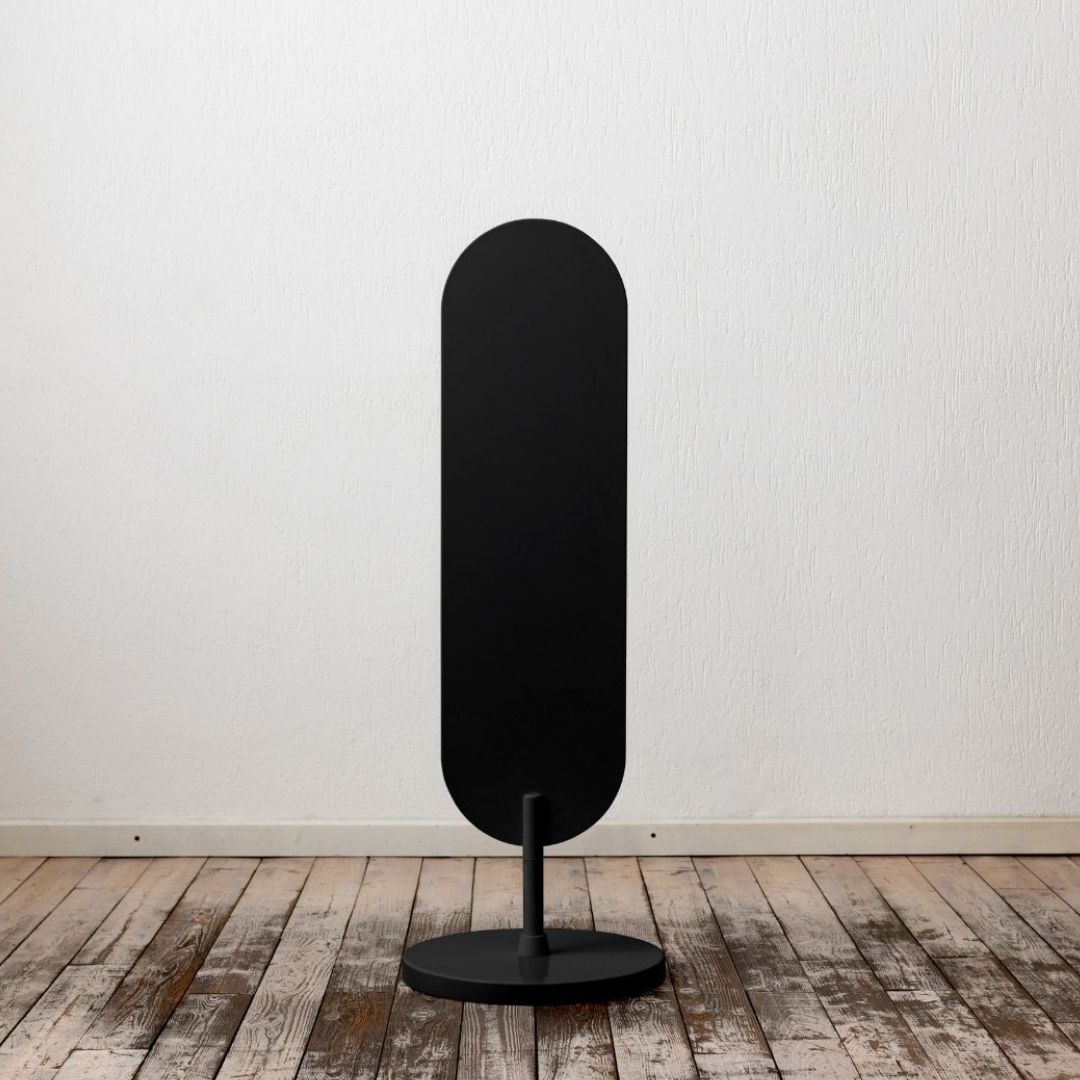
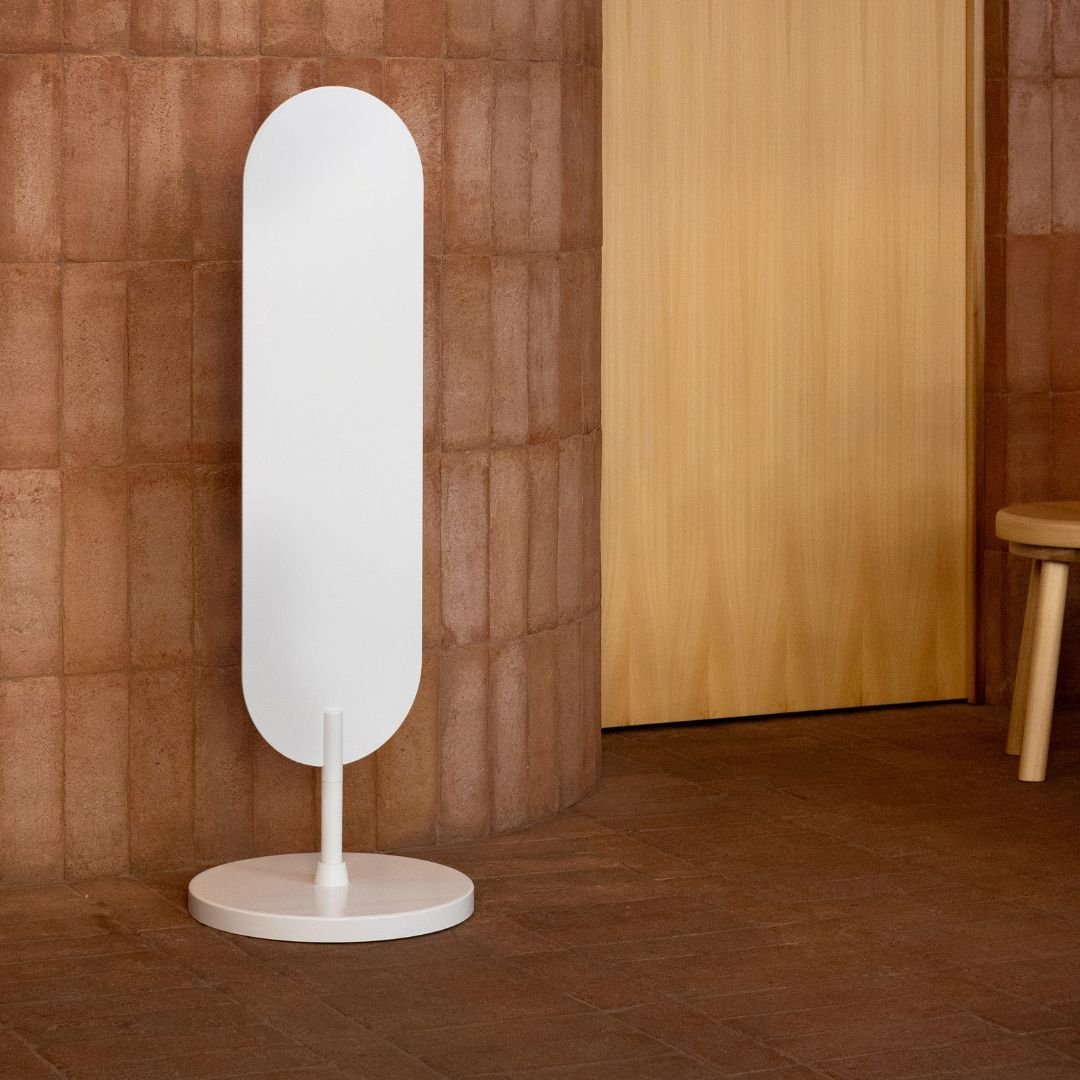
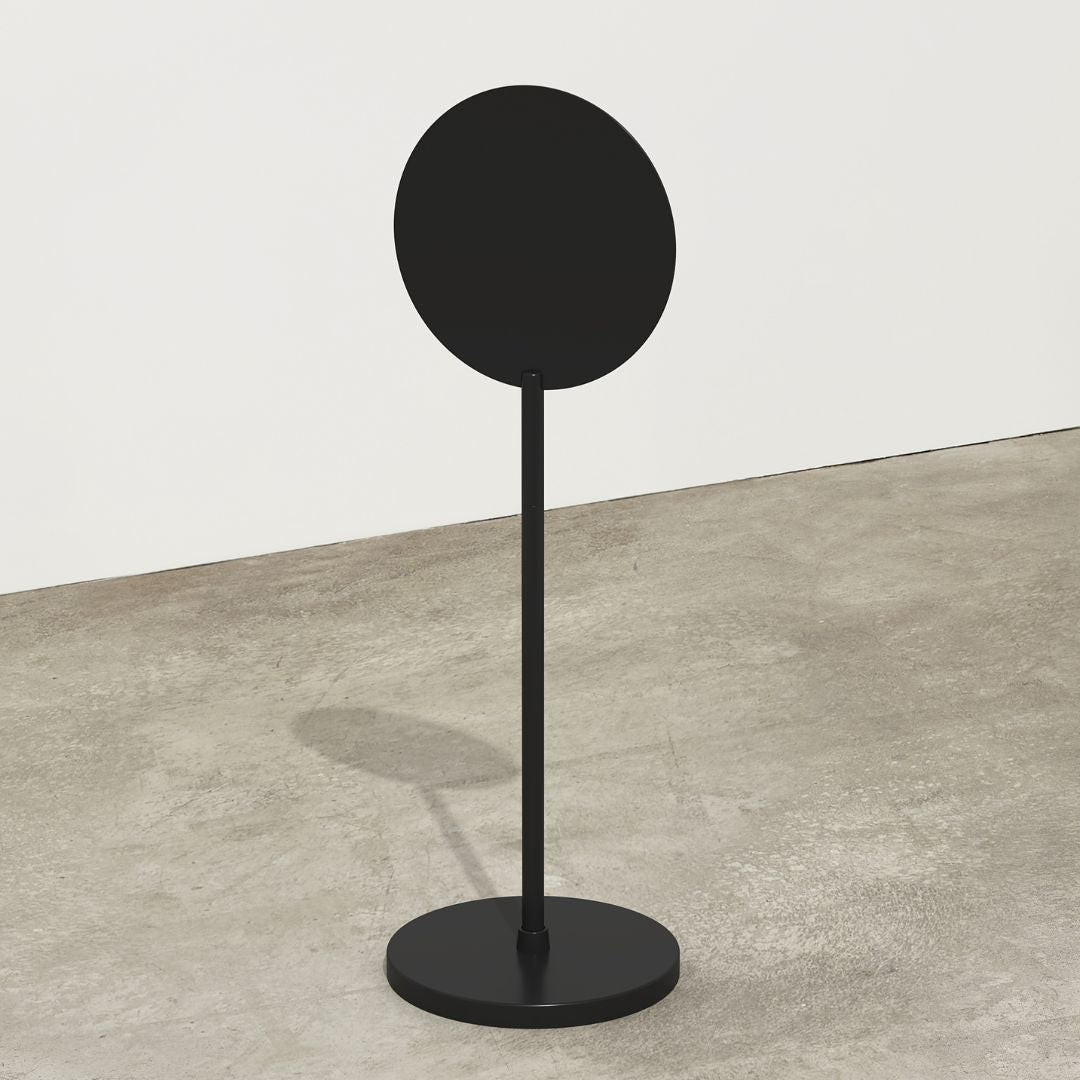
To host a successful open house, you need to drive foot traffic. An open house sign in the yard is just the start. Use multiple directional signs at major intersections and neighborhood entrances to guide visitors directly to the front door. This strategy can significantly boost your visitor count, and since 55% of open house visitors plan to buy within six months, every visitor is a valuable lead. Place a Standing Round Sign by the entry to signal arrival without cluttering the yard.
A Frame Sidewalk Signs
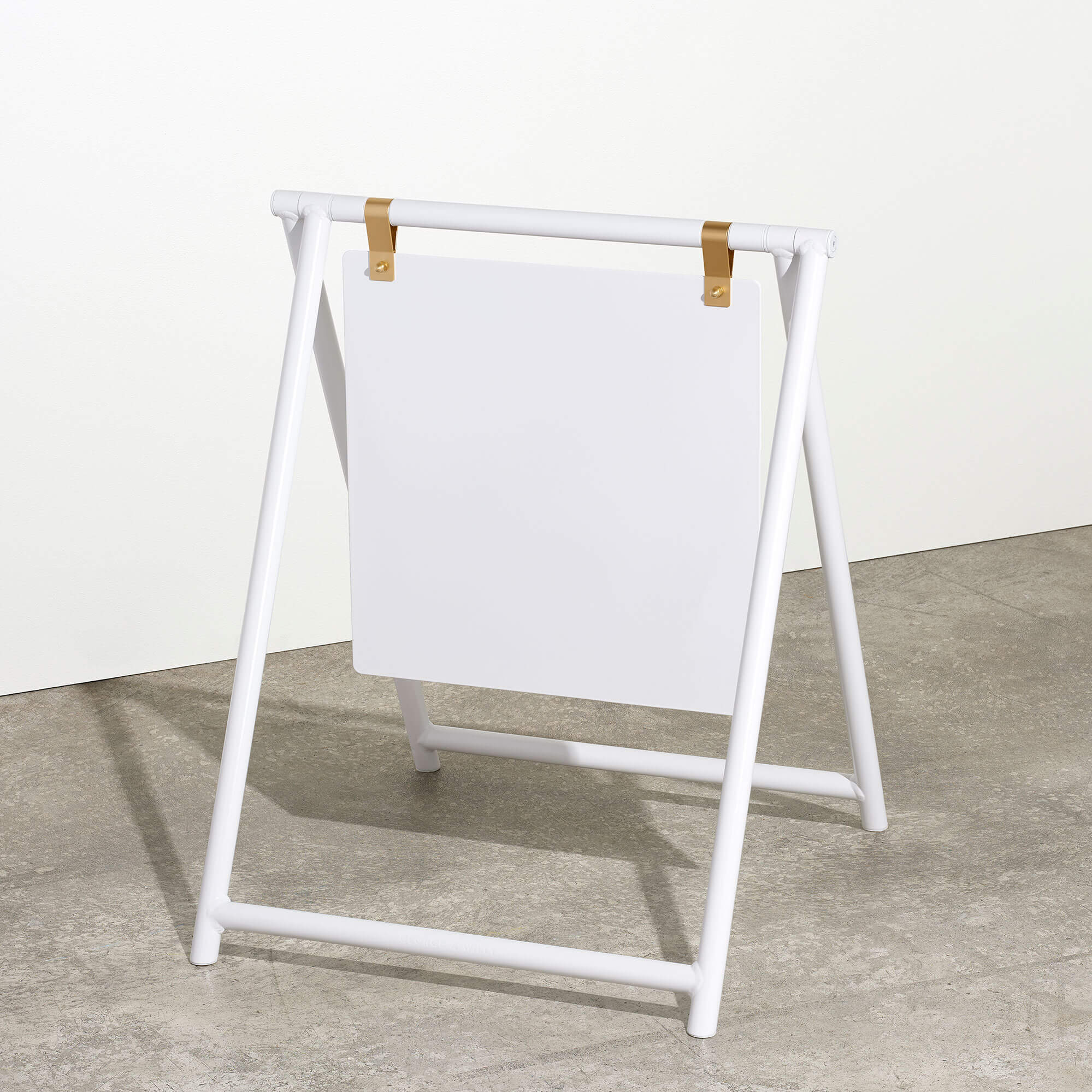
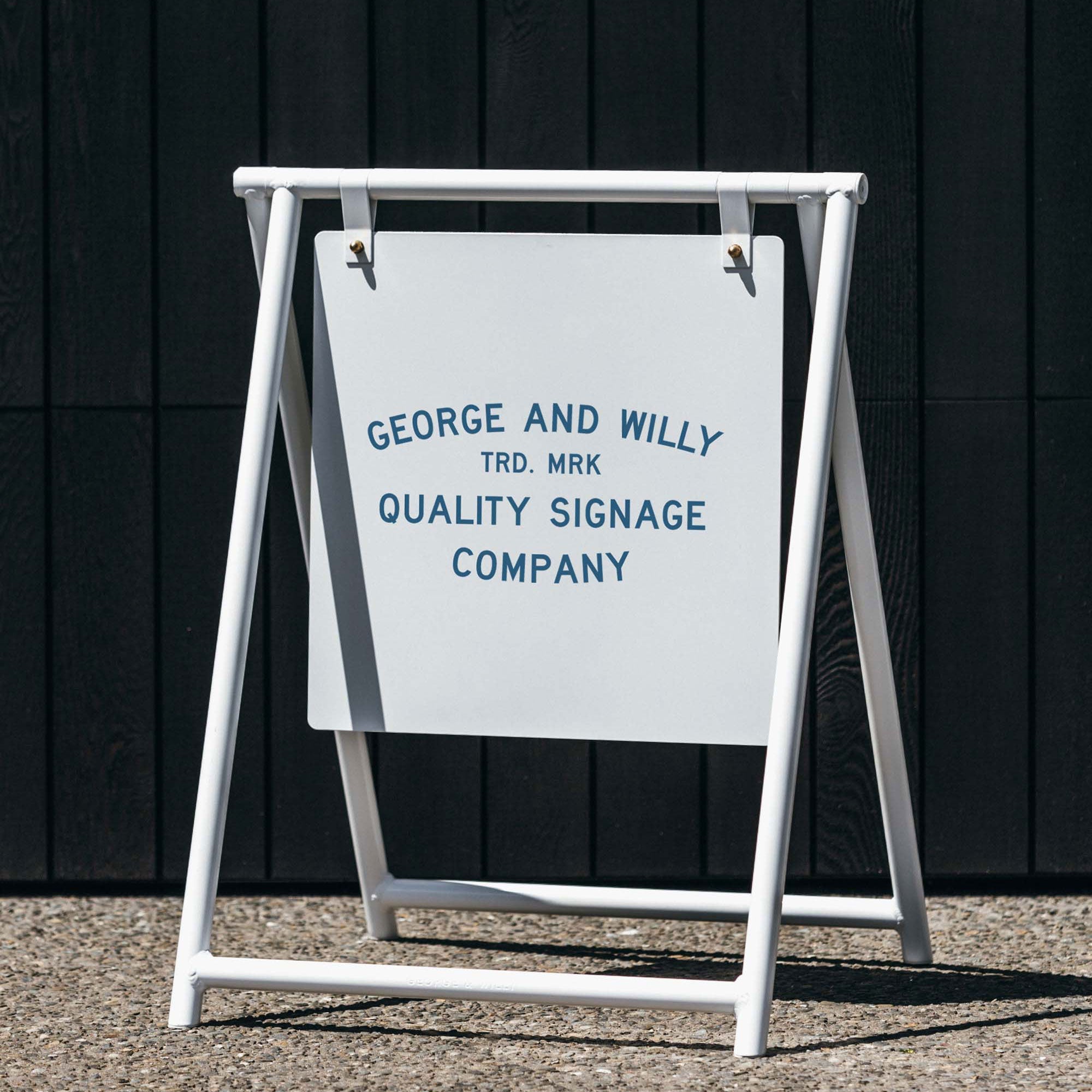
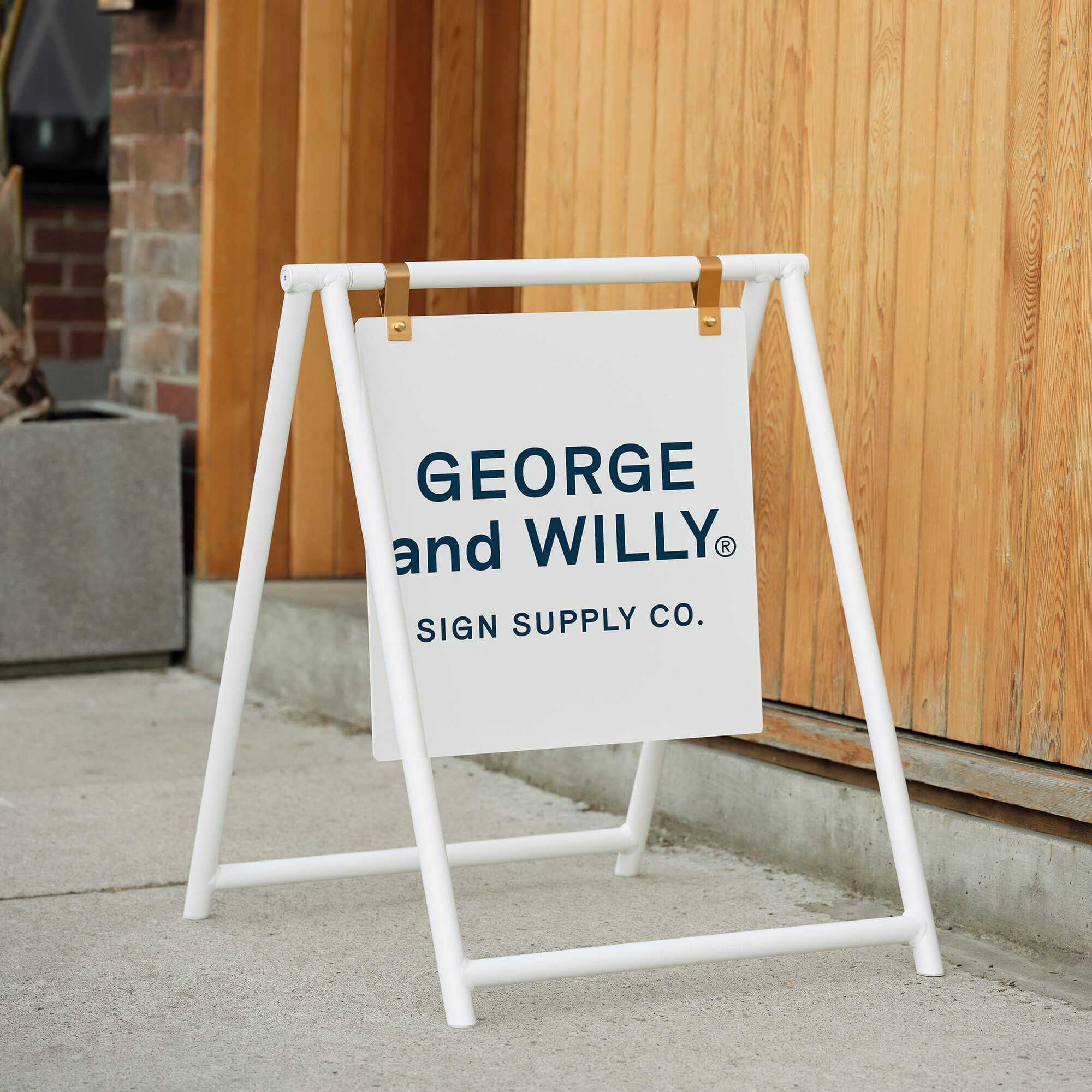
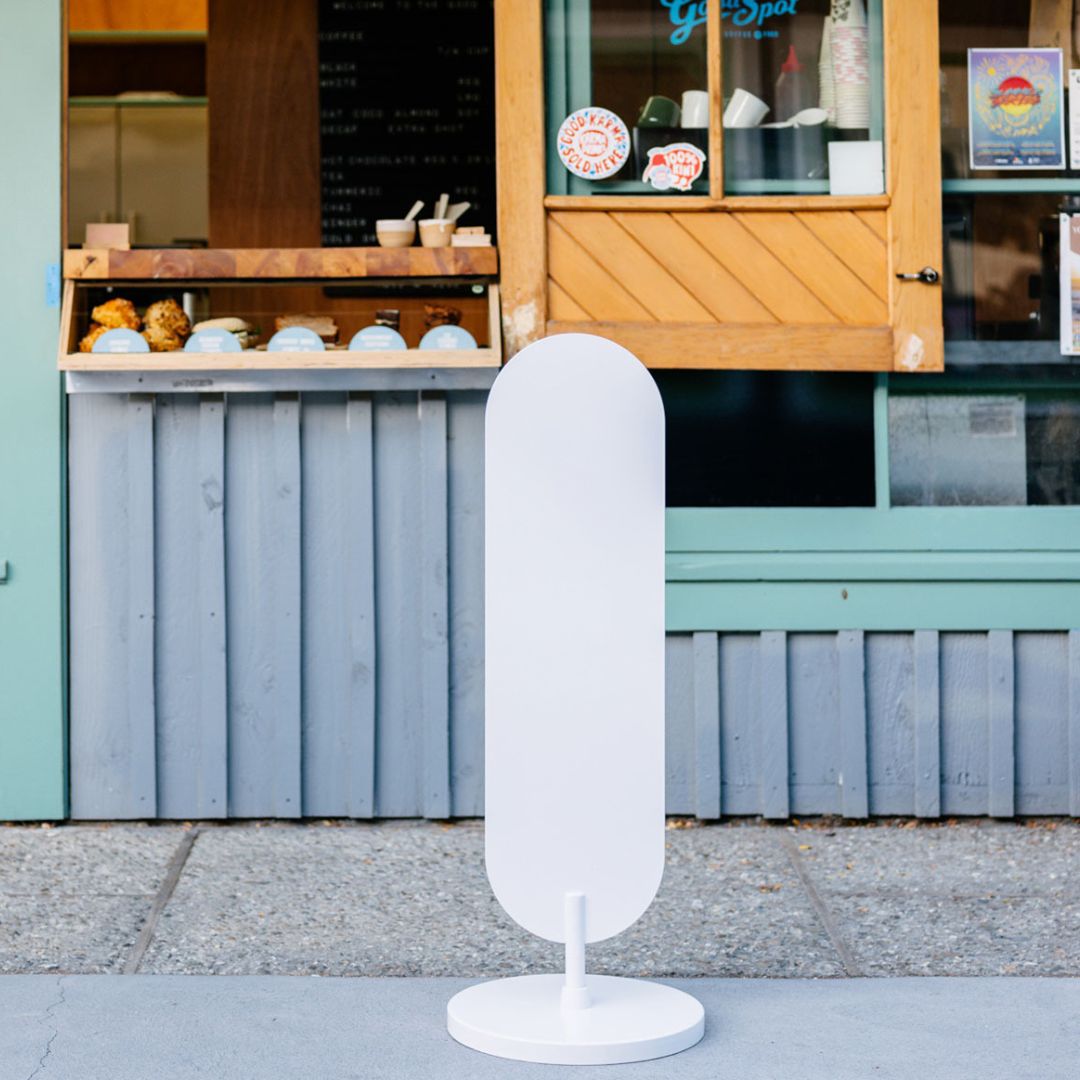
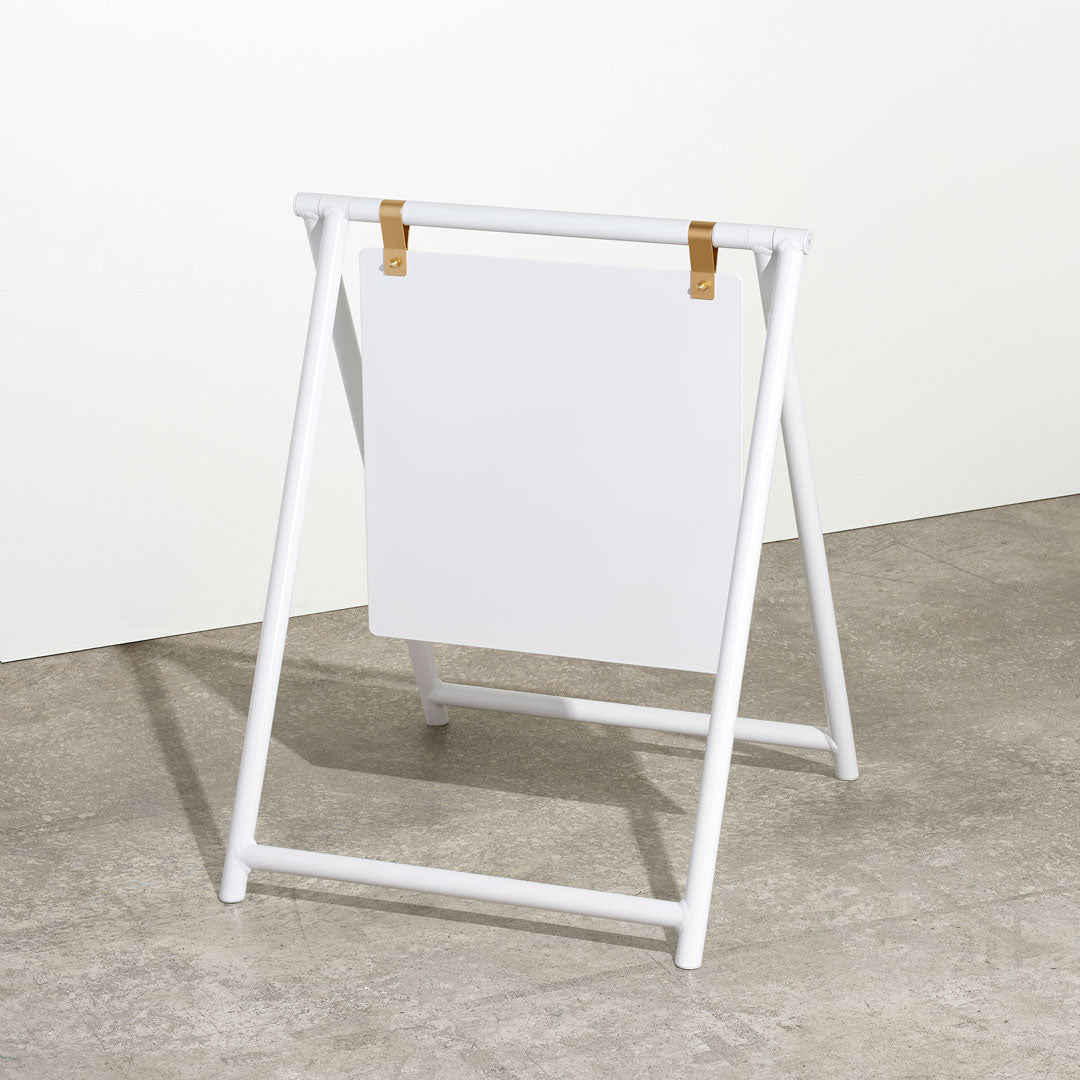
For properties with high foot traffic, like condos or homes in walkable neighborhoods, an A frame sidewalk sign is an invaluable tool. It’s a friendly invitation placed right at eye level for pedestrians. Research in retail shows that 76% of consumers have entered a store for the first time simply because a sign caught their attention. A stylish and sturdy A frame sign can have the same effect for an open house.
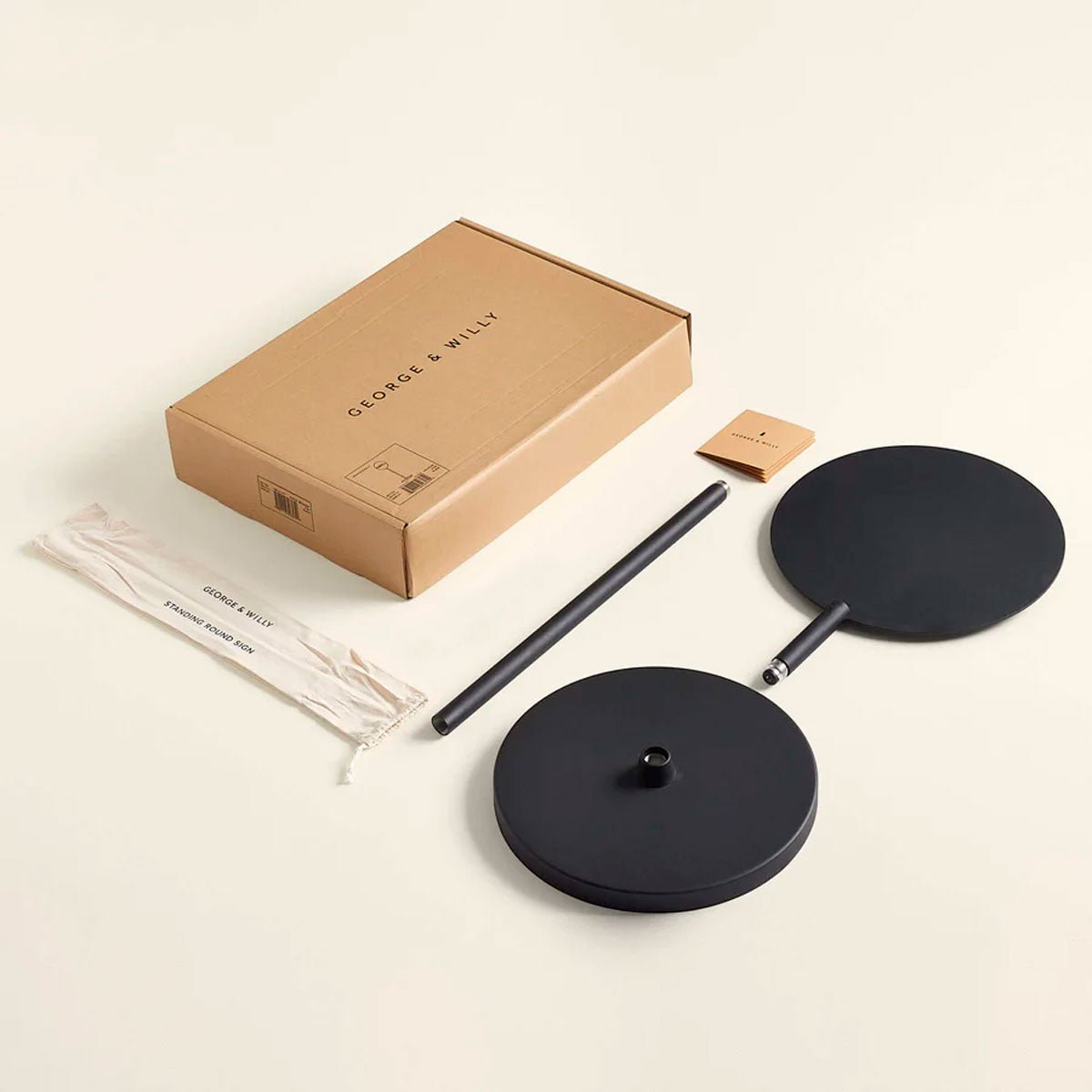
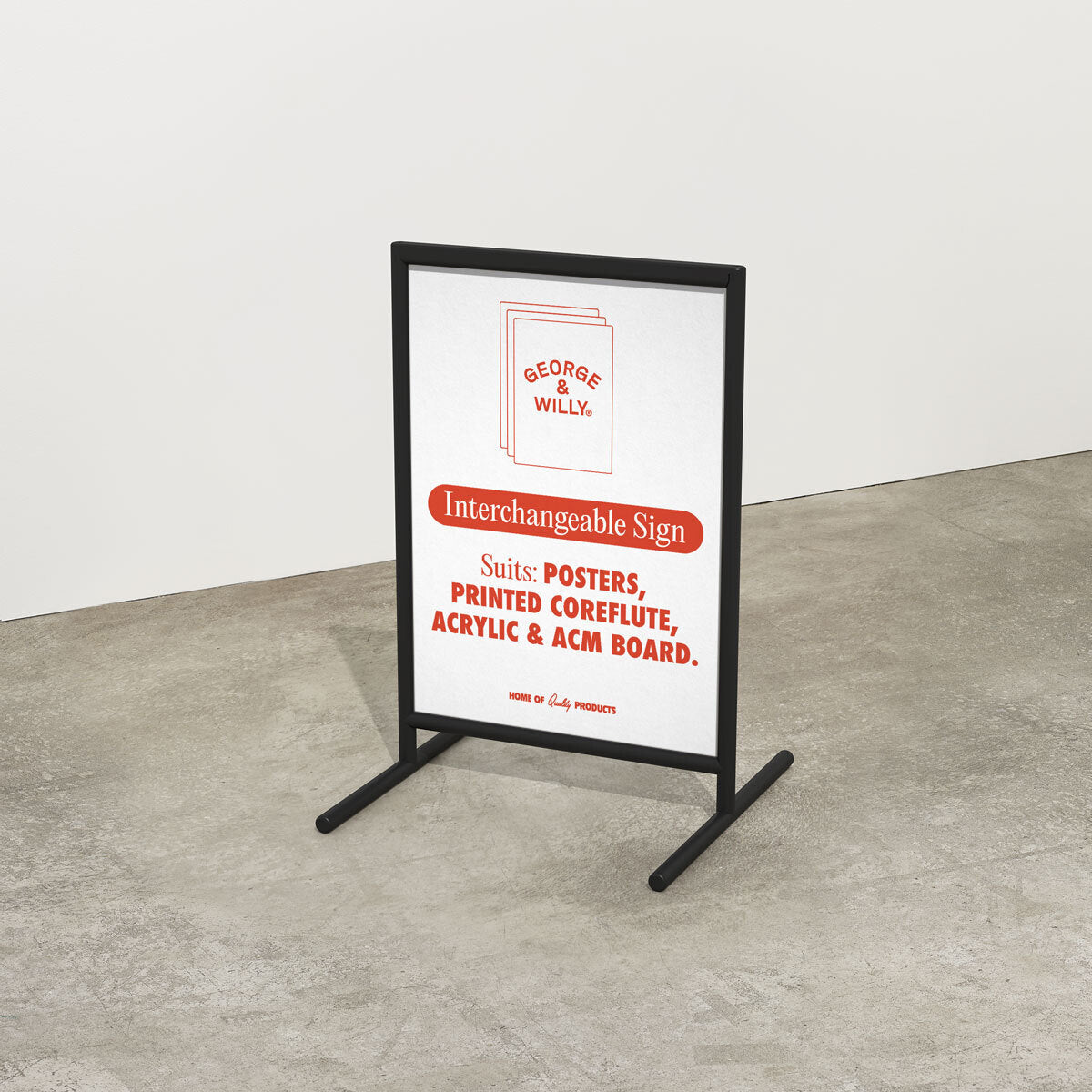
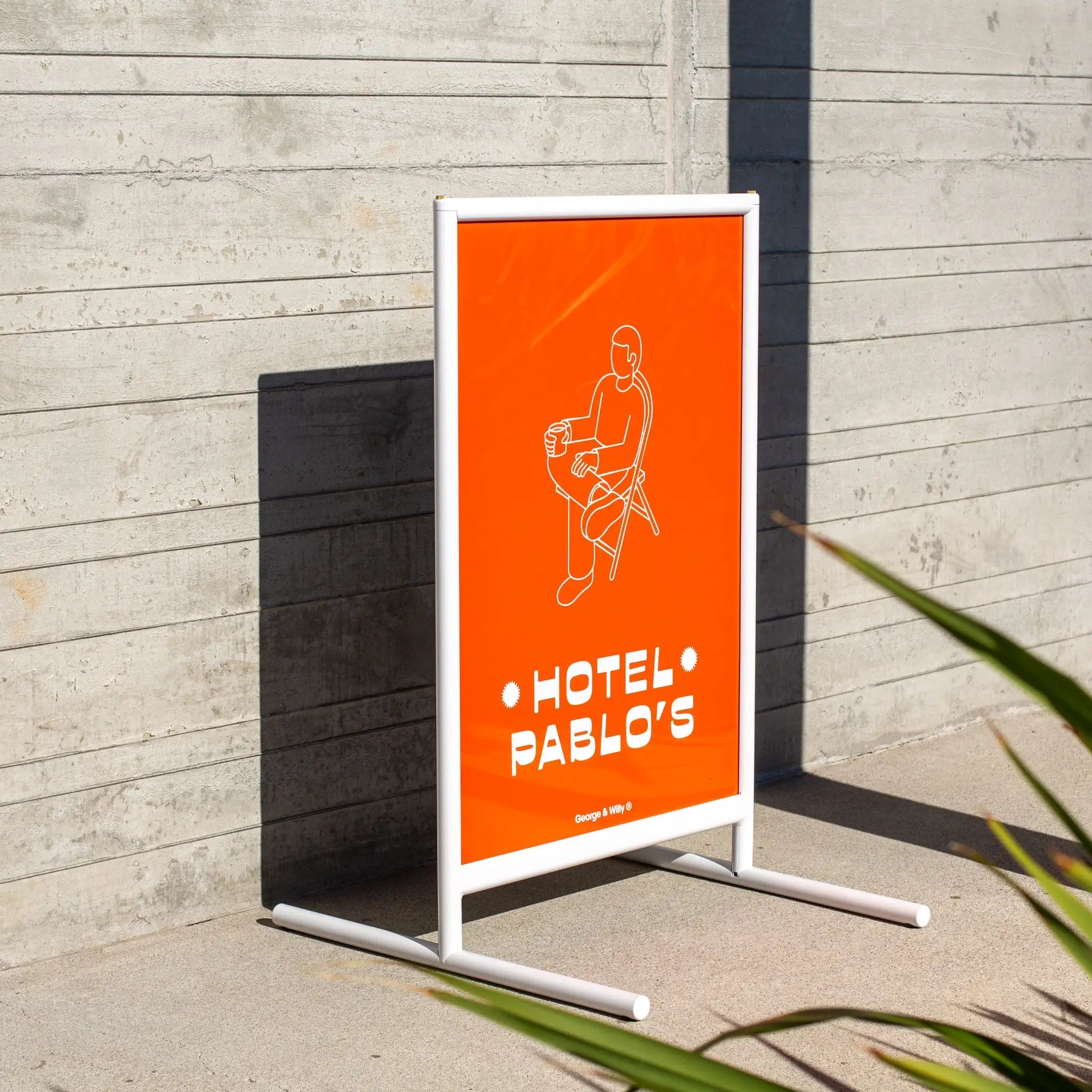
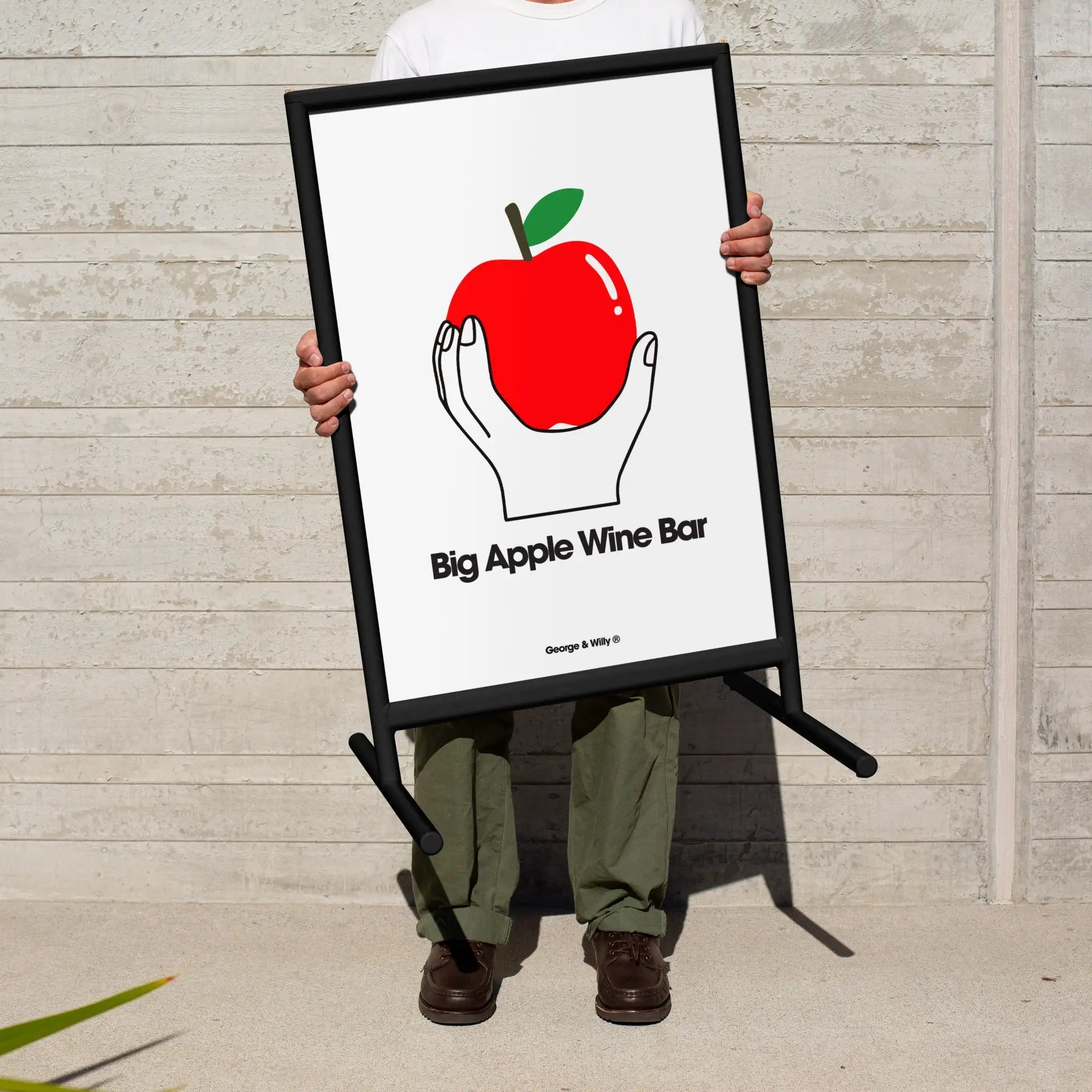
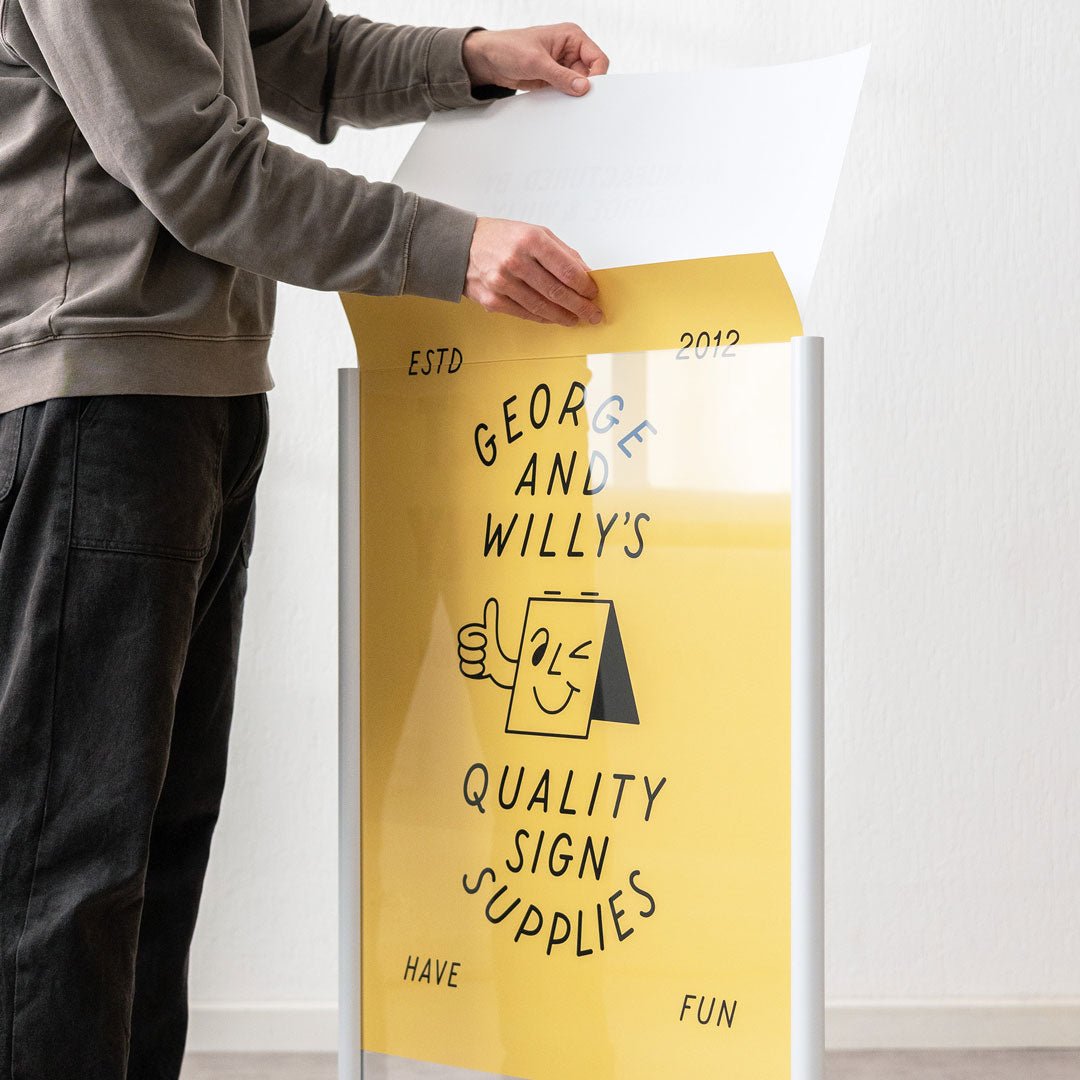
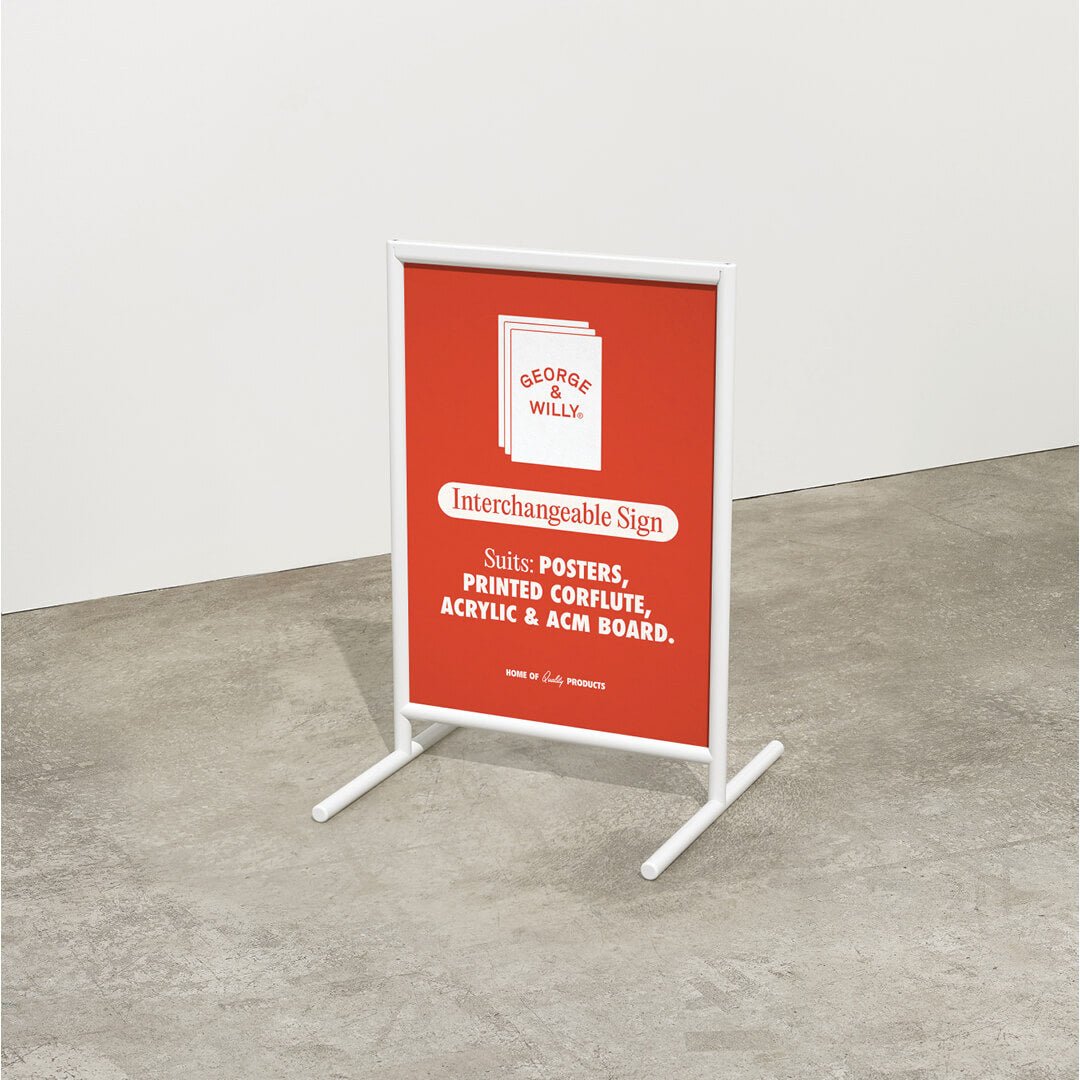
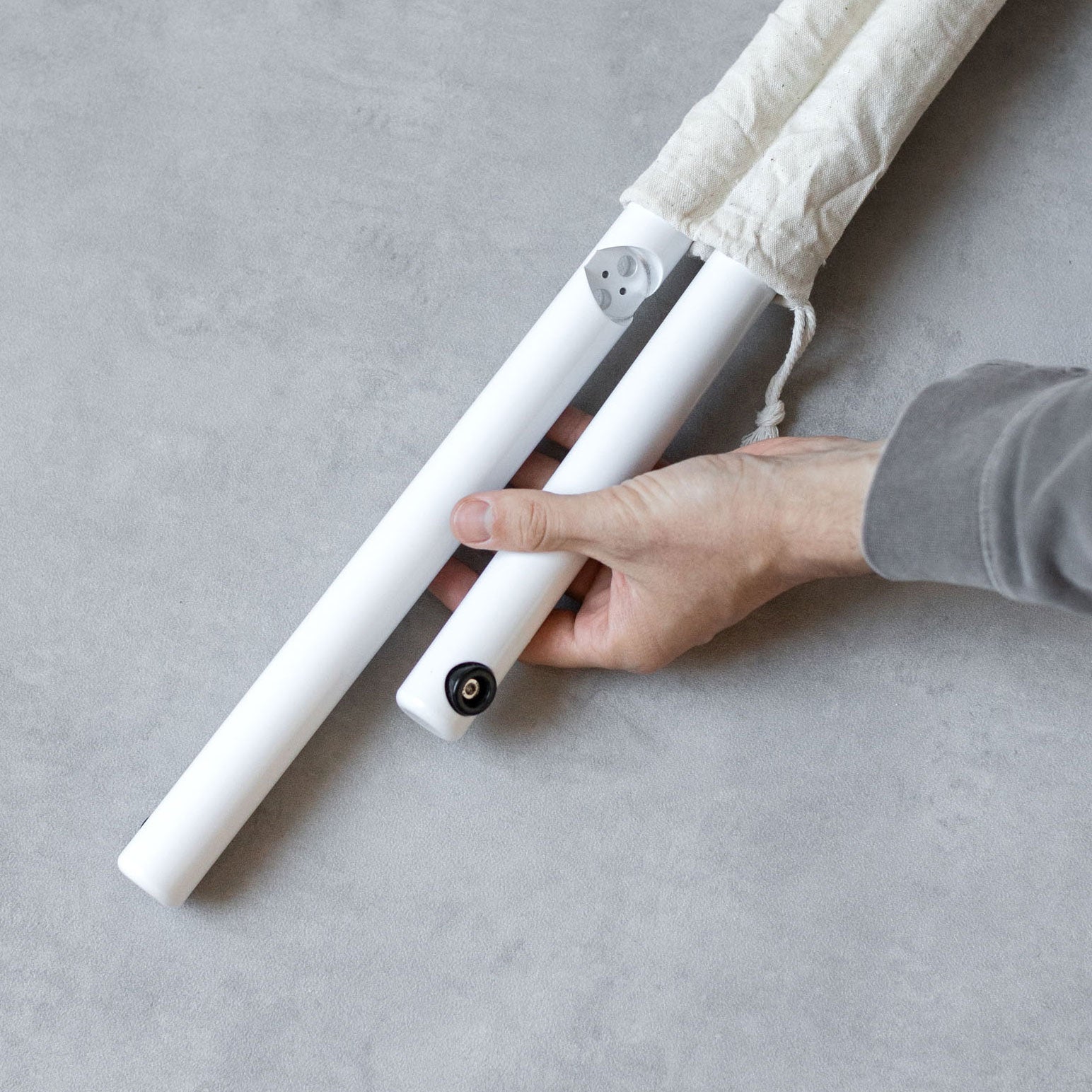
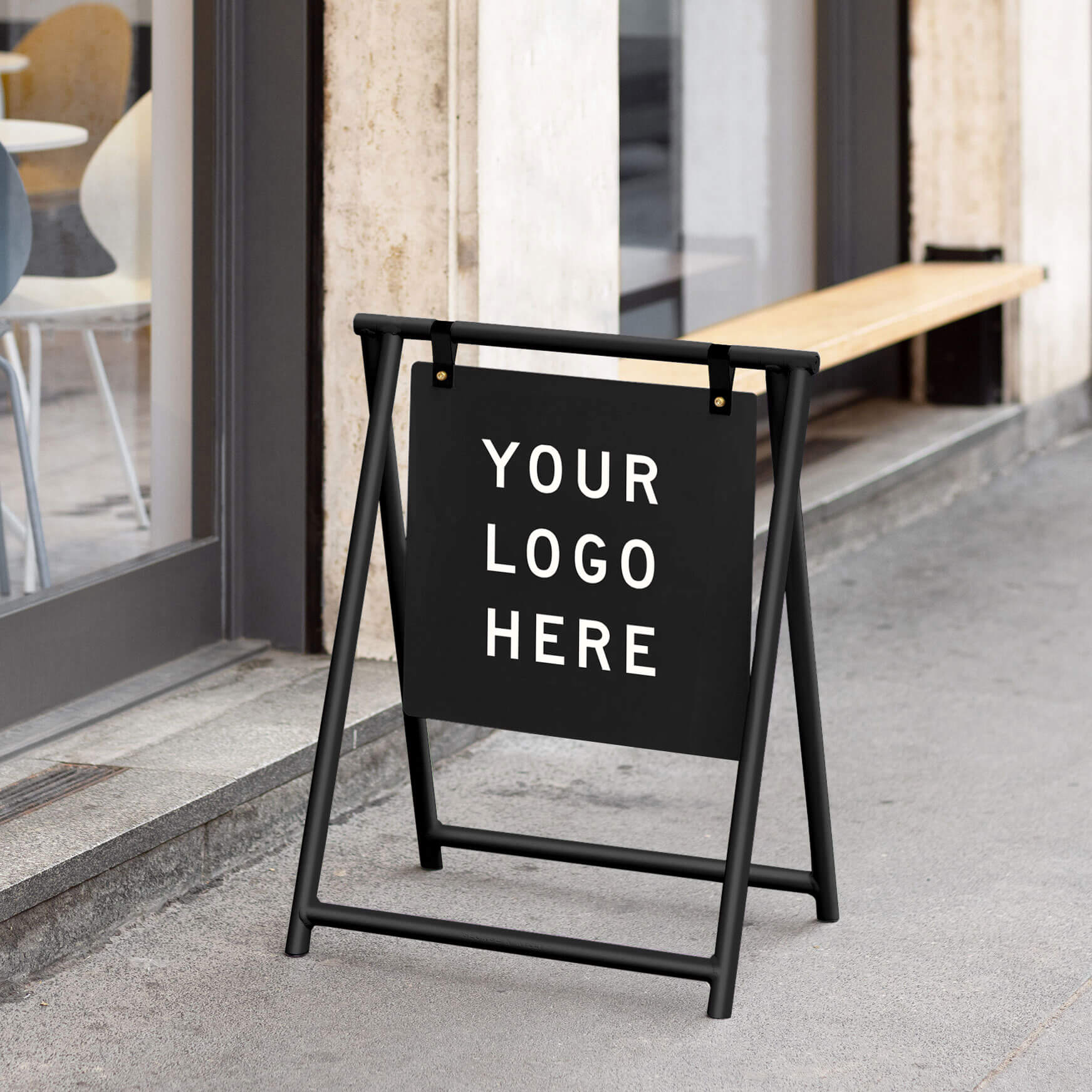
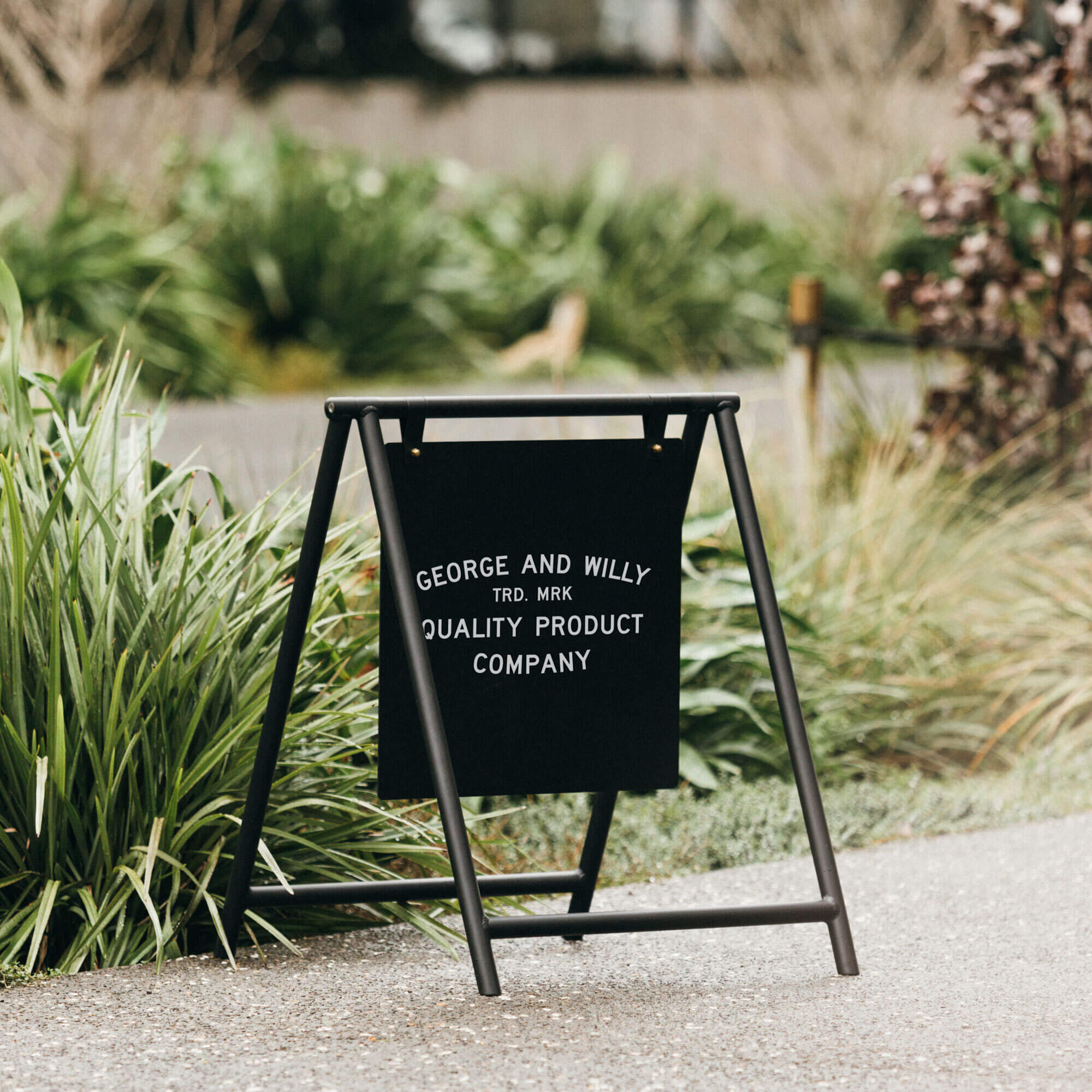
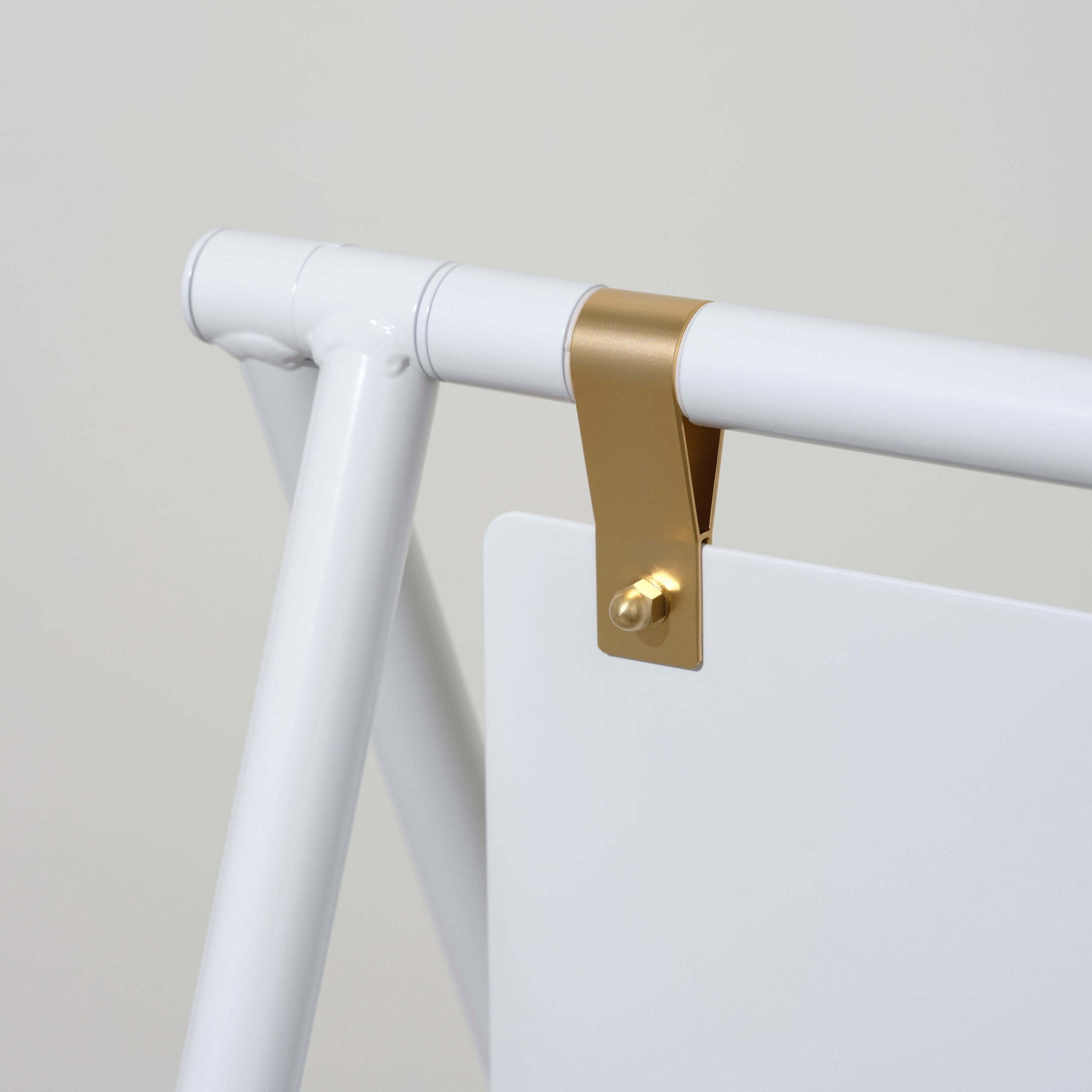
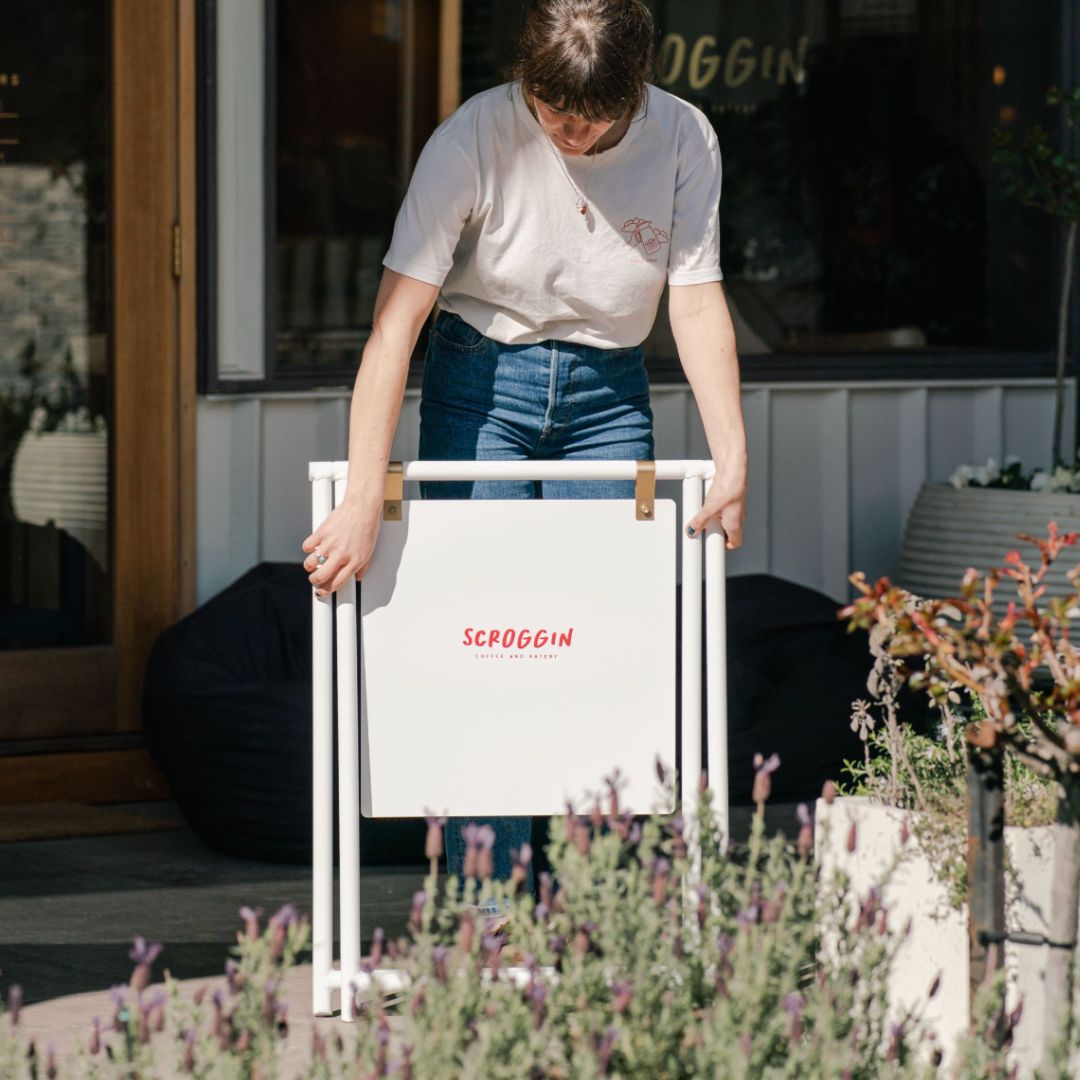
For a modern and durable option, consider an unbranded, minimalist A frame sign. These arrive as a blank canvas, perfect for applying your own vinyl logo and creating beautiful real estate signs custom to your brand. You can find high quality, powder-coated aluminum options at George & Willy, and if you prefer a softer silhouette, the Rounded Sidewalk Sign is a great alternative for open houses.
High Impact Banners and Flags
When you need to make a big statement, banners and a Flag Sign are the way to go. A large banner is perfect for new developments or properties with long road frontage. A tall feather flag, with its constant movement, is nearly impossible to miss and adds a sense of excitement to an open house. The simple rule for flags is to keep the message brief, just a few bold words like “Open House” or “Now Selling.”
Mobile and Alternative Signage
Think beyond the front yard to expand your reach.
Car Magnet: A car magnet turns your vehicle into a mobile billboard. A single vehicle wrap or sign can generate between 30,000 and 70,000 impressions in a single day, making it a highly efficient branding tool.
Window Decal: For condos or storefronts where a yard sign isn’t an option, a window decal is a perfect solution. It uses the property’s own windows to advertise the listing to passersby.
Digital Display: A digital display in a window can showcase a rotating slideshow of property photos or a video tour. Digital signs are incredibly engaging, capturing 400% more views than static signs.
The Foundation of a Great Sign: Frames and Posts
The way you display your sign is just as important as the sign itself. The right hardware not only ensures stability but also contributes to the overall professional image of your listing.
Metal Frames for Durability
For most standard yard signs, a sturdy metal frame is the workhorse of the industry. Angle iron frames are strong, affordable, and easy to install. They are typically powder coated to resist rust, ensuring they can be reused for many listings. Look for frames that also have a slot for a sign rider, the small additional panel used for details like “Open House” or “Price Reduced.”
Colonial and Cross Arm Posts for a Premium Feel
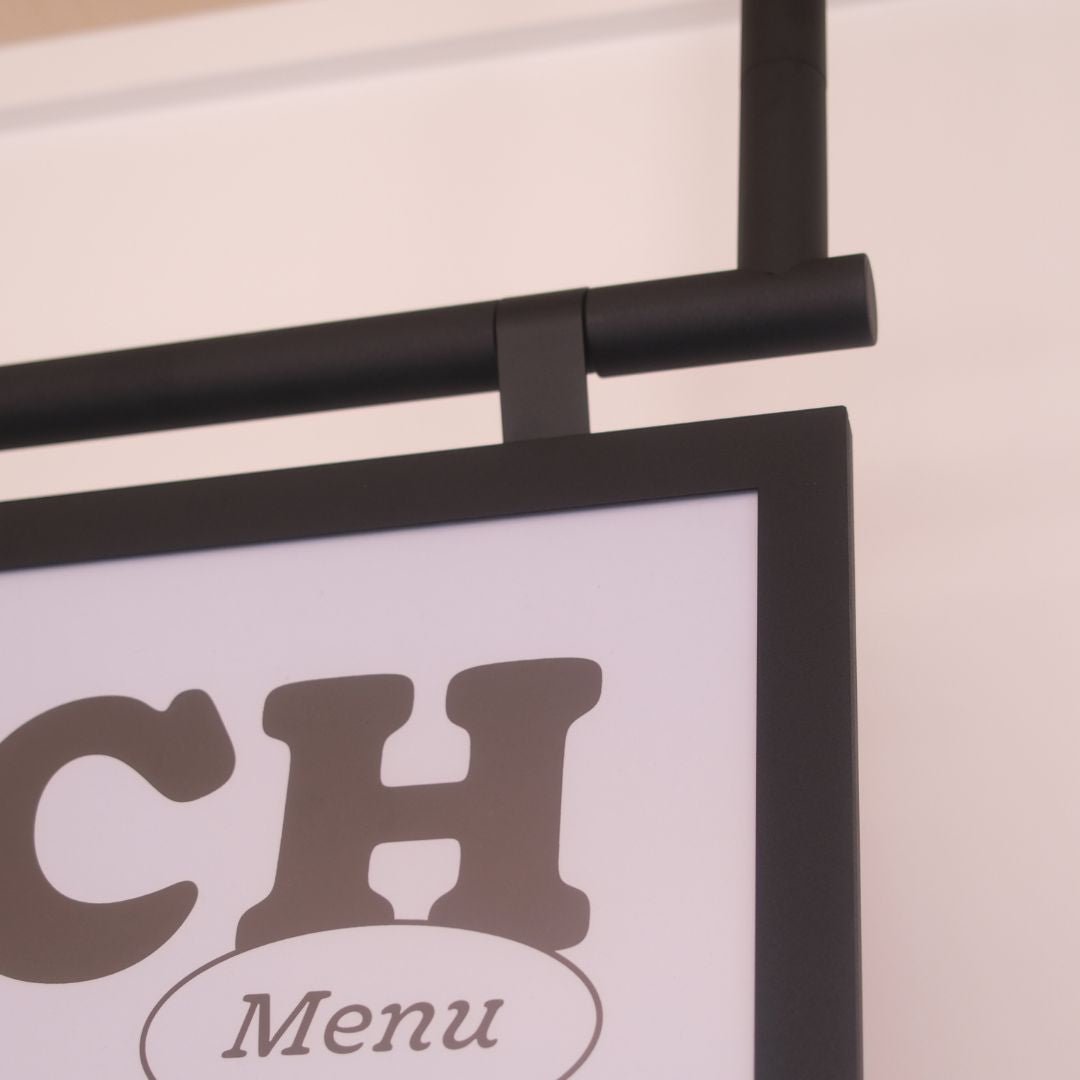
For a more upscale presentation, a colonial post or cross arm post is an excellent choice. This classic setup, where the sign hangs from an arm, elevates the sign for better visibility over landscaping and parked cars. It conveys a sense of quality and permanence that is perfect for high end properties. These posts create a polished look that can truly enhance your real estate signs custom design.
A Guide to Real Estate Sign Materials
Choosing the right material for your real estate signs custom order depends on your budget, how long the sign needs to last, and the look you want to achieve.
Aluminum and Aluminum Composite for Longevity
If you want a sign that will last for years, an aluminum sign is the gold standard. Aluminum is completely rust proof and durable, often outlasting the vinyl graphics applied to it. For an even better option, aluminum composite panels offer the strength of aluminum at about half the weight. These panels consist of two aluminum sheets bonded to a rigid plastic core, making them incredibly flat, strong, and weather resistant for up to a decade.
Reflective Aluminum for 24/7 Visibility
To make sure your sign works day and night, consider reflective aluminum. This material uses a special film that reflects light from headlights, making your sign glow in the dark. It is a fantastic way to capture the attention of people driving by in the evening, especially during months with less daylight.
Corrugated Plastic for Budget Friendly Campaigns
For temporary signs like directional arrows or event notices, corrugated plastic is the most economical choice. It is lightweight, waterproof, and incredibly affordable, with signs costing just a few dollars each in bulk. While not as durable as aluminum, a corrugated plastic sign typically holds up well for 12 to 18 months outdoors, making it perfect for short term use.
PVC Foam Board for Indoor Use
PVC foam board offers a smooth, matte finish that is excellent for high resolution printing. It is ideal for indoor displays, such as on an easel at an open house or for informational signs inside a model home. While it can be used outdoors for very short periods, it is not designed to withstand prolonged sun and heat, which can cause it to warp.
Pro Tips for Maximum Impact
With your sign type and material selected, a few final touches will ensure your message hits home. Getting the final details right is what makes professional real estate signs custom-made for agents so effective.
Size Matters: Why 18x24 Inches is the Standard
The most common for sale sign size is 18x24 inches, and for good reason. This dimension offers the perfect balance of visibility and portability. It is large enough to be read from the street but compact enough to handle easily. Plus, most frames, posts, and sign riders are designed to fit this standard size, making it simple to find compatible hardware.
Double Sided Printing for Maximum Exposure
Unless your sign is mounted against a wall, it should always have double sided printing. This simple upgrade ensures your message is visible to traffic coming from both directions, effectively doubling your sign’s exposure for only a small additional cost. The main benefit of a double sided sign is maximizing your visibility from every possible angle.
Proper Installation and Setup
A leaning or fallen sign looks unprofessional. Before you begin your installation and setup, check the ground conditions. For hard soil, you may need a mallet or a pilot hole. Always check local ordinances, as many cities have rules about where signs can be placed (for example, not on public right of ways). A stable, legally placed sign will work for you without any issues.
Add a Brochure Box for Take Home Info
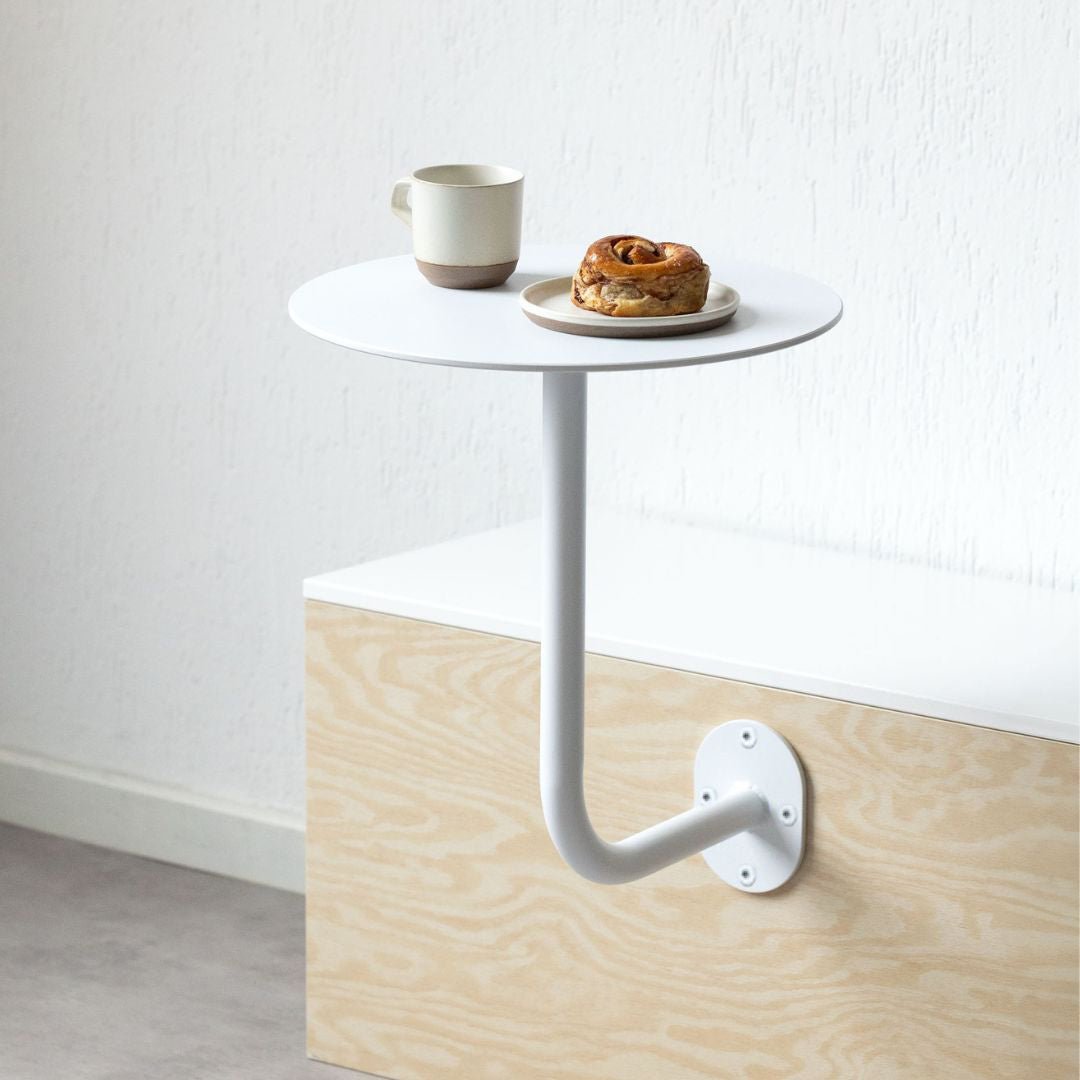
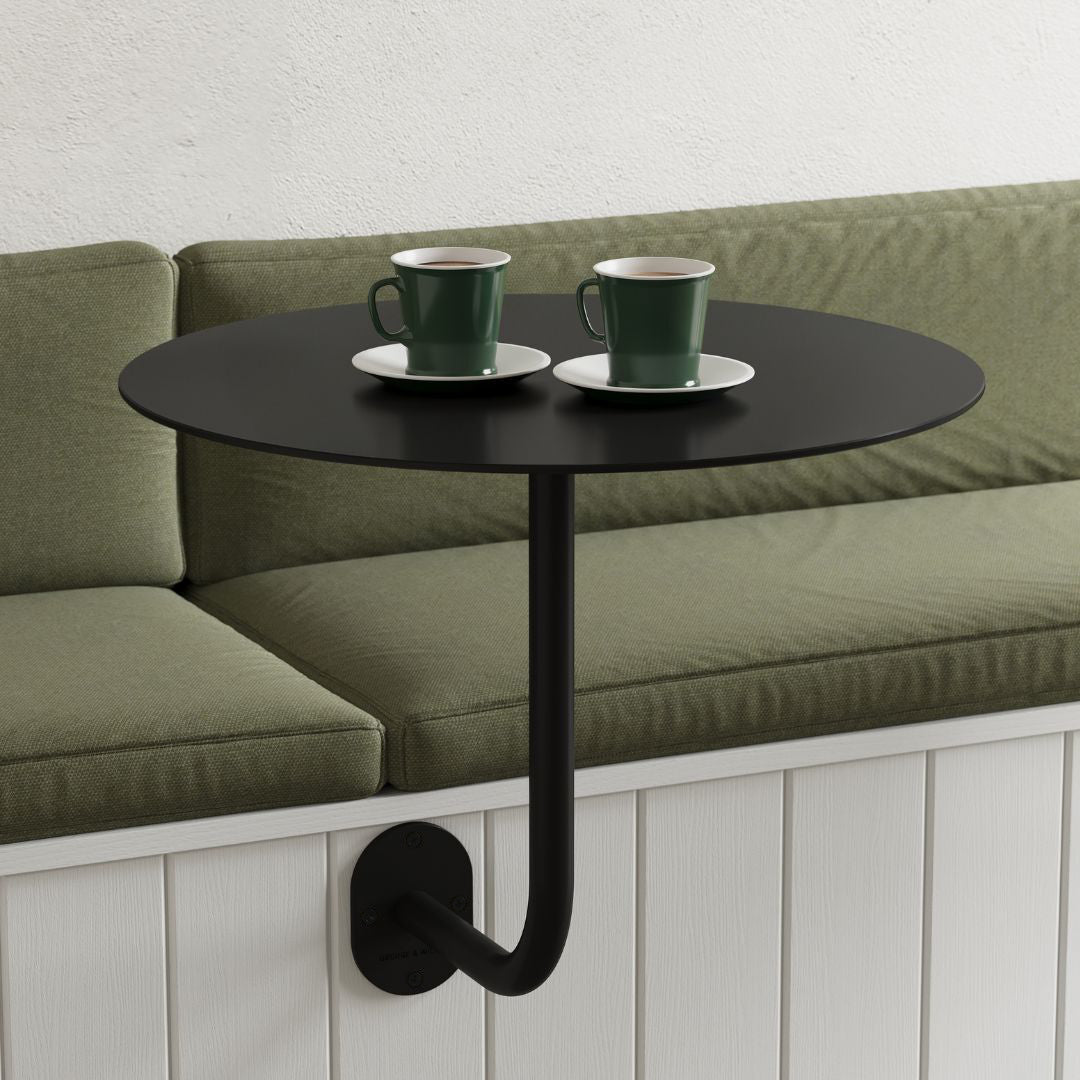
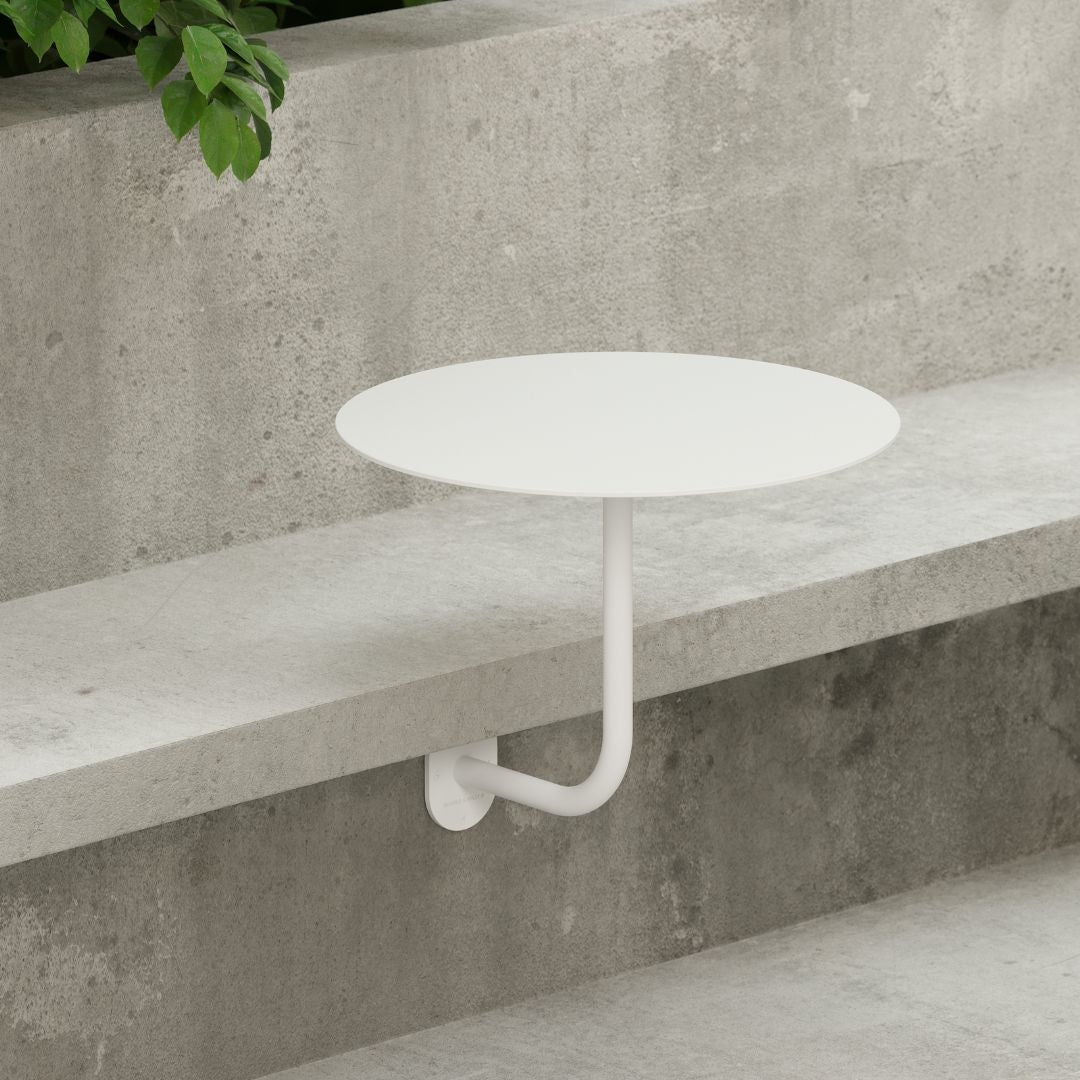
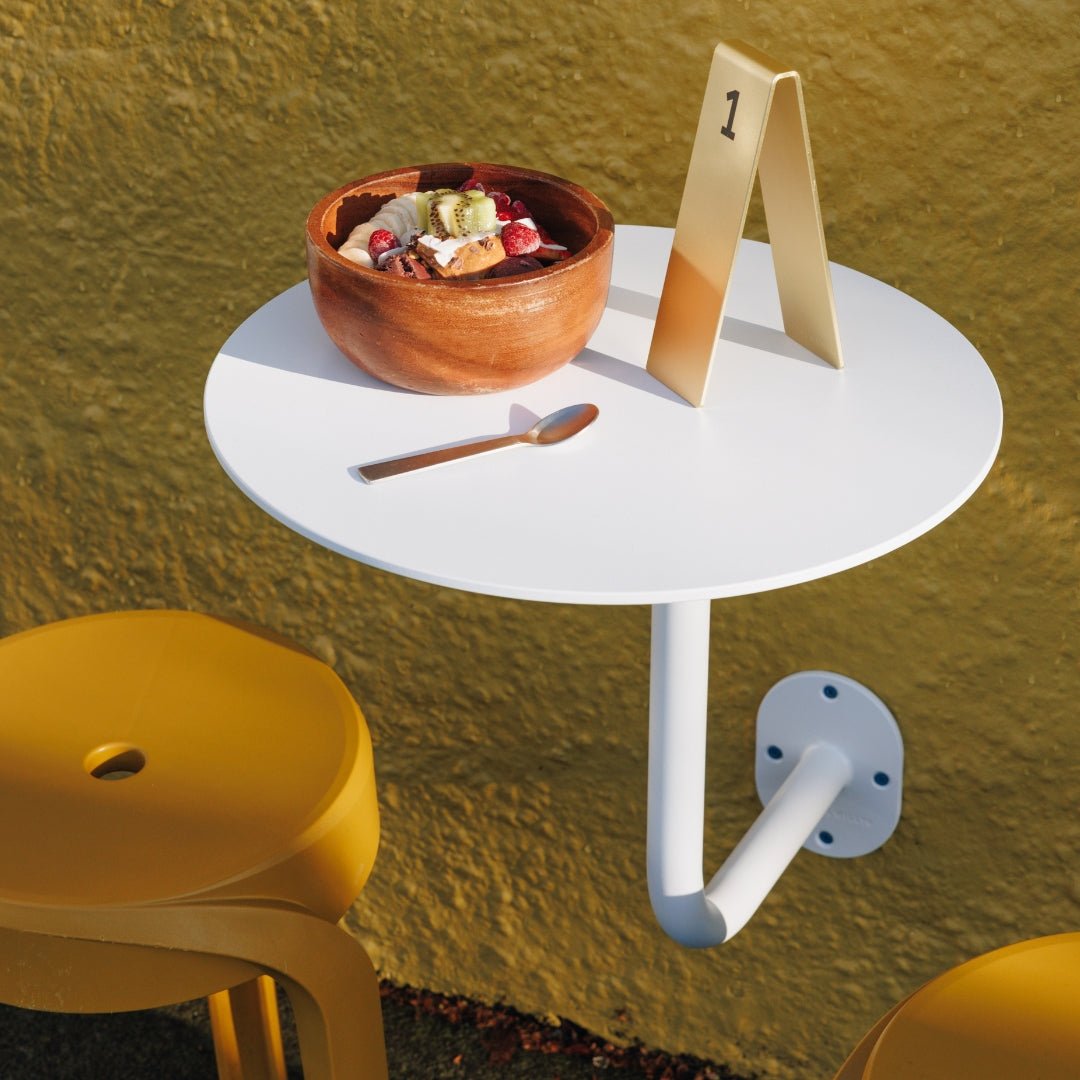
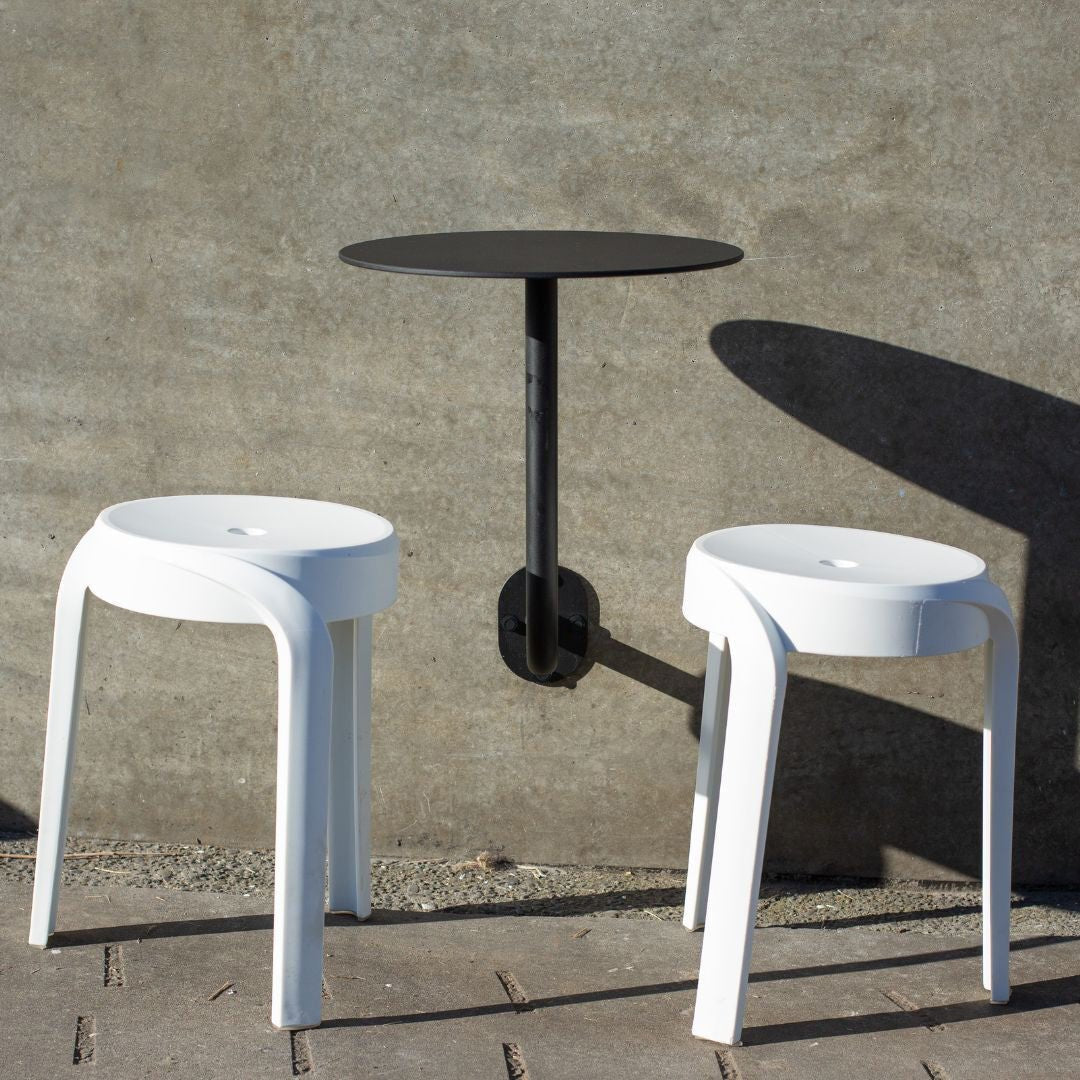
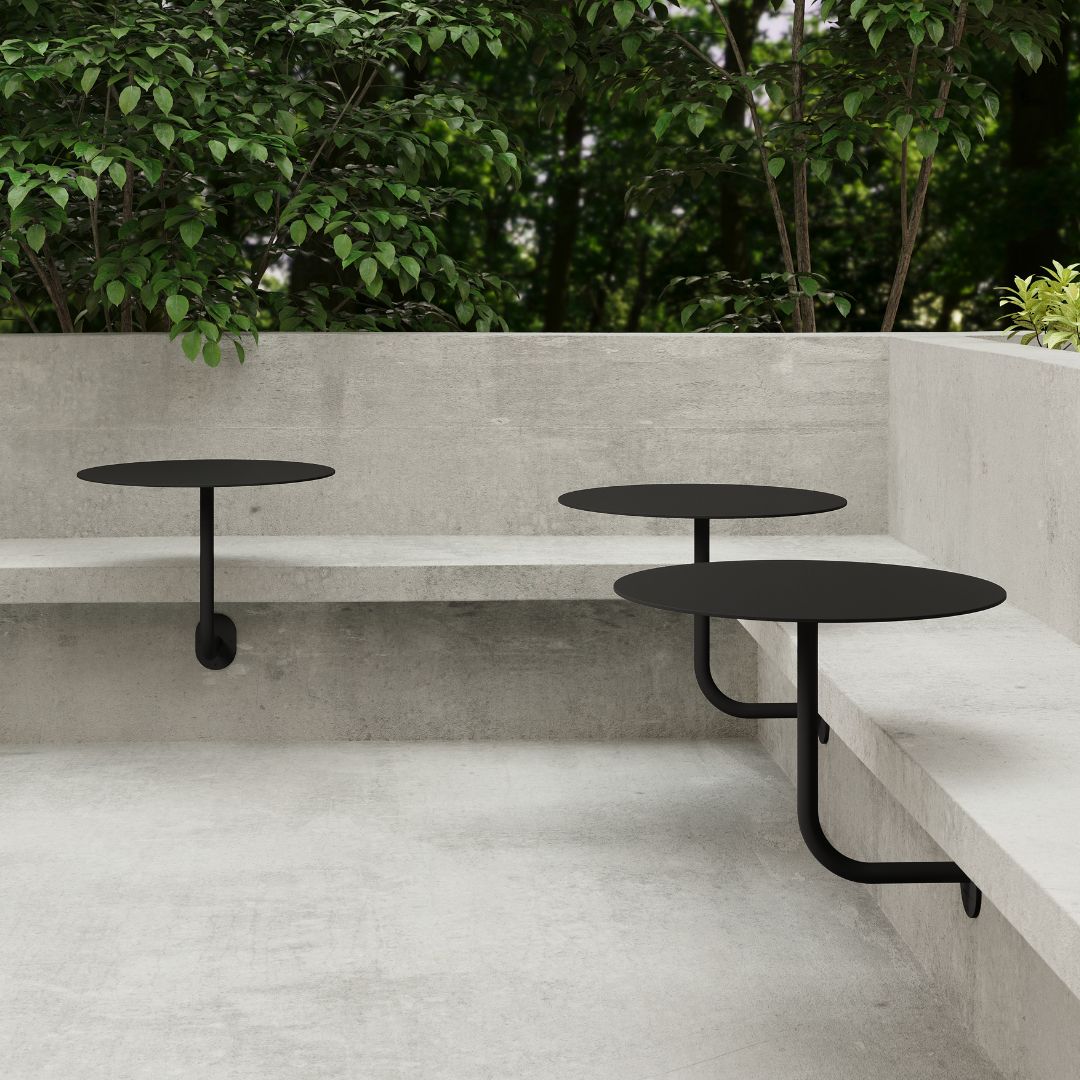
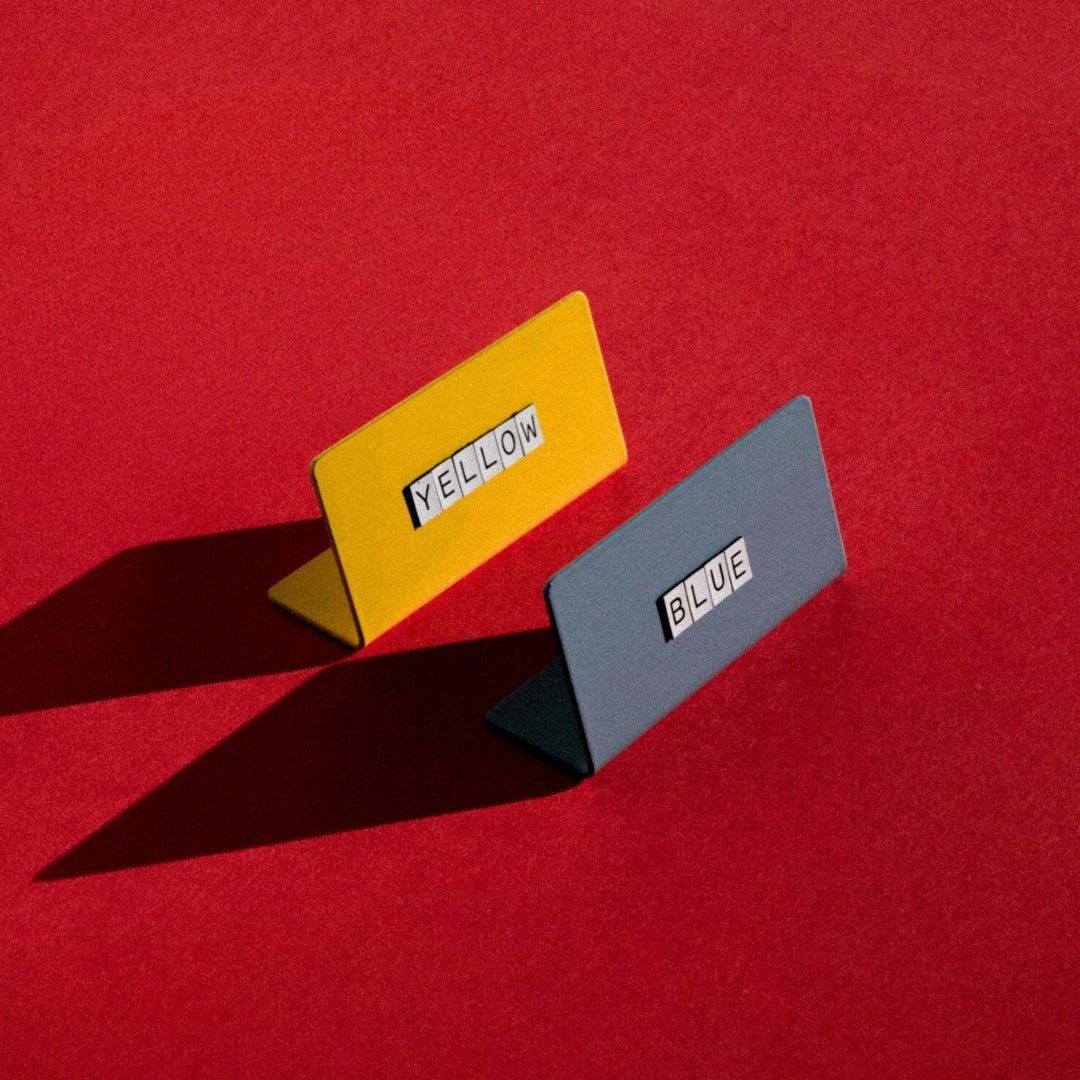
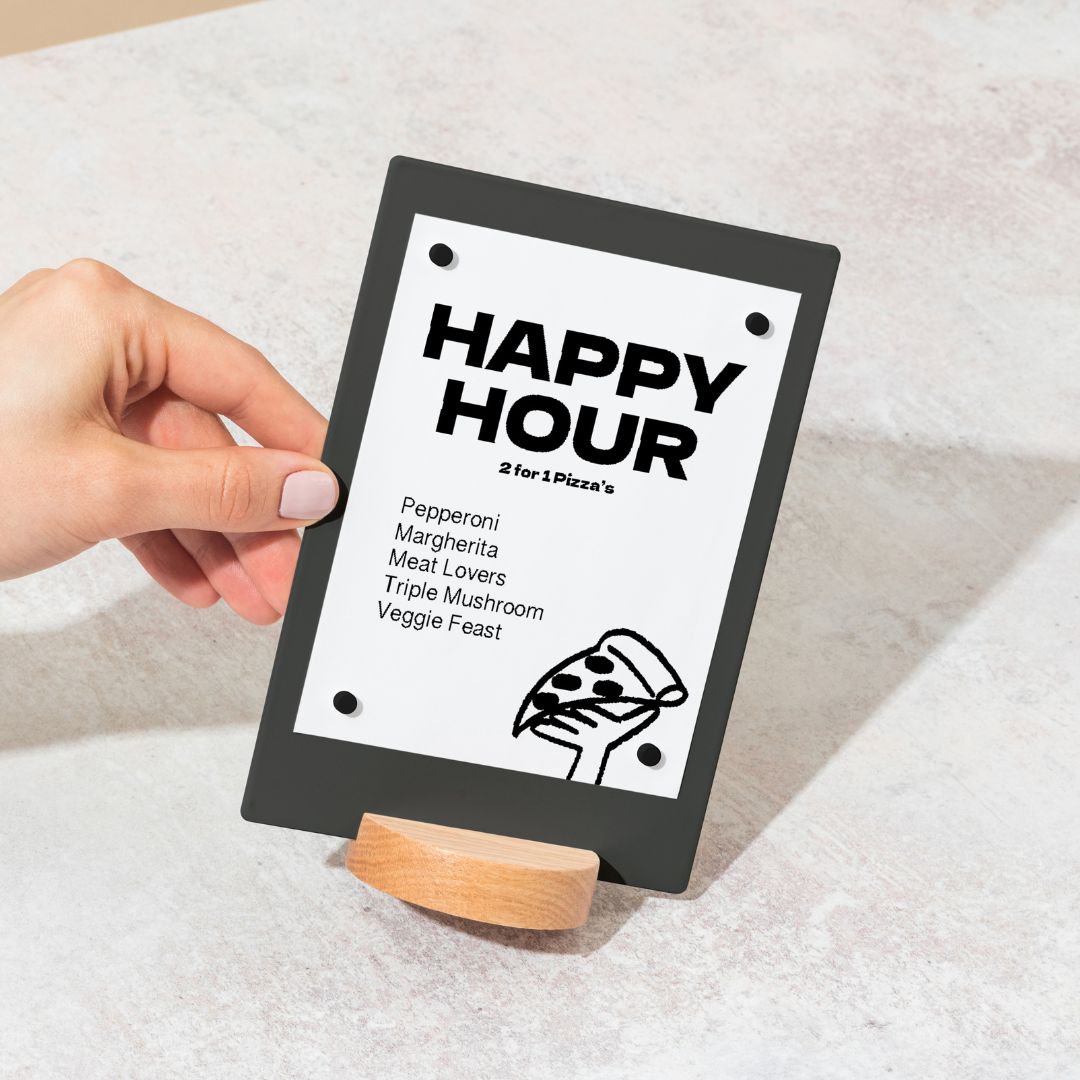
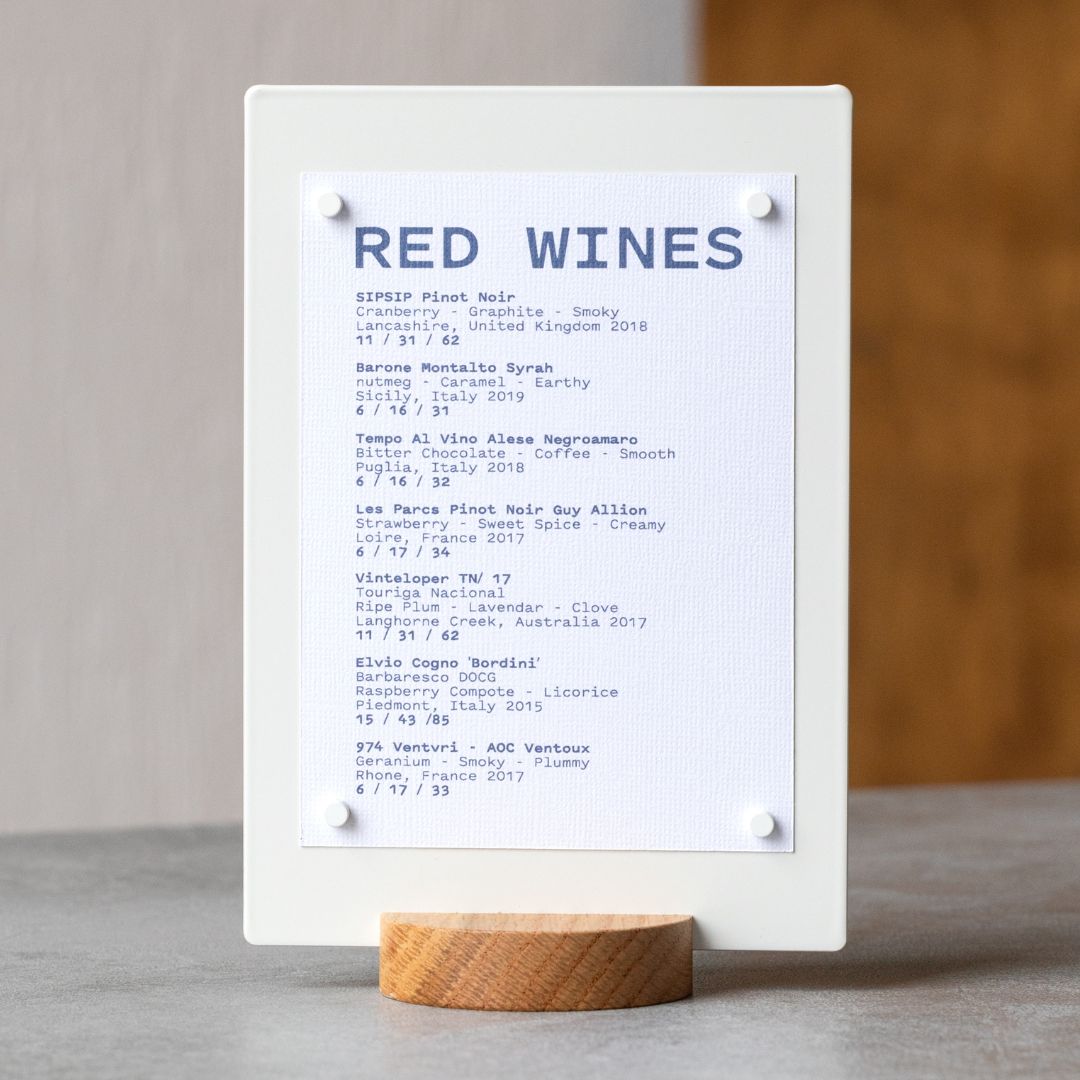
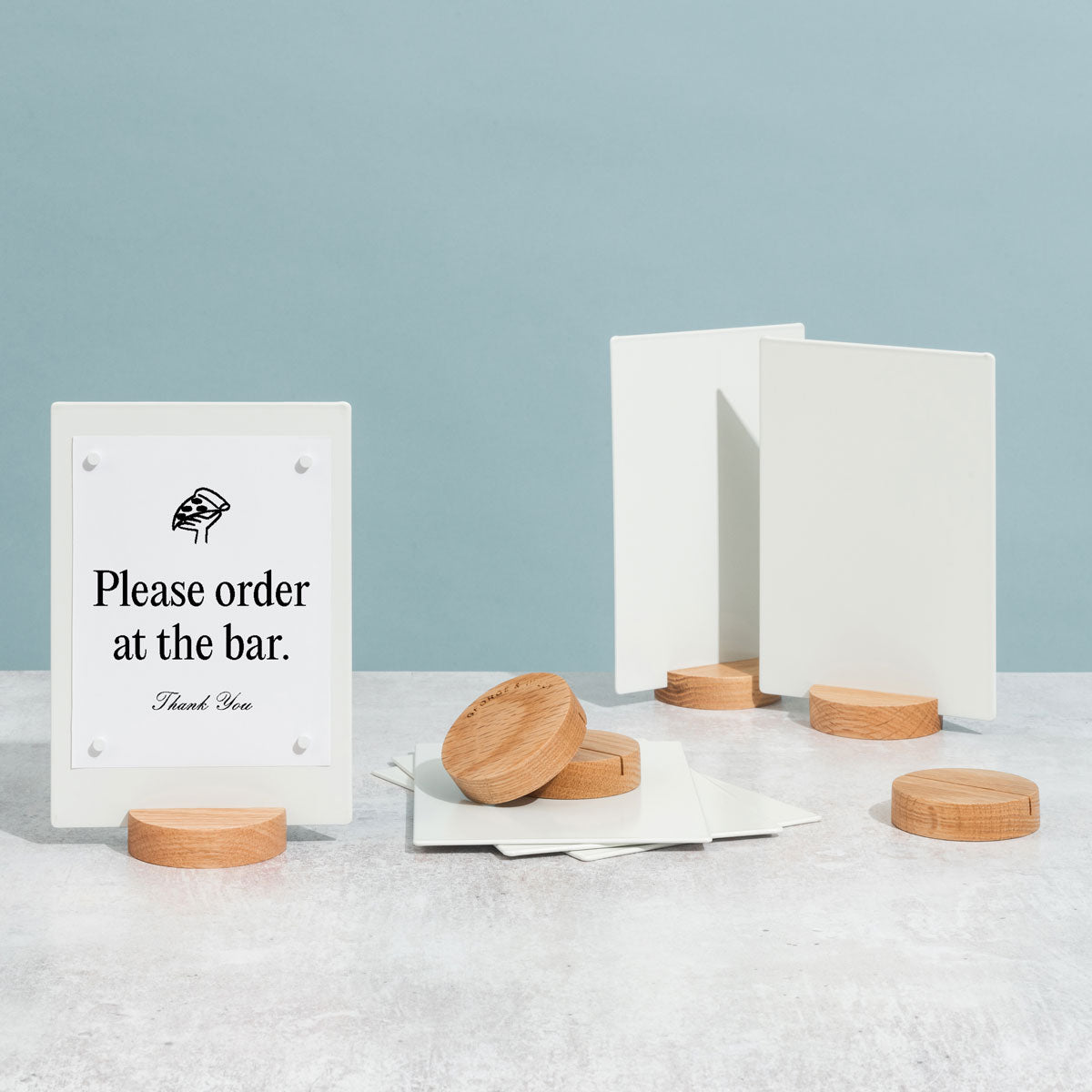
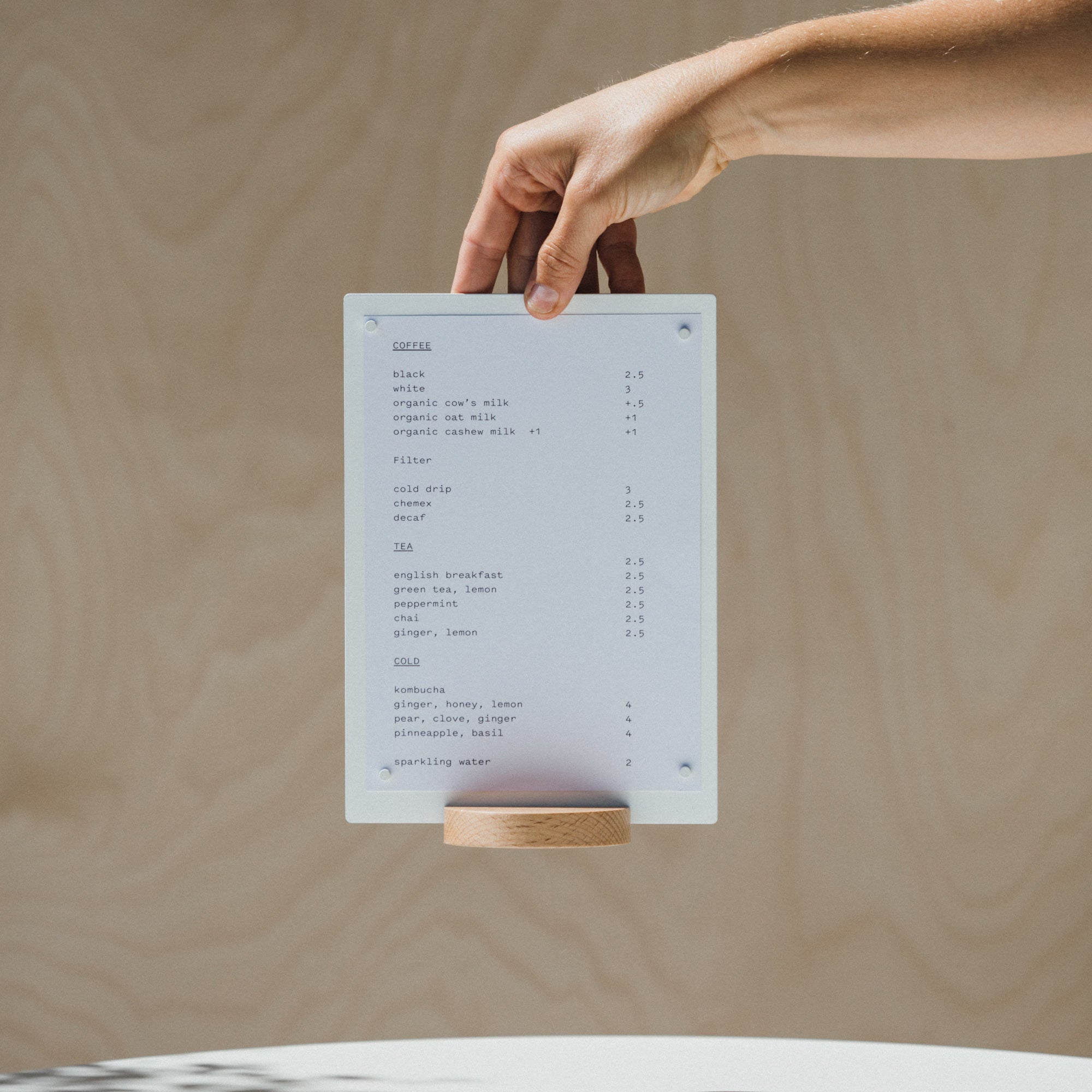
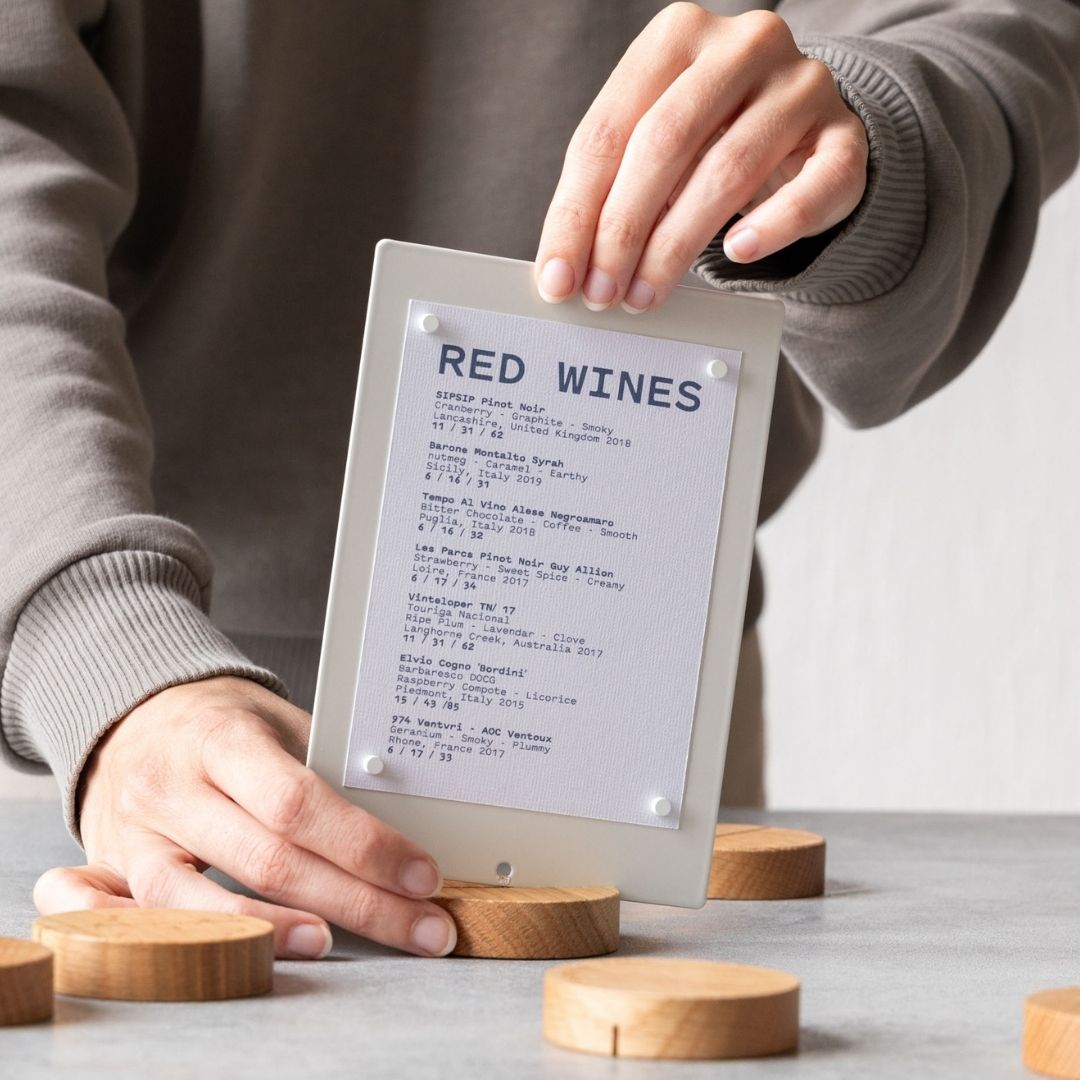
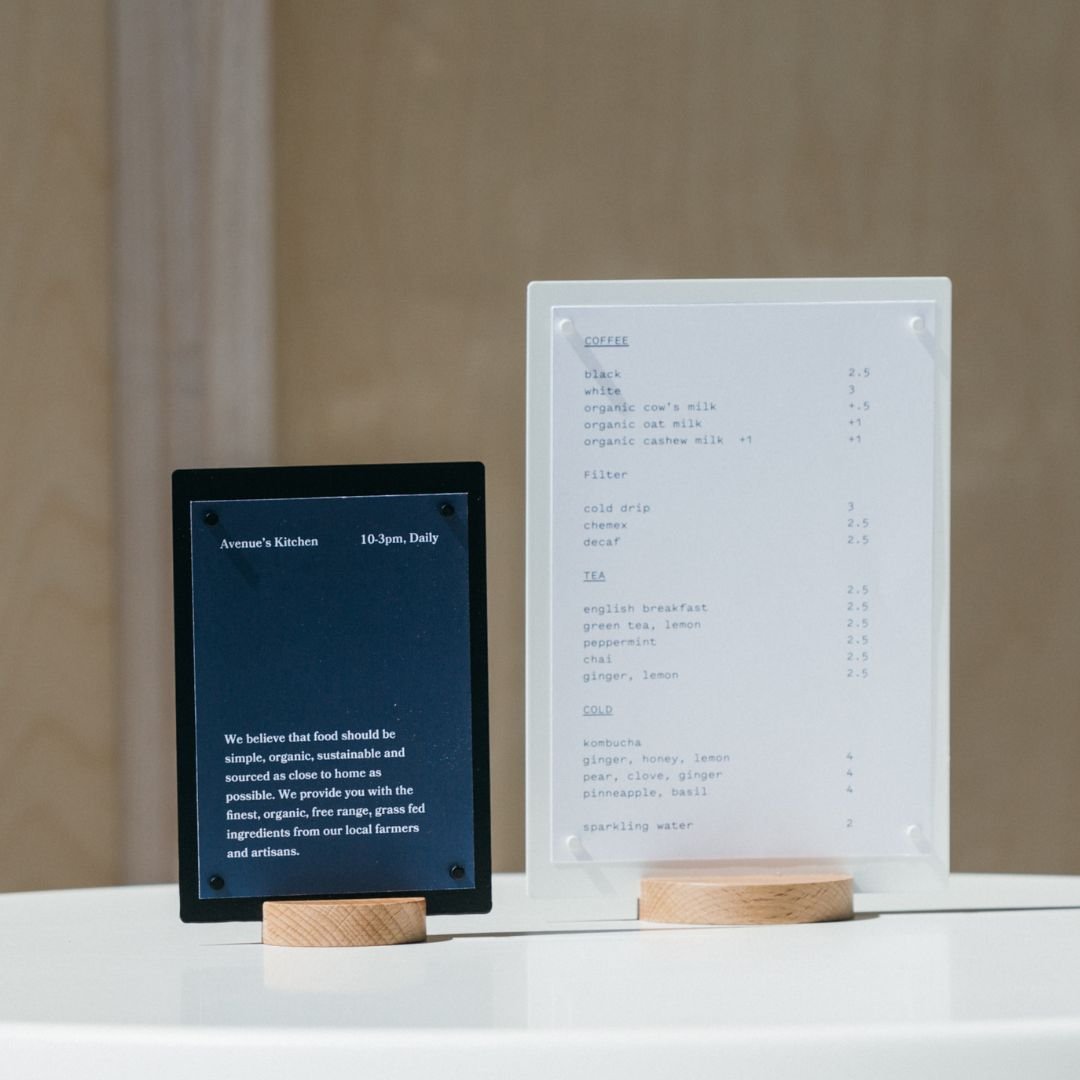
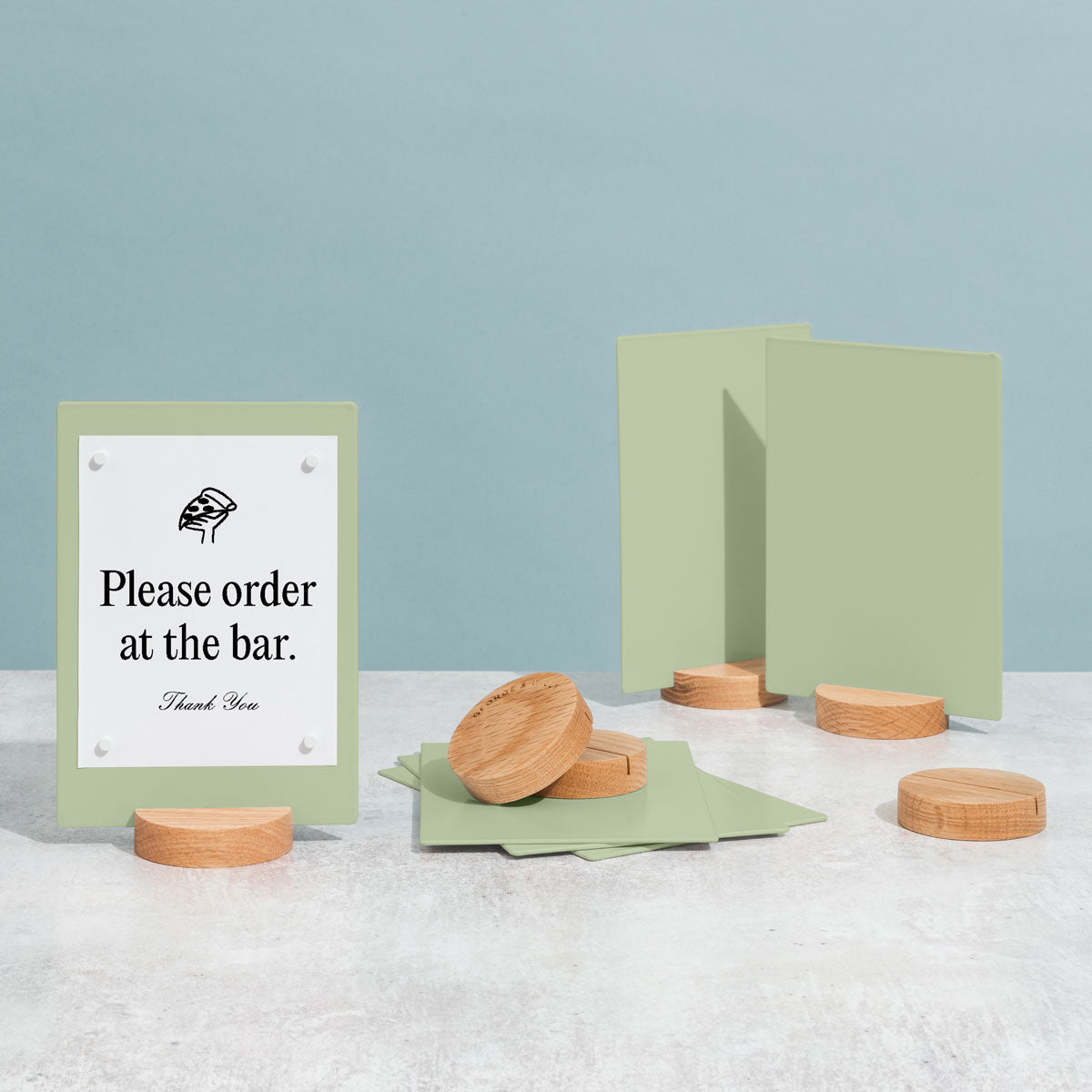
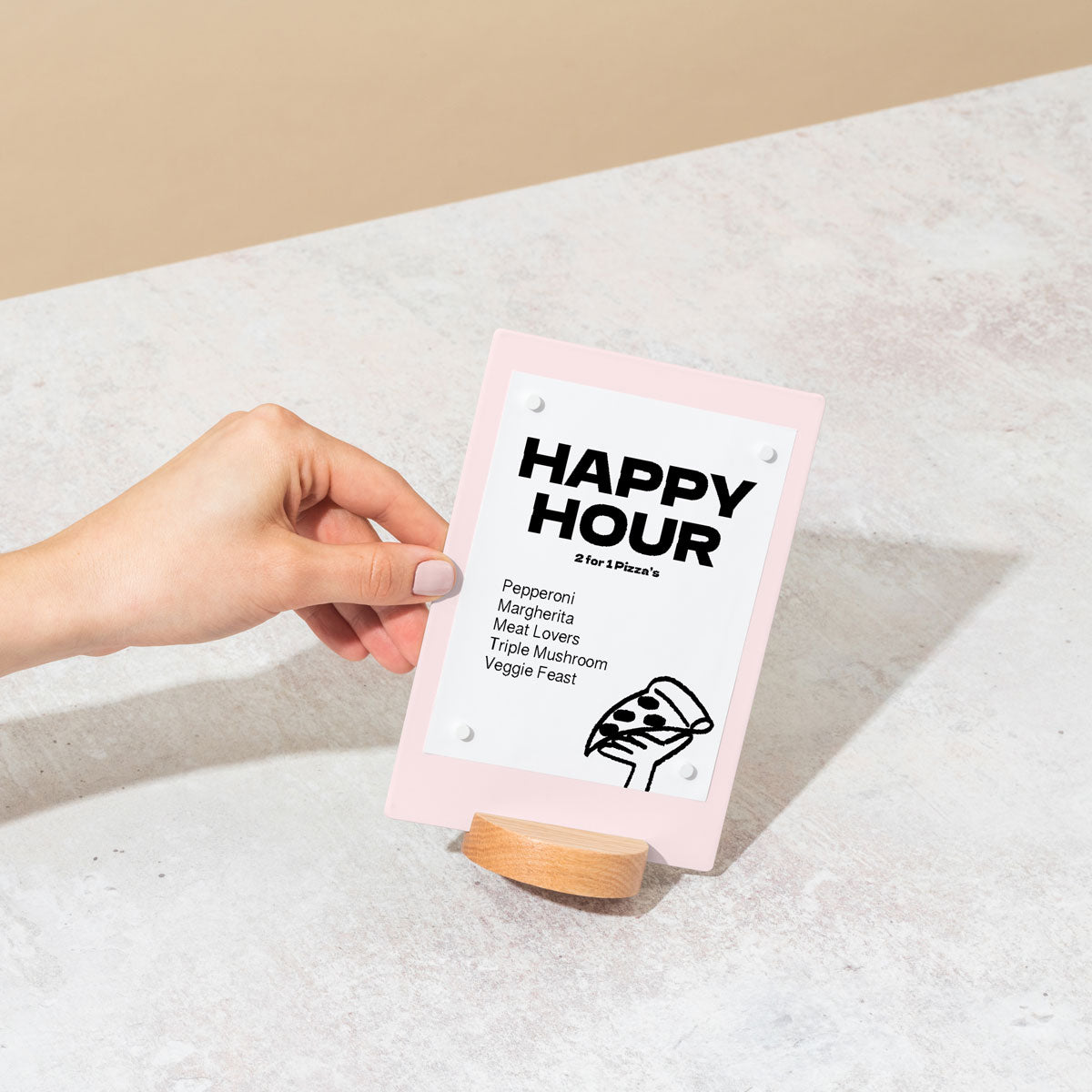
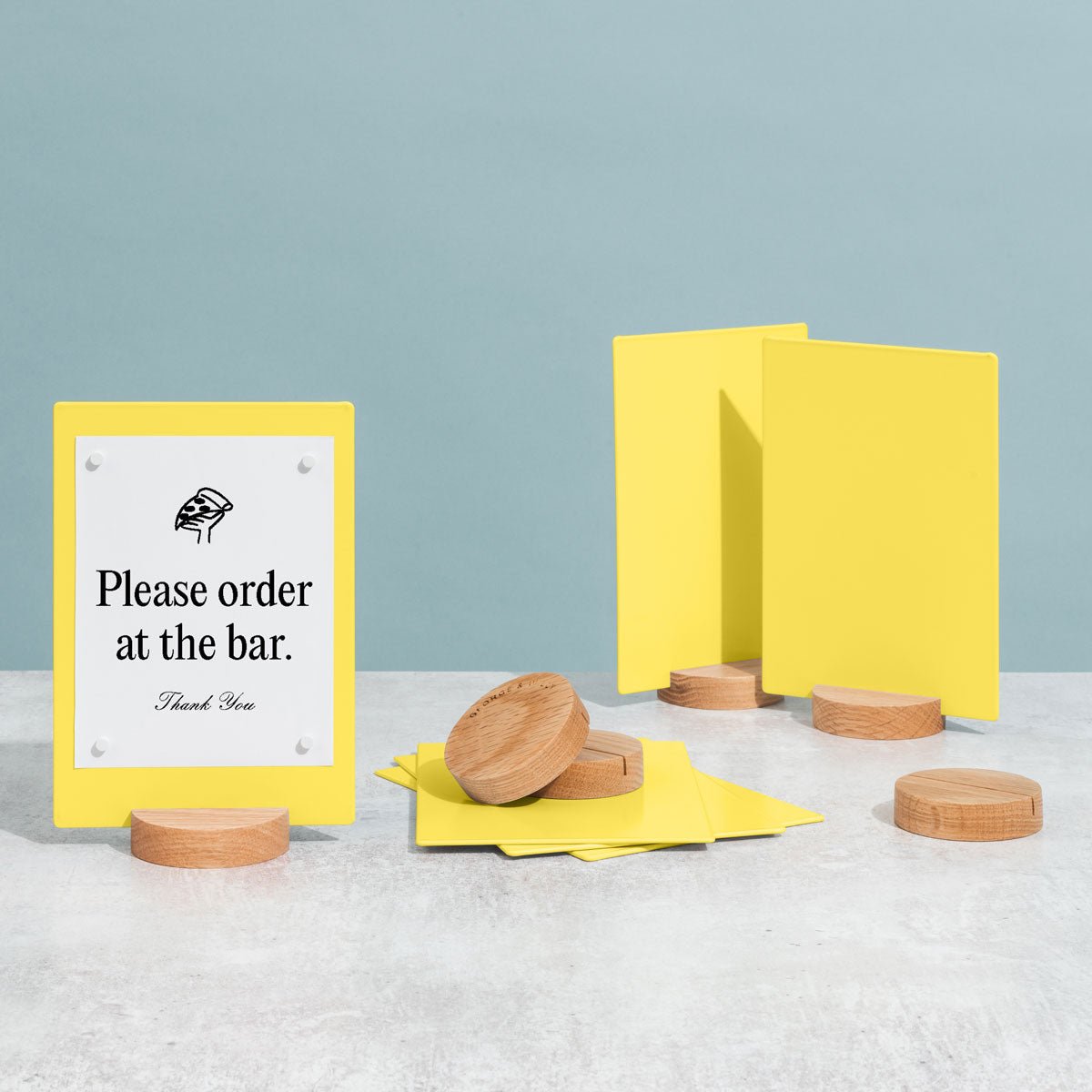
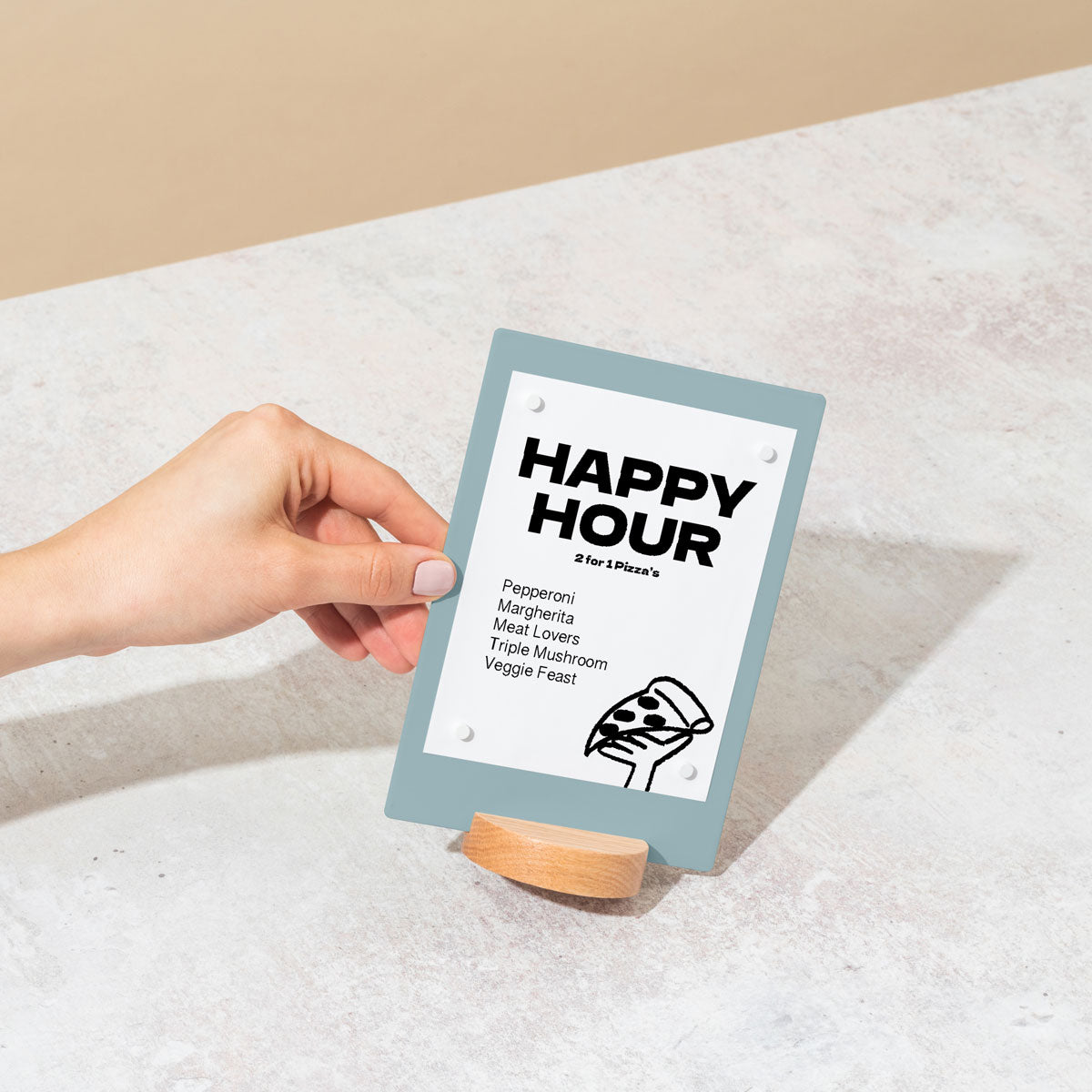
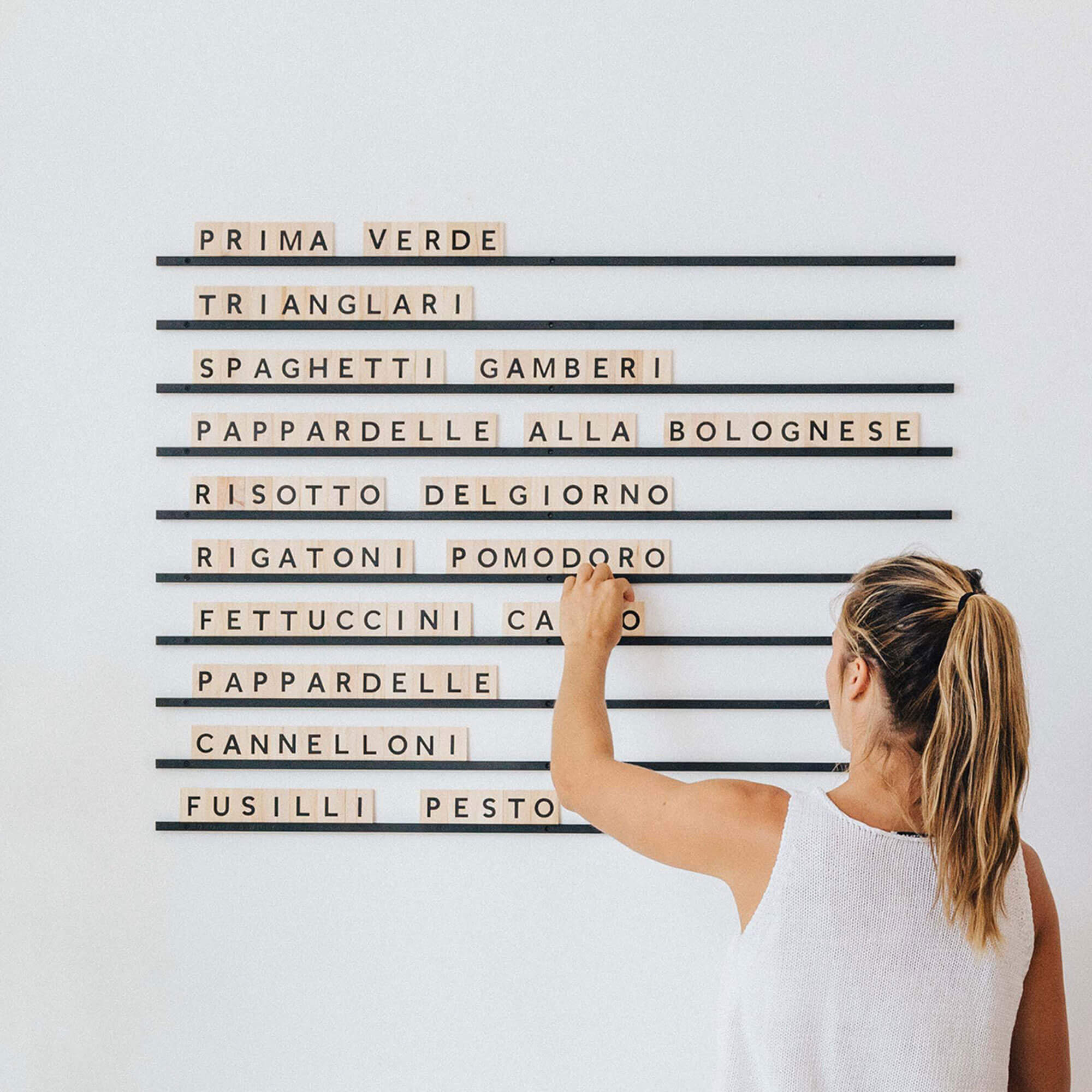
A brochure box attached to your sign post is a fantastic way to provide immediate information to interested buyers. Pair it with a Table Top Sign at the entry to display a QR code linking to the full listing and disclosure docs. It allows people to grab a flyer with photos, property details, and your contact information. Inside the home, small Counter Signs can highlight upgrades (new roof, HVAC, smart home features) room by room during tours. An empty brochure box is a missed opportunity, so be sure to keep it well stocked, especially during the first week of a new listing.
Conclusion
While the real estate world continues to evolve, the power of a great sign remains constant. By focusing on creating real estate signs custom to your brand, choosing the right materials, and following smart design and placement principles, you can turn a simple sign into a powerful marketing tool. It’s an investment that attracts buyers, builds your reputation, and ultimately helps you sell properties faster.
Ready to elevate your property’s first impression? Explore the collection of minimalist, durable signage at George & Willy to find the perfect foundation for your brand.
Frequently Asked Questions
1. What makes a real estate sign effective?
An effective real estate sign is highly readable, professional, and consistent with your brand. It should use high contrast colors, simple fonts, and have a clear, concise message. The sign’s material, frame, and placement also play crucial roles in its overall impact.
2. What is the best material for outdoor real estate signs?
For long term durability, aluminum or aluminum composite panels are the best choices. They are rust proof, weather resistant, and maintain a flat, professional appearance for years. For short term or high volume needs like open house directionals, corrugated plastic is a very cost effective option.
3. How can I get real estate signs custom designed without being a graphic designer?
Many agents use professional design templates. These pre made layouts ensure your sign has a balanced and readable structure. You can simply add your name, logo, and contact information. Alternatively, you can partner with a local sign shop or a freelance designer to create a unique look for your brand.
4. What information should I put on a custom real estate sign?
Less is more. The most critical information is the purpose of the sign (“For Sale,” “Open House”), your brand identity (brokerage name or logo), and a primary call to action (phone number or website). Additional details can be added using a smaller sign rider.
5. Are more expensive sign posts like colonial posts worth it?
For higher end listings or agents looking to build a premium brand, a colonial or cross arm post can be a worthwhile investment. It presents a more polished and substantial image, which can enhance curb appeal and signal a higher level of professional service to both buyers and sellers.
6. How many signs do I need for an open house?
A good rule of thumb is to place one main sign at the property and at least four to five directional signs leading to it. Start at the nearest major intersection and place a sign at every turn a potential visitor would need to make to find the home.
7. Why is the 18x24 inch size so common for yard signs?
The 18x24 inch size is an industry standard because it balances visibility with practicality. It is large enough to be easily read from a typical residential street but small enough to be portable and compliant with most local sign ordinances.
8. Where can I find high quality hardware for my real estate signs?
For minimalist and design focused hardware, such as A frame signs and other display products, you can find durable, well crafted options from specialty suppliers. Check out the thoughtfully designed signage collection at George & Willy for inspiration.