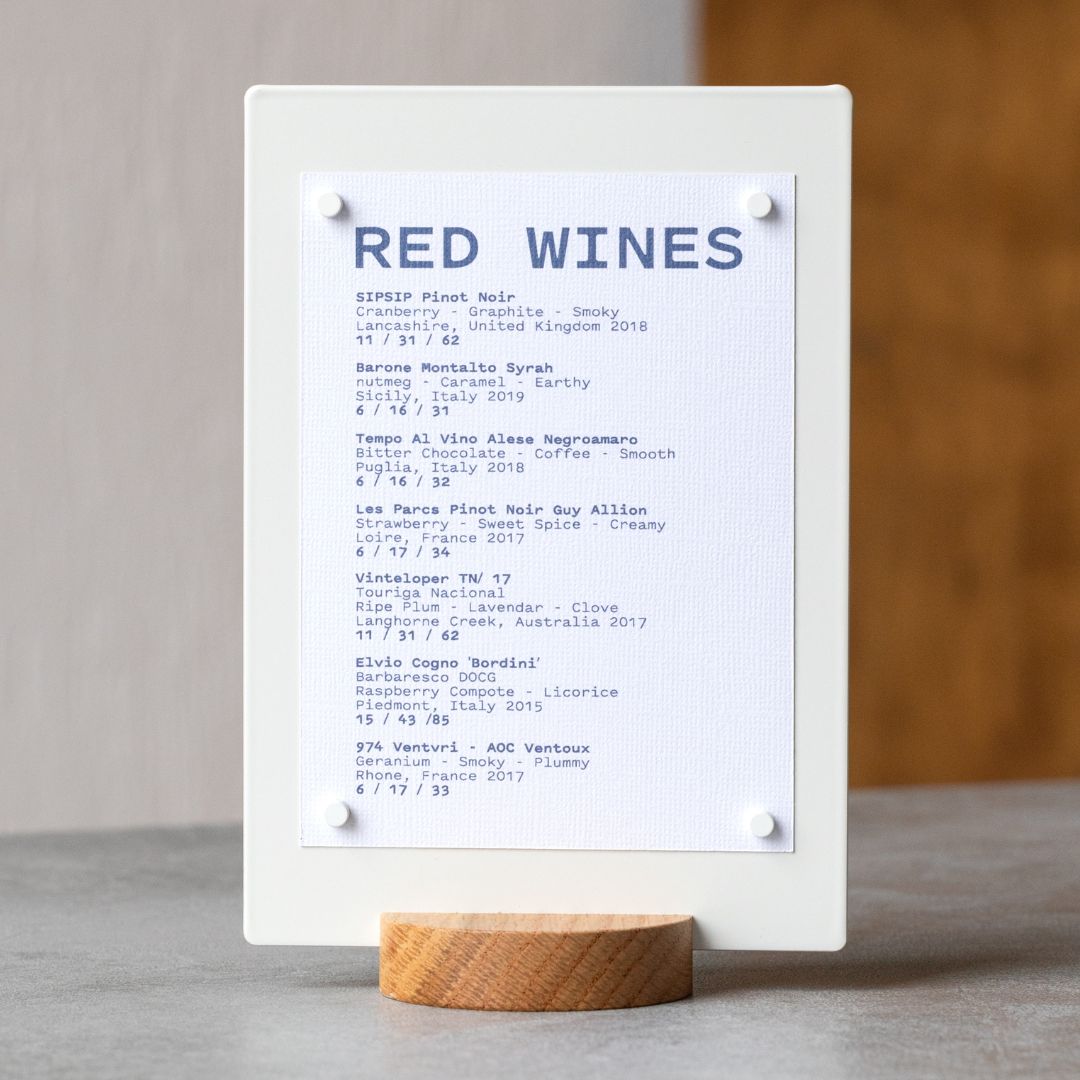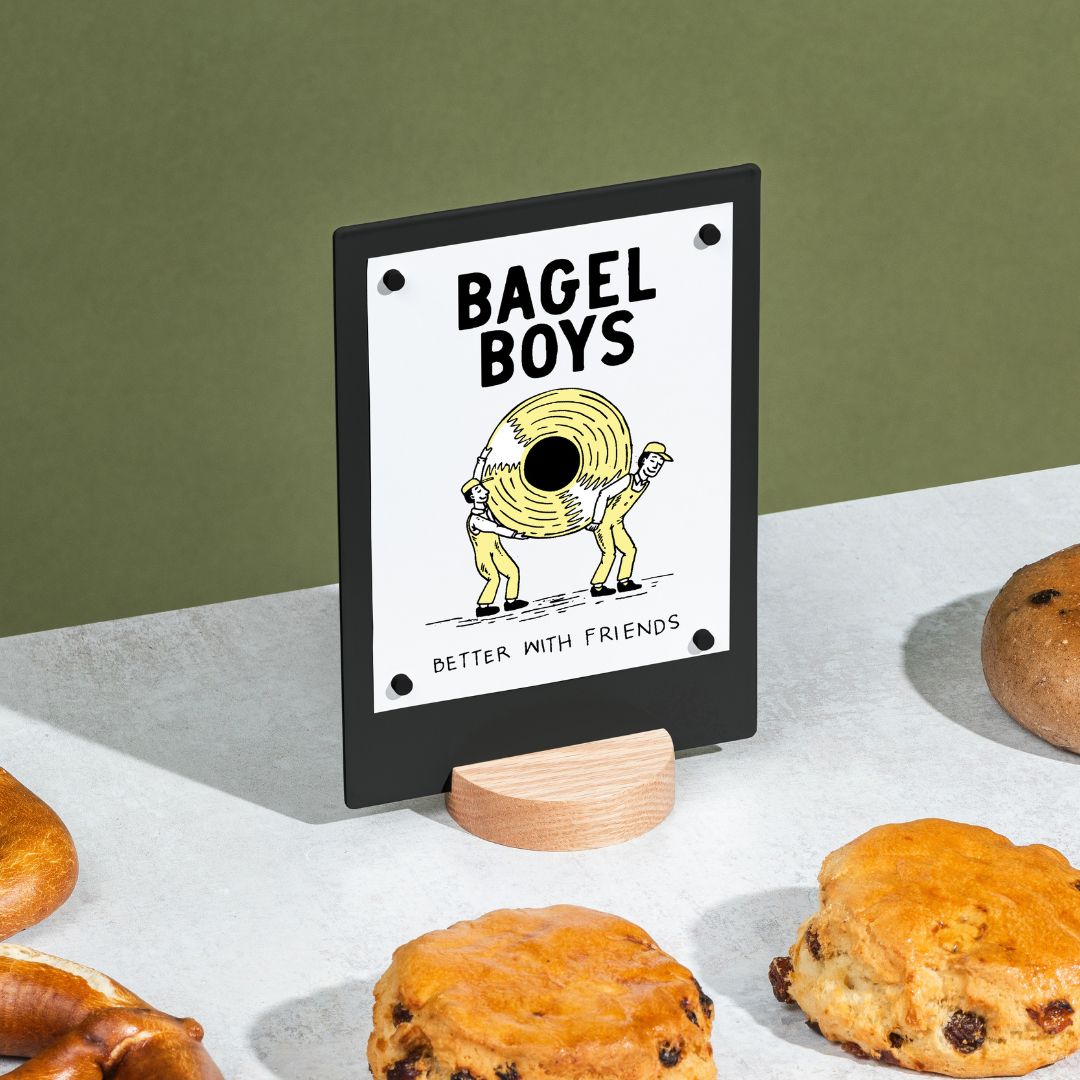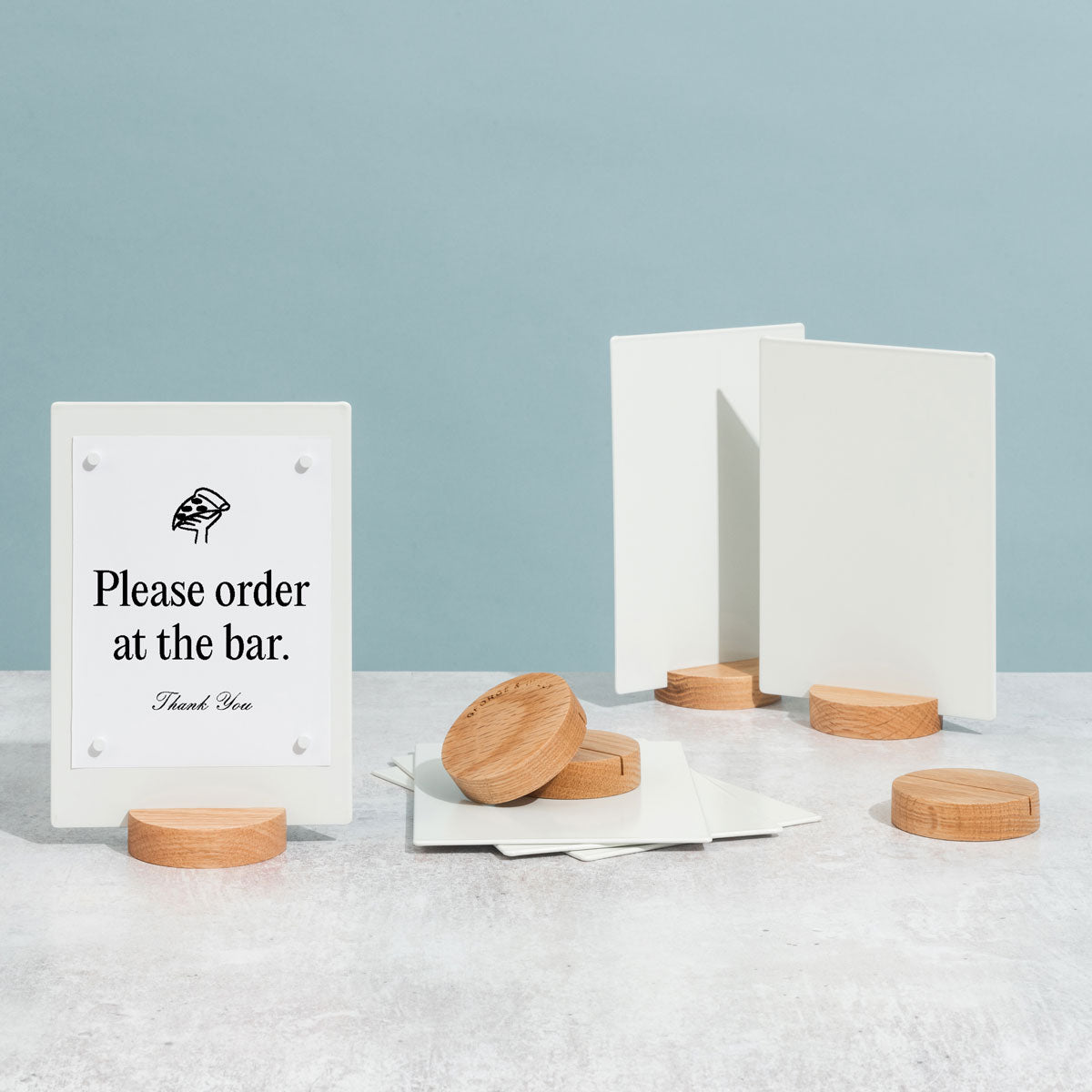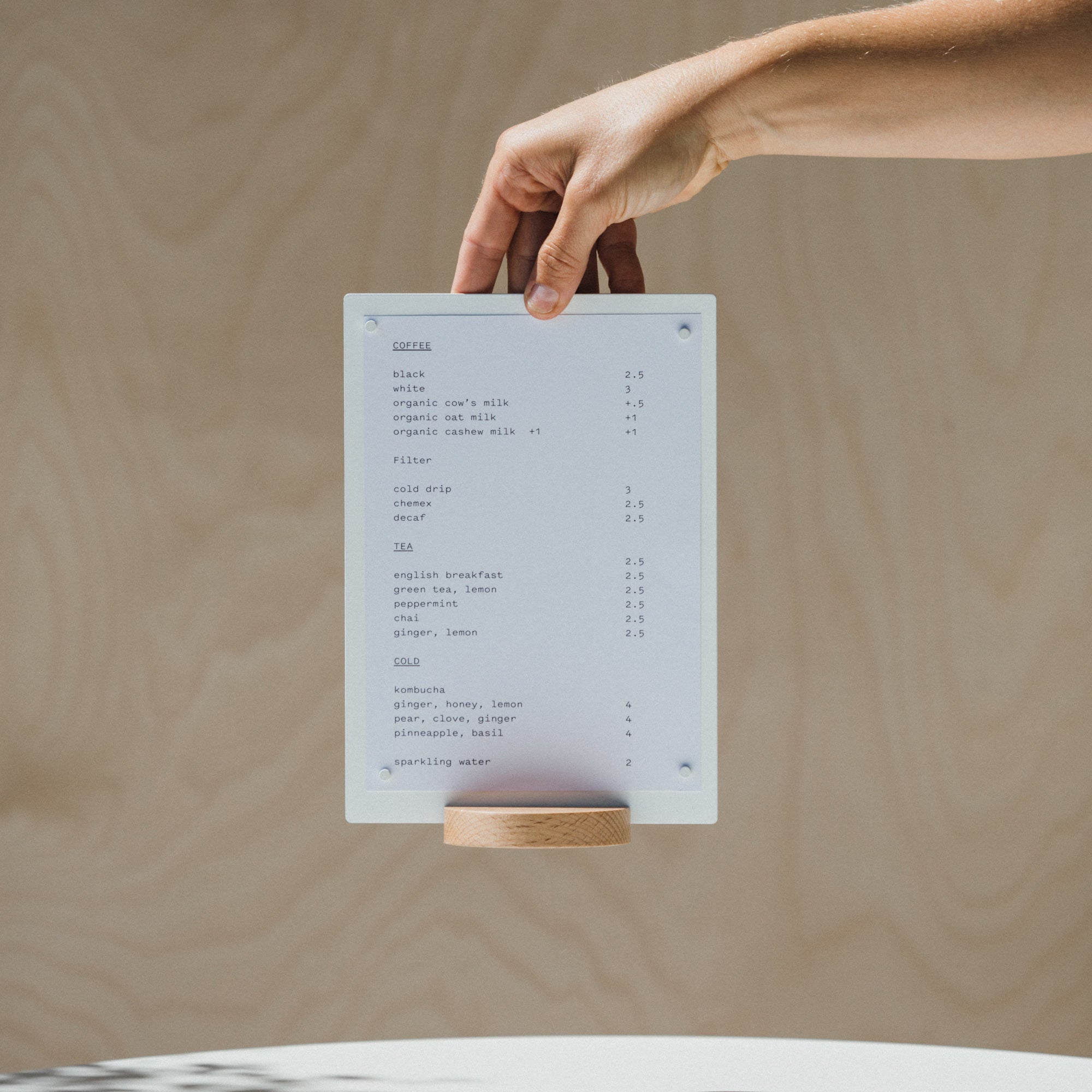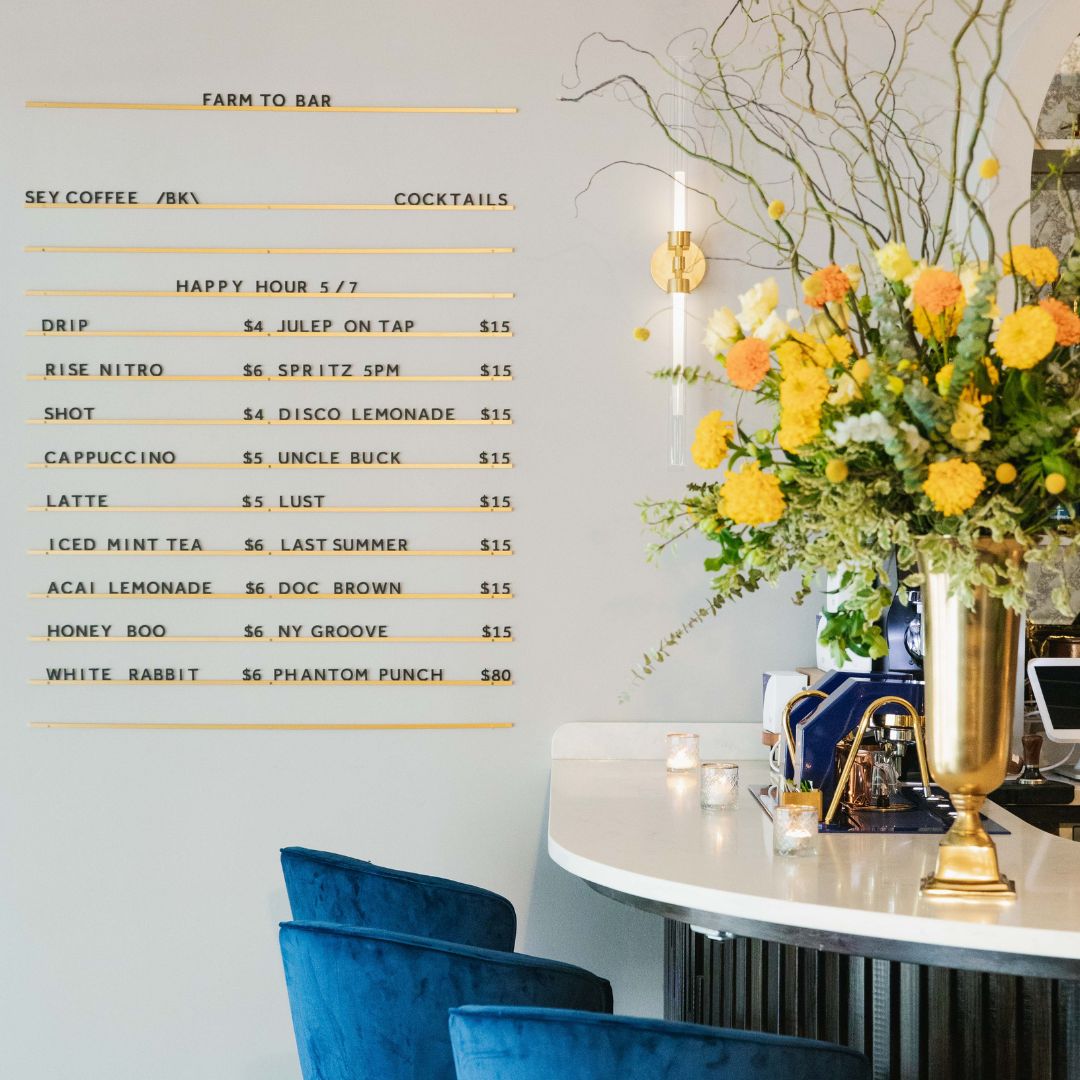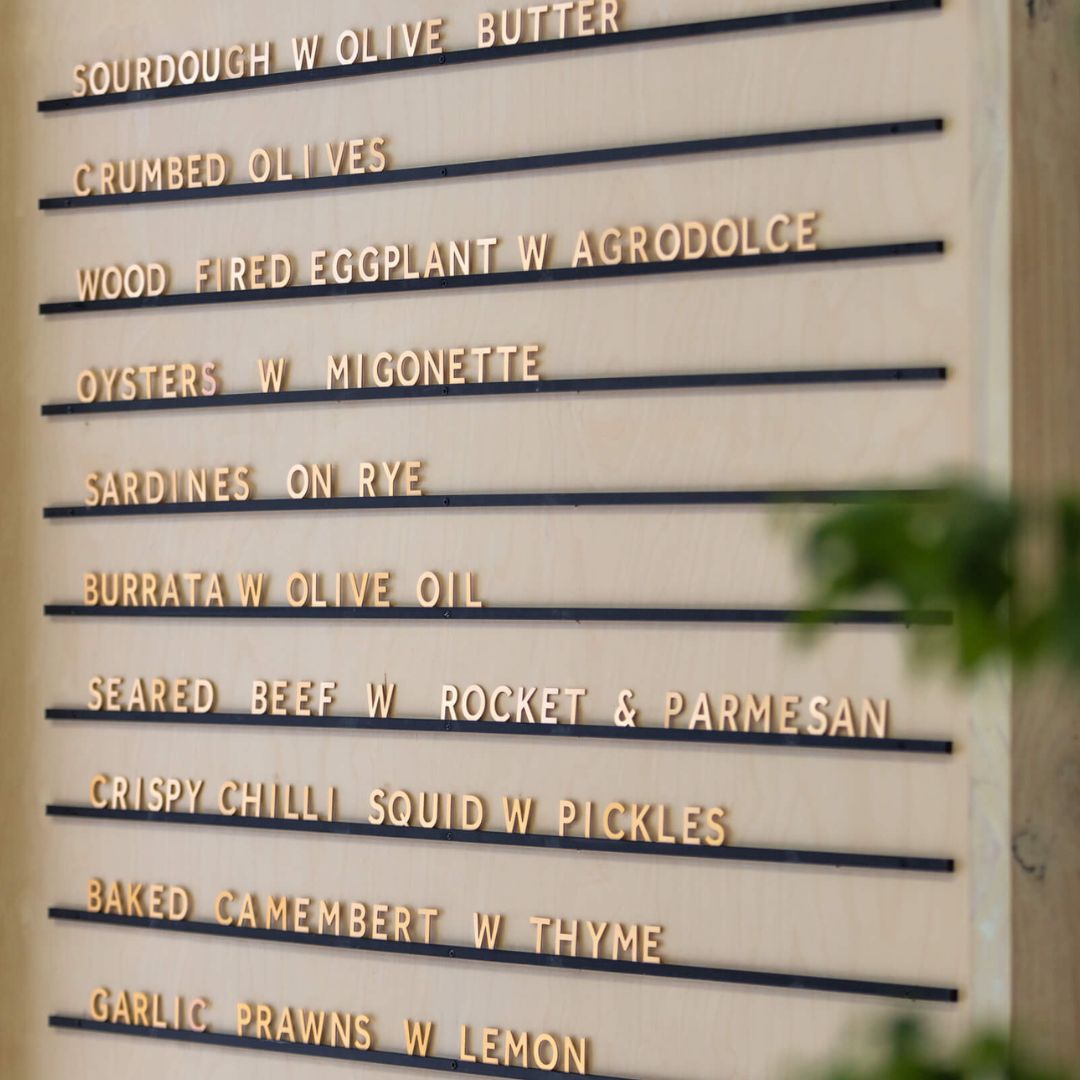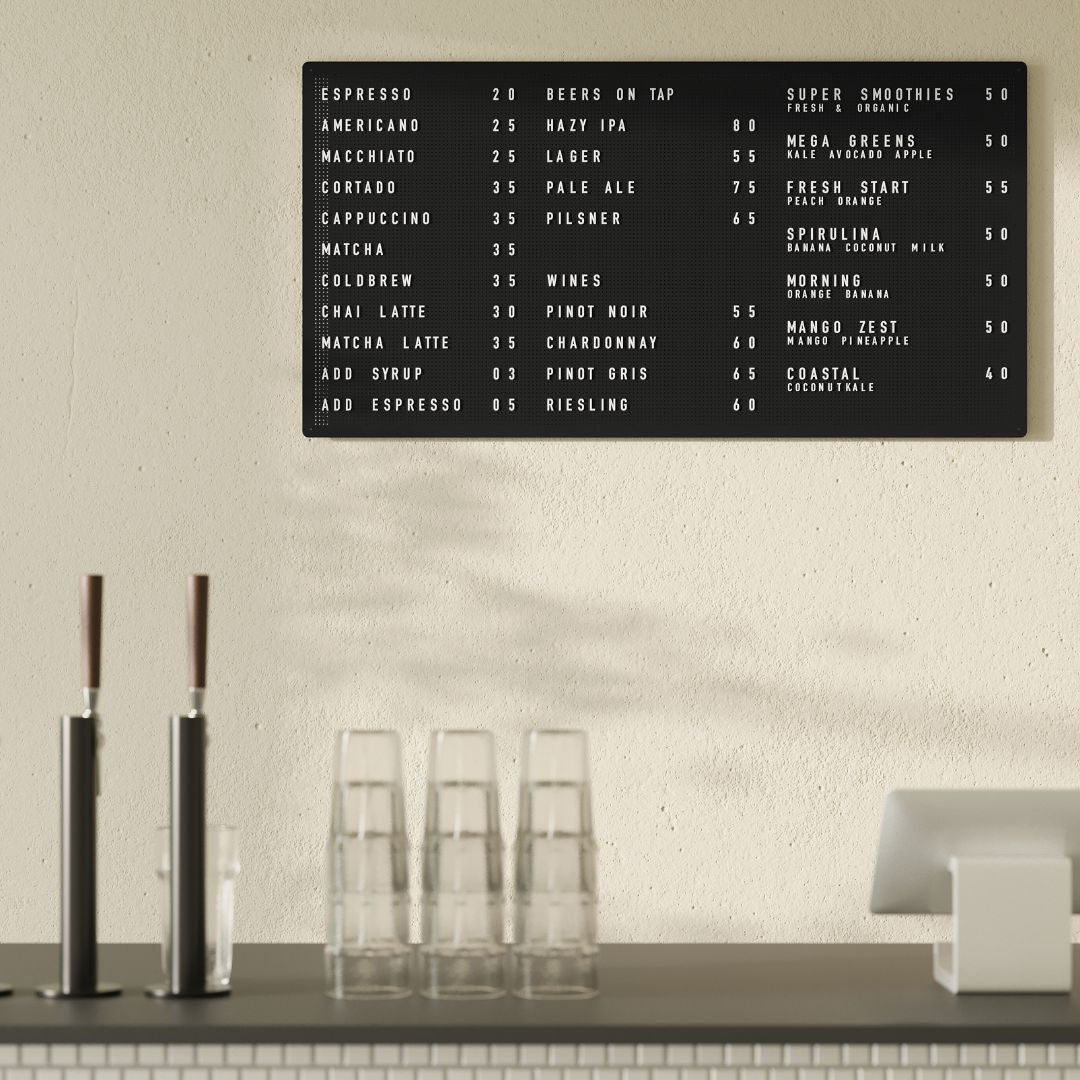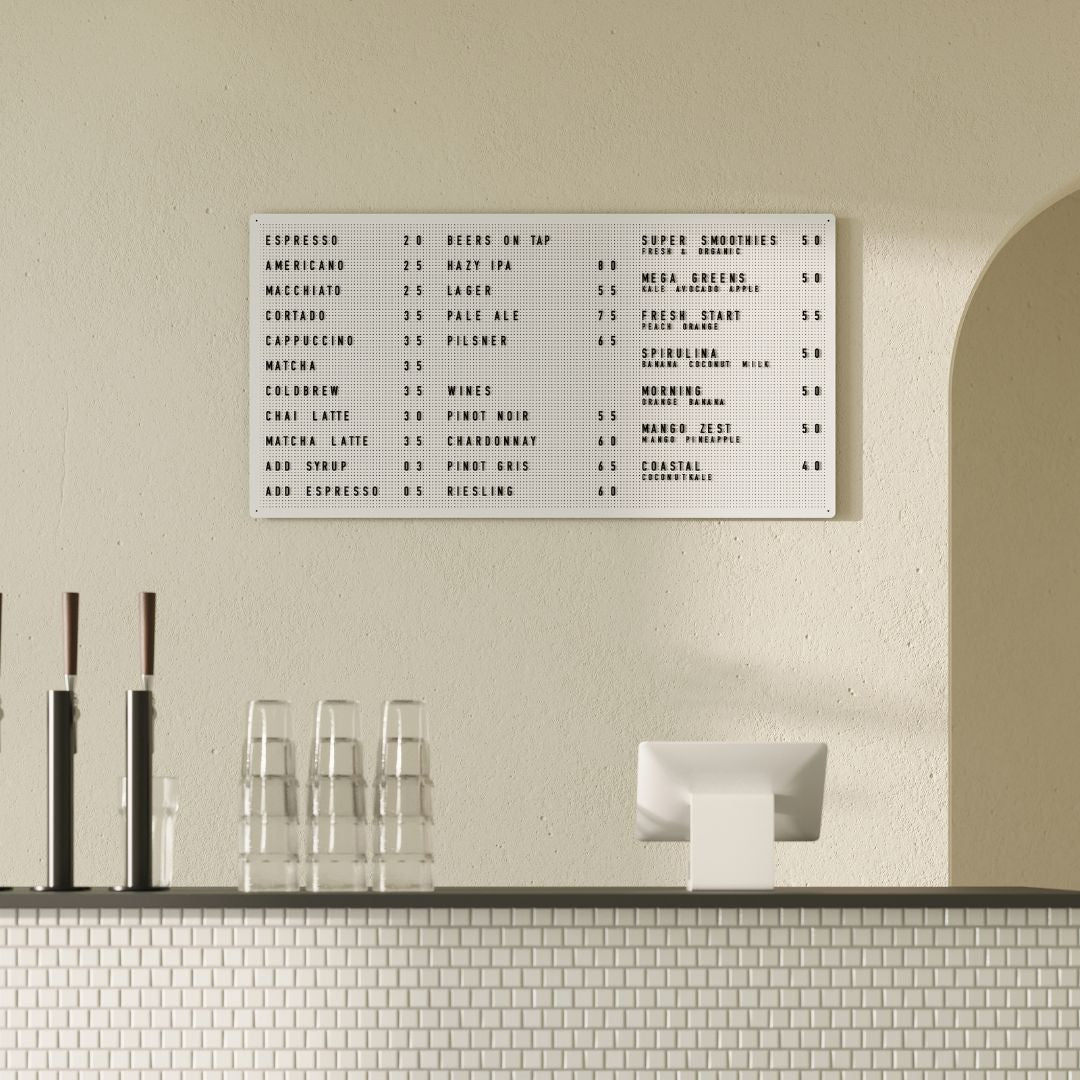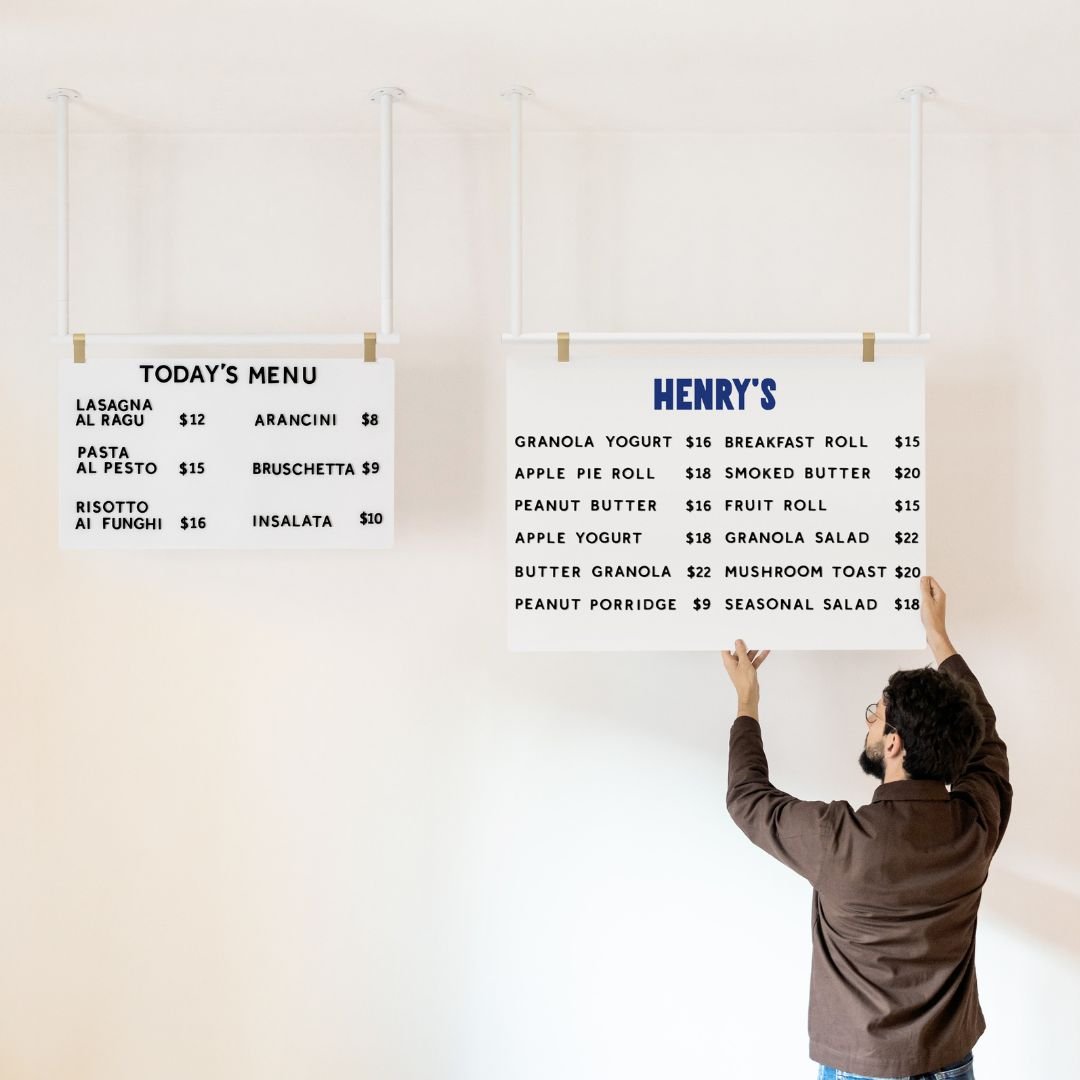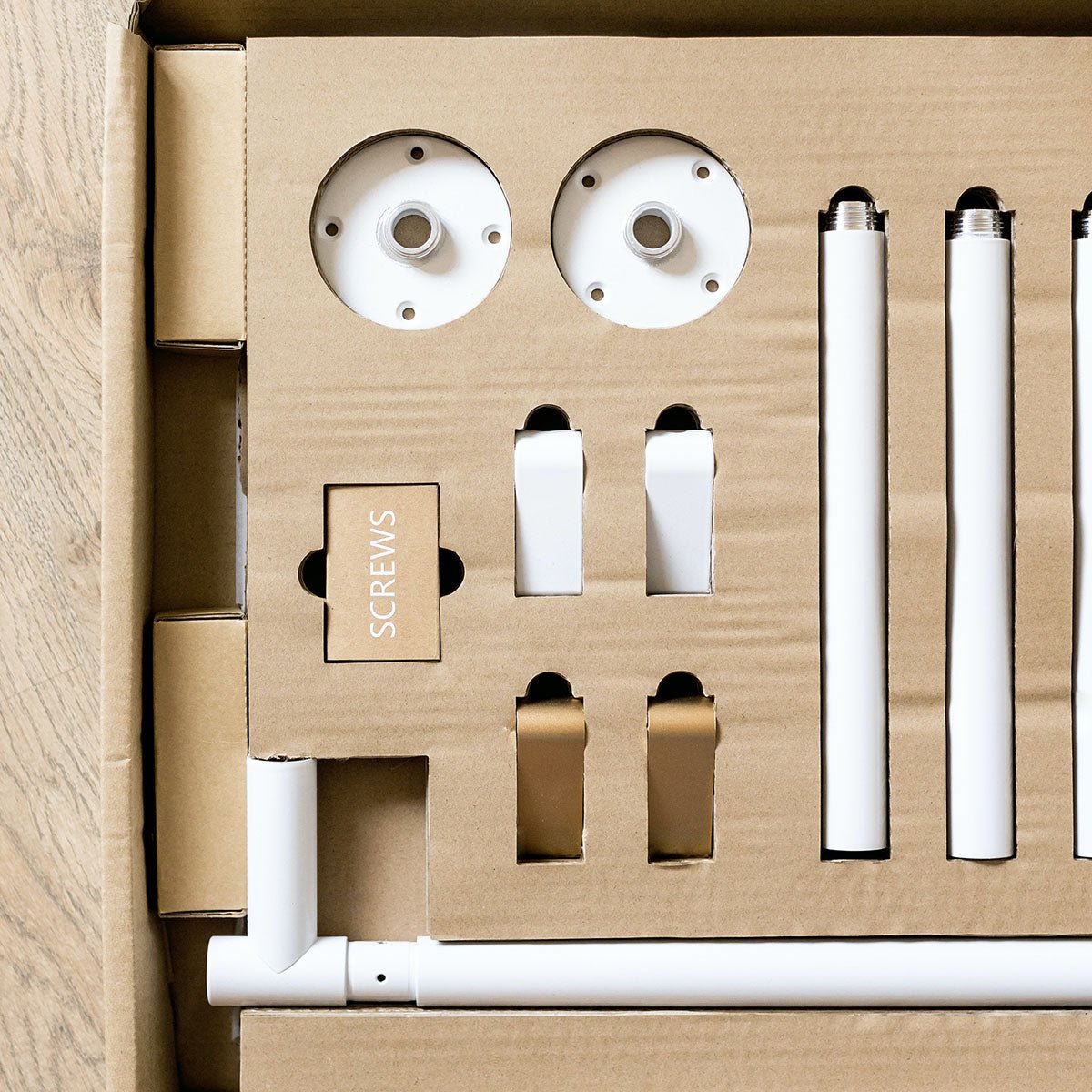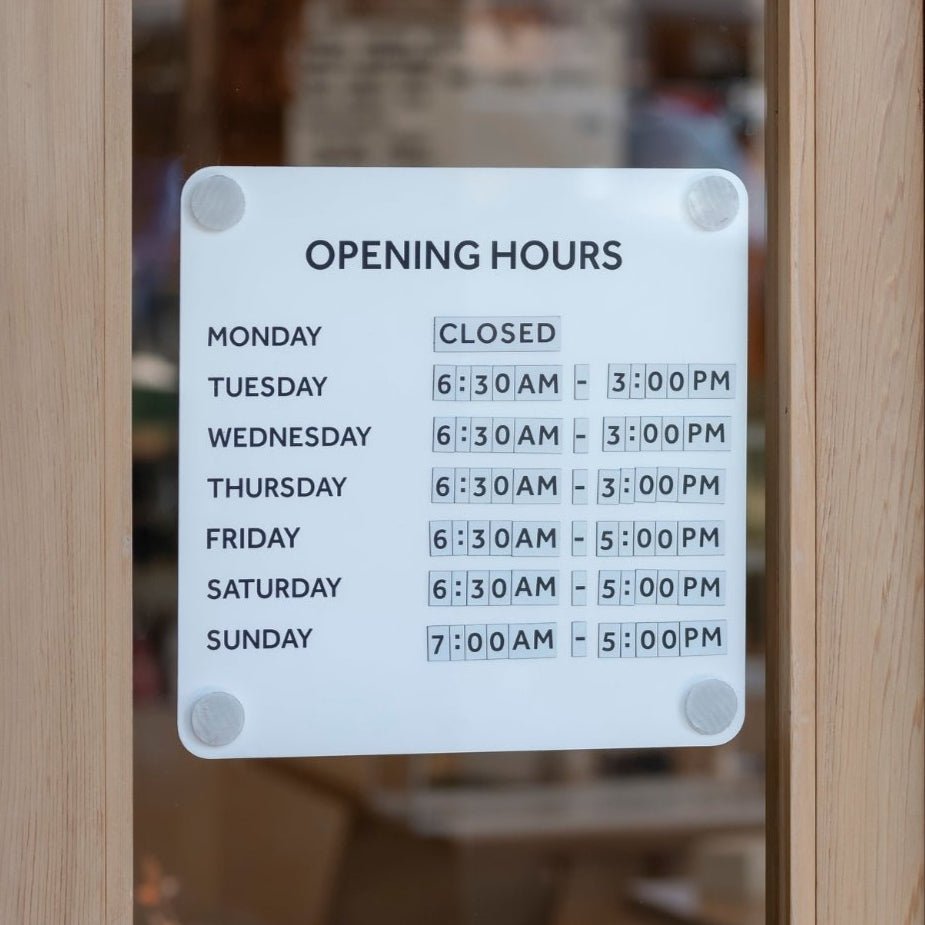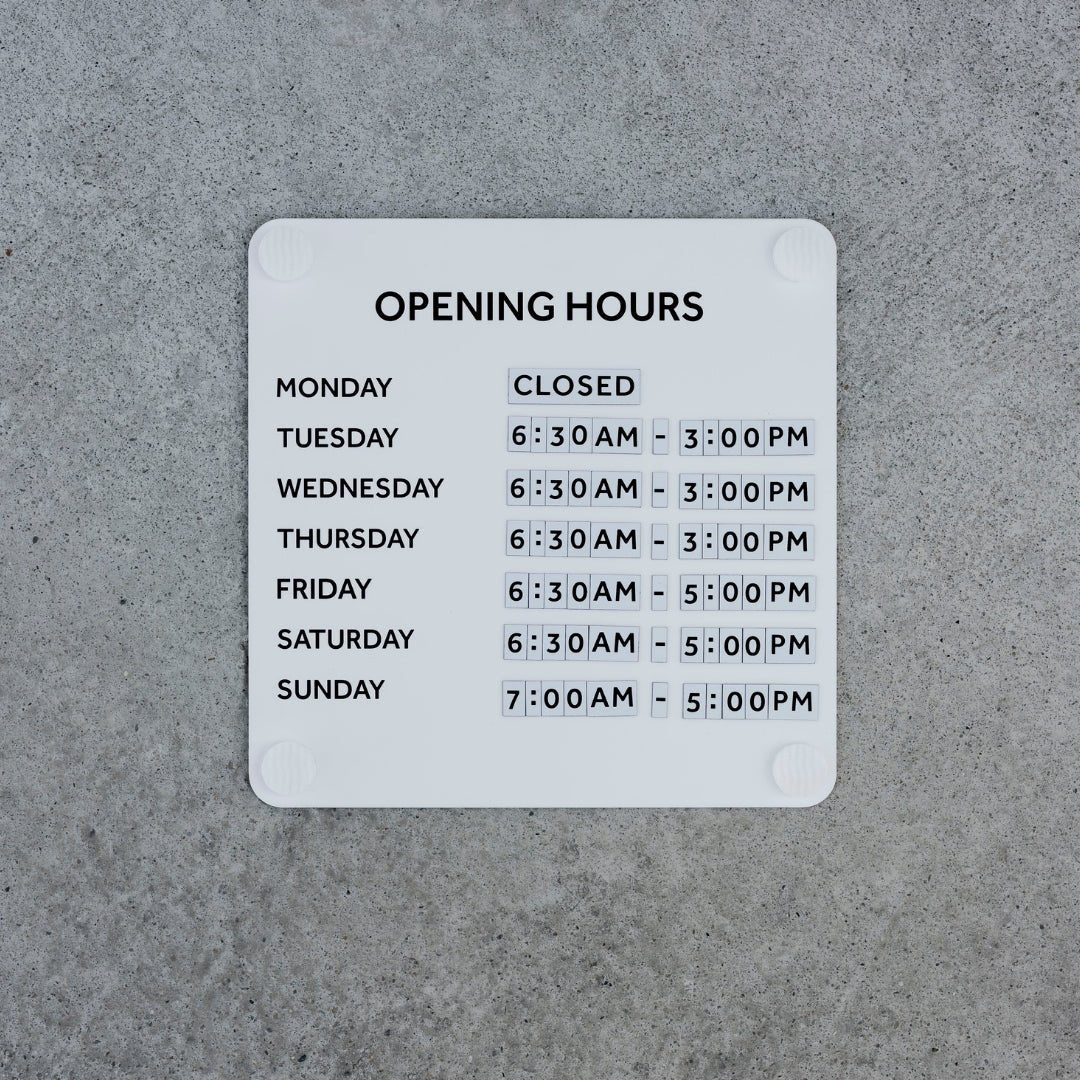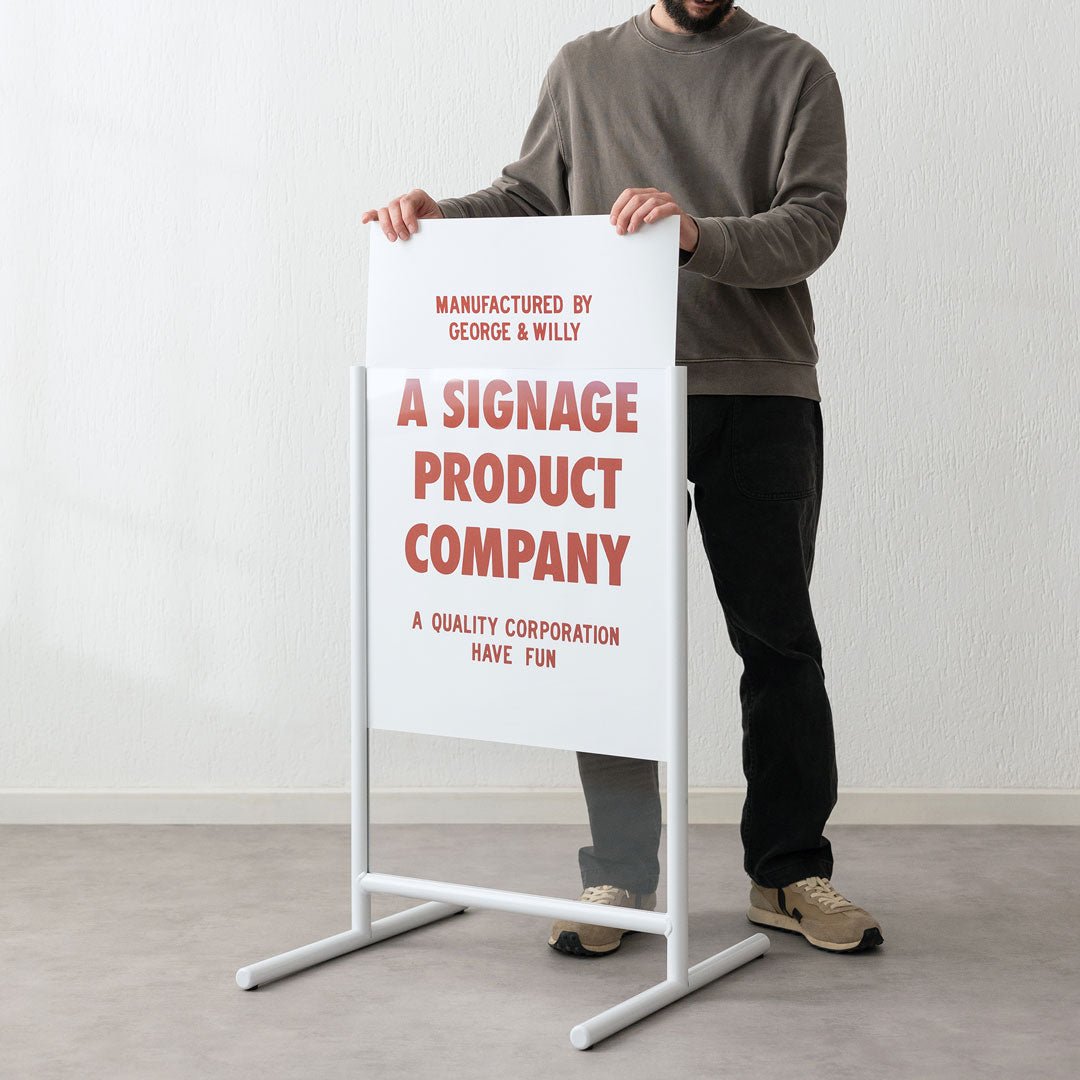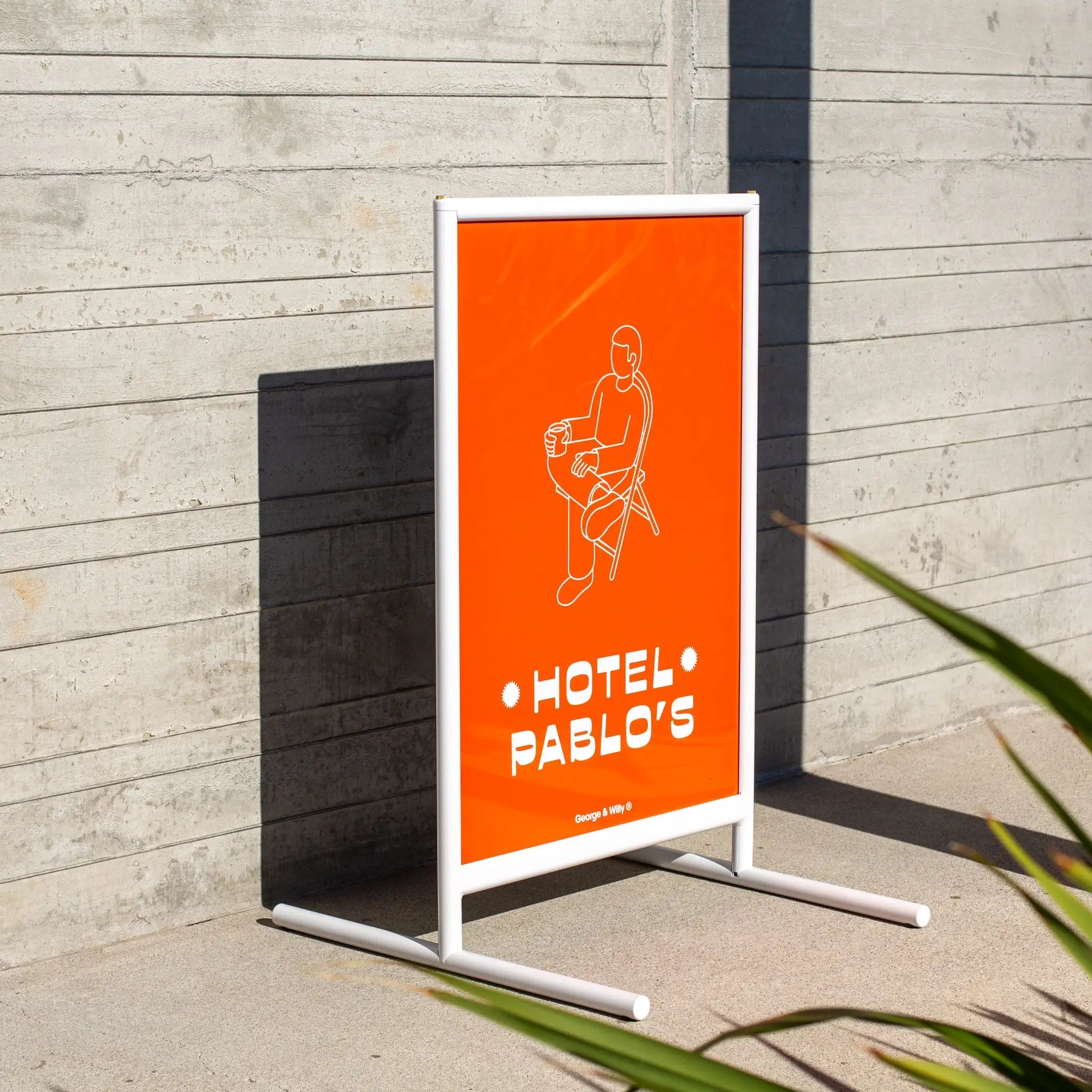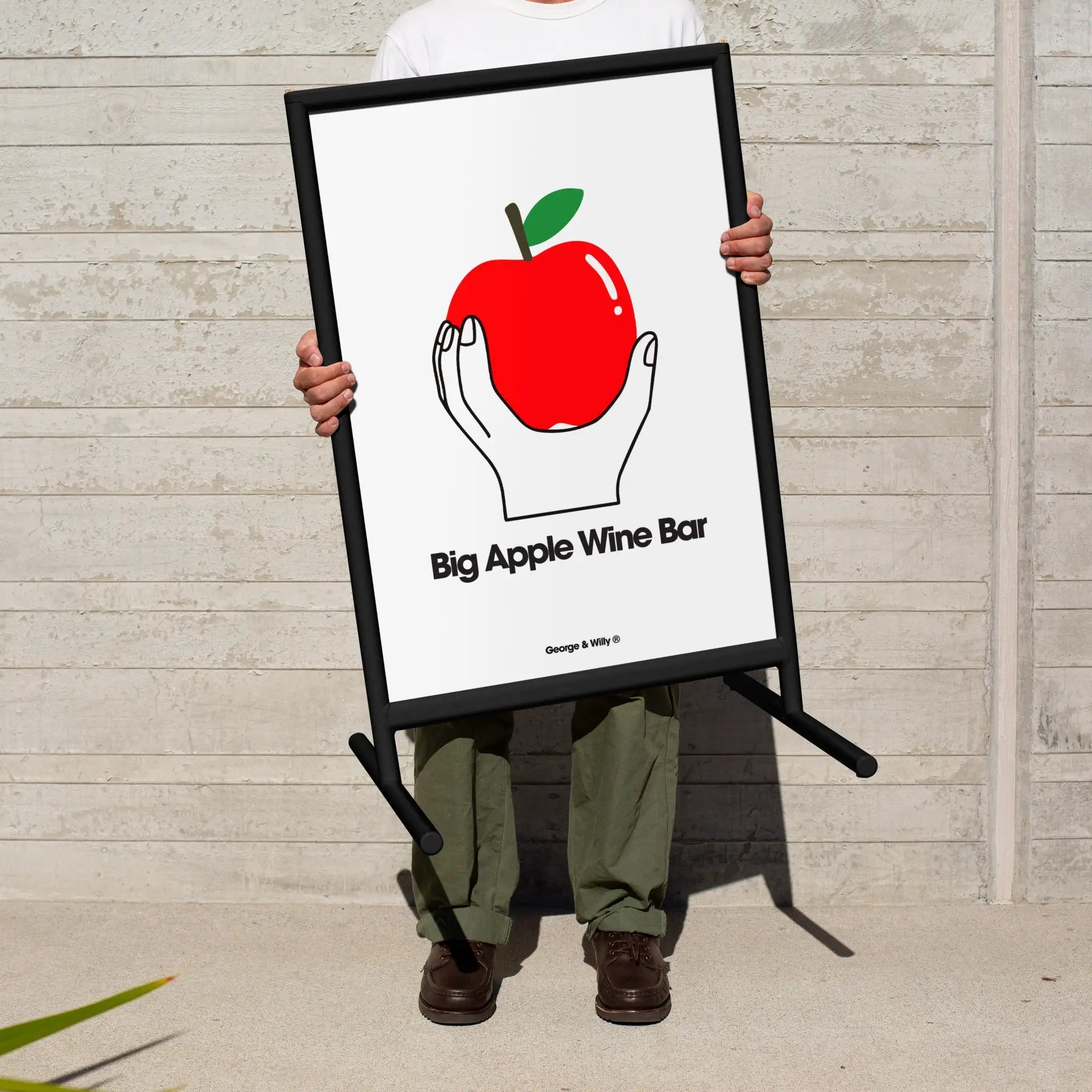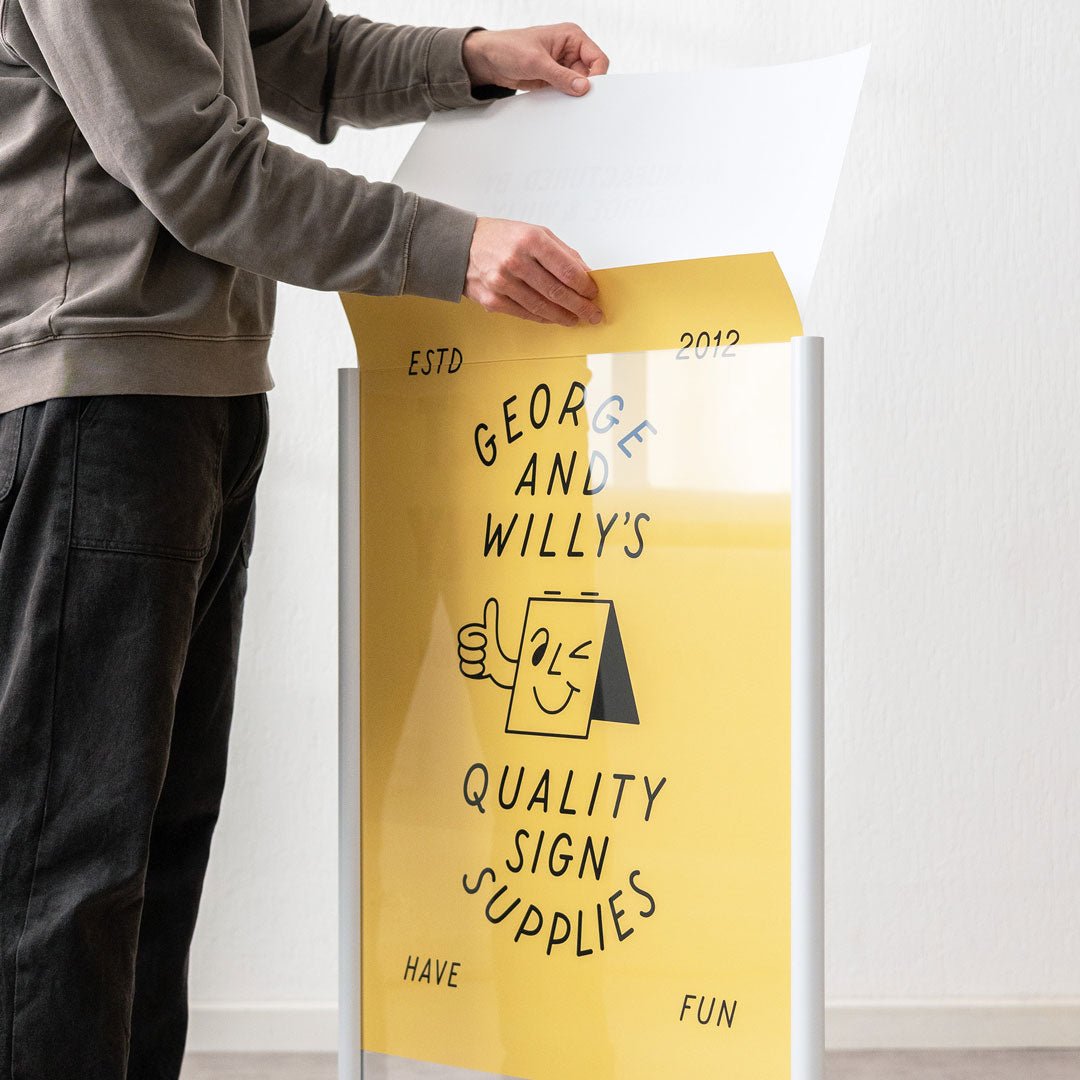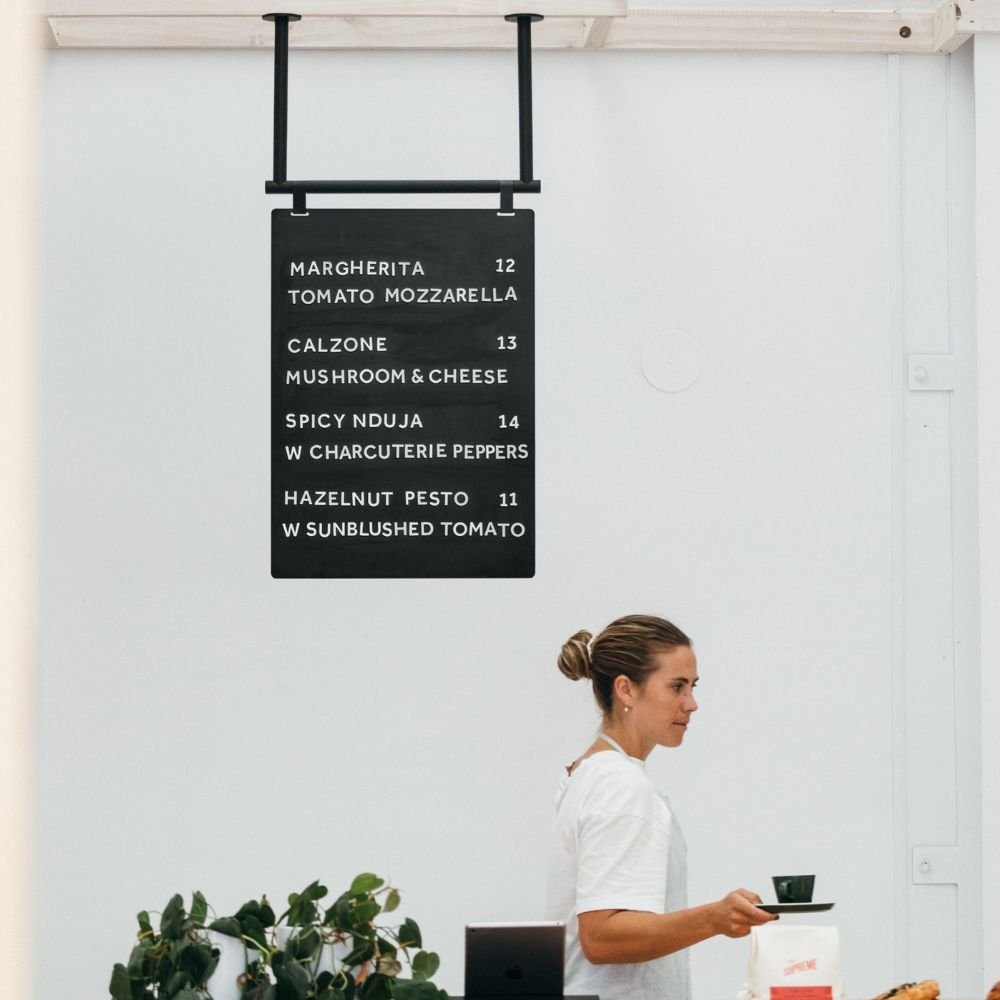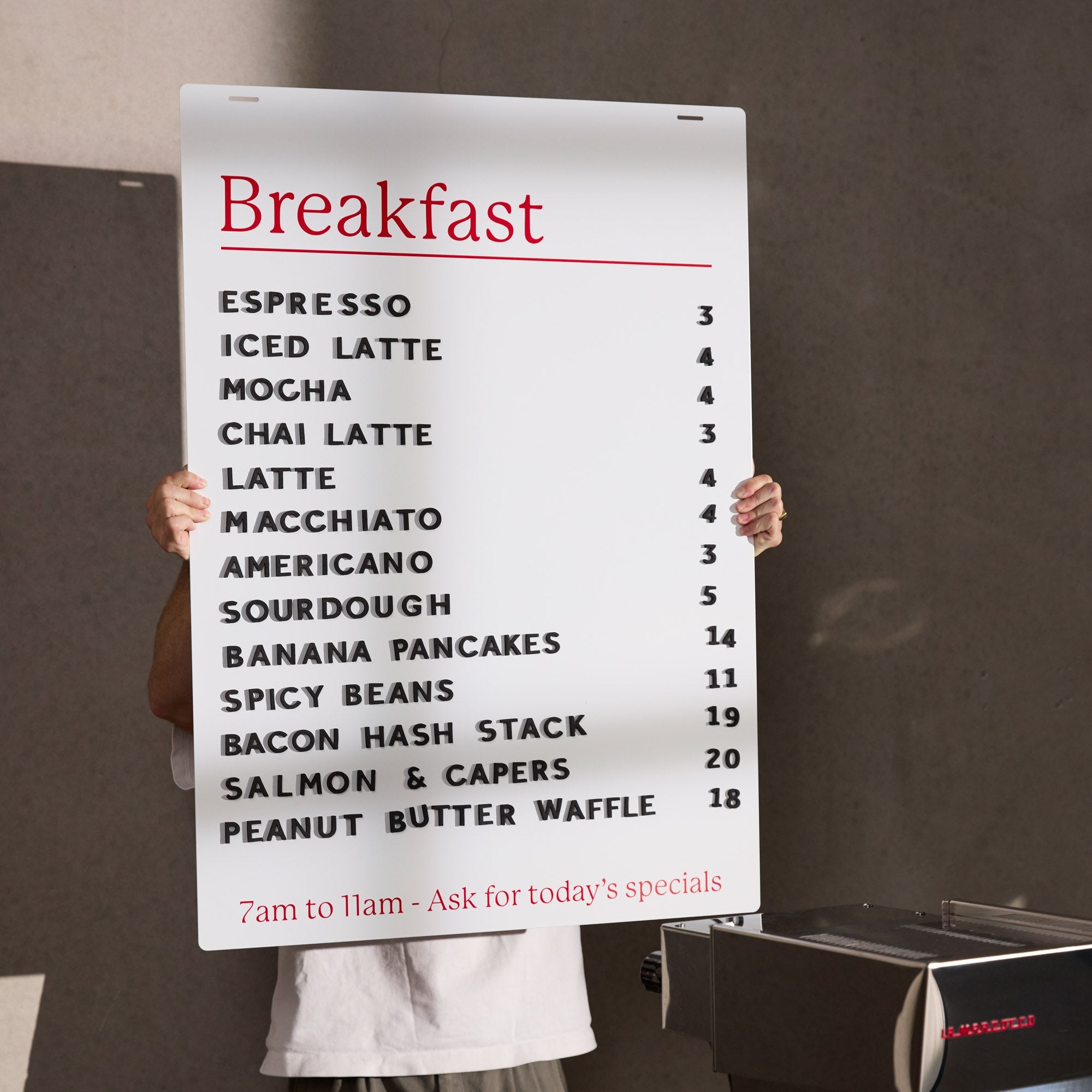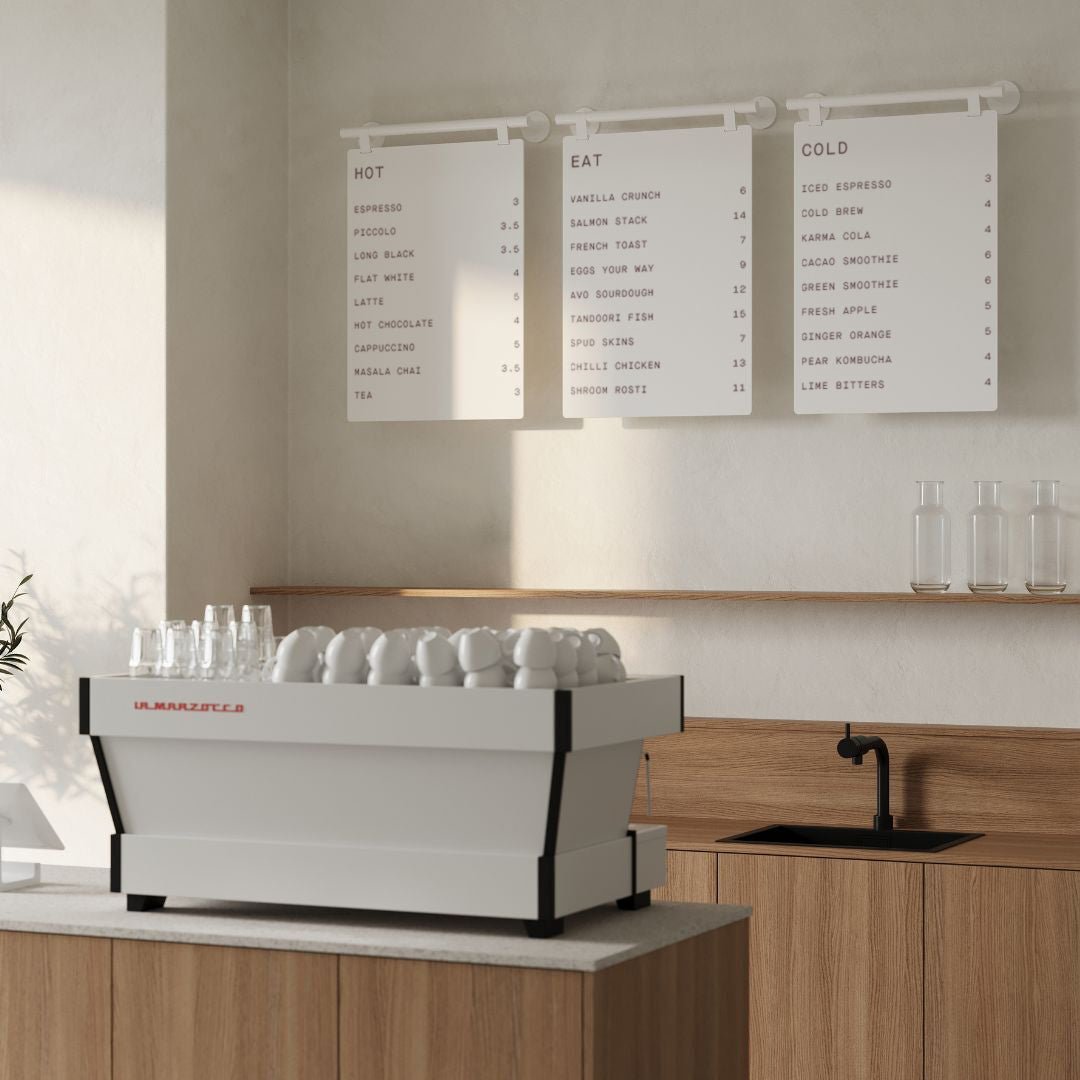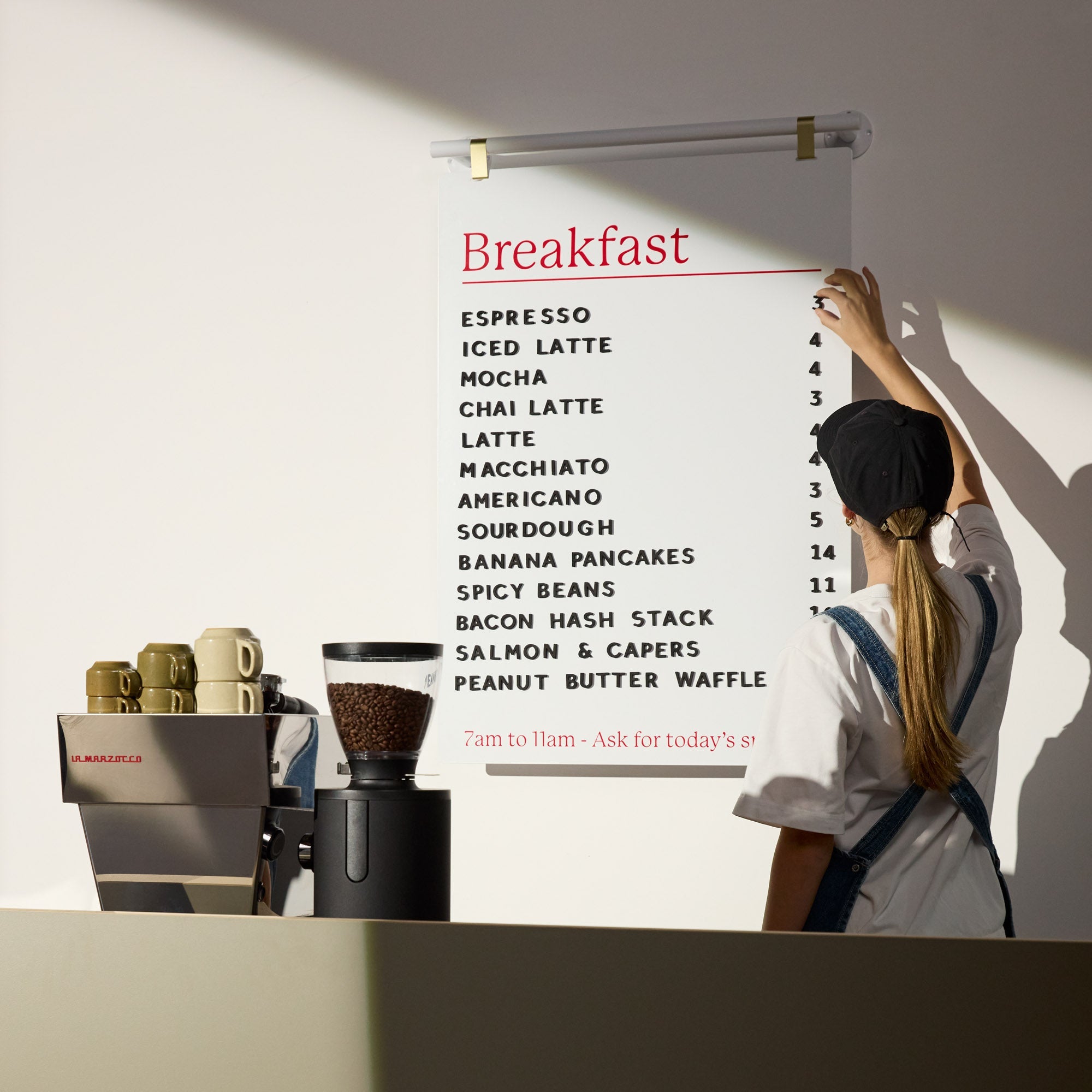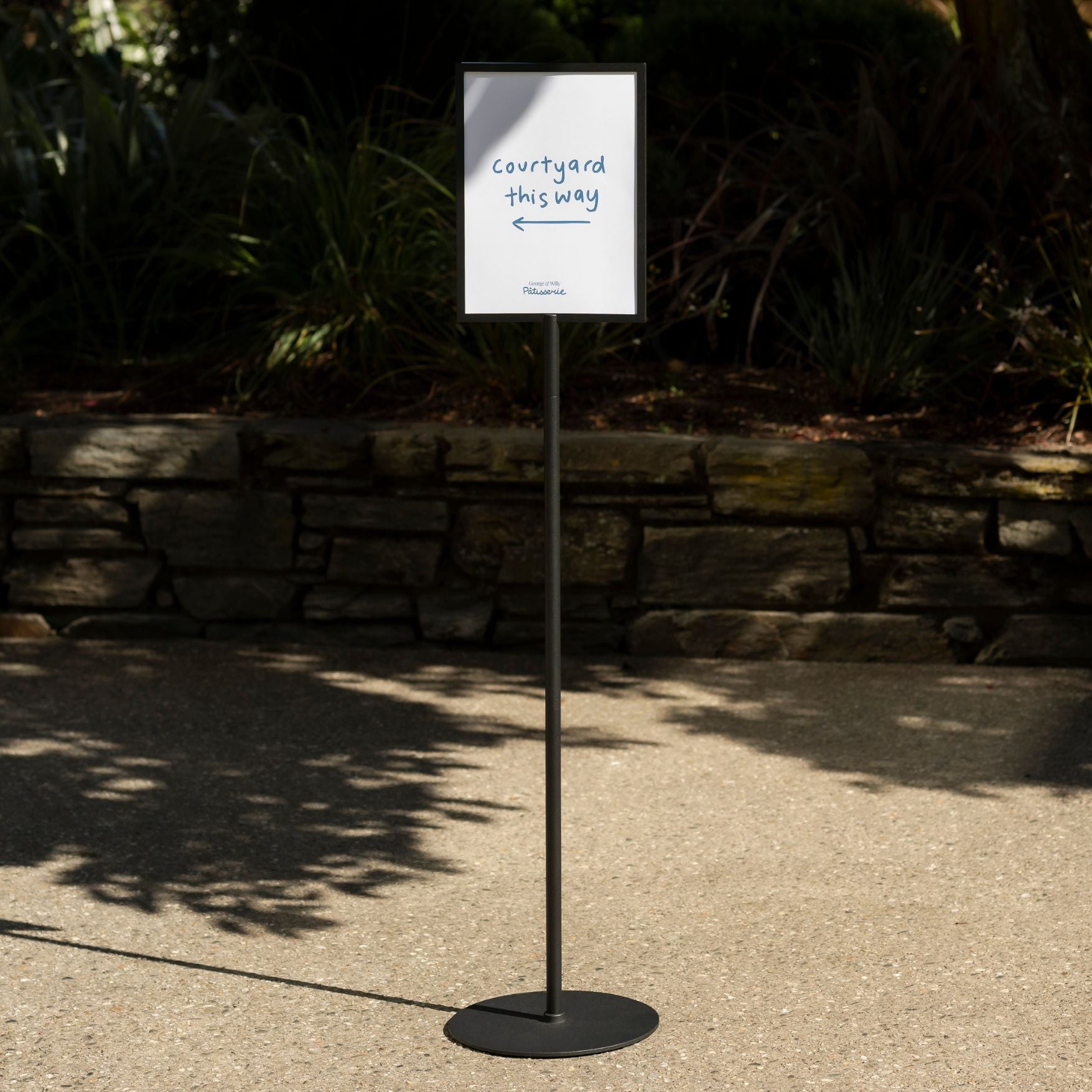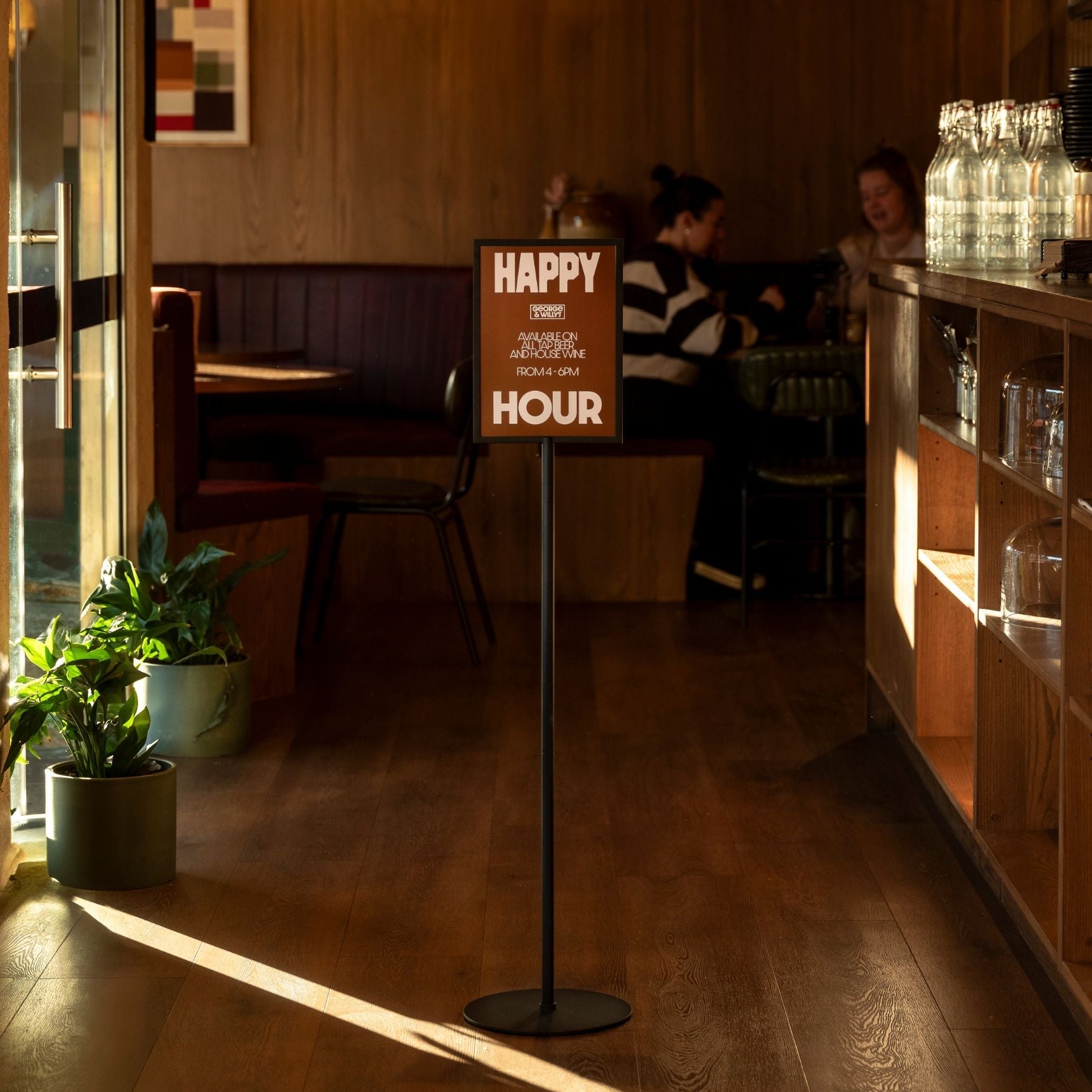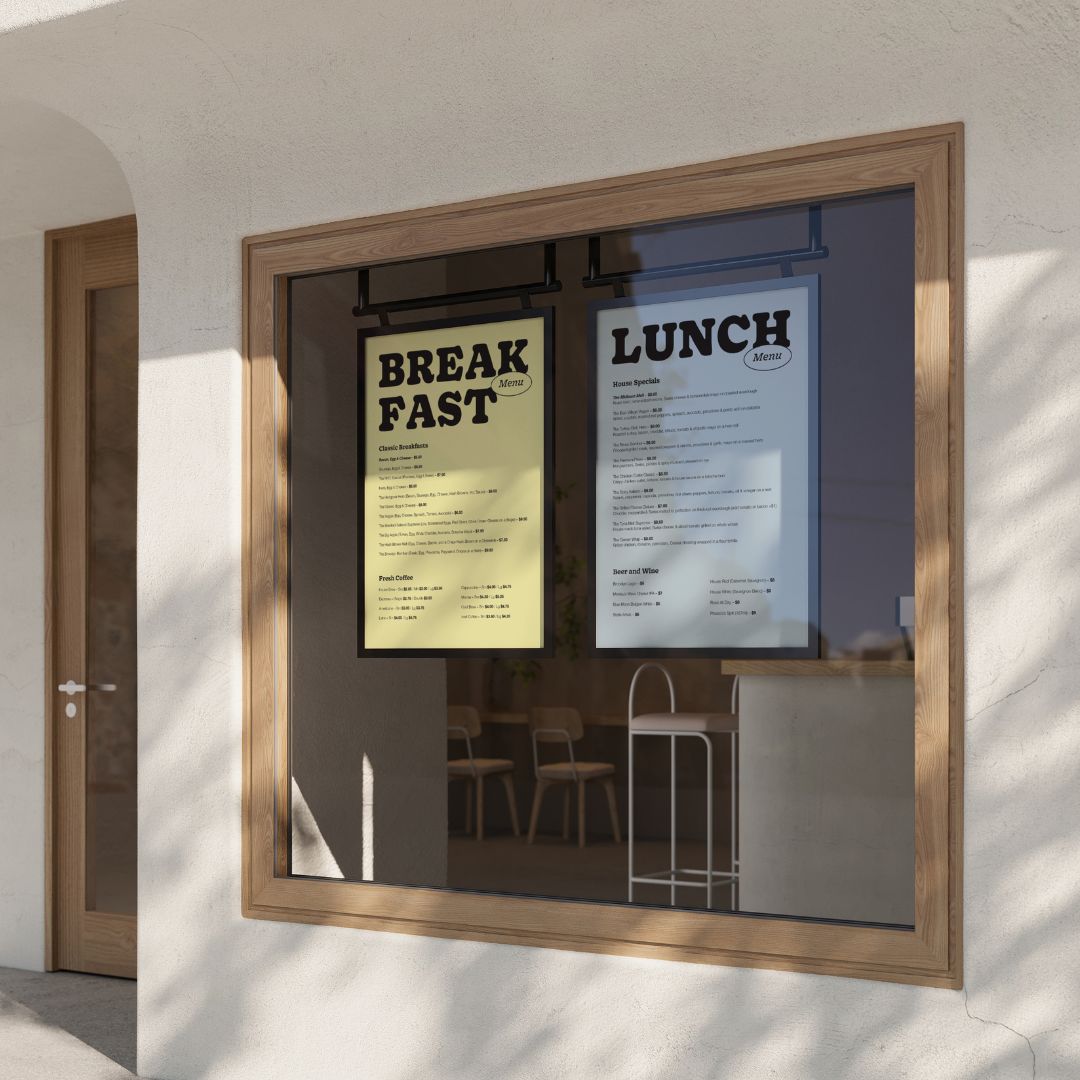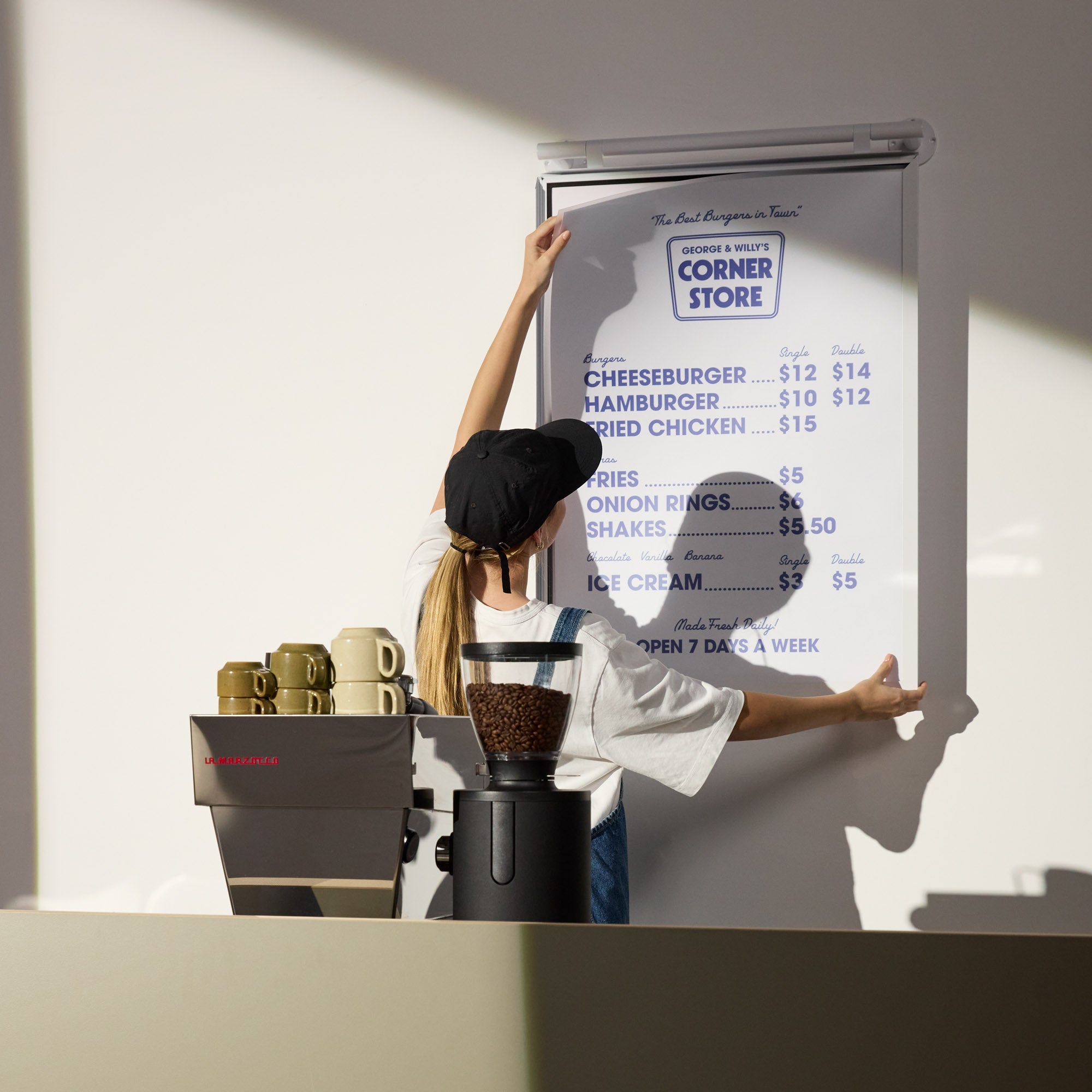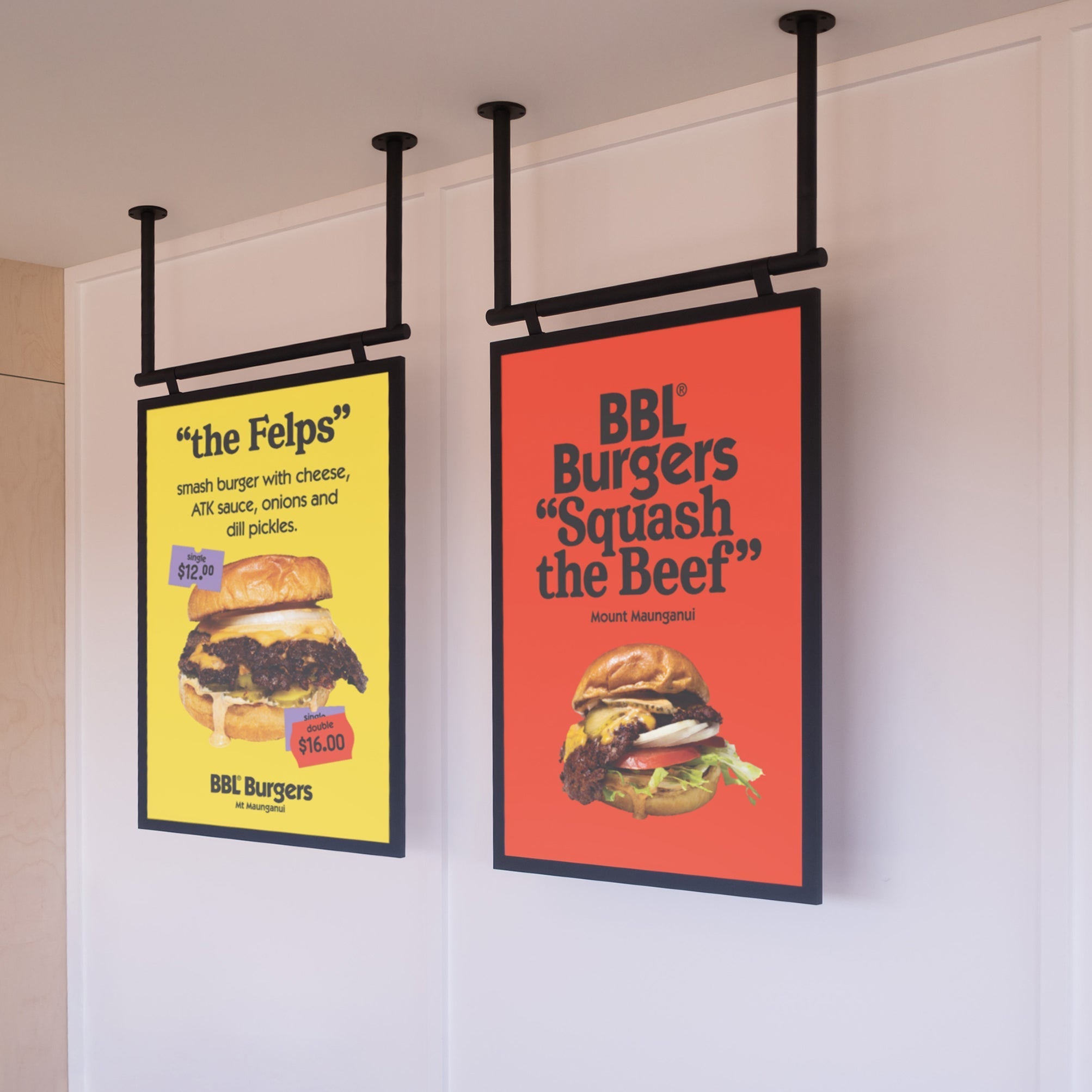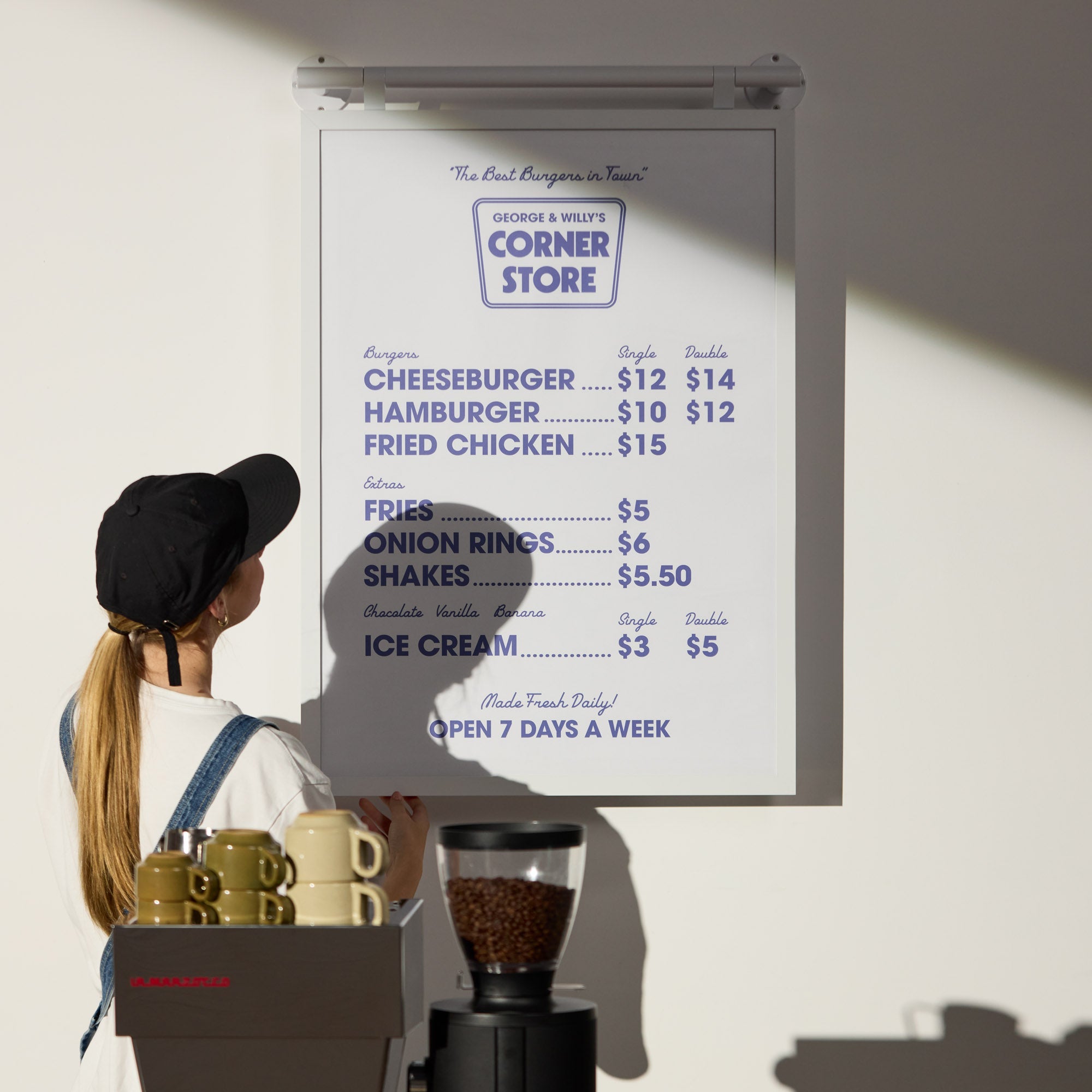




An outdoor marquee sign is more than just a sign. It’s a beacon for your business, grabbing attention from down the street and turning passersby into customers. Think of the classic, brightly lit signs above old movie theaters. Those are the originals. Today, these powerful signs have evolved, but their purpose remains the same: to make a bold statement.
Historically, theaters used marquee signs to announce film titles and stars, projecting over the entrance to create a sense of occasion. Now, you’ll find outdoor marquee signs everywhere, from cafes and boutiques to schools and hotels. They are a versatile and effective way to announce your presence, share a message, and define your brand’s personality.
Built to last, a quality outdoor marquee sign is a fantastic investment. They are constructed with weather resistant materials to stand up to the elements, shining bright through sun and rain. More importantly, they work. Research shows that an impressive 76% of consumers have walked into a store for the first time simply because a sign caught their eye. That’s the power of great signage.
Types of Outdoor Marquee Signs
Outdoor marquee signs are not a one size fits all solution. They come in several styles, each with its own vibe and function. Understanding the options is the first step to finding the perfect match for your business.
Traditional Marquee Signs
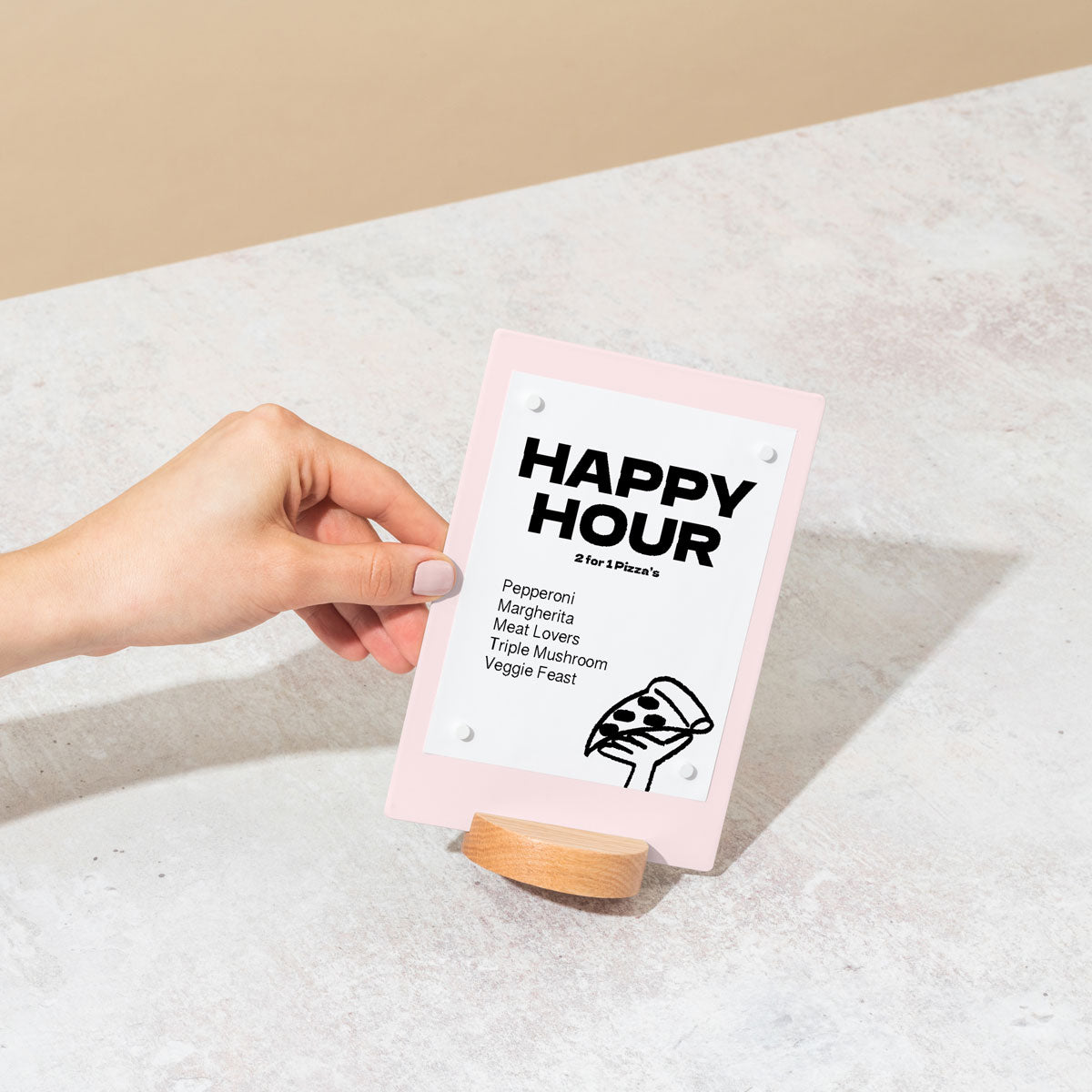
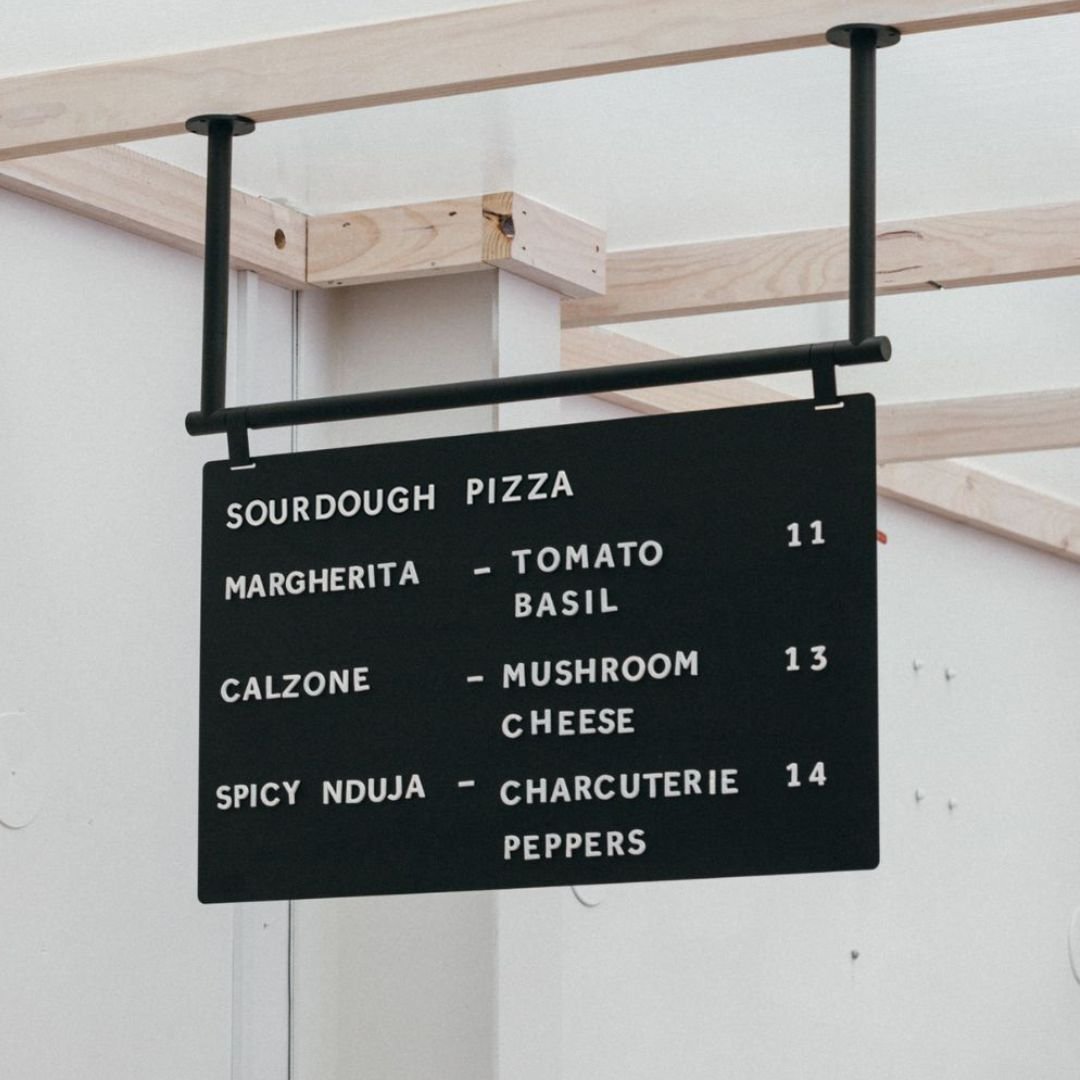
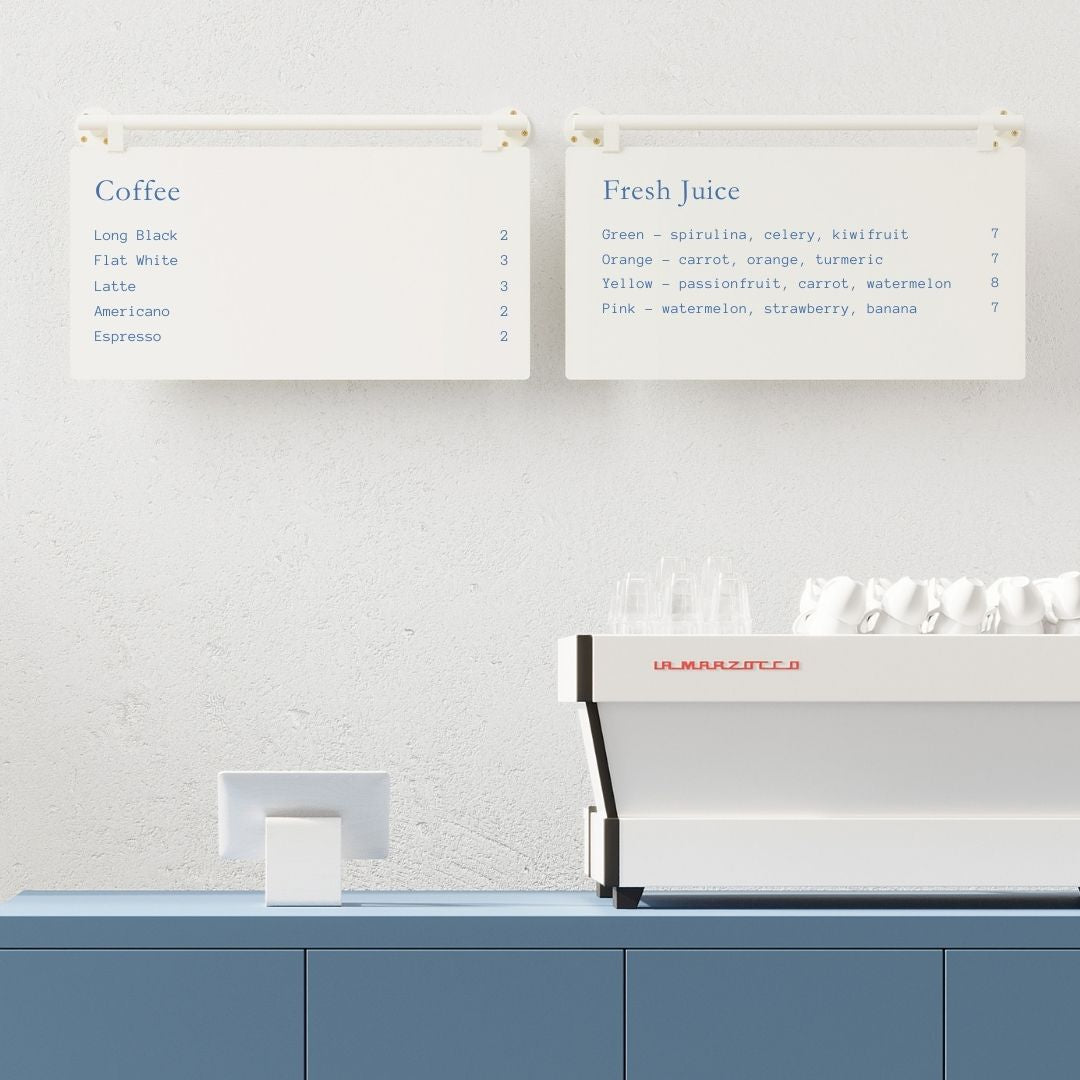
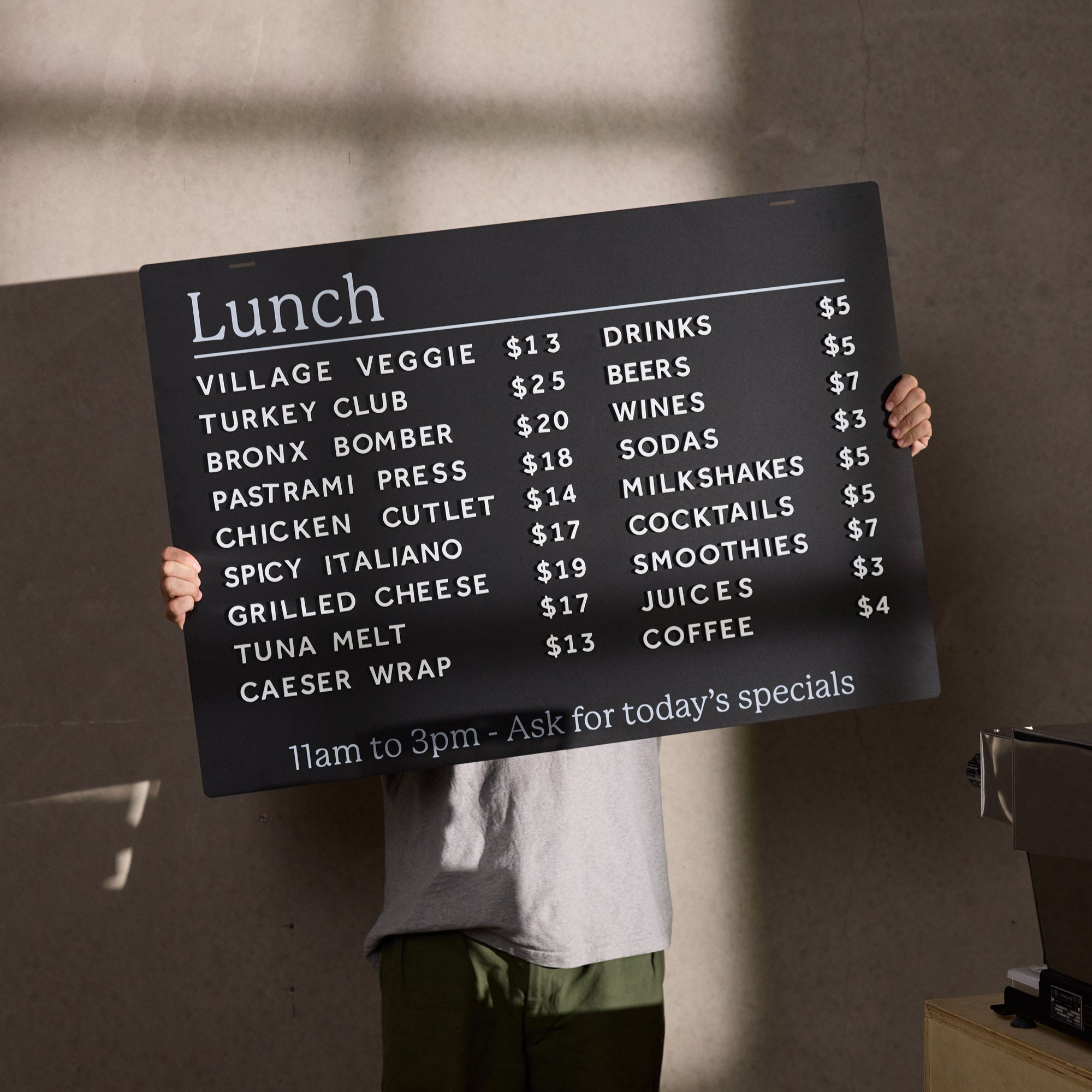
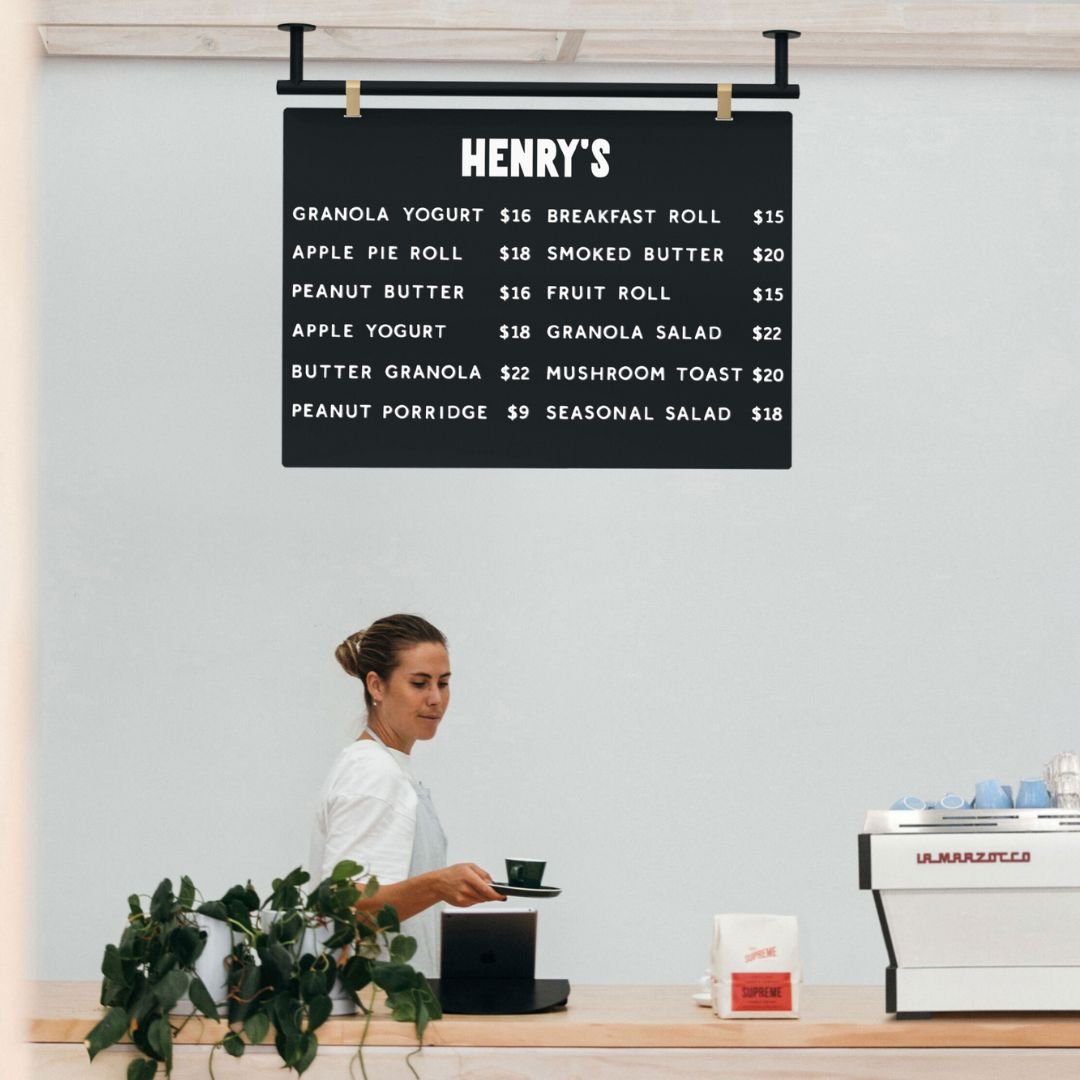
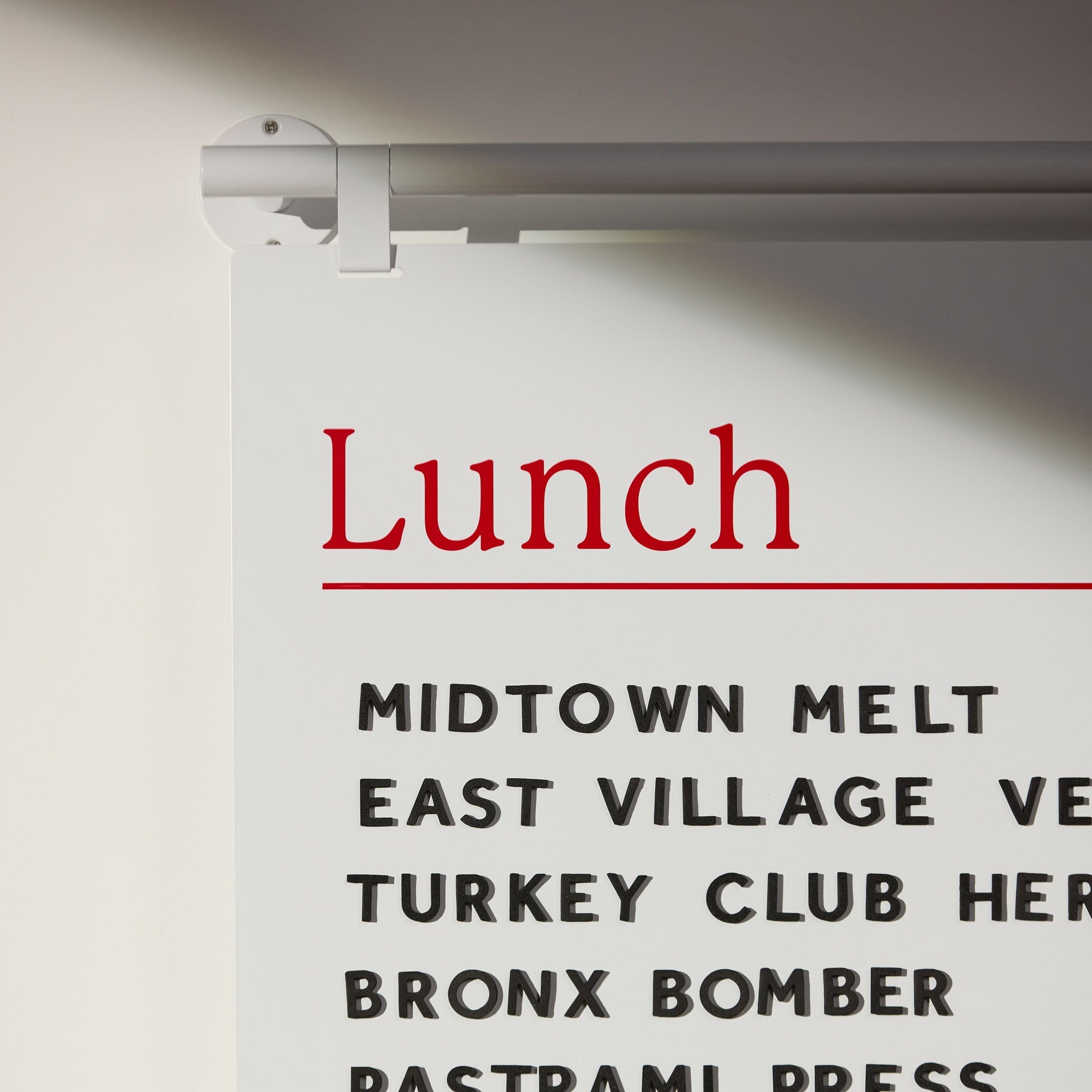
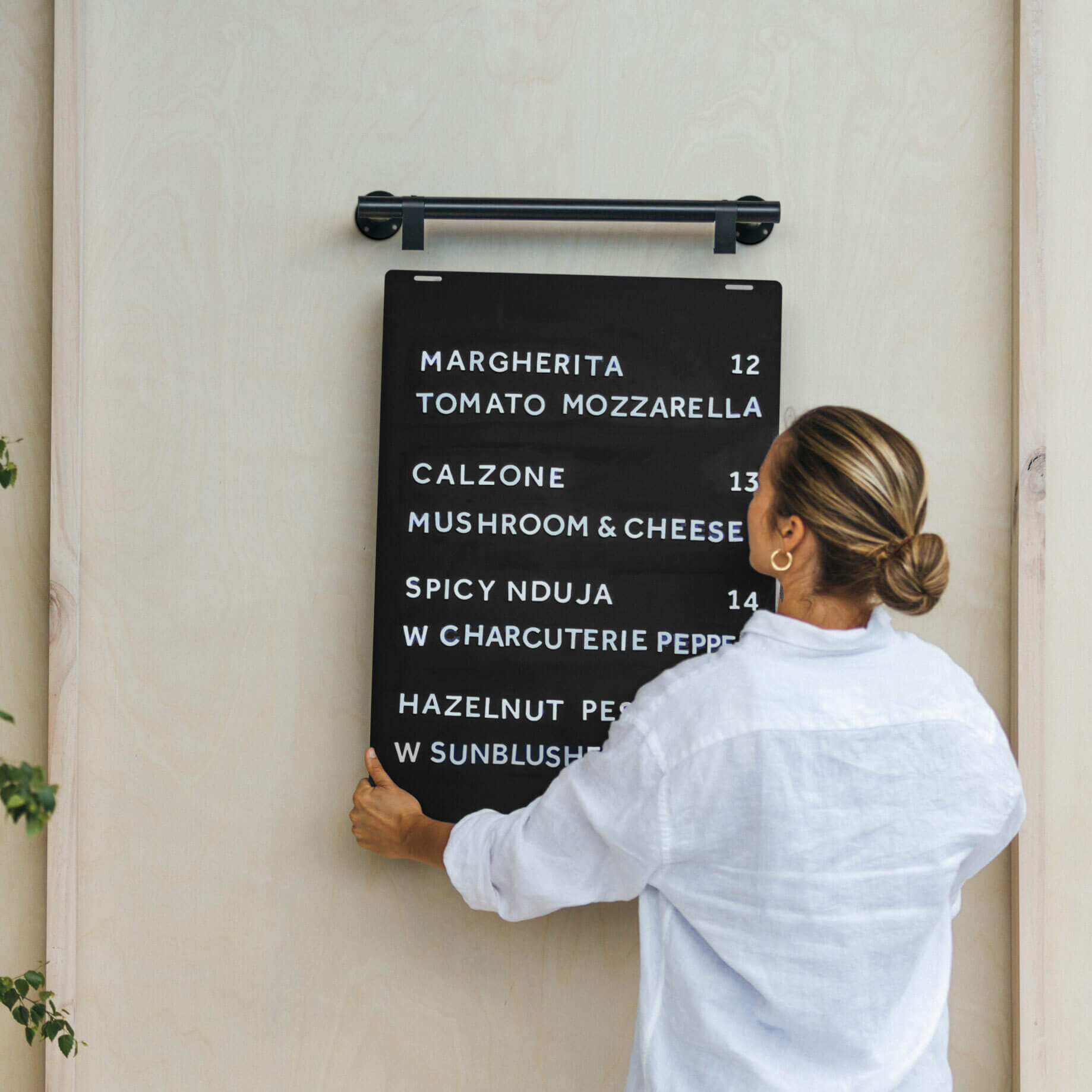
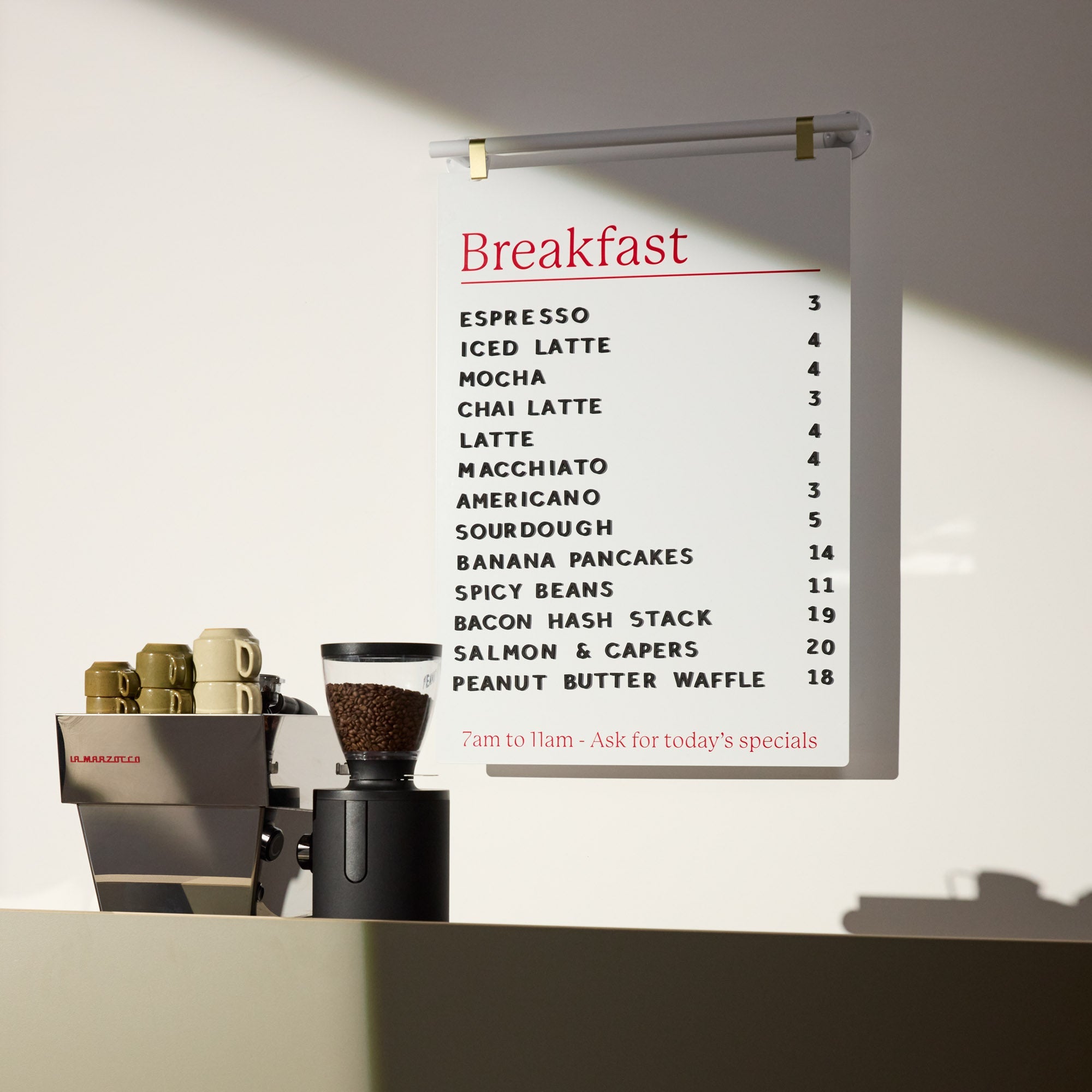
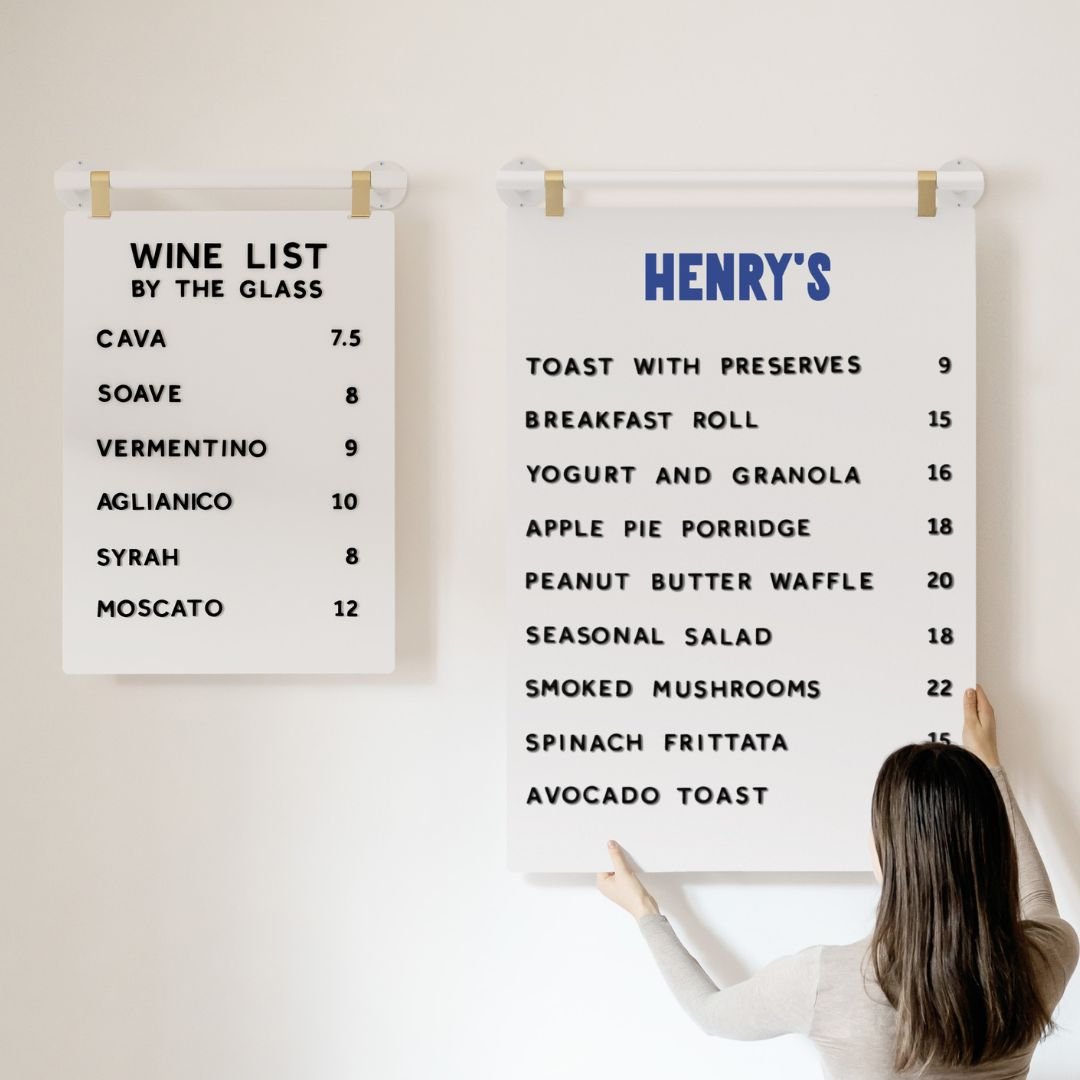
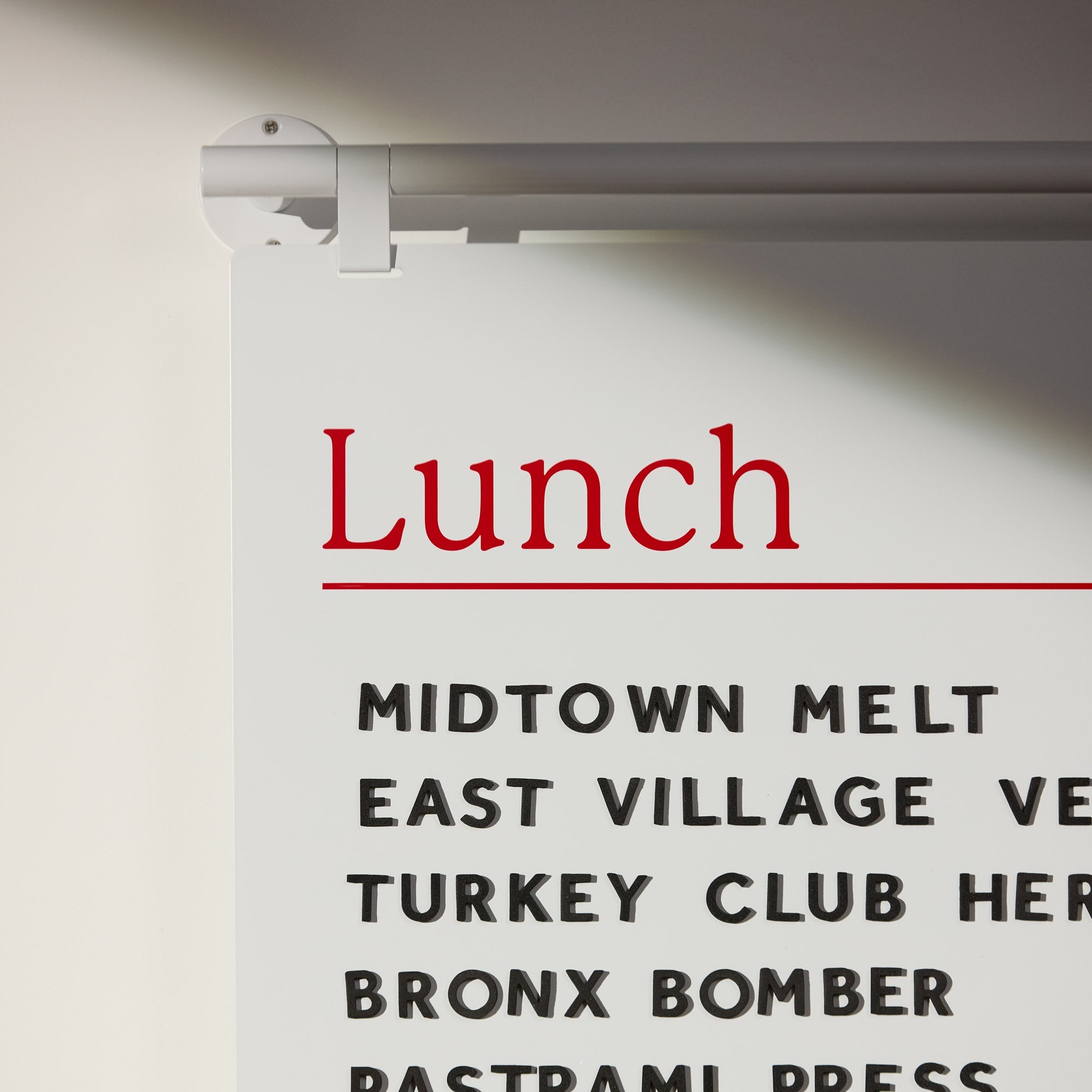
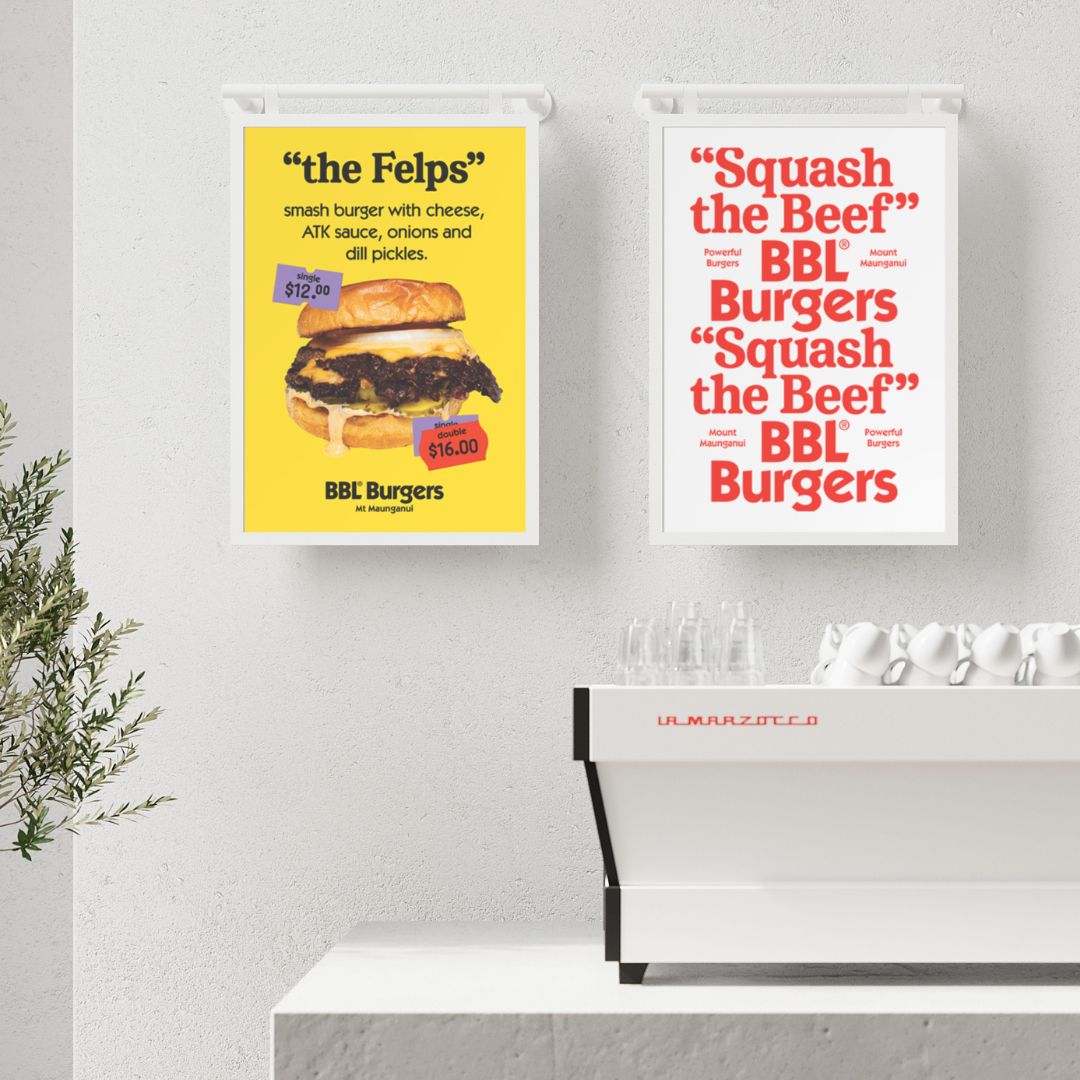
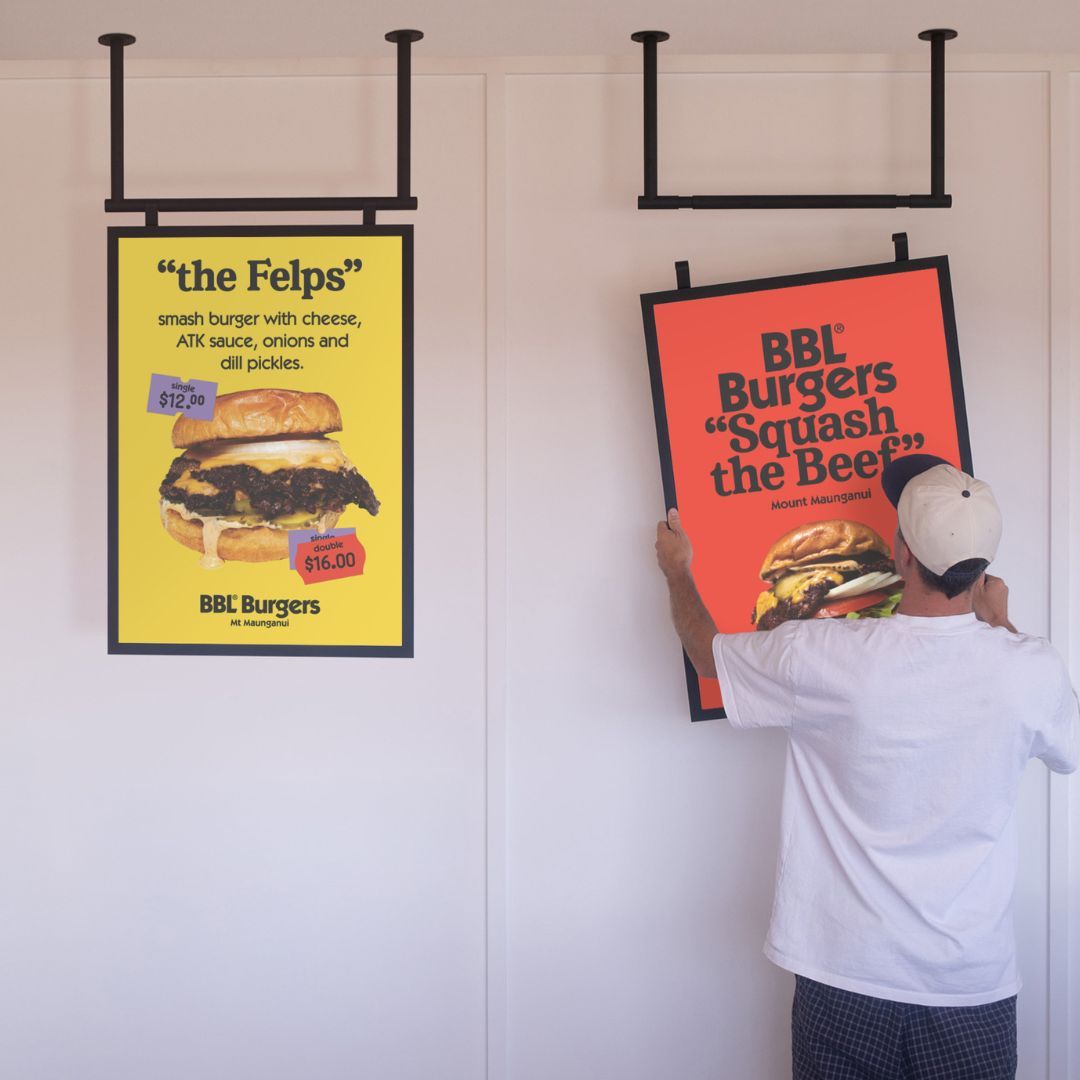
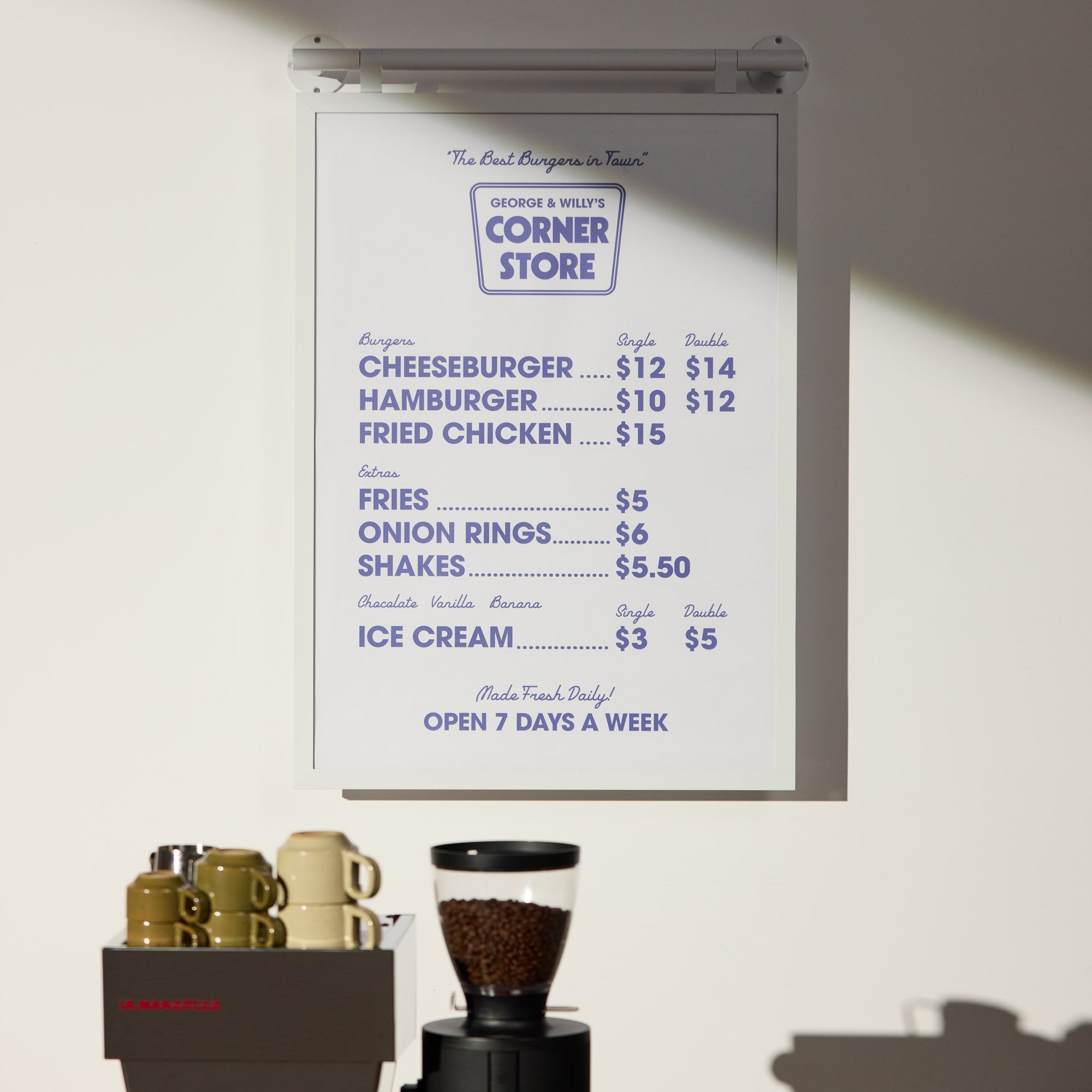
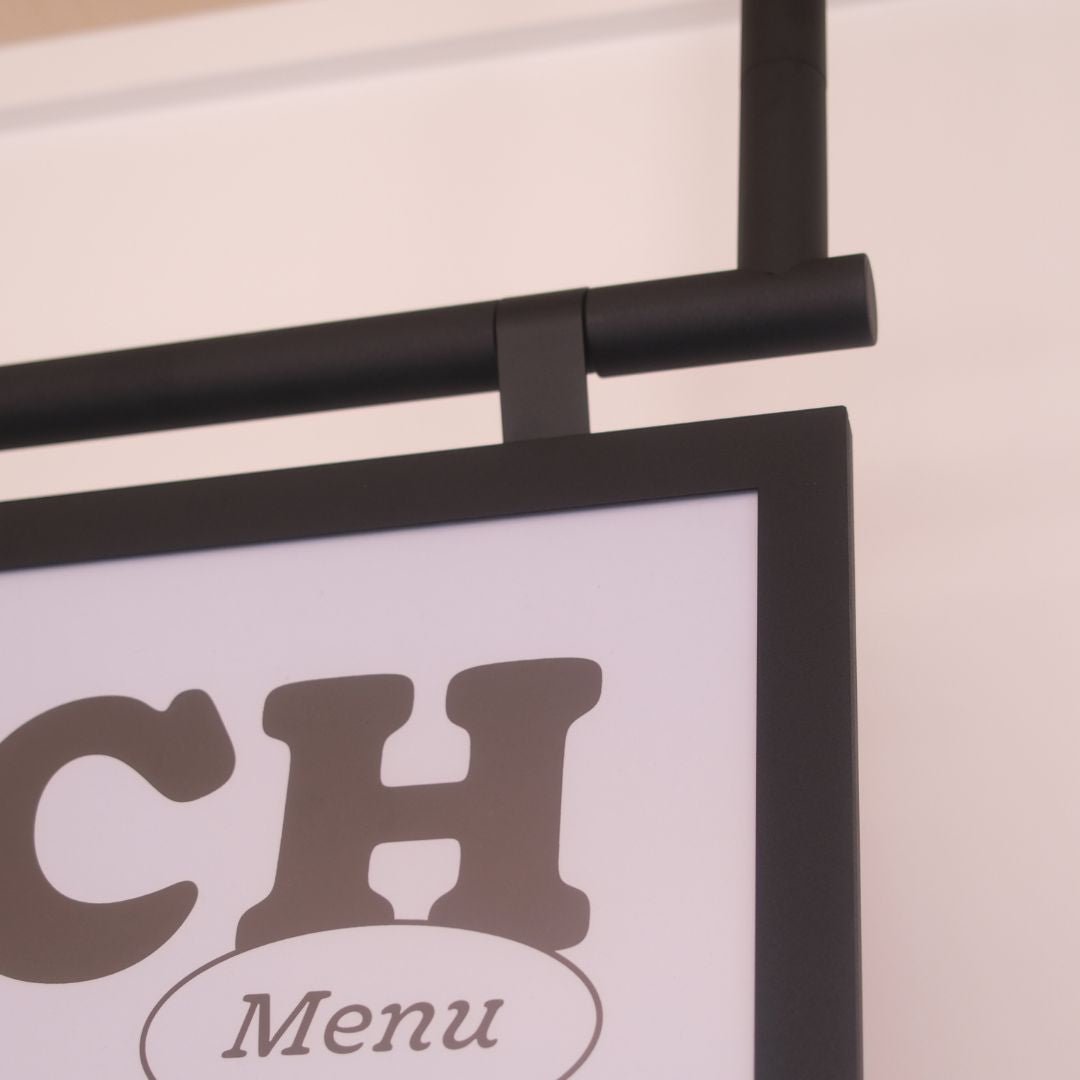
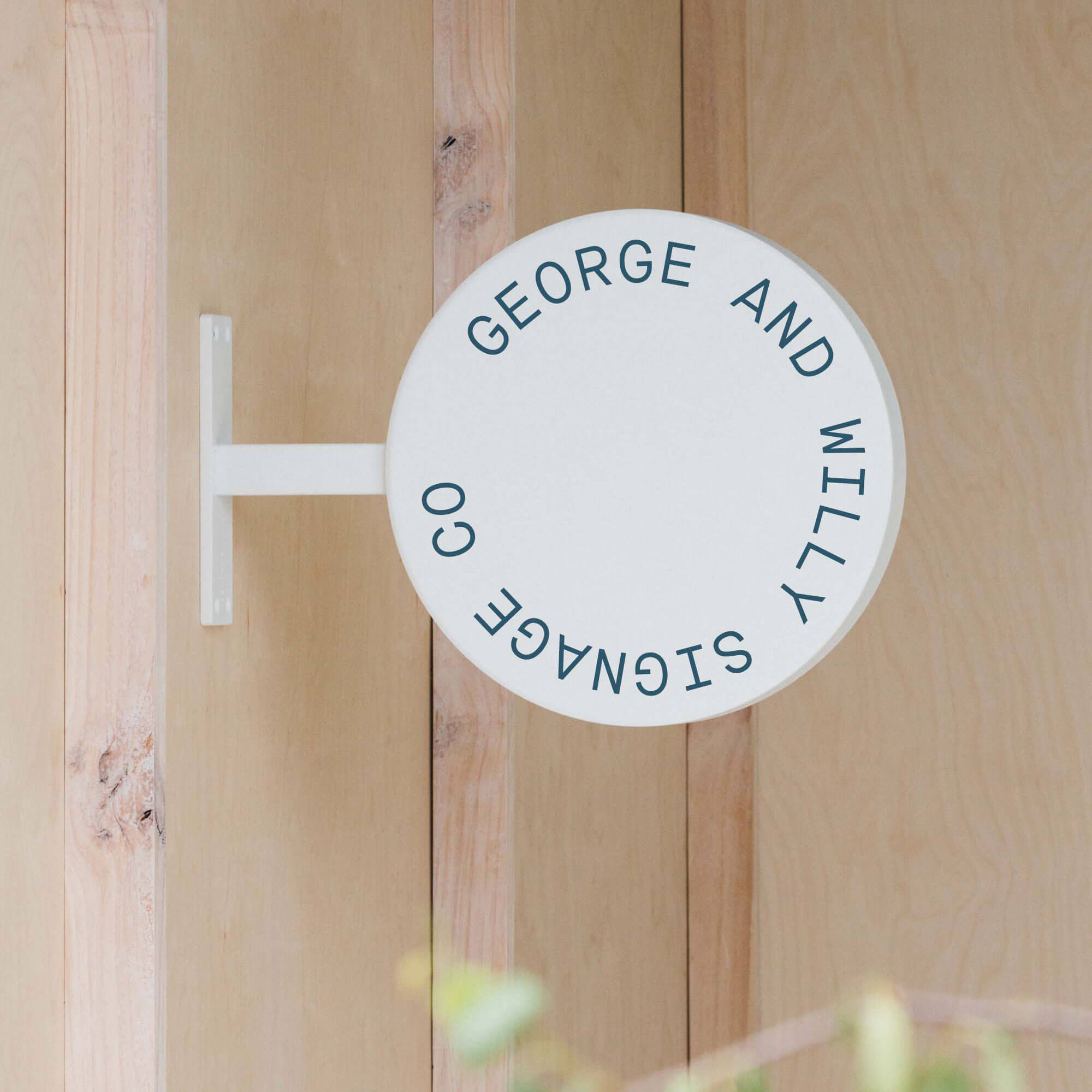
Often called blade signs, these are the classic style you might picture mounted on a building’s facade, like a Rectangle Blade Sign. They project outward and typically feature static or manually changeable letters. This style is cost effective and highly customizable, making it a popular choice for small businesses wanting to make a strong visual impact without breaking the bank. While they may not be digital, they can be backlit for nighttime visibility.
LED Marquee Signs
Modern and vibrant, LED marquee signs use energy efficient lighting to create an incredibly bright and eye catching display. They pack a visual punch day or night. Thanks to the longevity of LED technology, these signs have a long lifespan and are inexpensive to run. Many modern theaters and venues have upgraded to programmable LED displays that can even feature animated messages.
Electronic Message Centers (EMCs)
Think of an EMC as a fully digital outdoor marquee sign. It’s a programmable screen that can display dynamic text, graphics, and even animations. They are perfect for businesses that need to update information frequently, like gas stations showing fuel prices or banks advertising new rates. Before you get too excited, remember to check local regulations. Some areas have rules about how often the message can change to prevent distracting drivers.
Reader Board Marquees
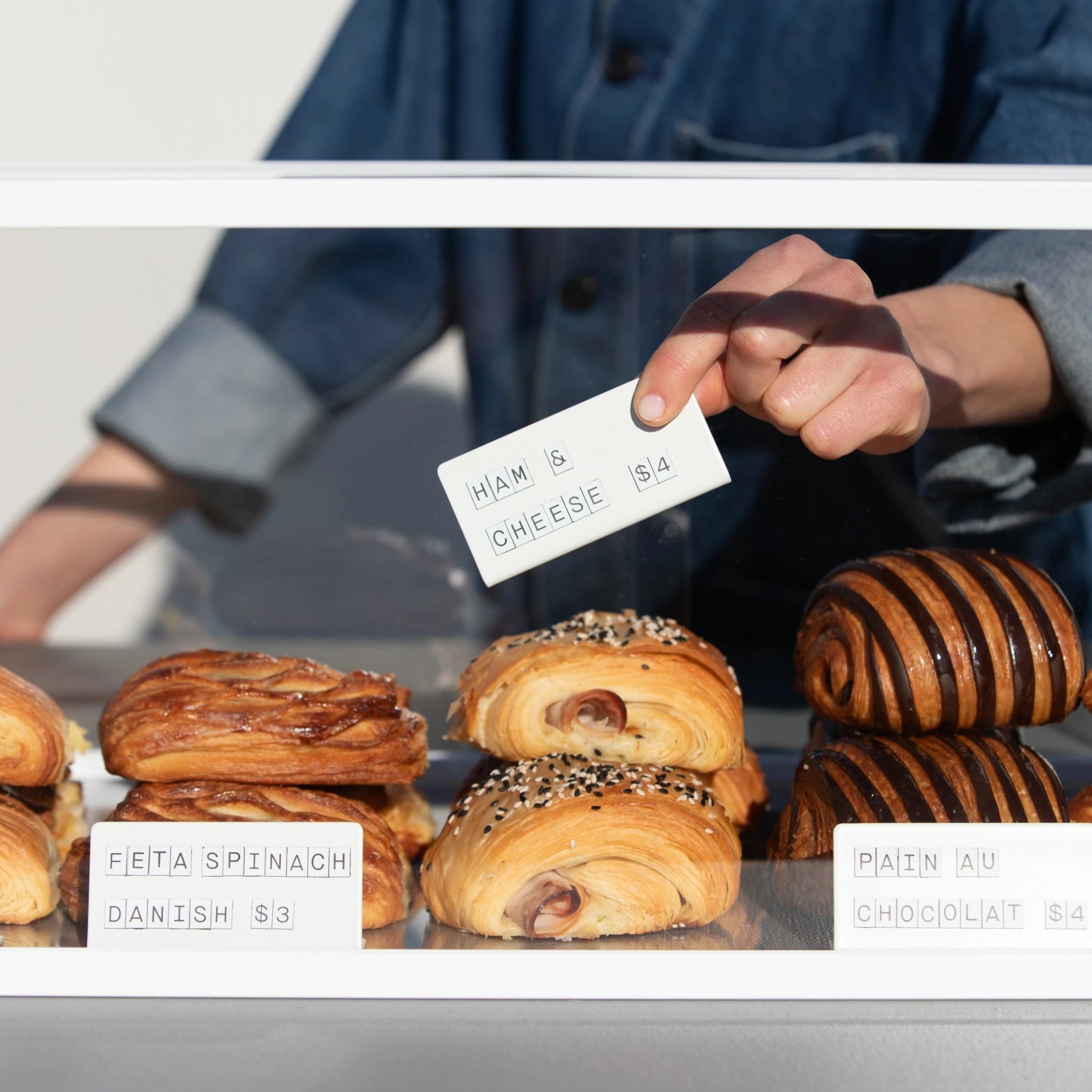
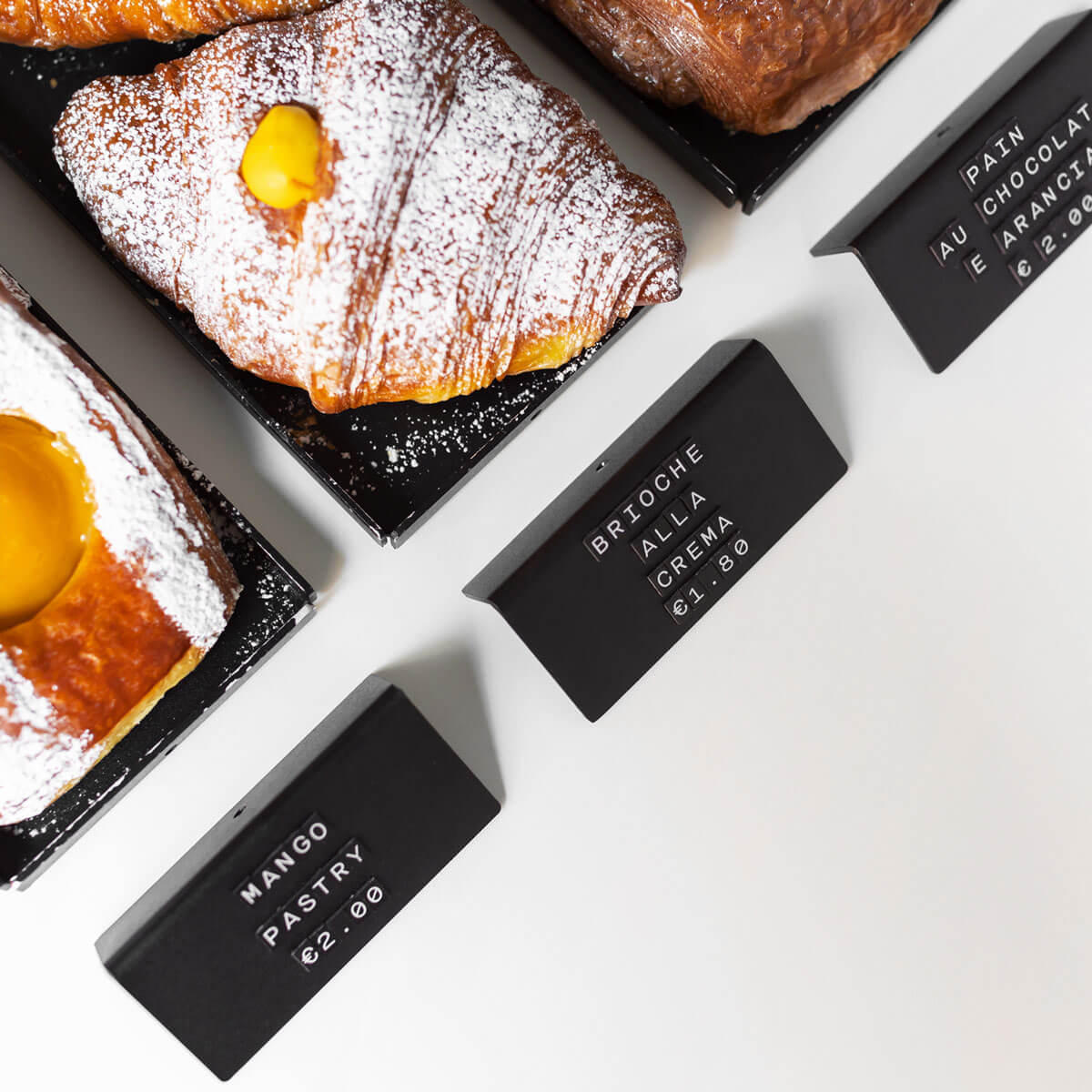
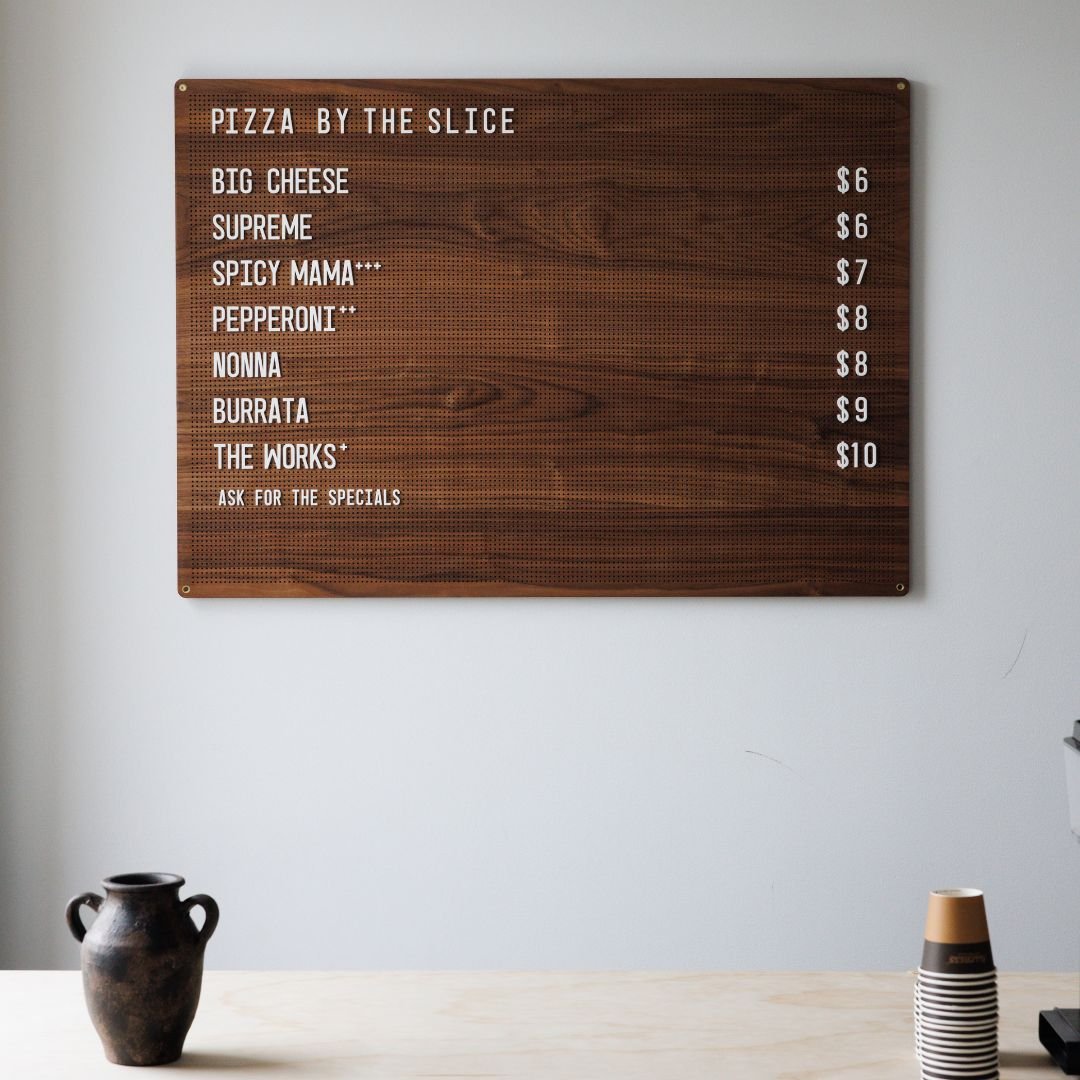
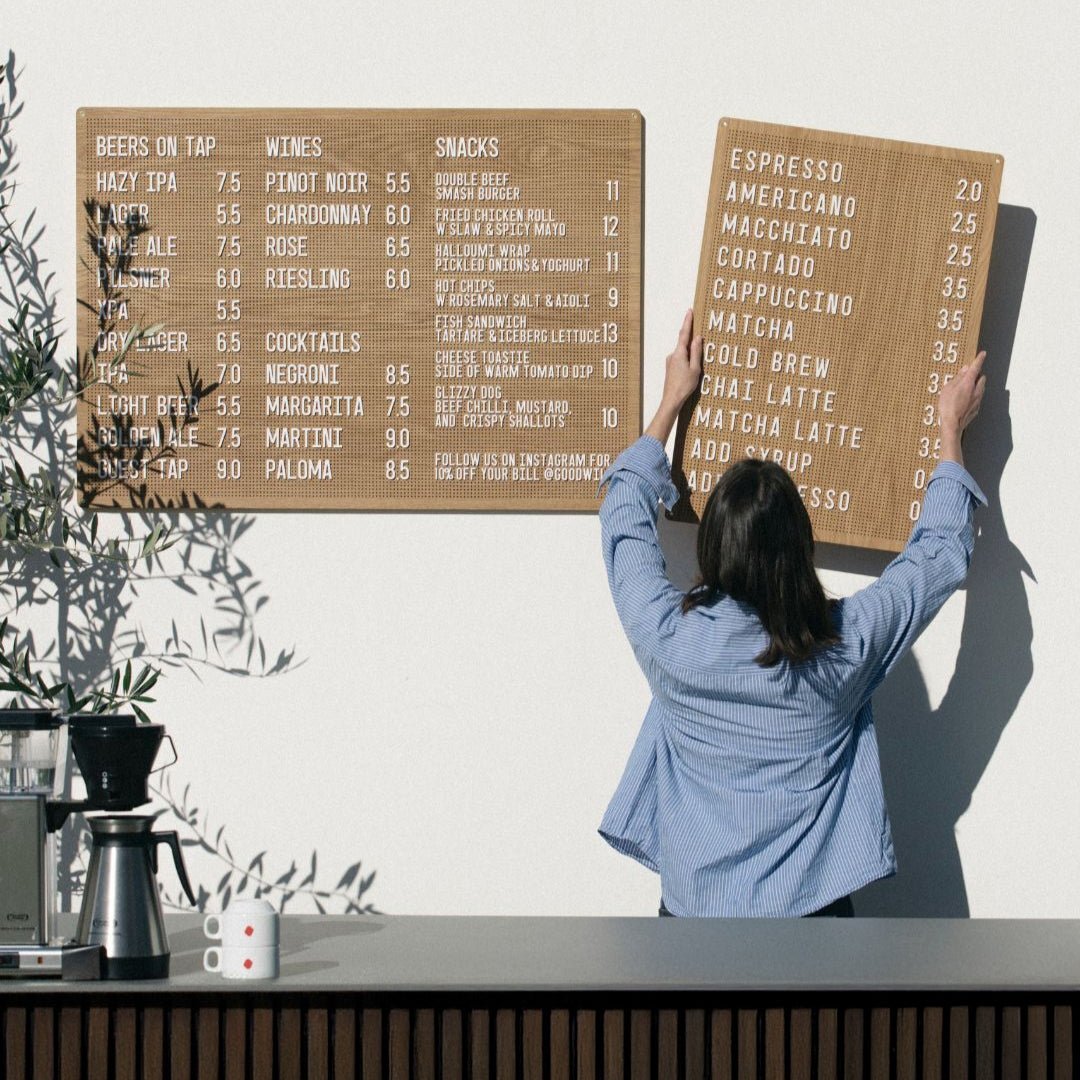
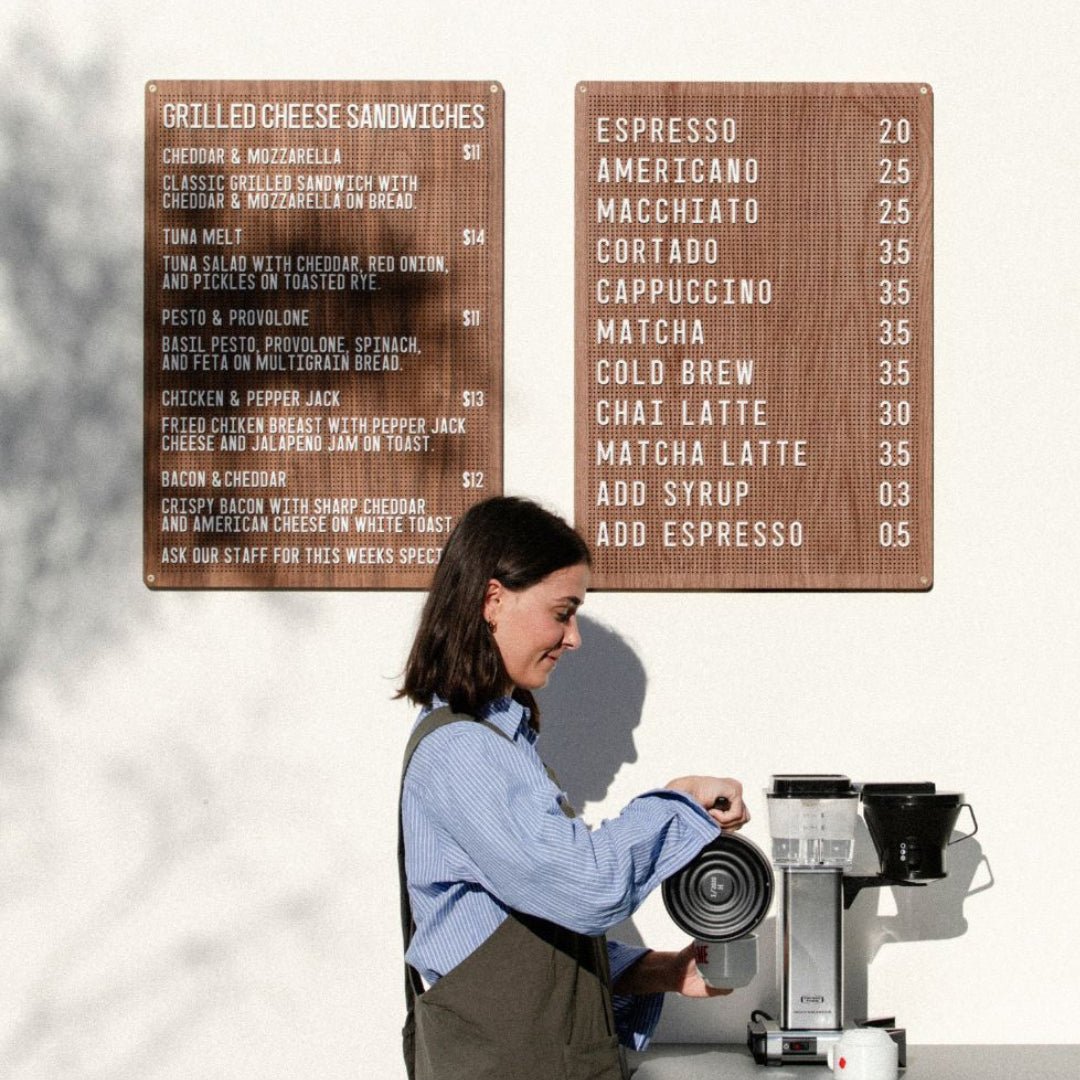
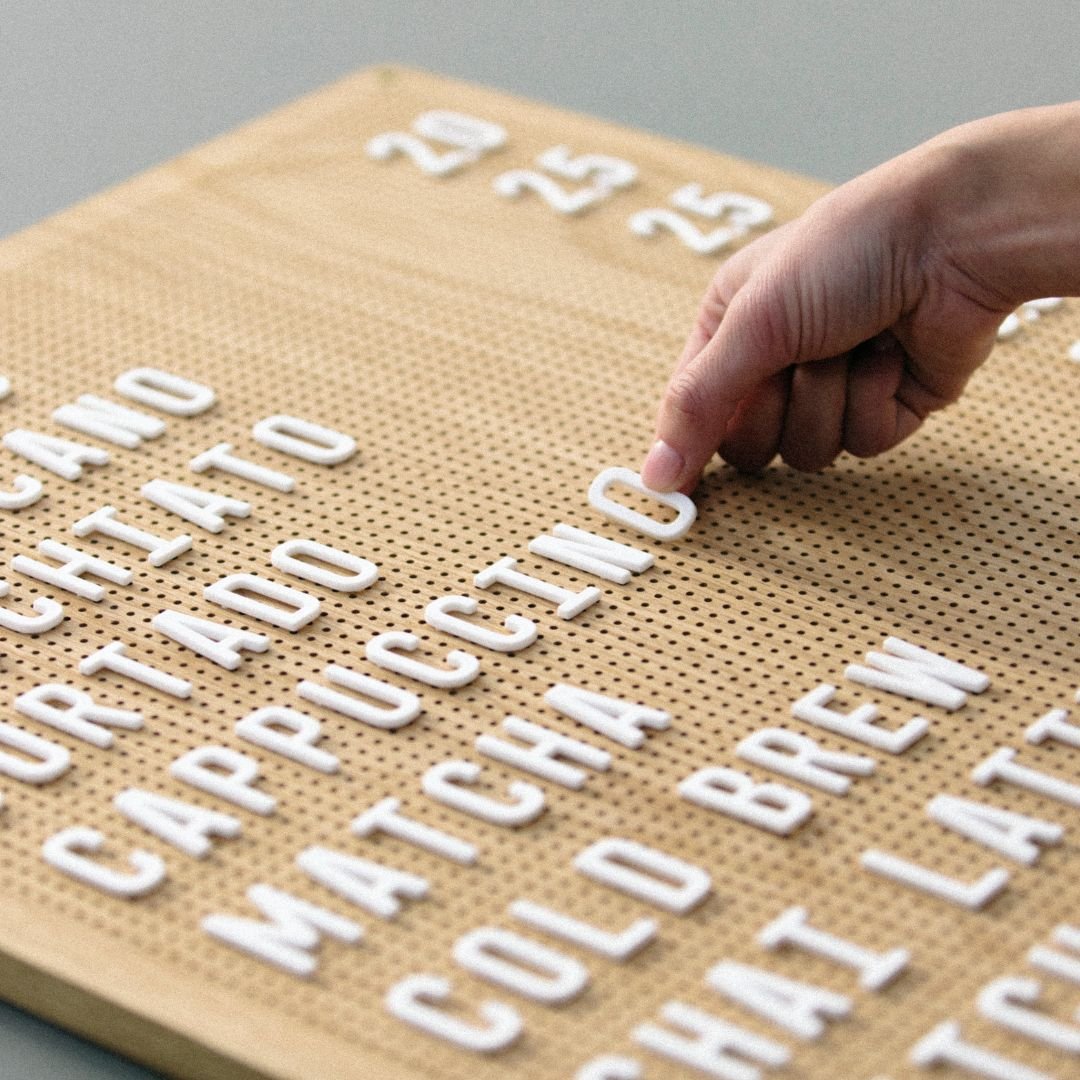
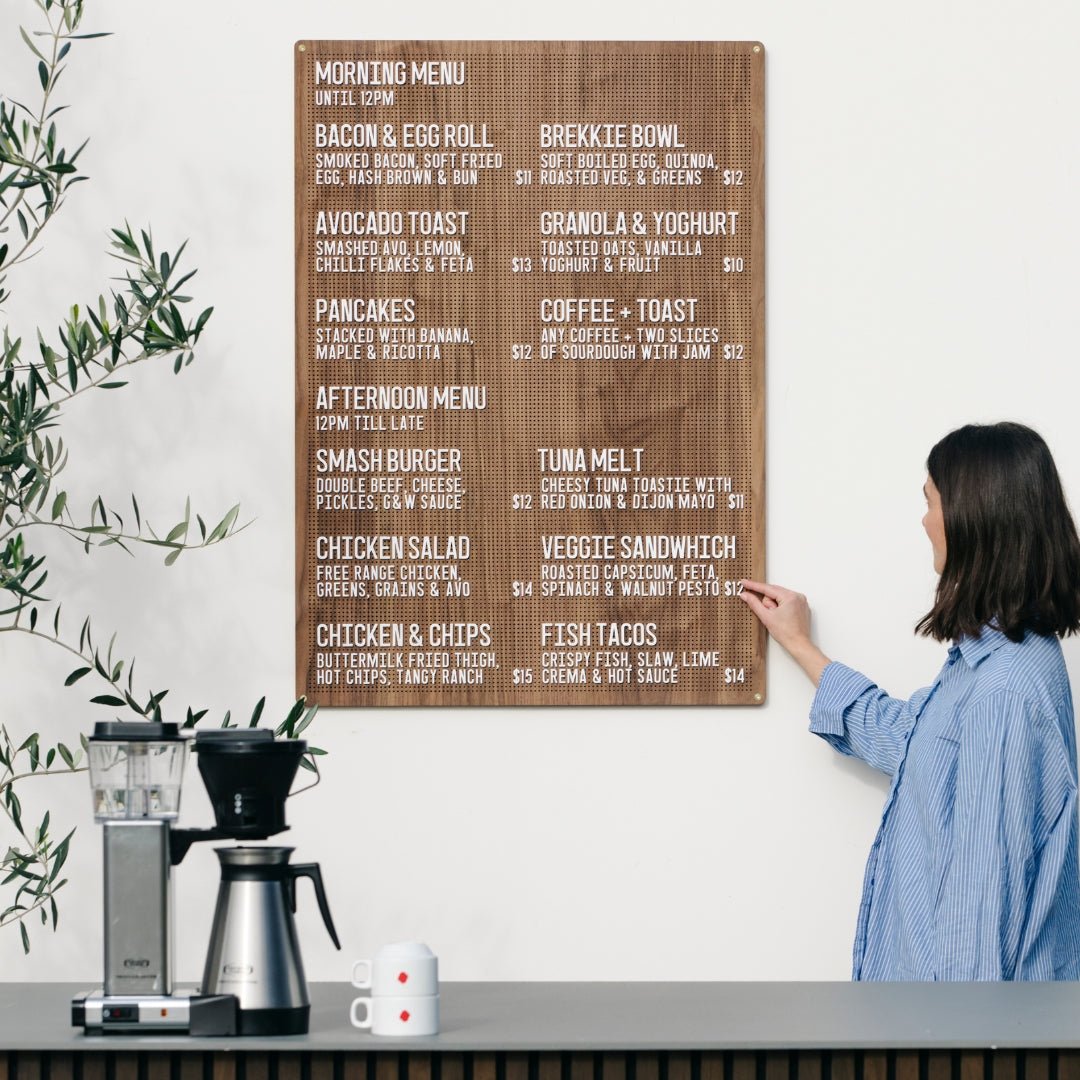
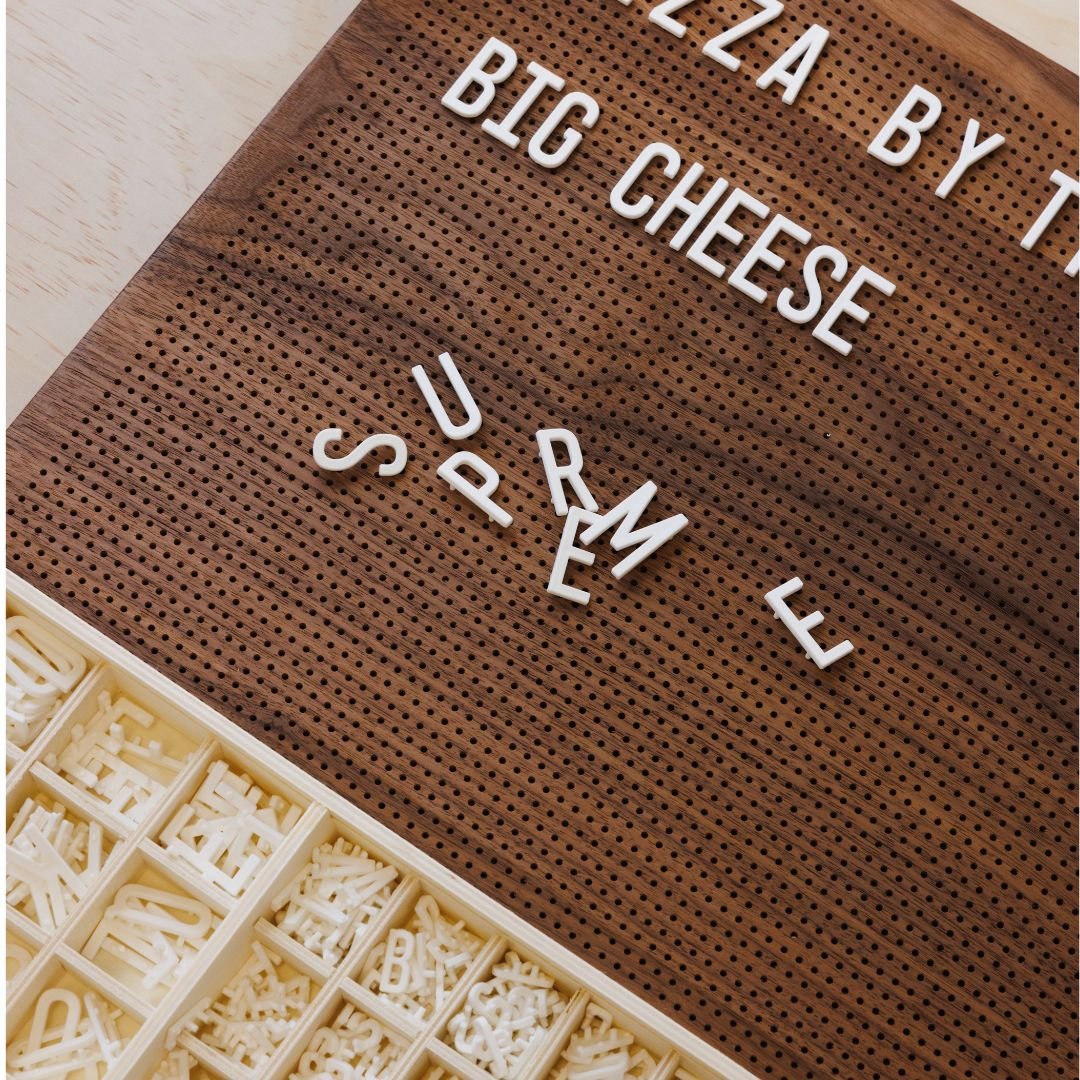
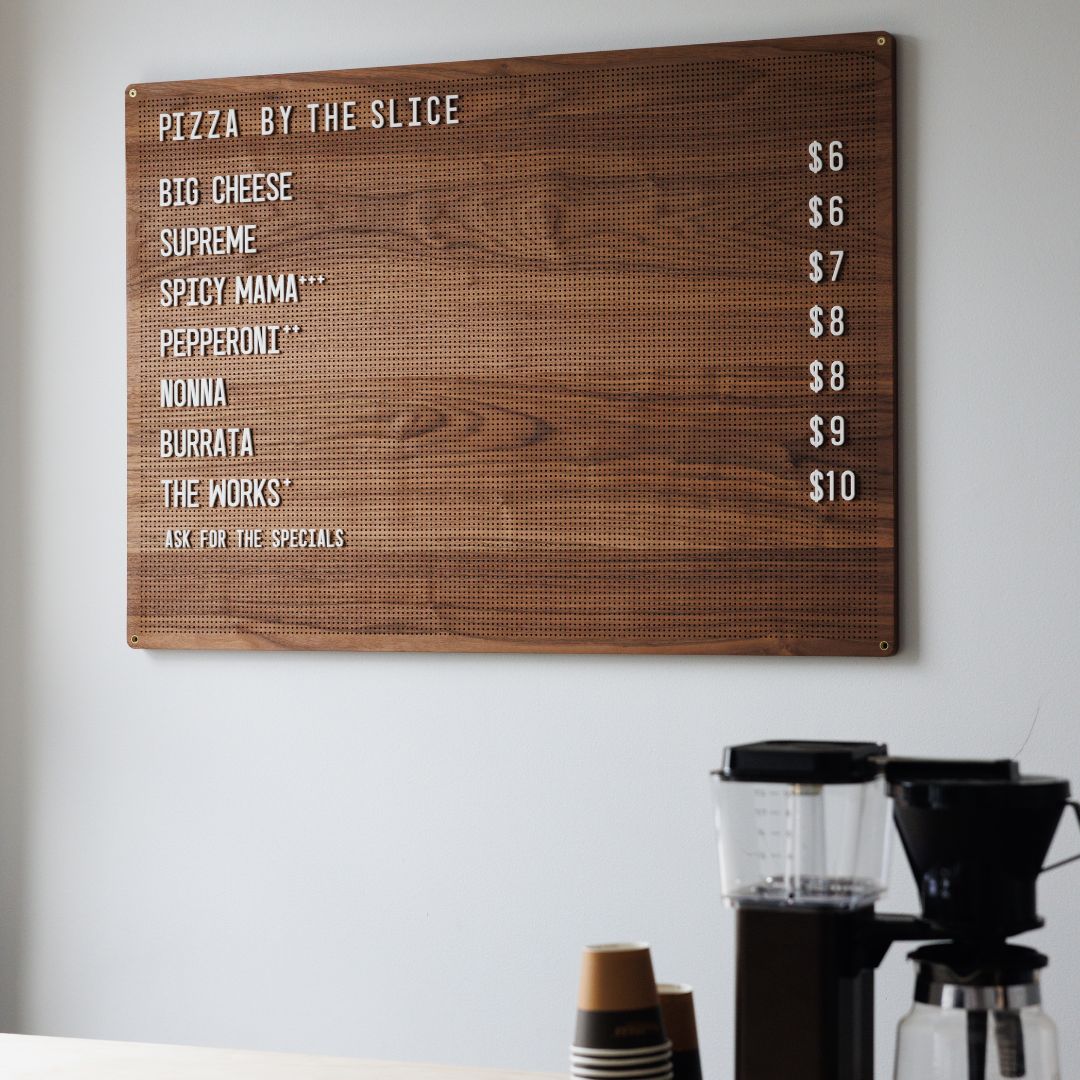
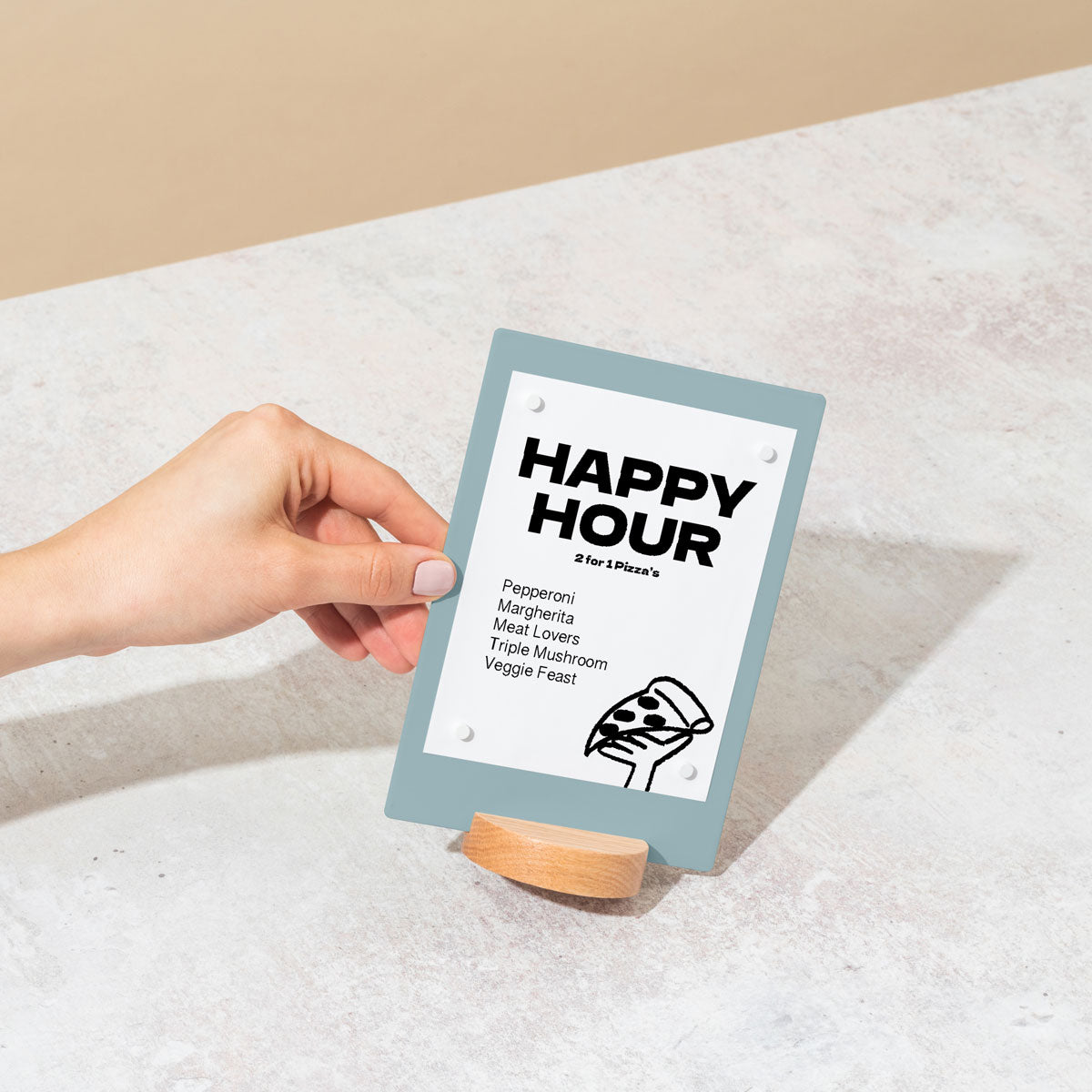
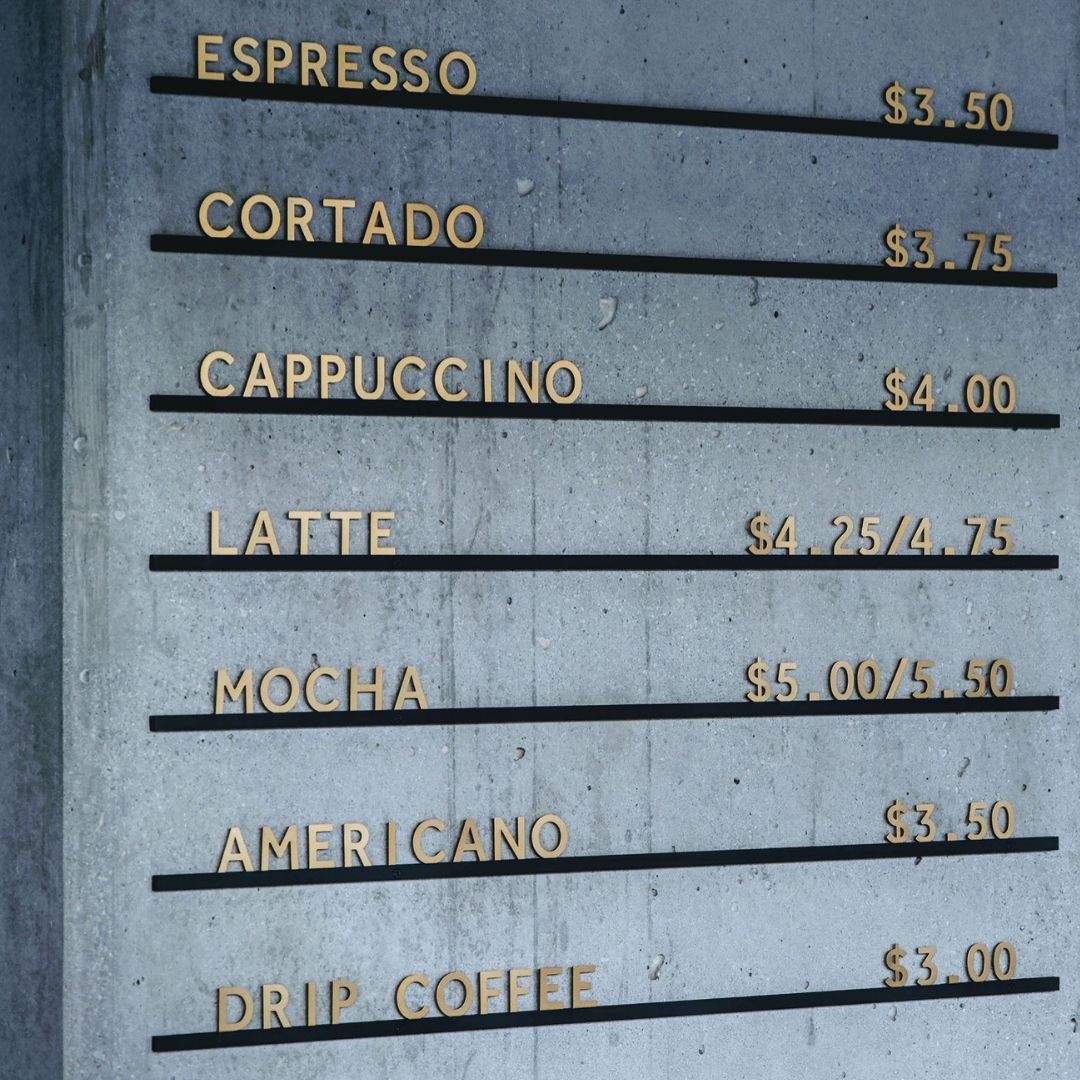
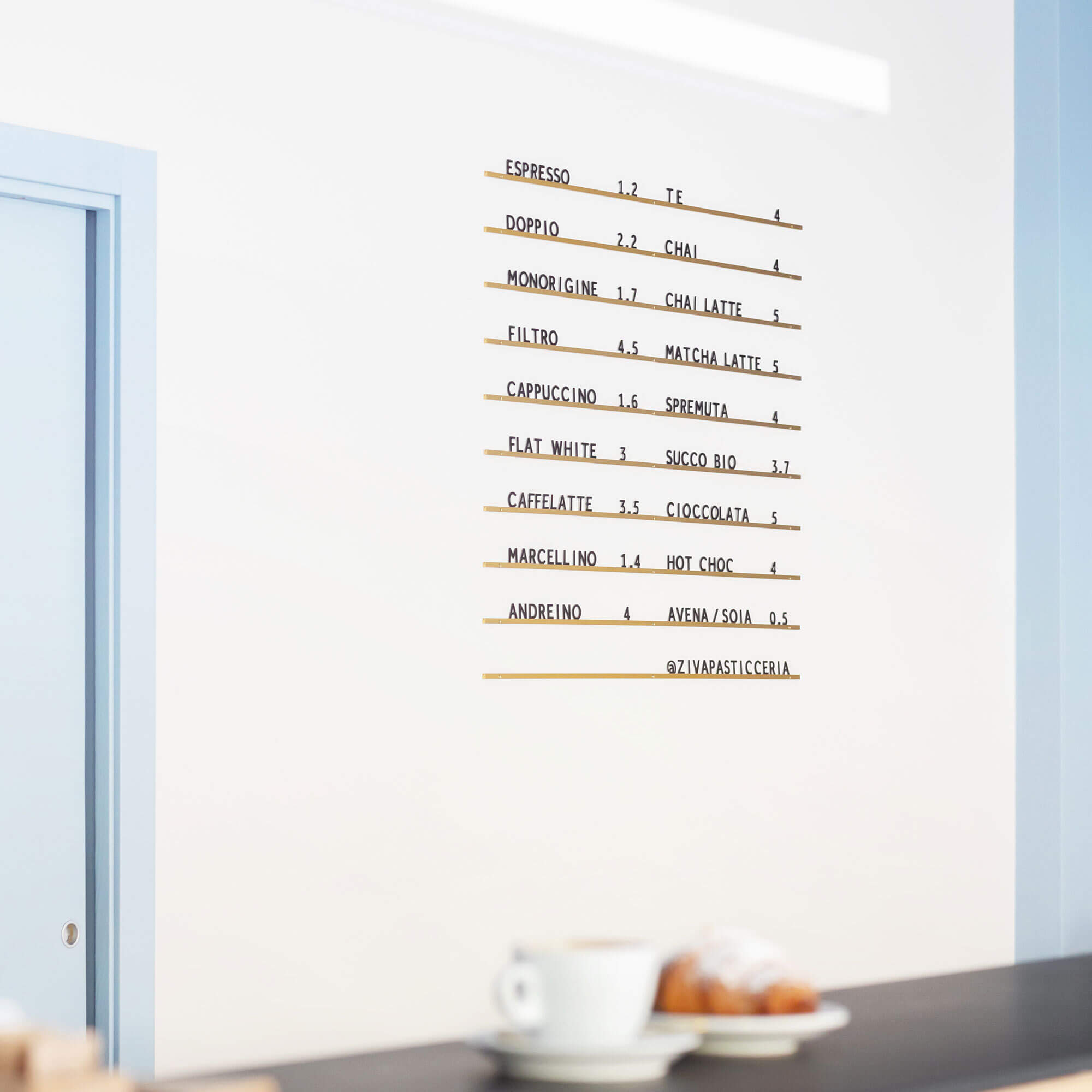
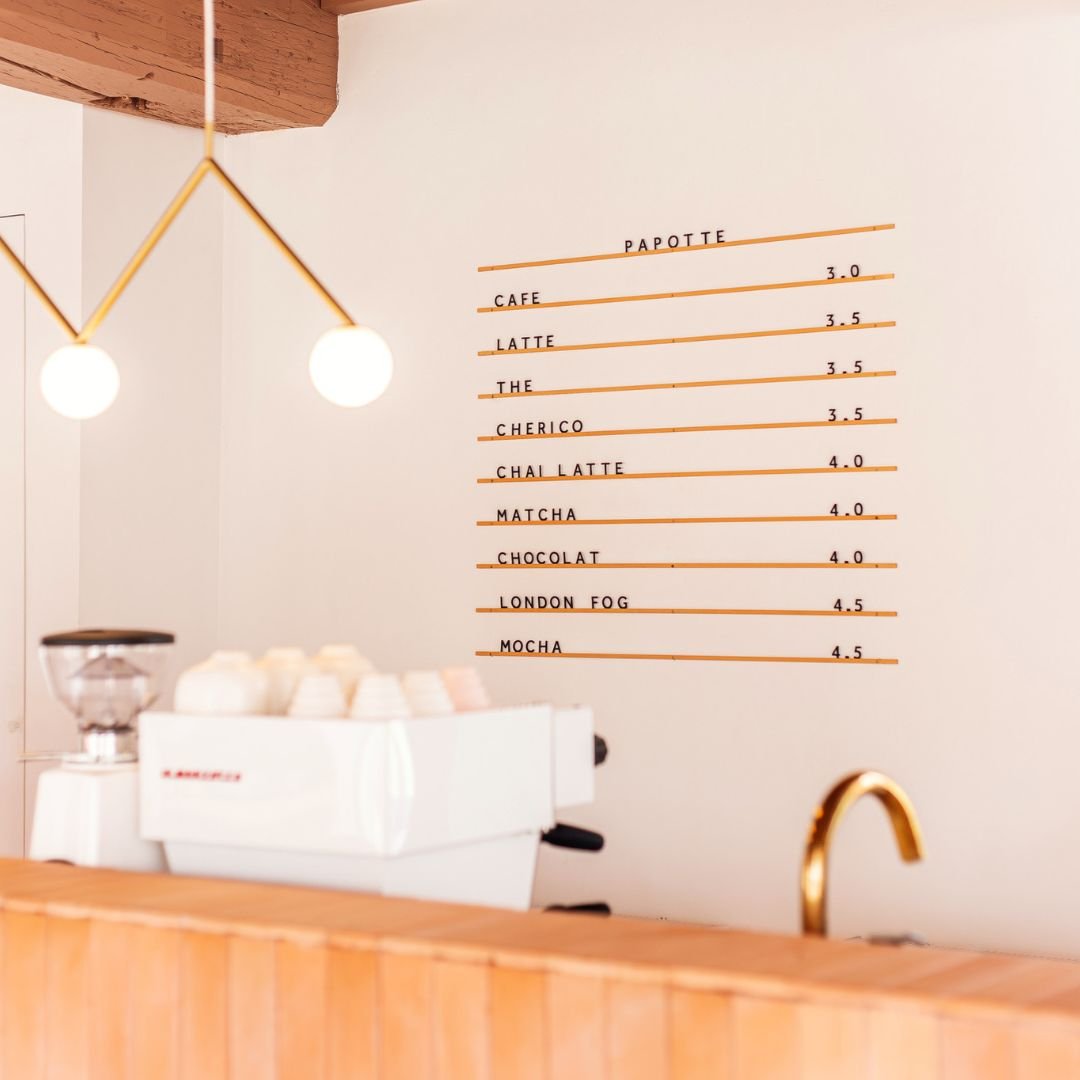
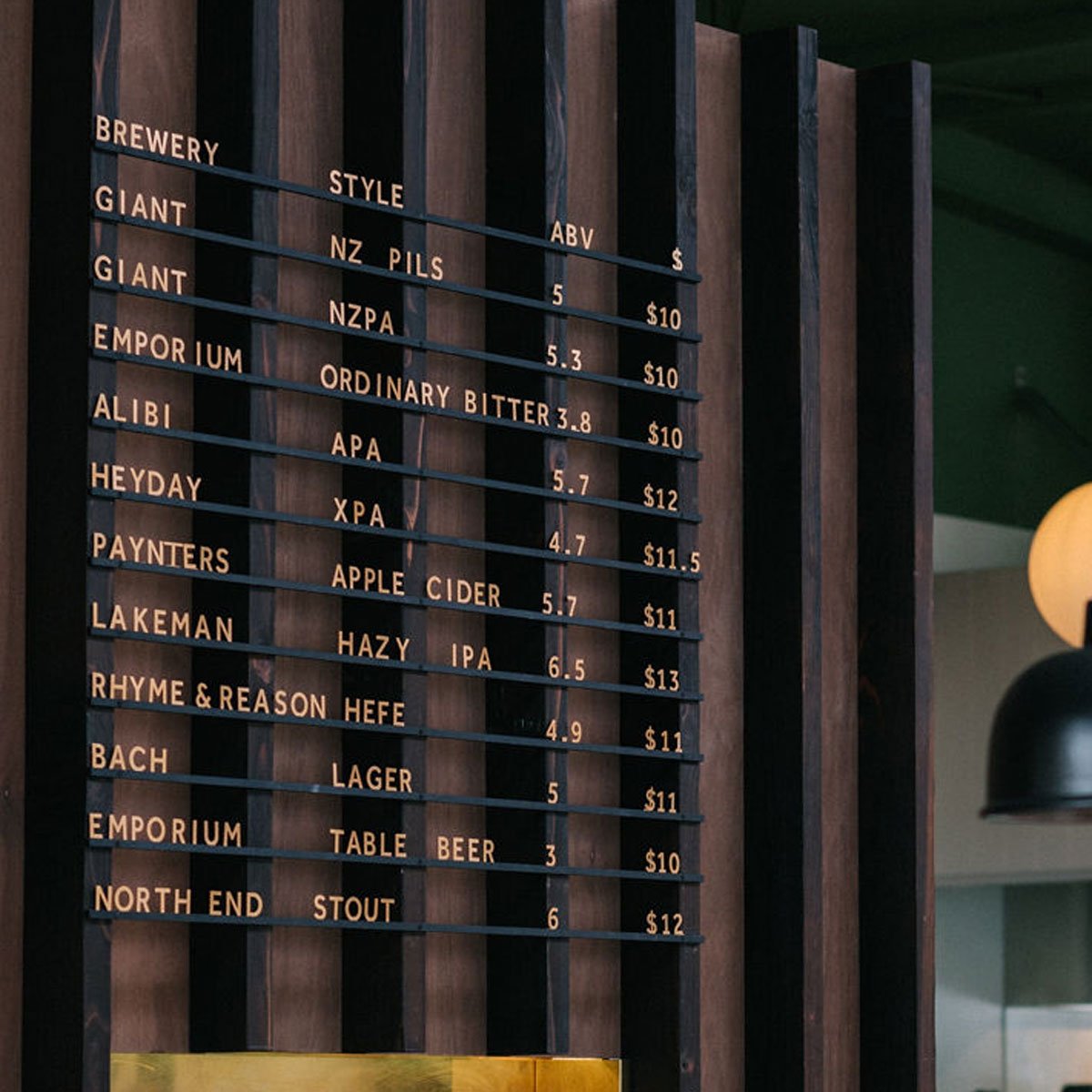
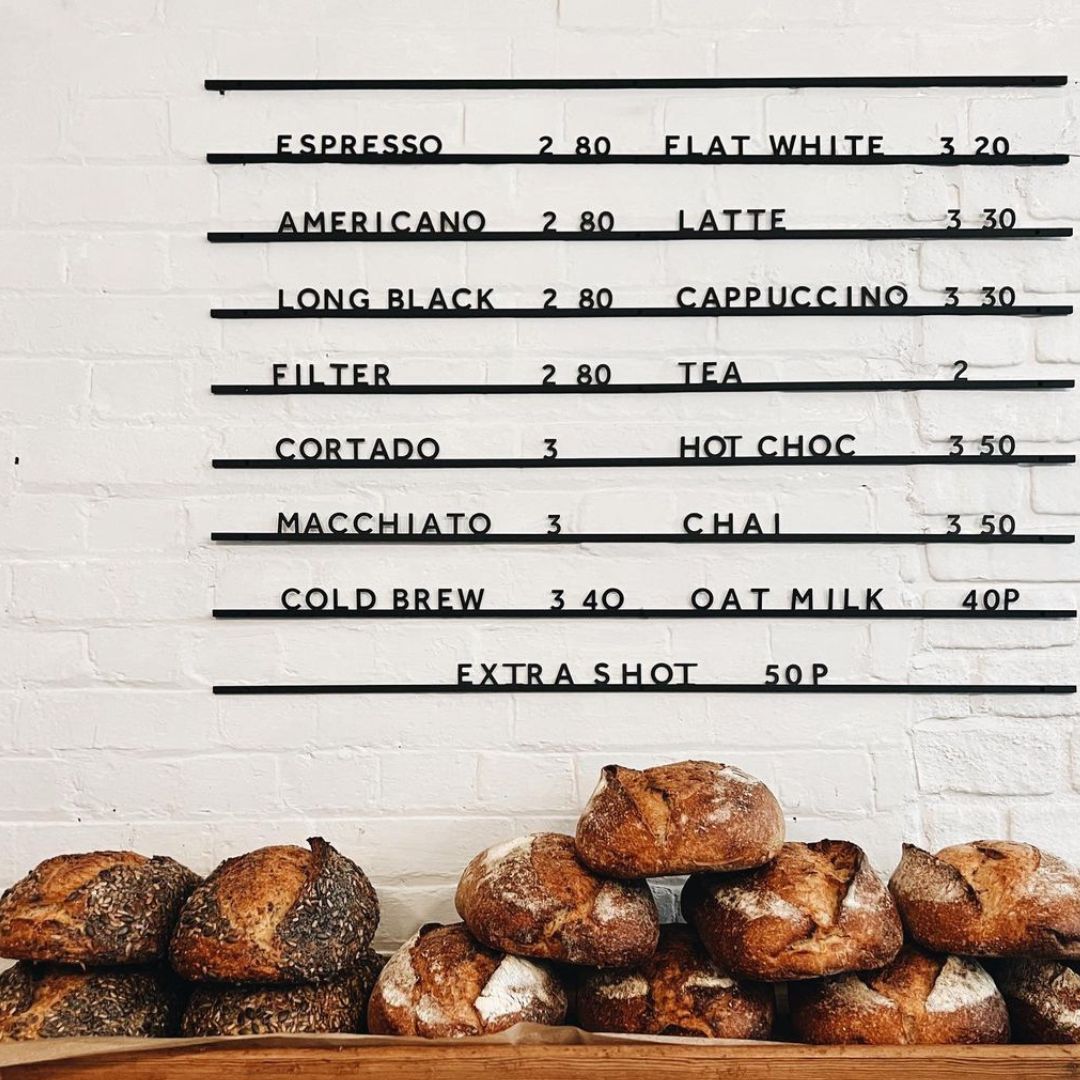
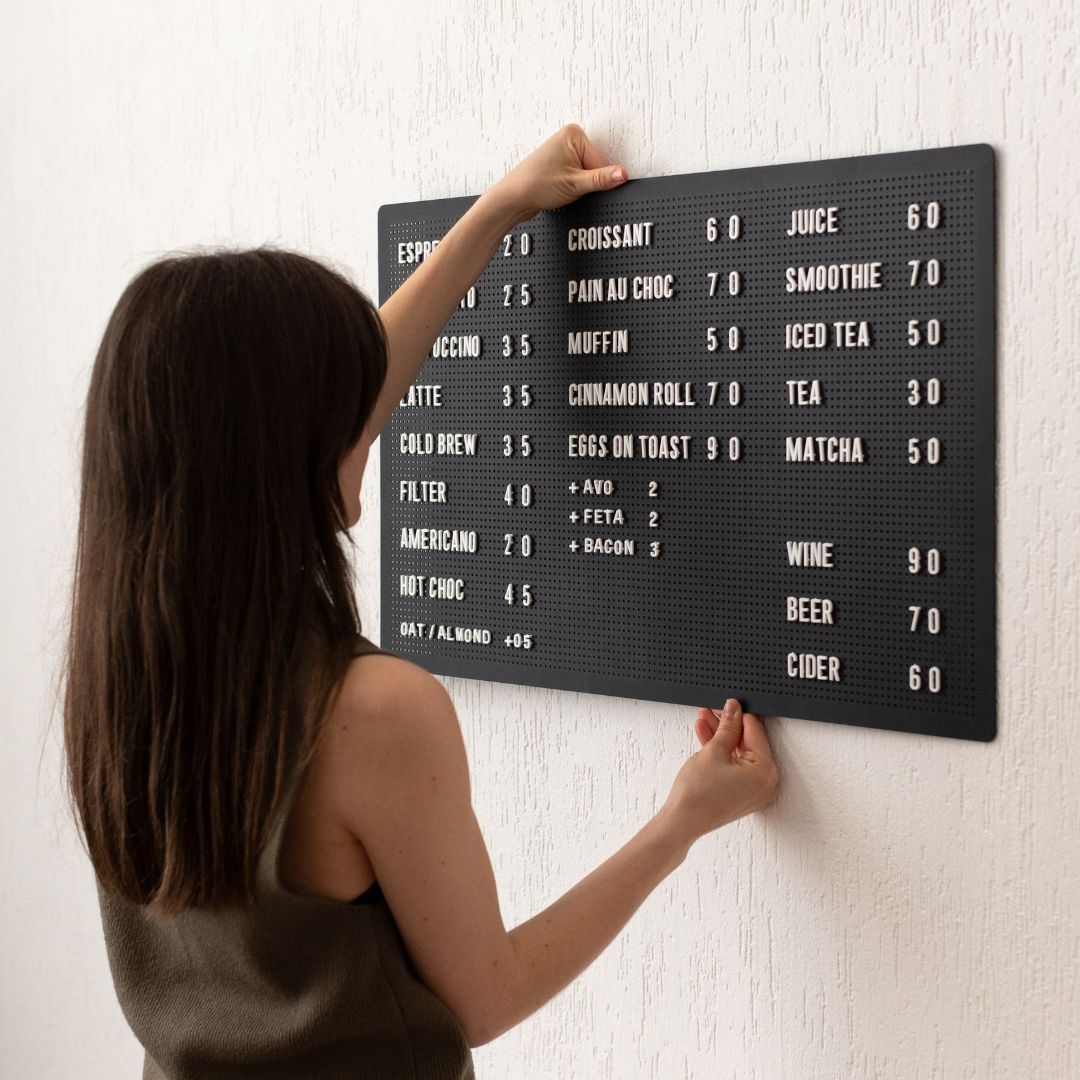
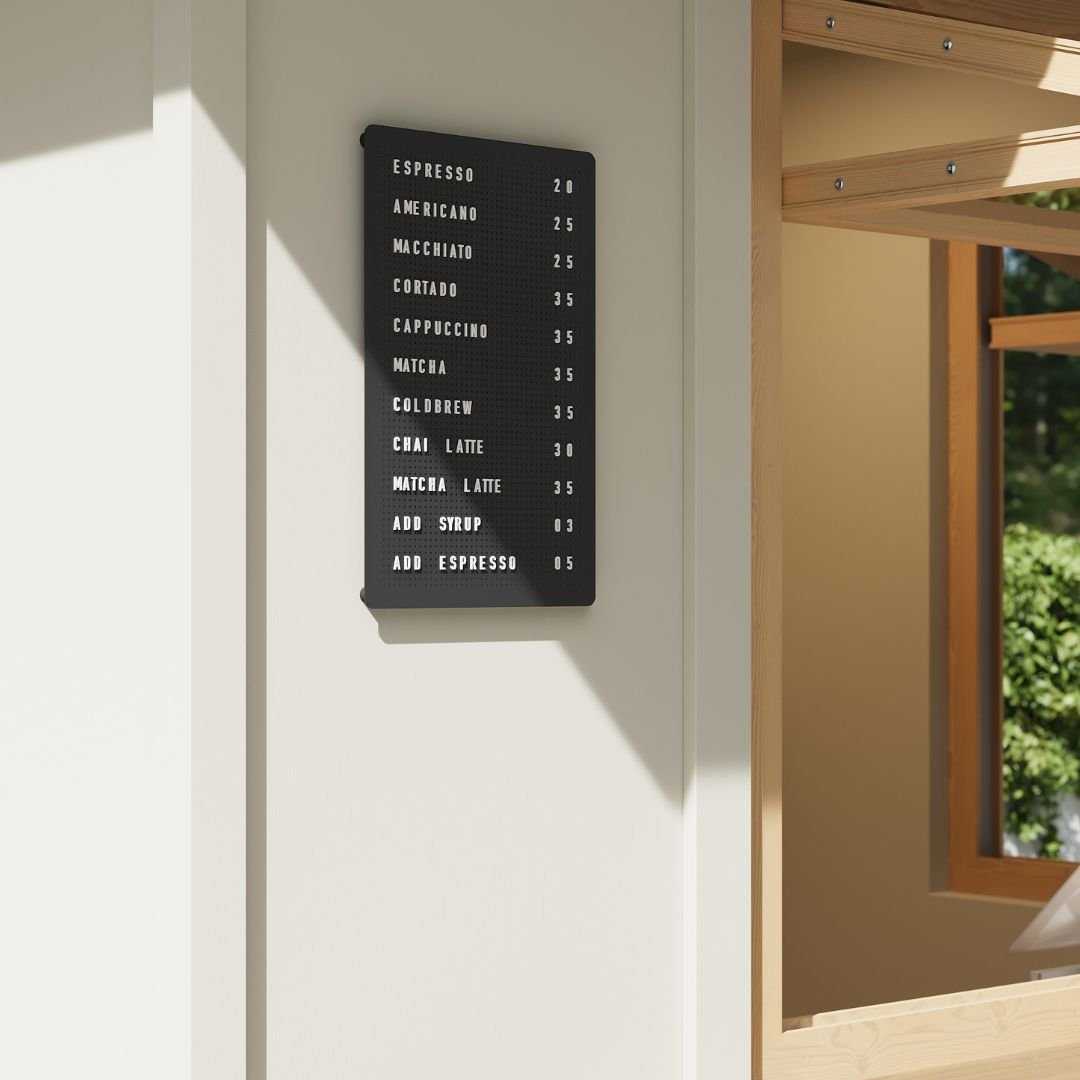
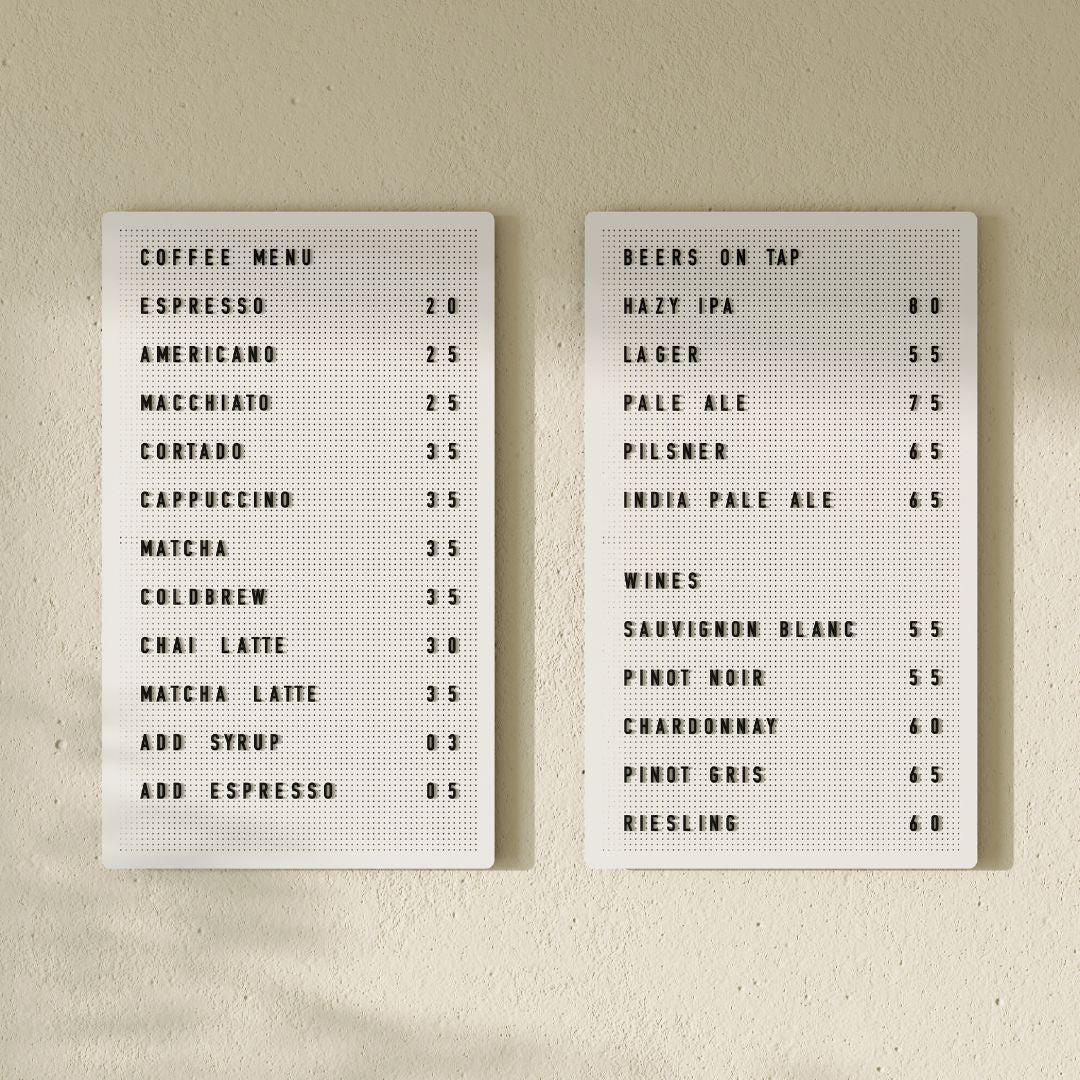
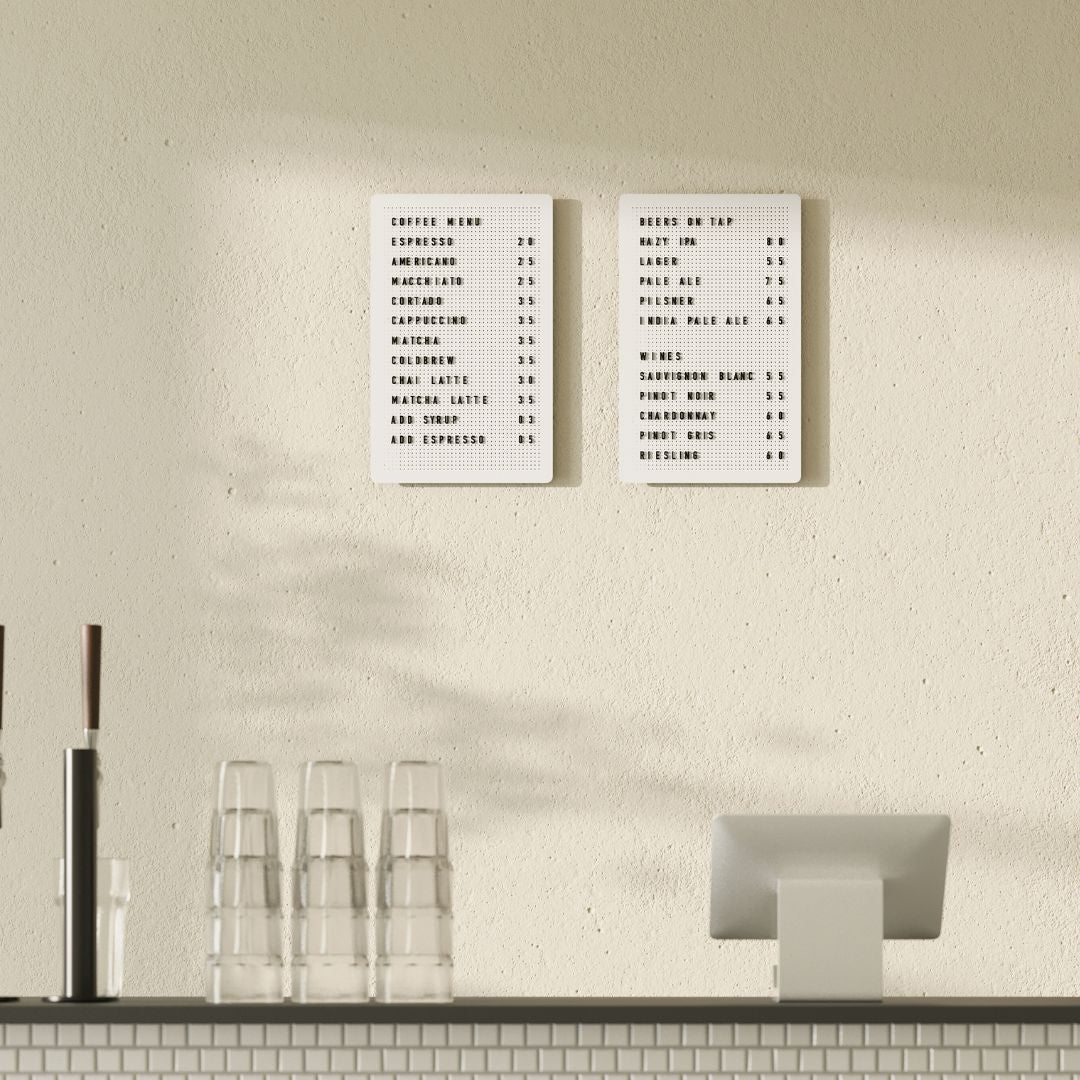
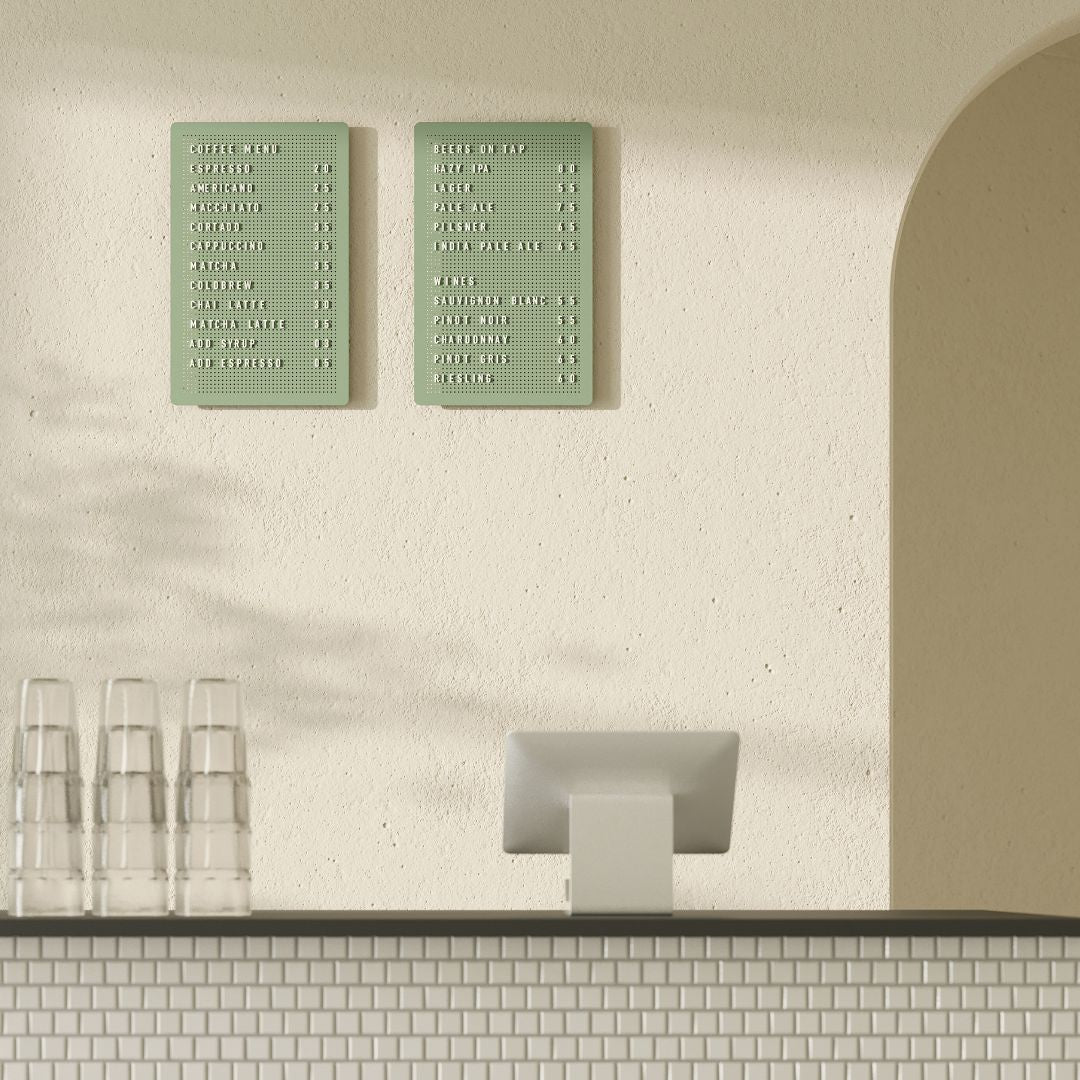
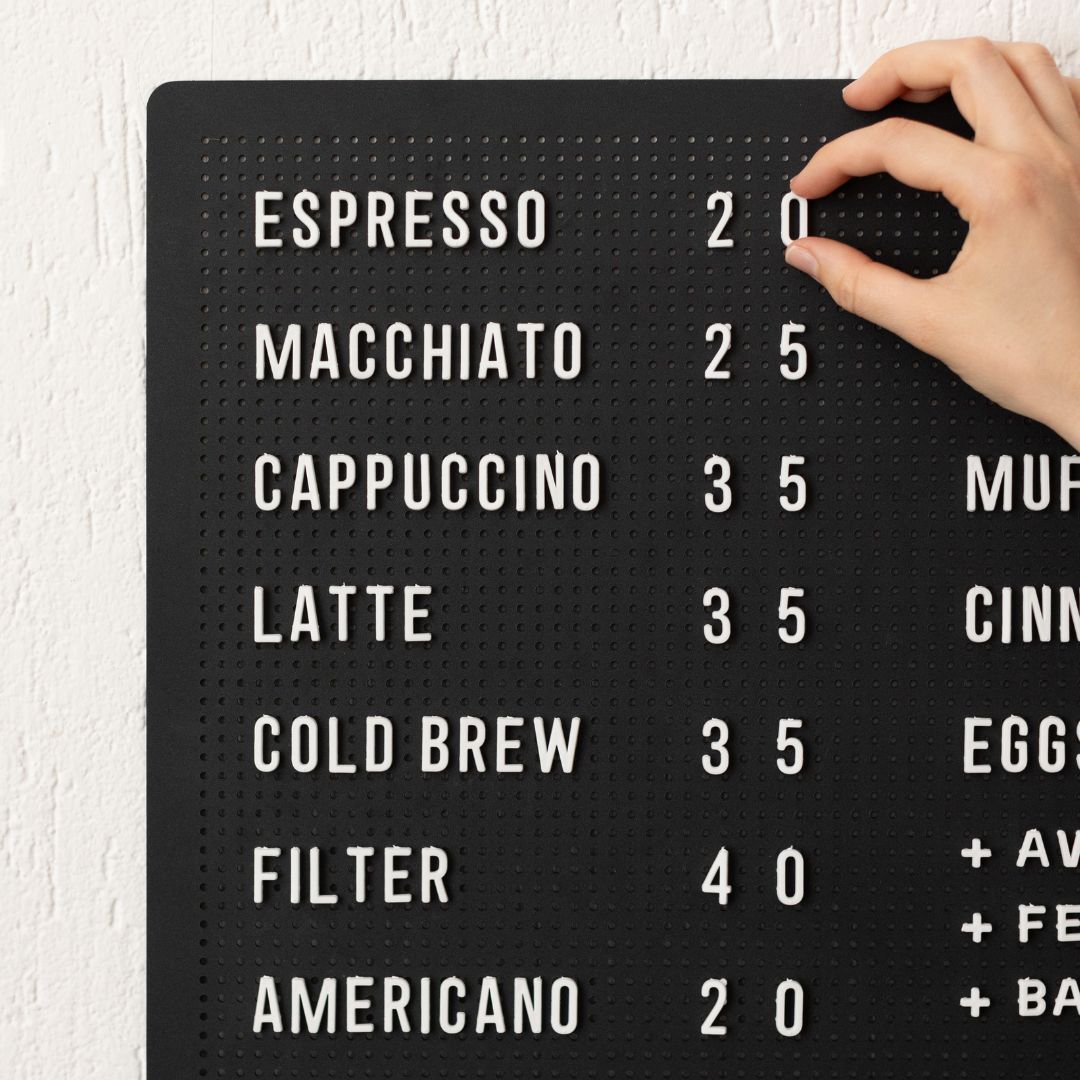
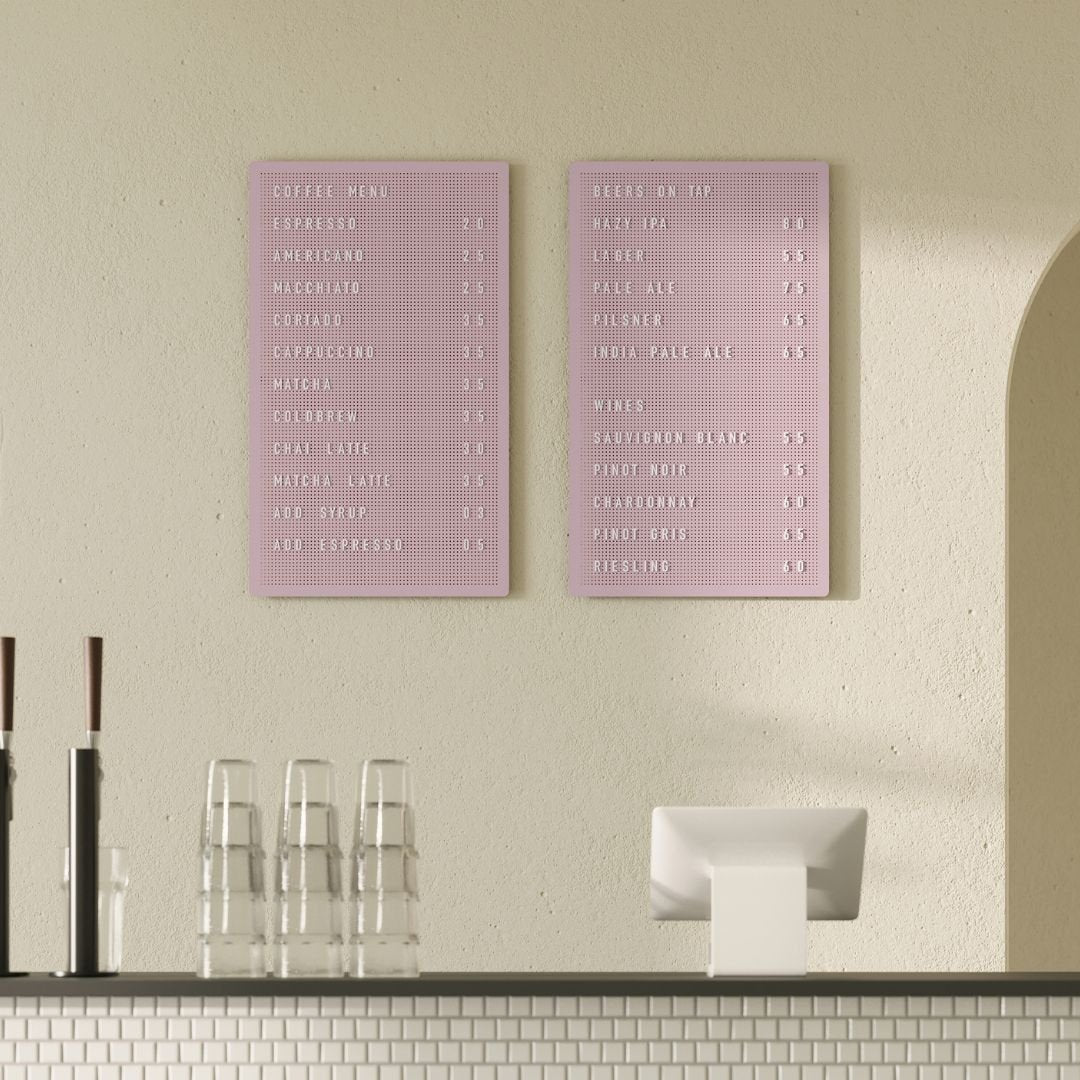
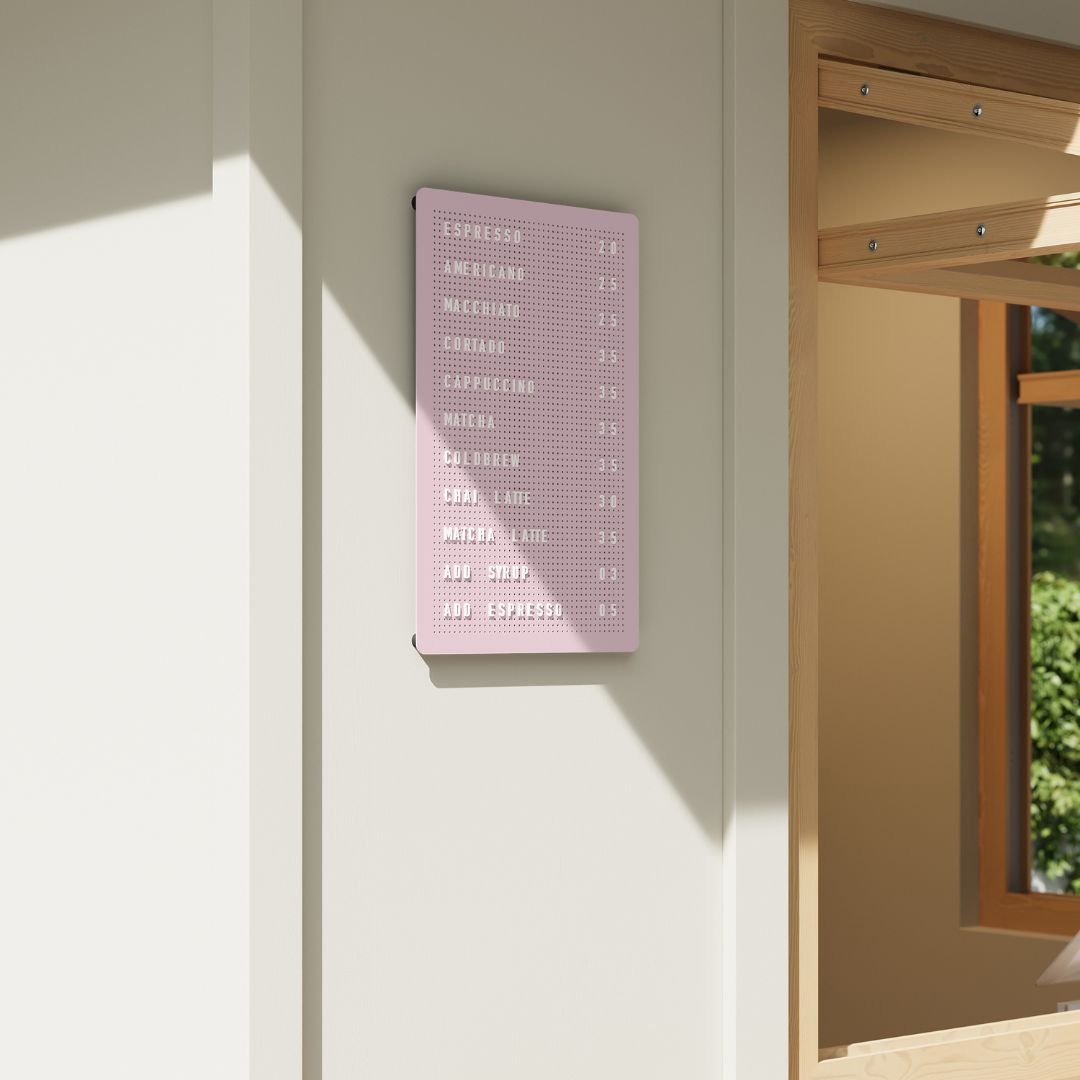
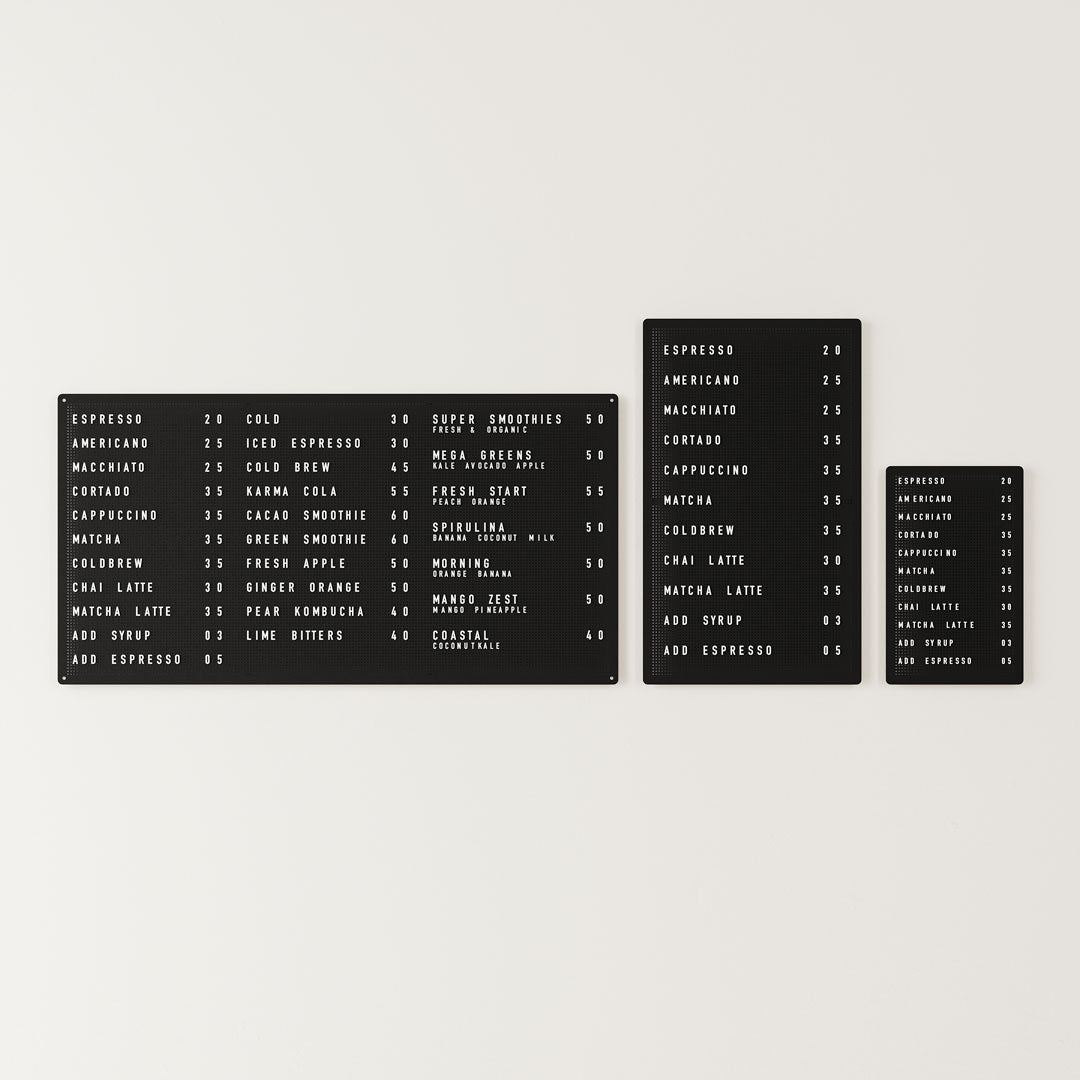
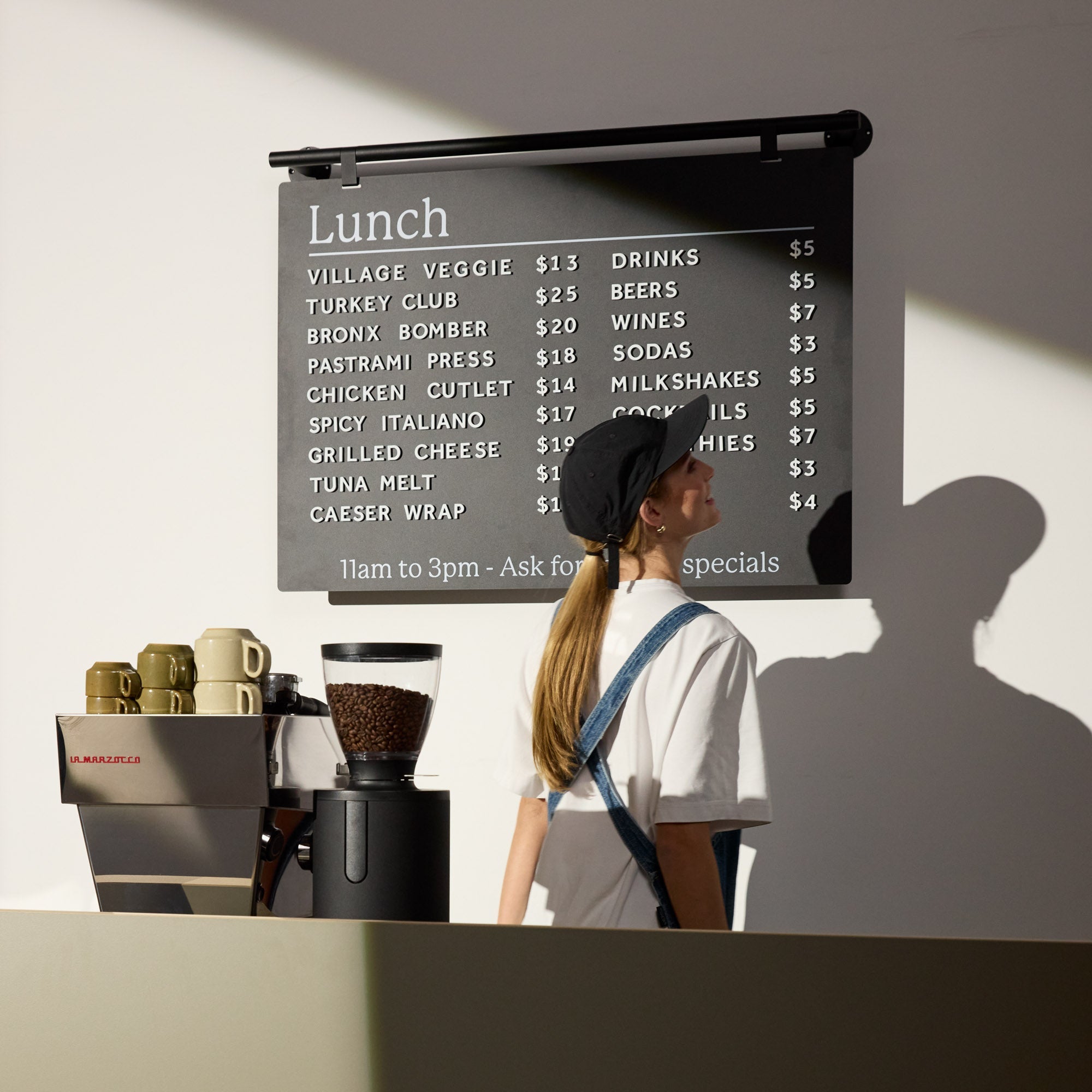
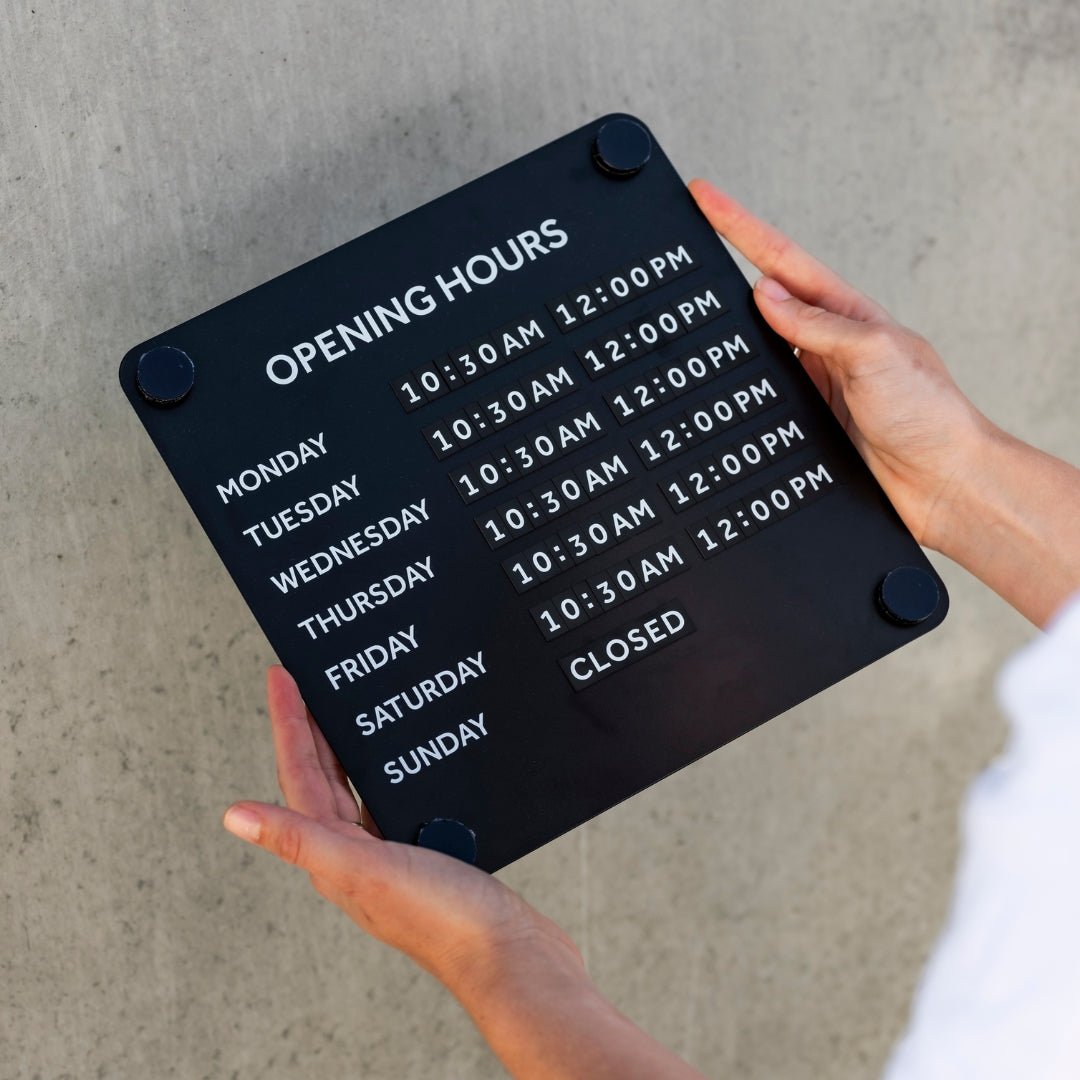
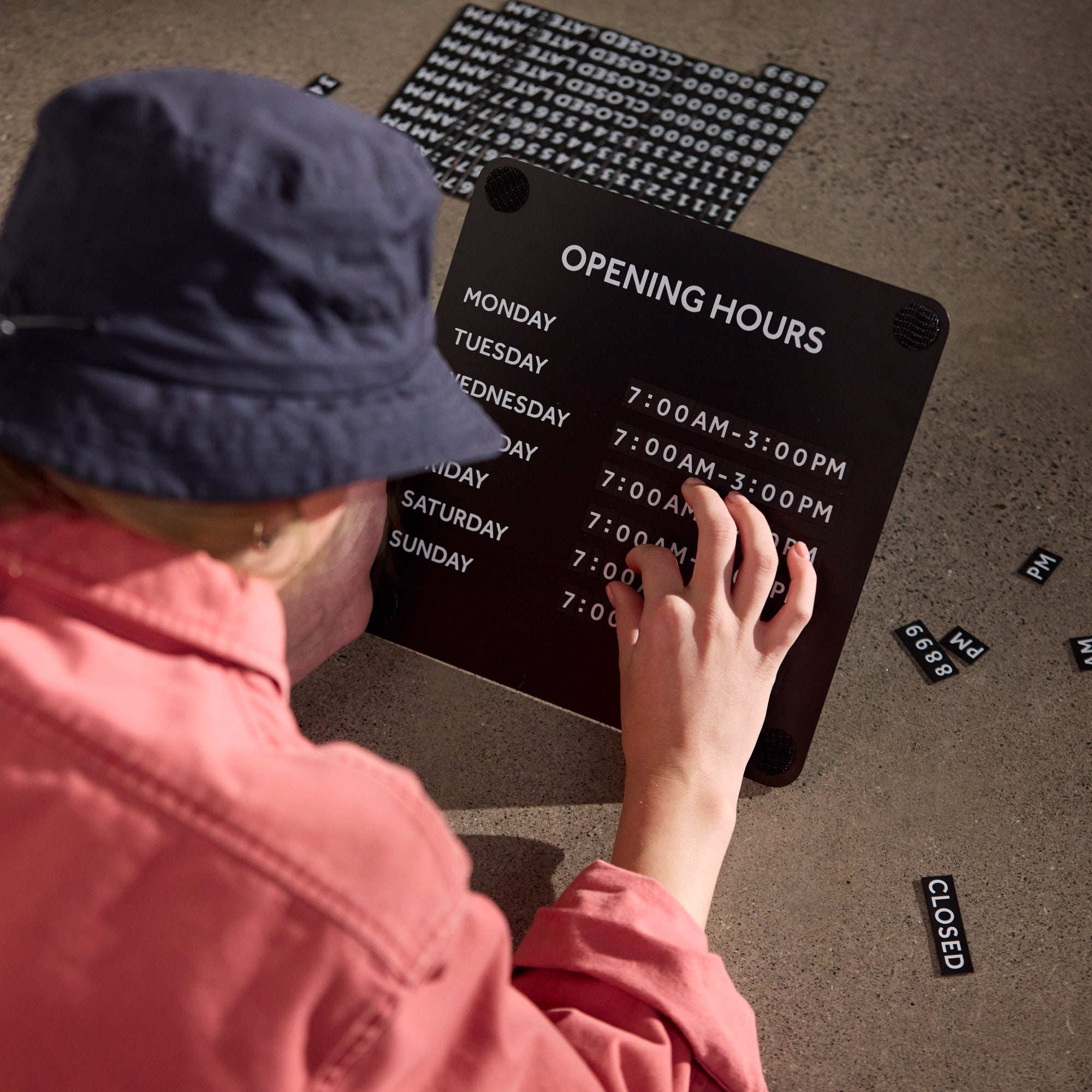
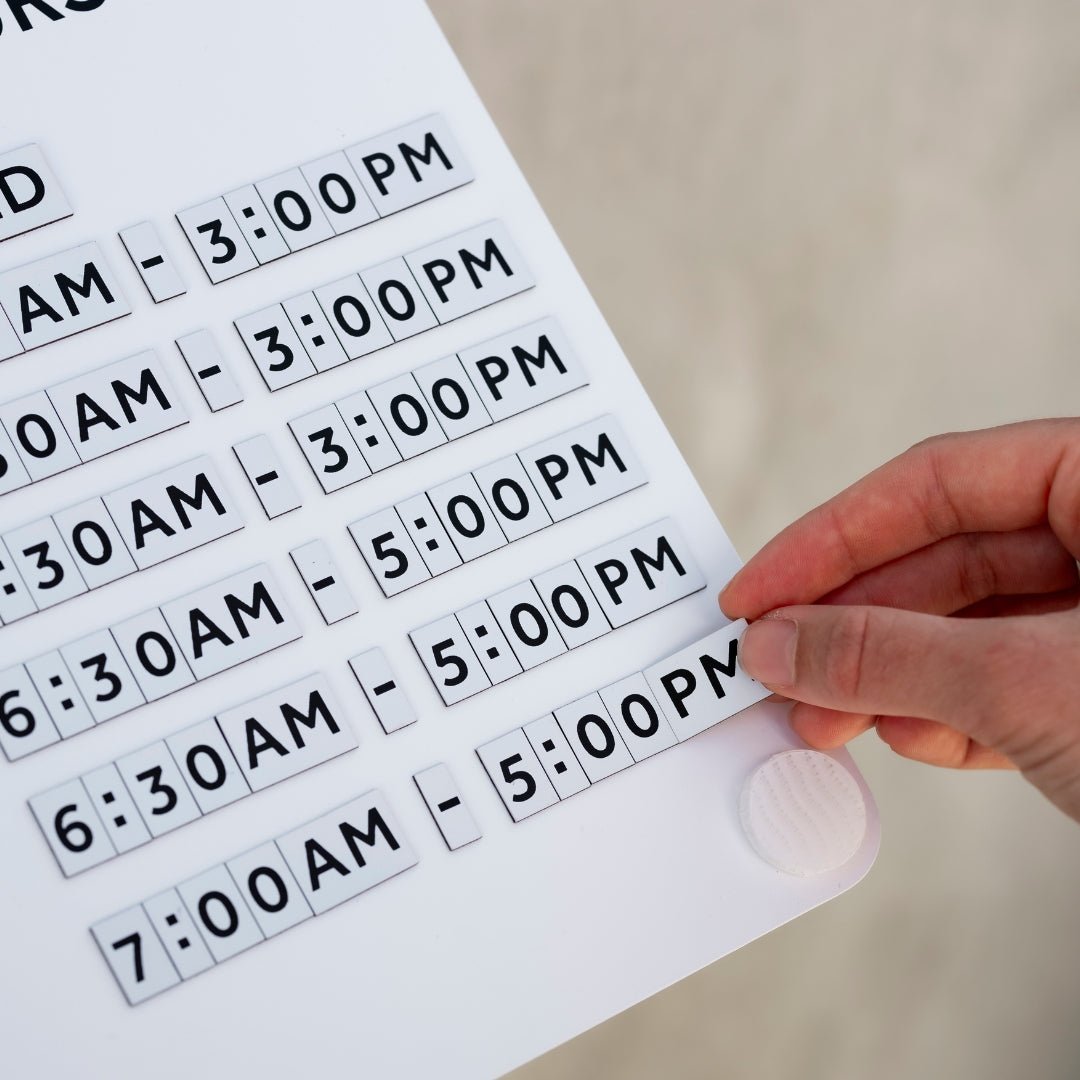
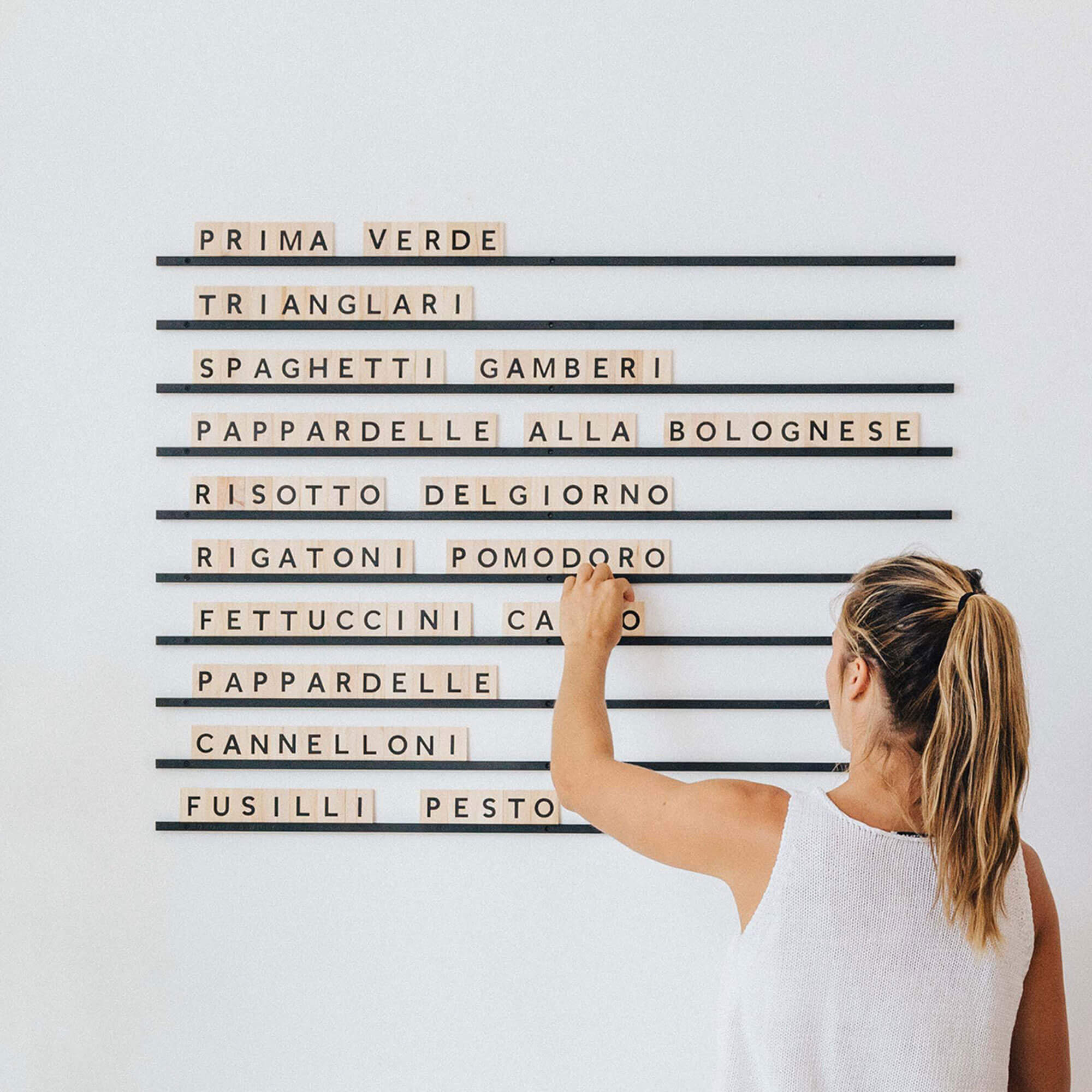
Reader boards have a charming, nostalgic feel. These are the signs with tracks where you manually slide in letters and numbers to create your message. You’ve likely seen them outside schools, churches, or community centers announcing upcoming events. They are a budget‑friendly option for organizations that need to post regular updates. A Wooden Letter Board is a great example. The trade off is the manual labor involved, but their clear, simple readability is a huge plus.
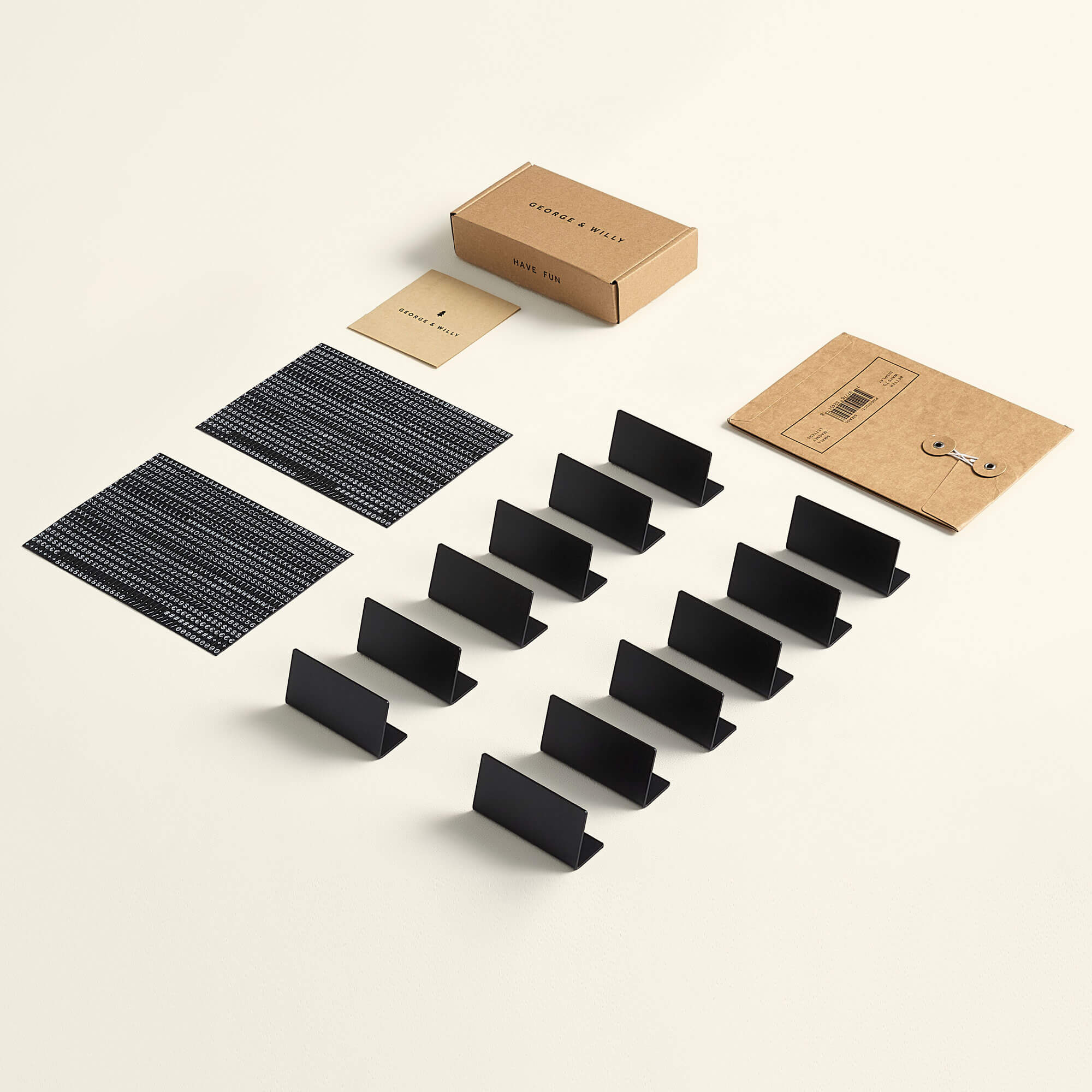
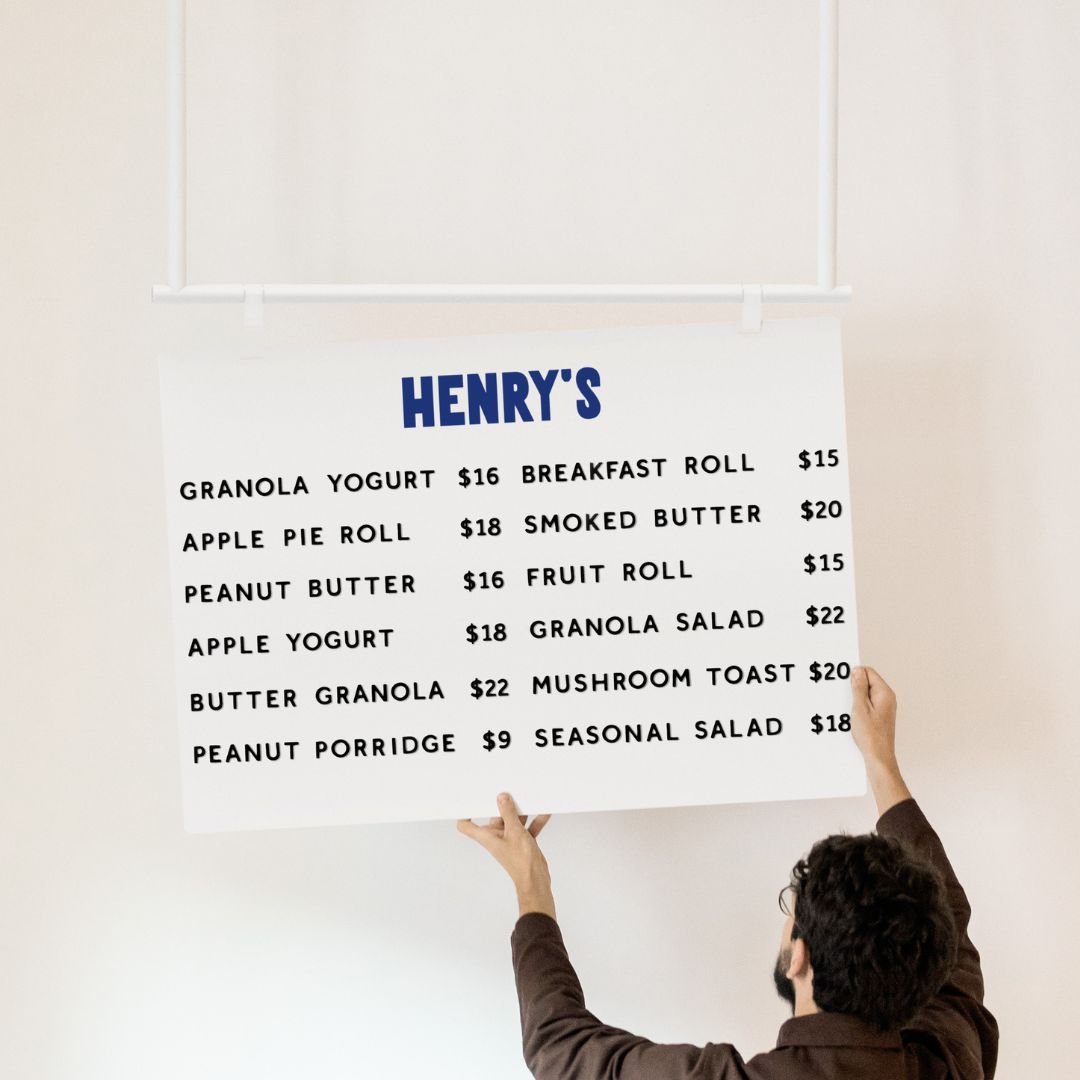
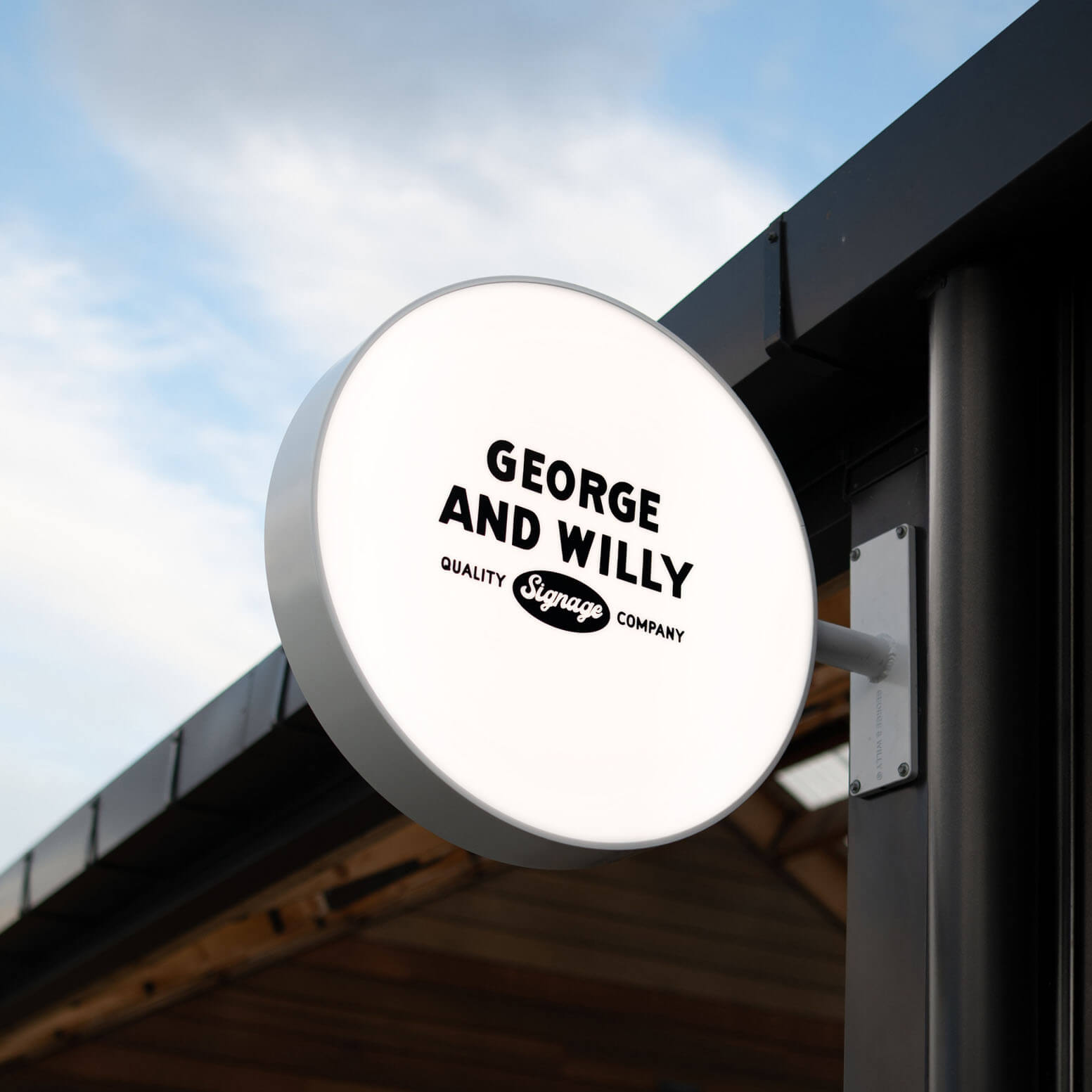
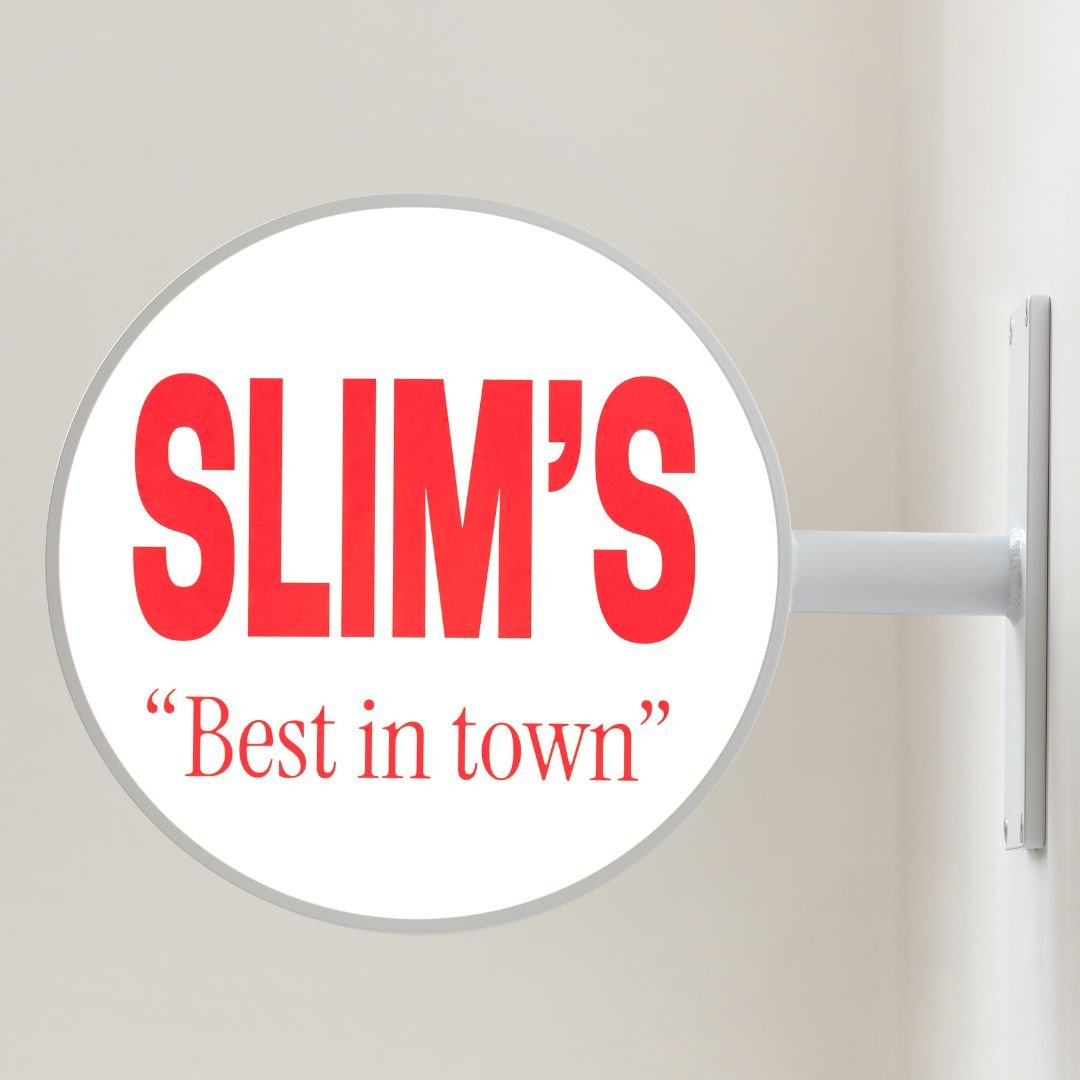
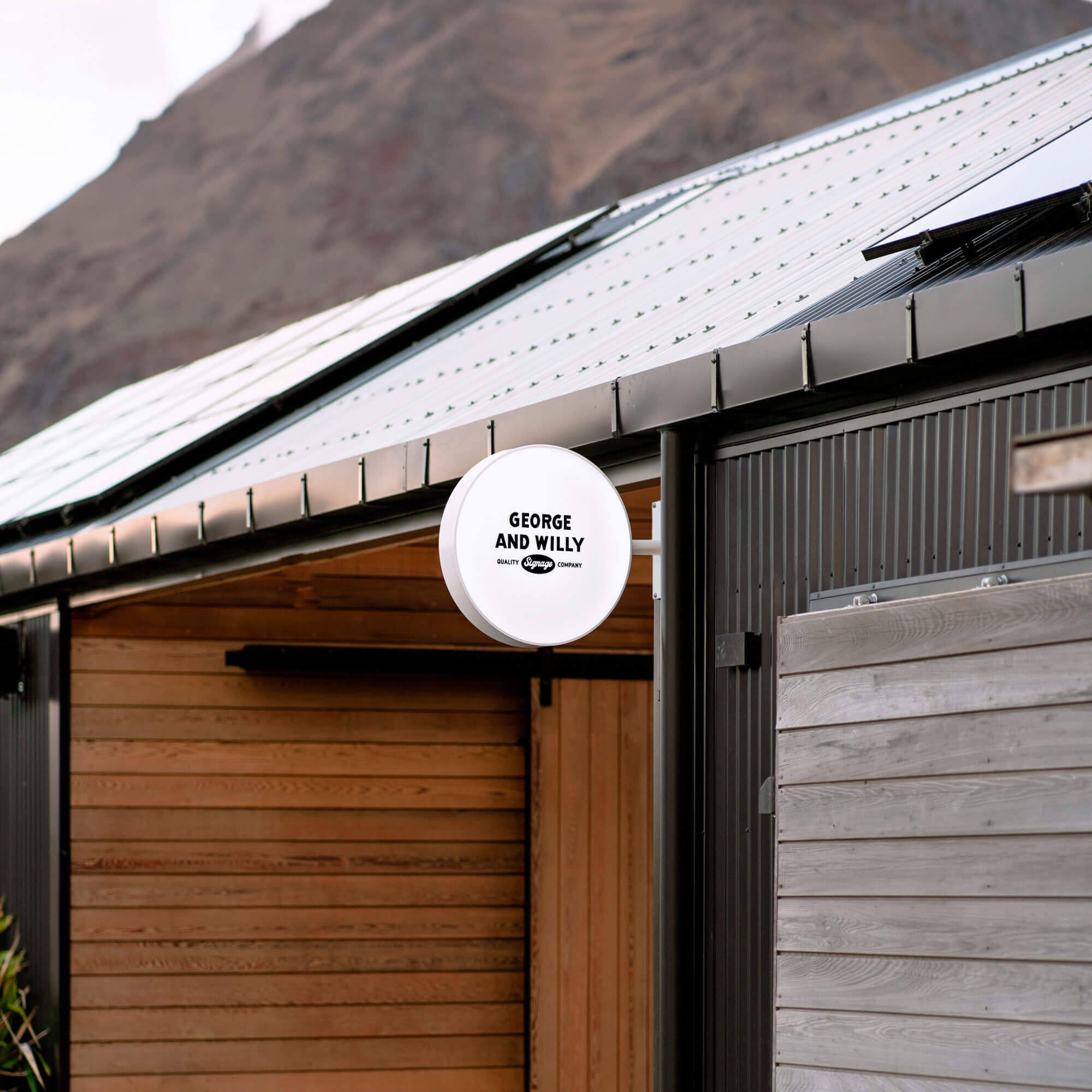
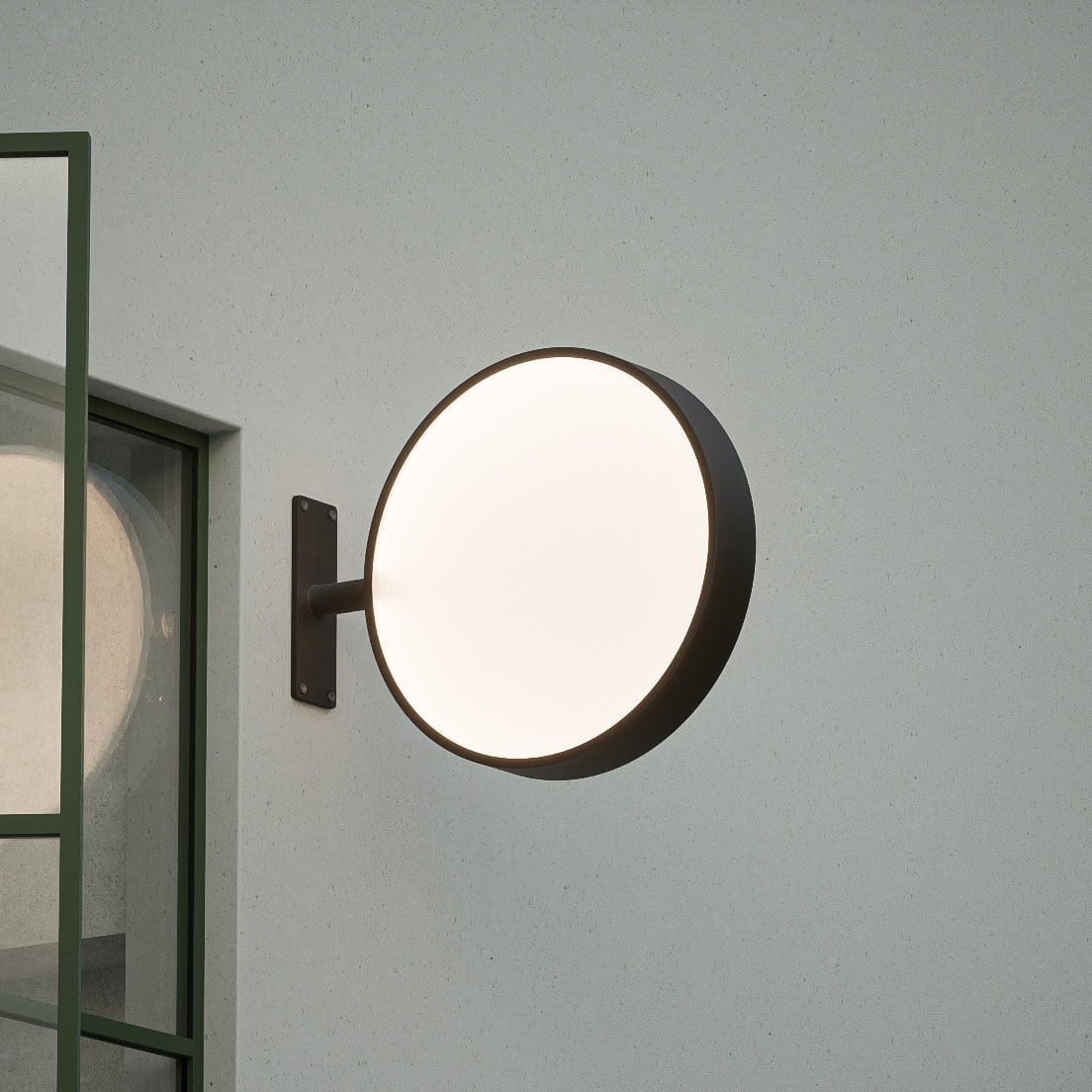
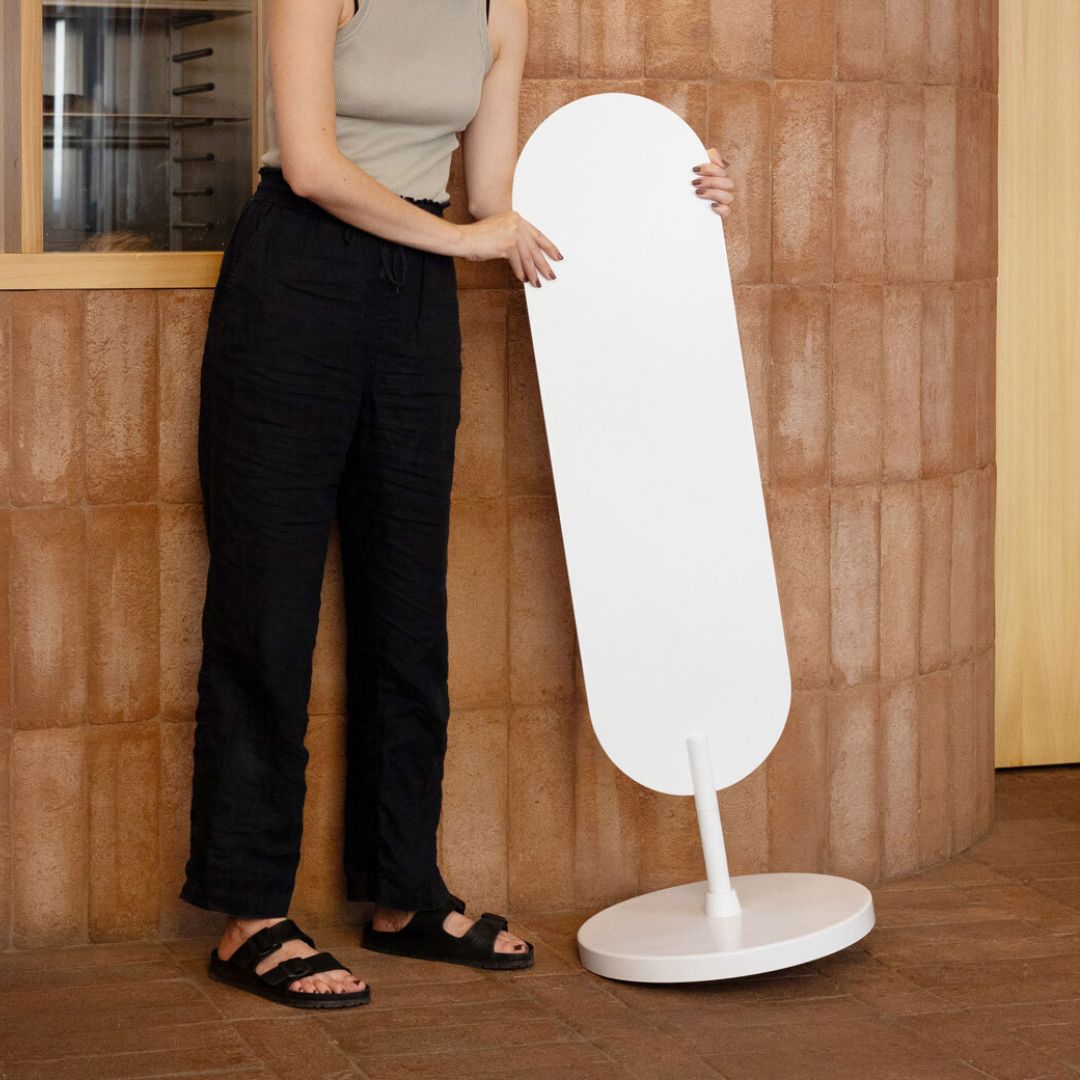
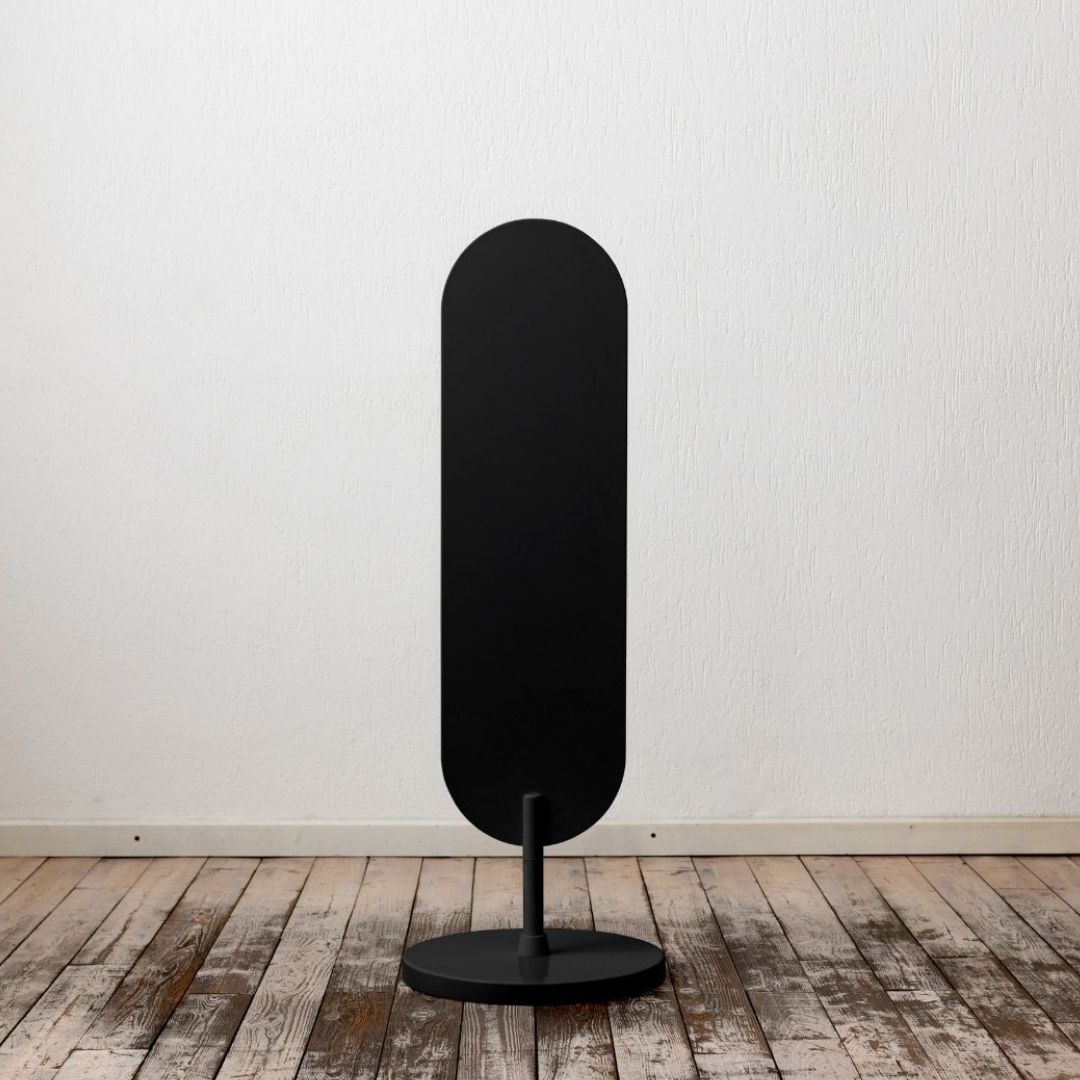
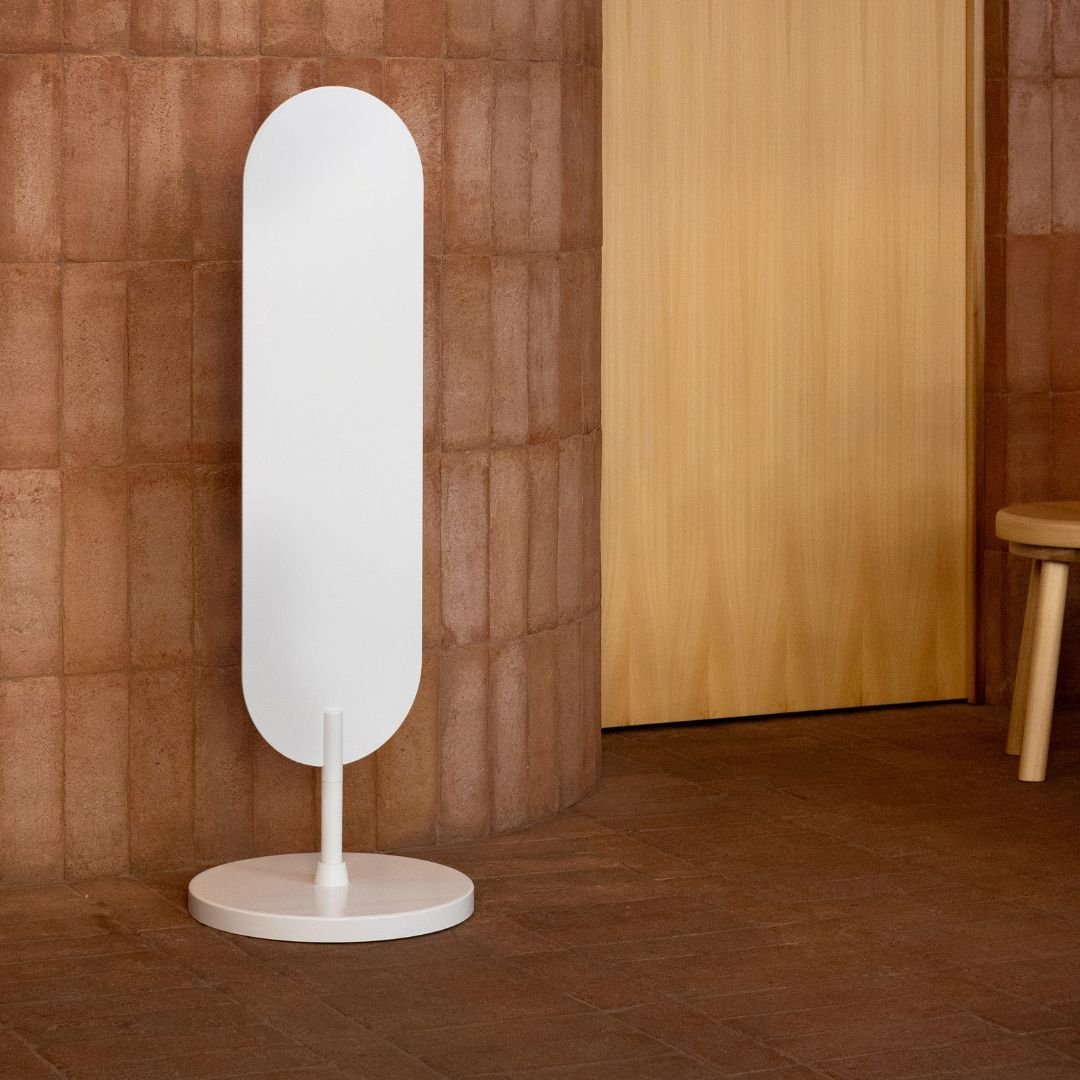
For a modern take on these classic styles, George & Willy offer minimalist blade signs and light boxes such as the Round Light Box Sign that capture the spirit of traditional outdoor marquee signs with contemporary design.
How to Select the Right Outdoor Marquee Sign
Choosing the right sign is a big decision. It’s a process of balancing your budget, brand, and business goals. A great sign can define your storefront, while a poor choice might be ignored. In fact, about 60% of consumers admit they are hesitant to enter a business that has no signage at all.
Here are the key factors to consider.
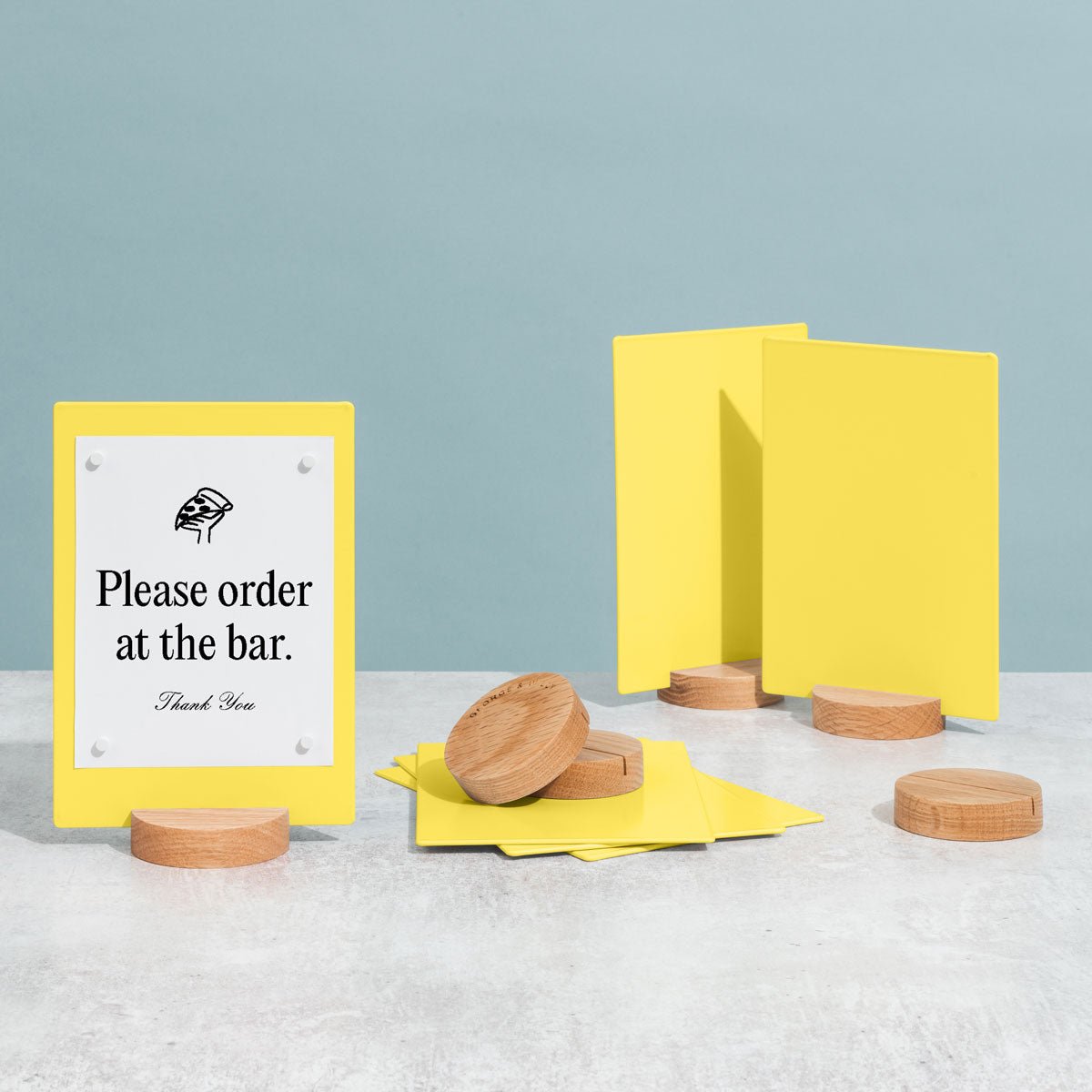
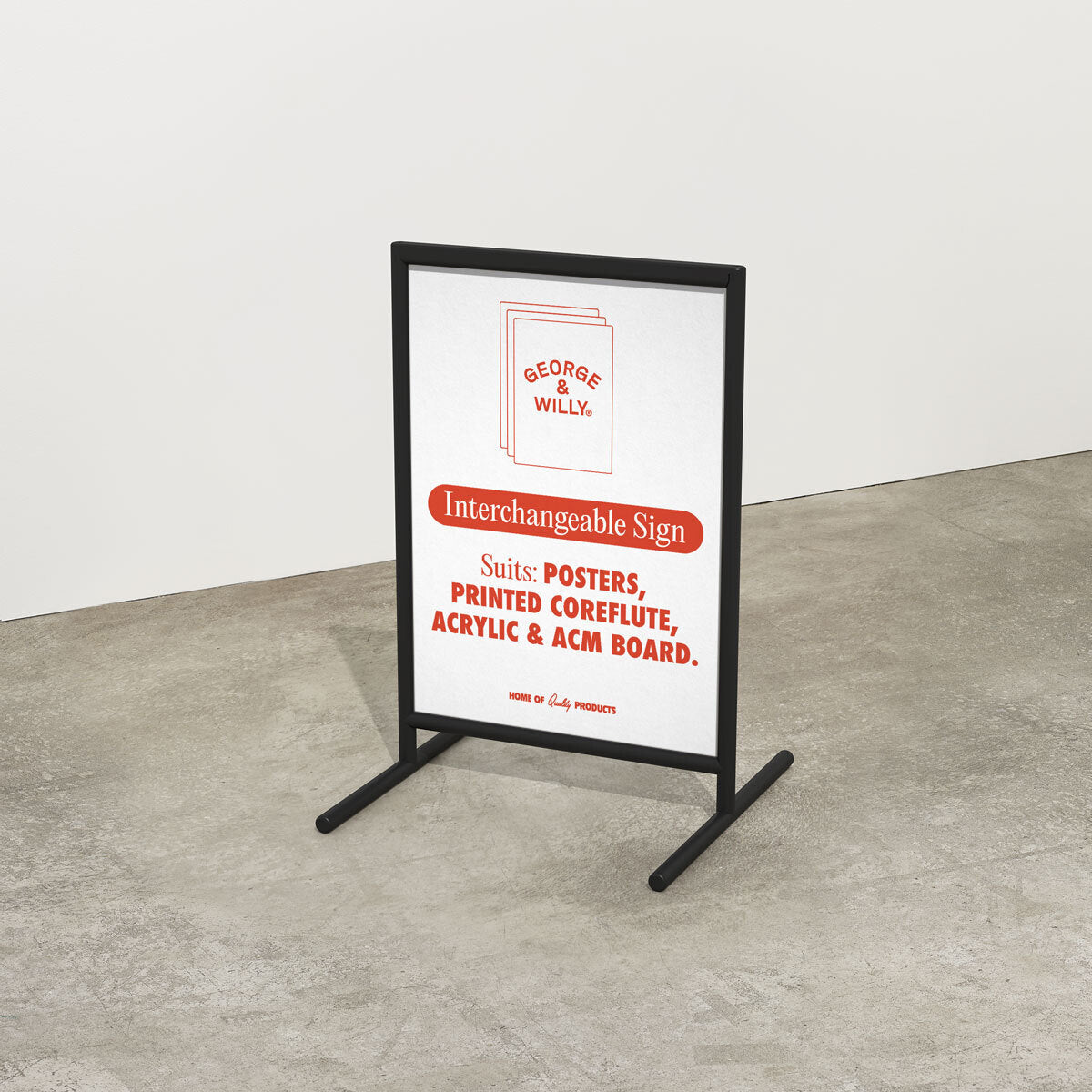
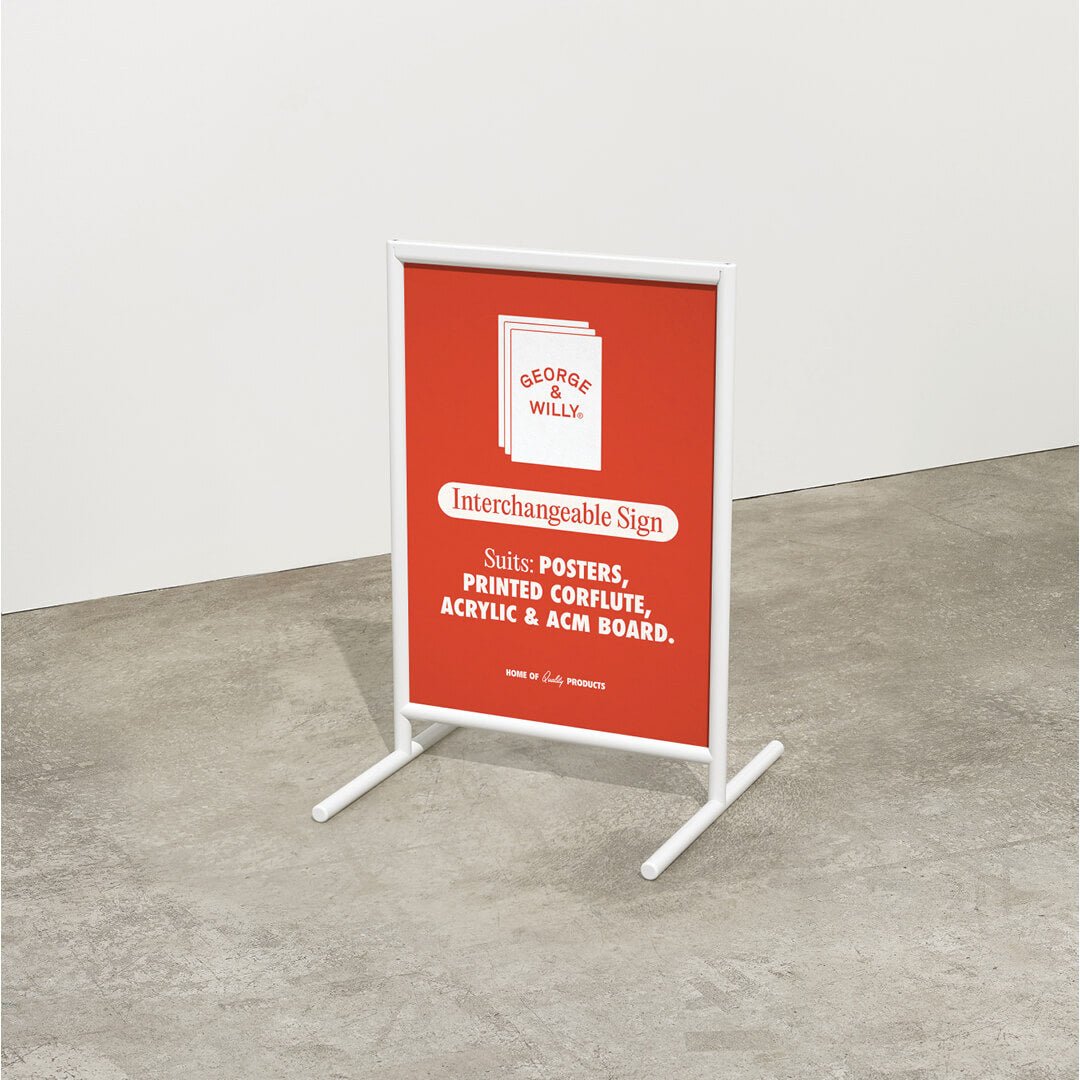
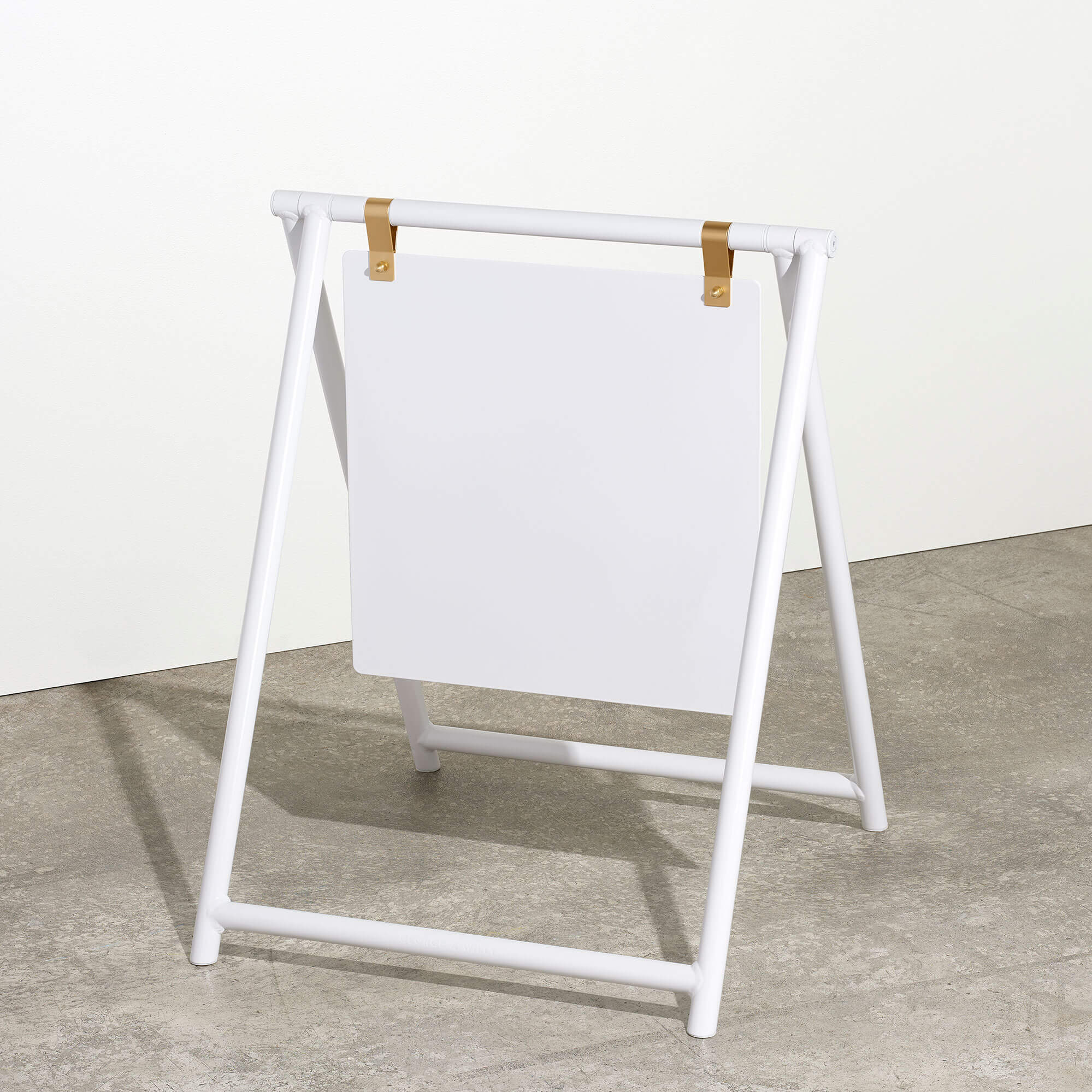
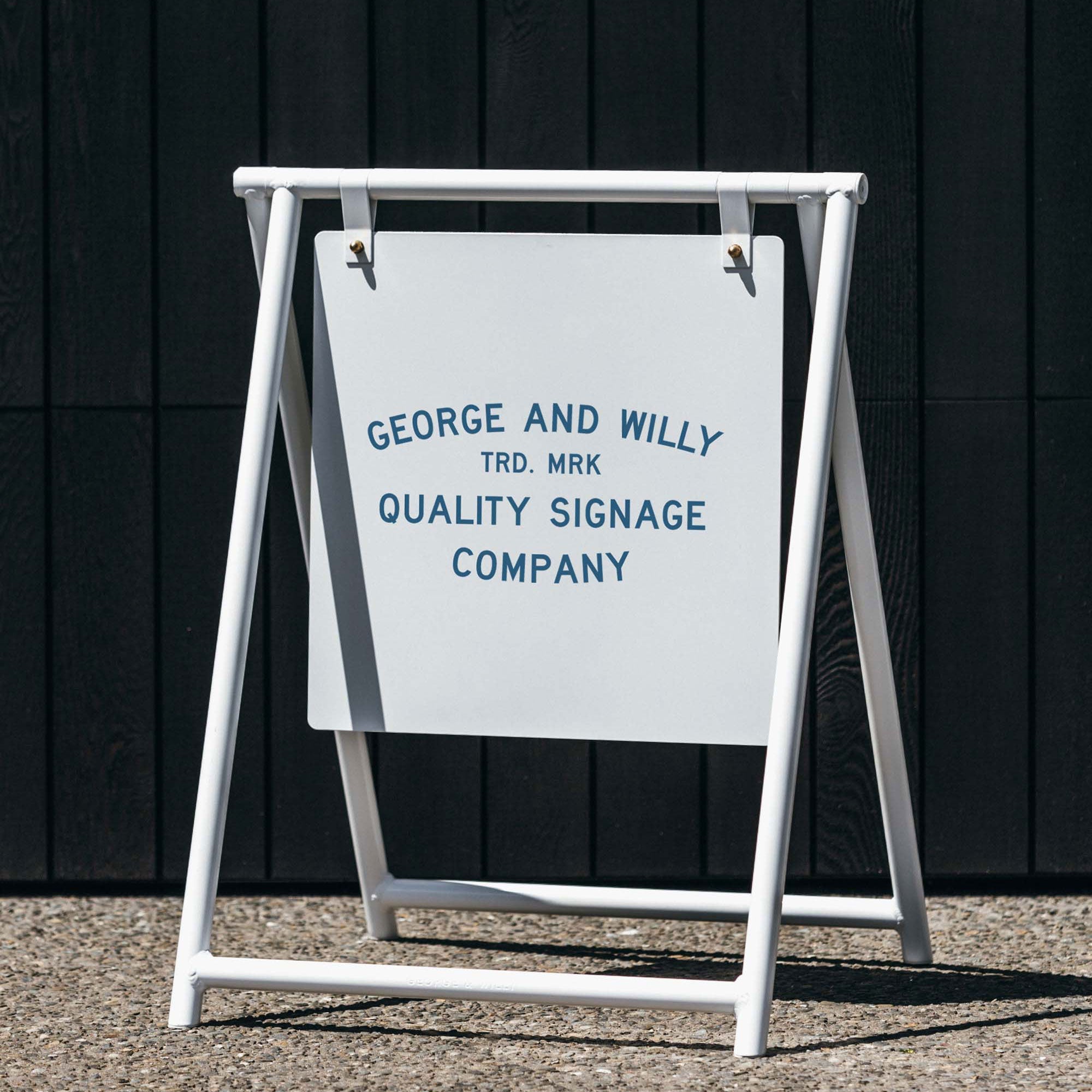
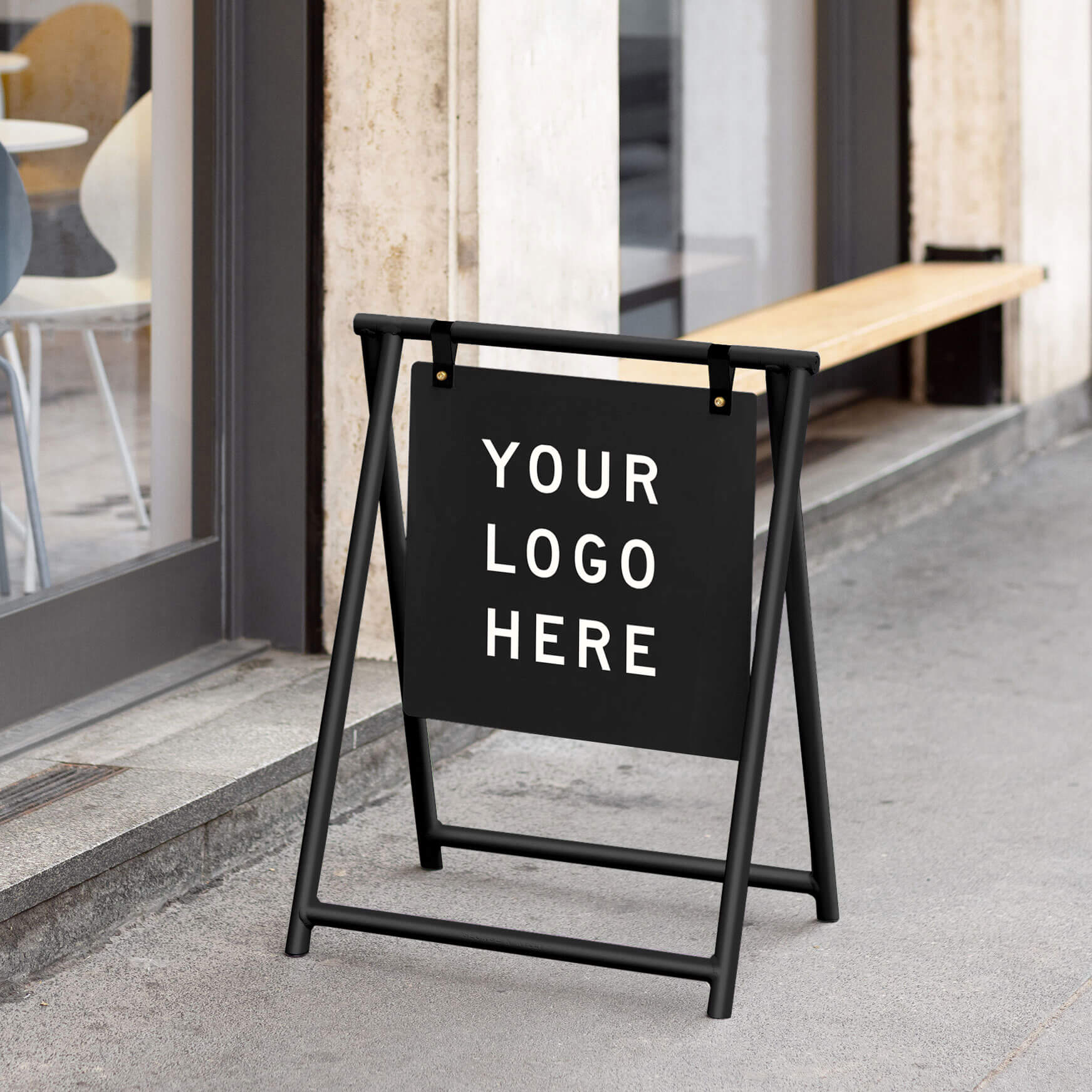
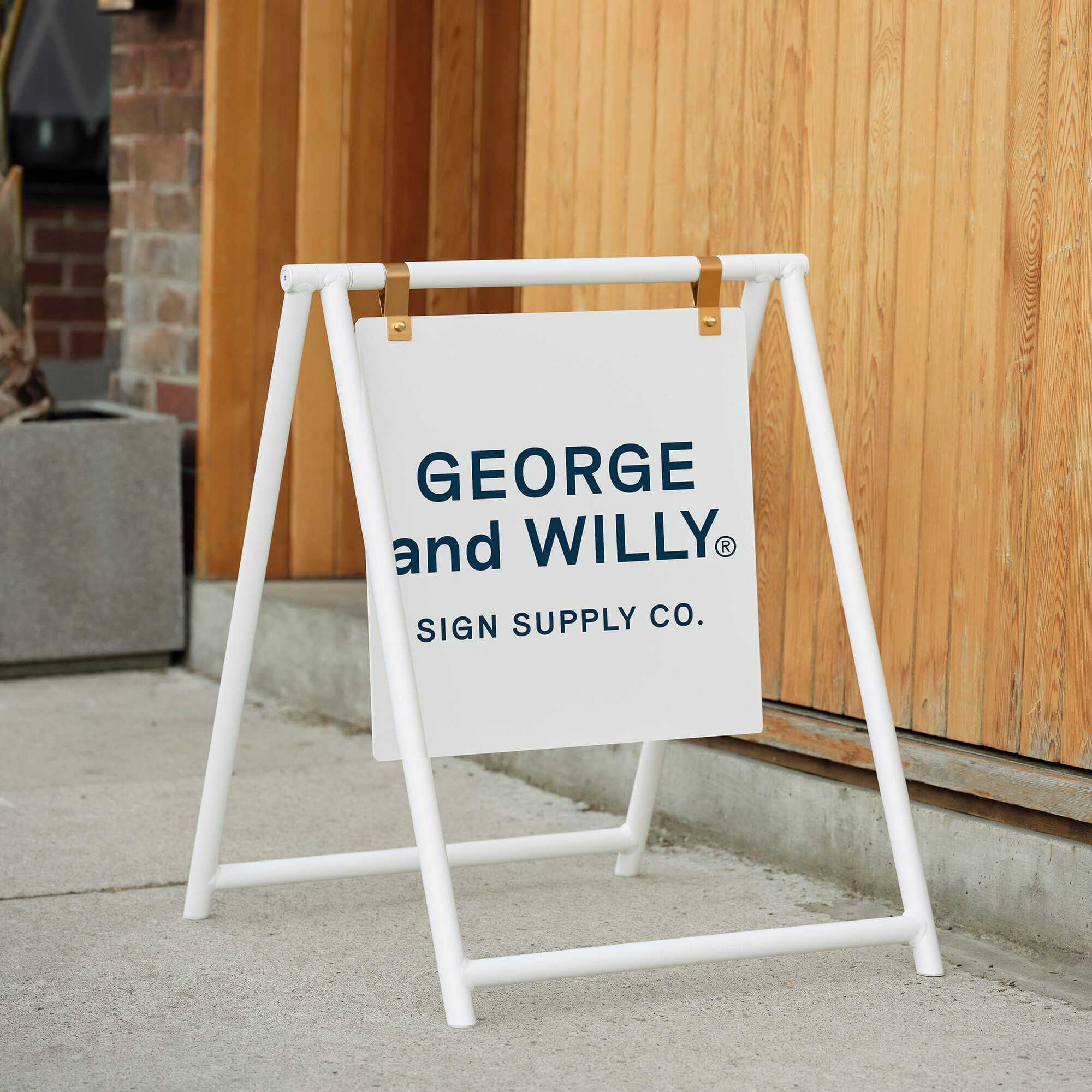
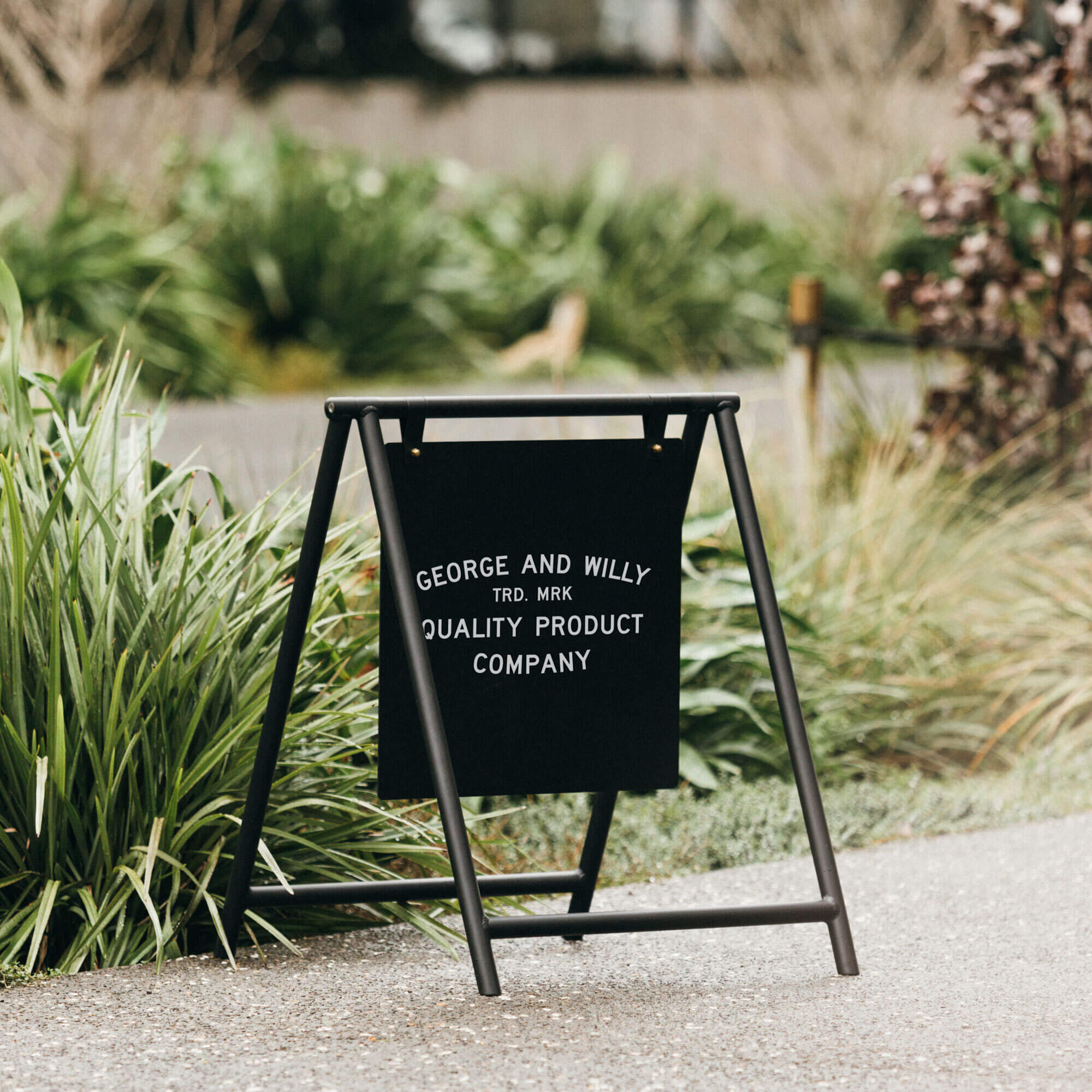
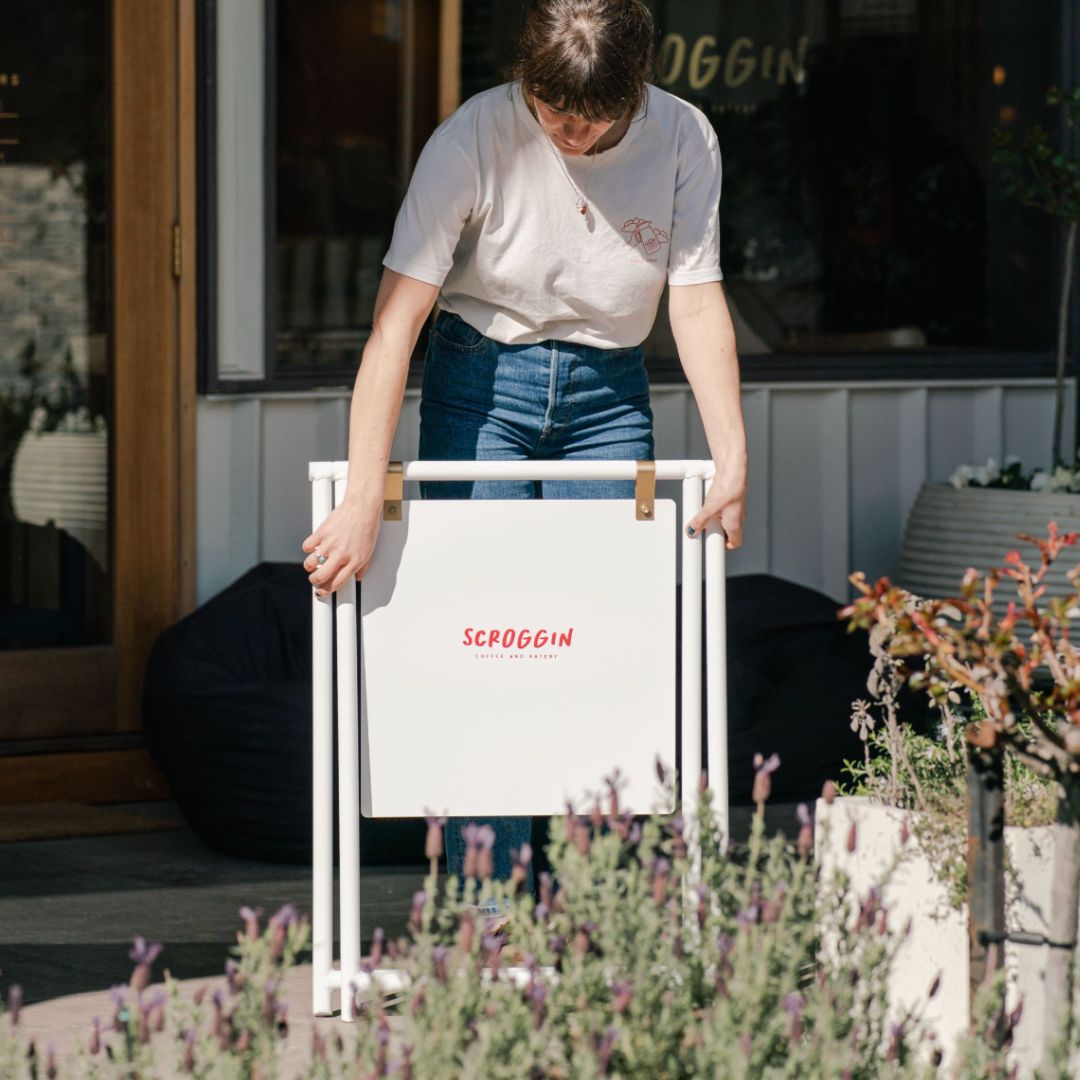
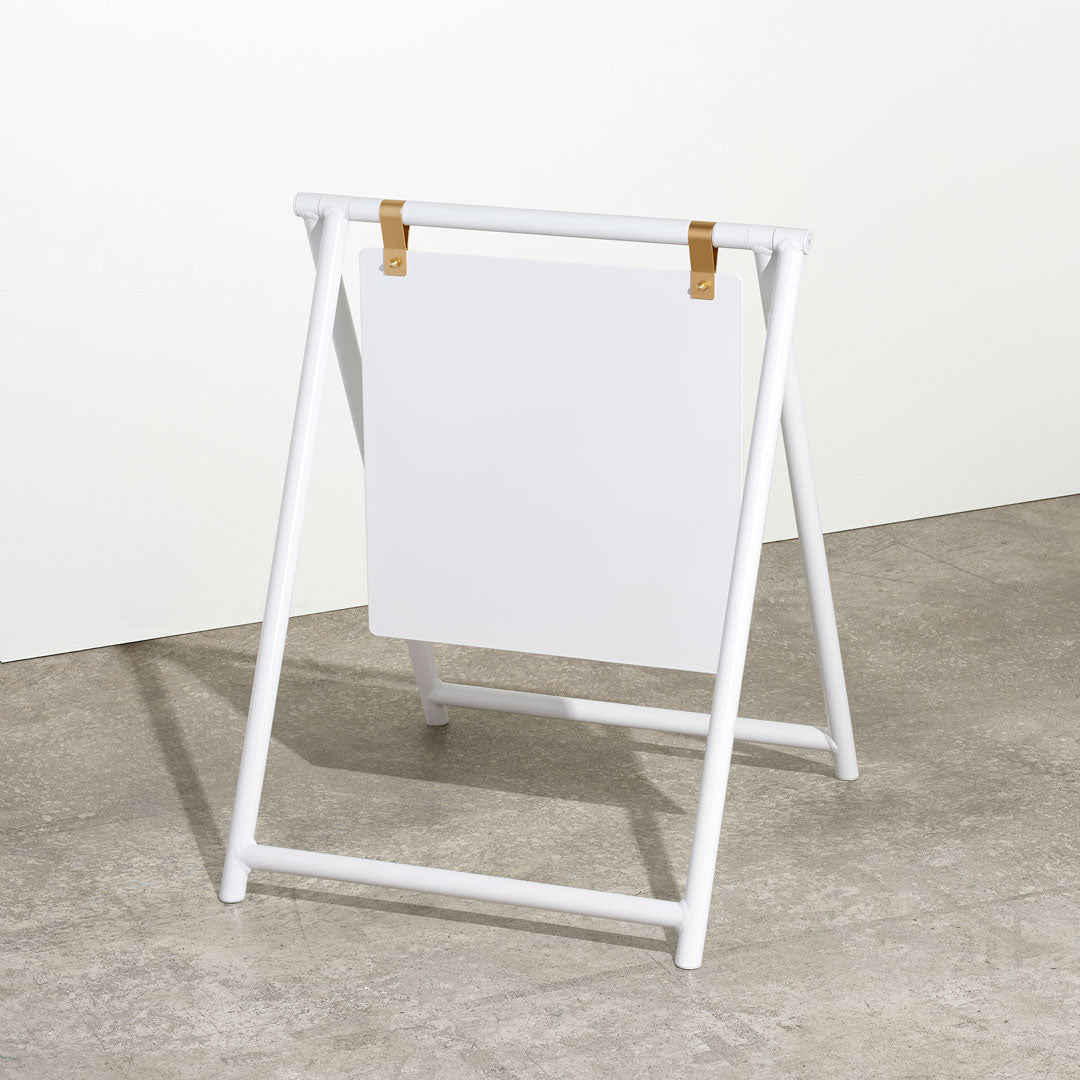
Location and Visibility: Where will the sign go? Who needs to see it? A business on a busy highway needs a large, tall sign that’s visible from a distance. A shop on a quiet pedestrian street might do better with a smaller, eye‑level blade sign such as a Vertical Blade Sign. Think about potential obstructions like trees and whether you need a single or double‑sided sign, like an A‑Frame Sign.
Purpose and Message: What do you want your sign to do? If it’s purely for identifying your business, a simple sign with your name and logo might be enough. If you need to share changing information like daily specials, a reader board or EMC is a better fit. Clarity is key.
Materials and Durability: Outdoor signs need to be tough. Metals like aluminum and steel are popular choices because they are sturdy and resist rust. A well built outdoor marquee sign can withstand high winds, some up to 140 mph, ensuring your investment lasts for years.
Local Regulations: This one is crucial. Before you commit to a design, check your local sign codes. Cities often have rules about a sign’s size, height, lighting, and even style, especially in historic districts. A quick chat with your local planning department can save you from fines and headaches down the road.
Budget and Maintenance: Your budget should cover more than just the sign itself. Factor in costs for permits, installation, and long term upkeep. Illuminated or custom outdoor marquee signs will cost more upfront, but their ability to attract customers often delivers a fantastic return on investment.
Designing a Sign That Truly Connects
Sign design is where functionality meets creativity. A well designed outdoor marquee sign is legible, attractive, and reflects your brand’s quality. A staggering 68% of consumers believe a business’s sign is a reflection of its products or services. On the flip side, poor design can be a major turnoff. Over half of shoppers say they have avoided a business due to poorly made or misspelled signs.
Legibility and Readability
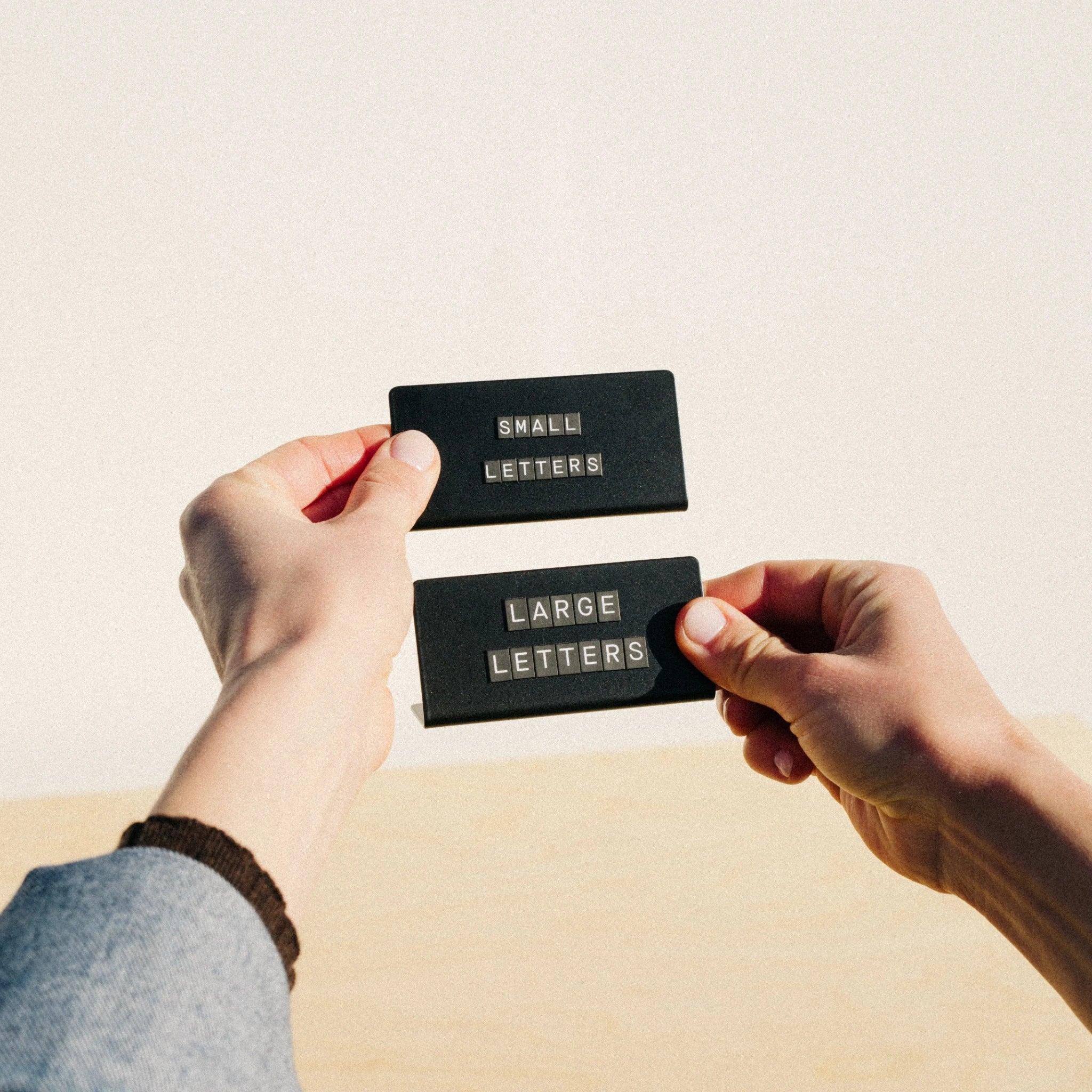
Can people read your sign easily from a distance? This is the most important question. The size of your letters is critical. For instance, a 3 inch letter is readable from about 100 feet away, while a 10 inch letter can be seen from around 450 feet. Simple, clear fonts are always better than overly decorative ones. Using a mix of uppercase and lowercase letters can also improve how quickly people recognize words.
Color and Contrast
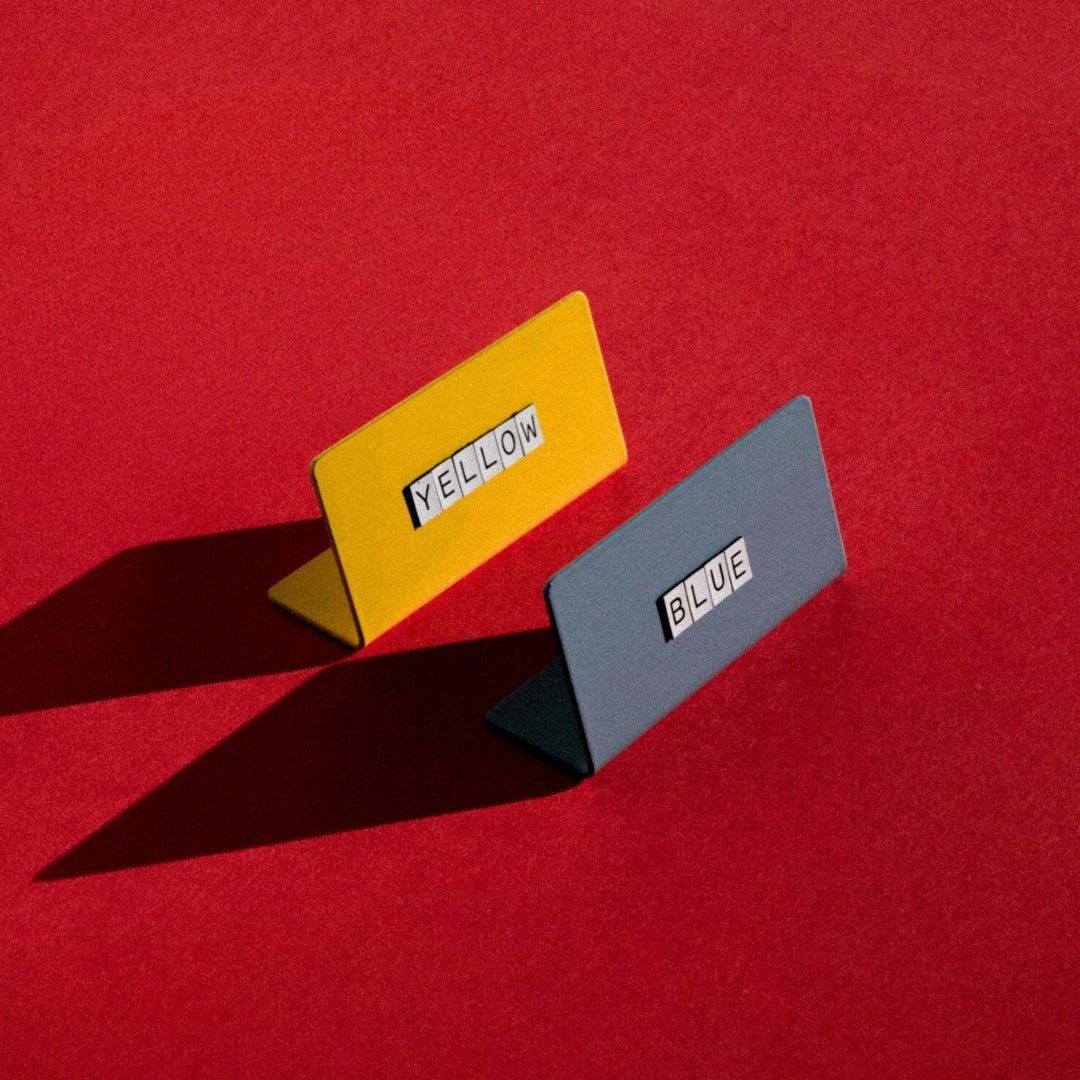
High contrast color schemes are your best friend. Think dark letters on a light background or vice versa. The combination of black text on a yellow background is often cited as the most readable from a distance. To ensure accessibility for everyone, aim for at least 70% contrast between your text and background colors. With about 65% of people having some form of vision impairment, designing for clarity is designing for the majority.
Message and Content
Keep it simple. A passerby should be able to grasp your message in just a few seconds. Whether it’s your business name, a promotion, or a welcome message, less is more. If you want a simple entry cue, an Open Sign by the door reinforces the message without clutter. Use a clear hierarchy to guide the eye to the most important information first. And while it’s great to include your logo, make sure it doesn’t overwhelm the text. If you’re looking for a sign that prioritizes clean design, check out the ready made signage solutions from George & Willy. Their minimalist approach ensures your message is always the star of the show.
The Sign Installation Process from Start to Finish
Installing an outdoor marquee sign is a job that requires careful planning and execution. It often involves construction and electrical work, so it’s important to follow a structured process.
Get Your Permits: Before you do anything else, you need to secure the right permits from your local authorities. Most places require a permit for new outdoor signs to ensure they meet safety and zoning codes. Skipping this step can lead to fines or even an order to tear down your new sign.
Prepare the Site: A smooth installation starts with a well prepared site. This means clearing the area, removing old signs, and making sure the wall or ground is stable. Crucially, you must call your local utility locator service (like 811 in the US) before any digging to avoid hitting underground lines.
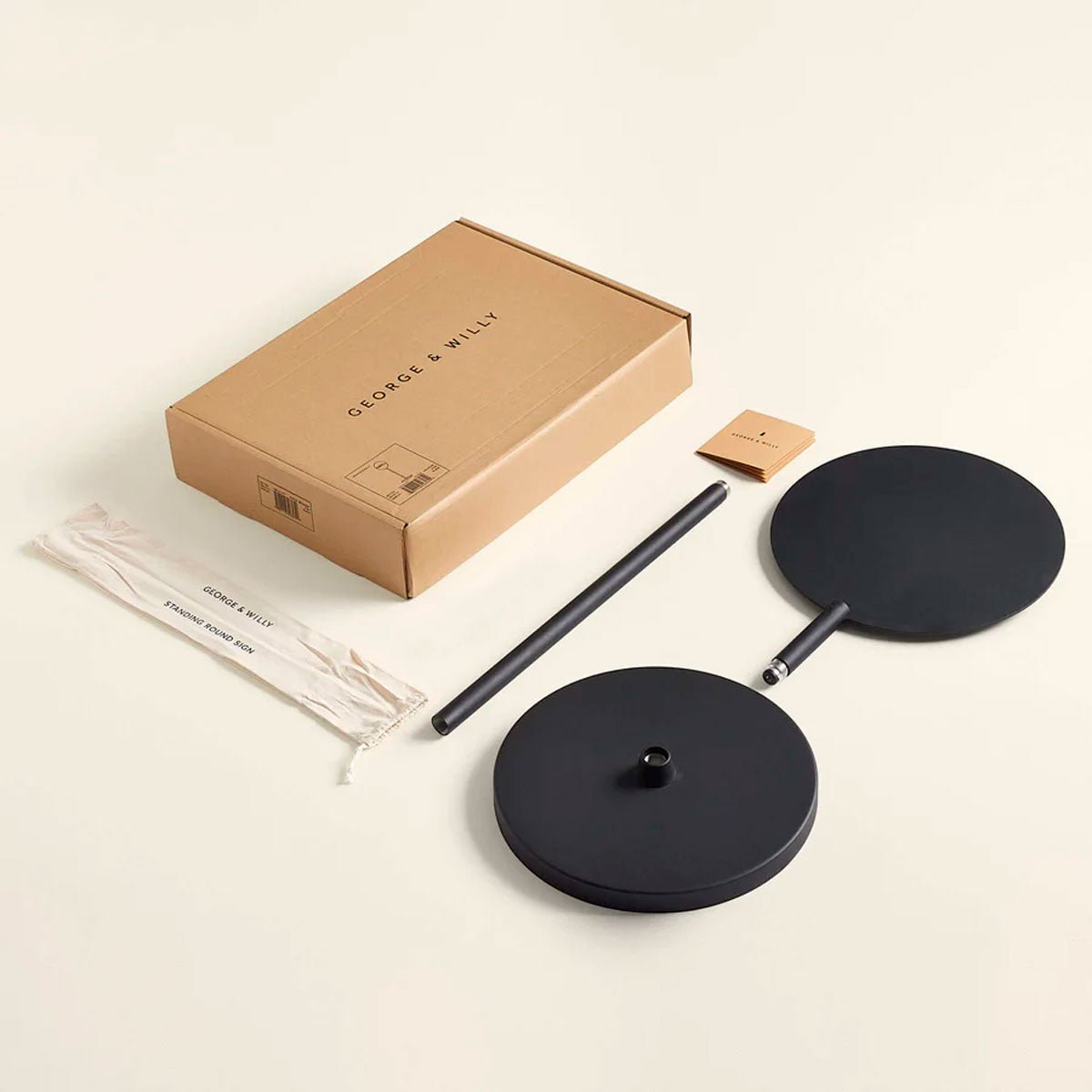
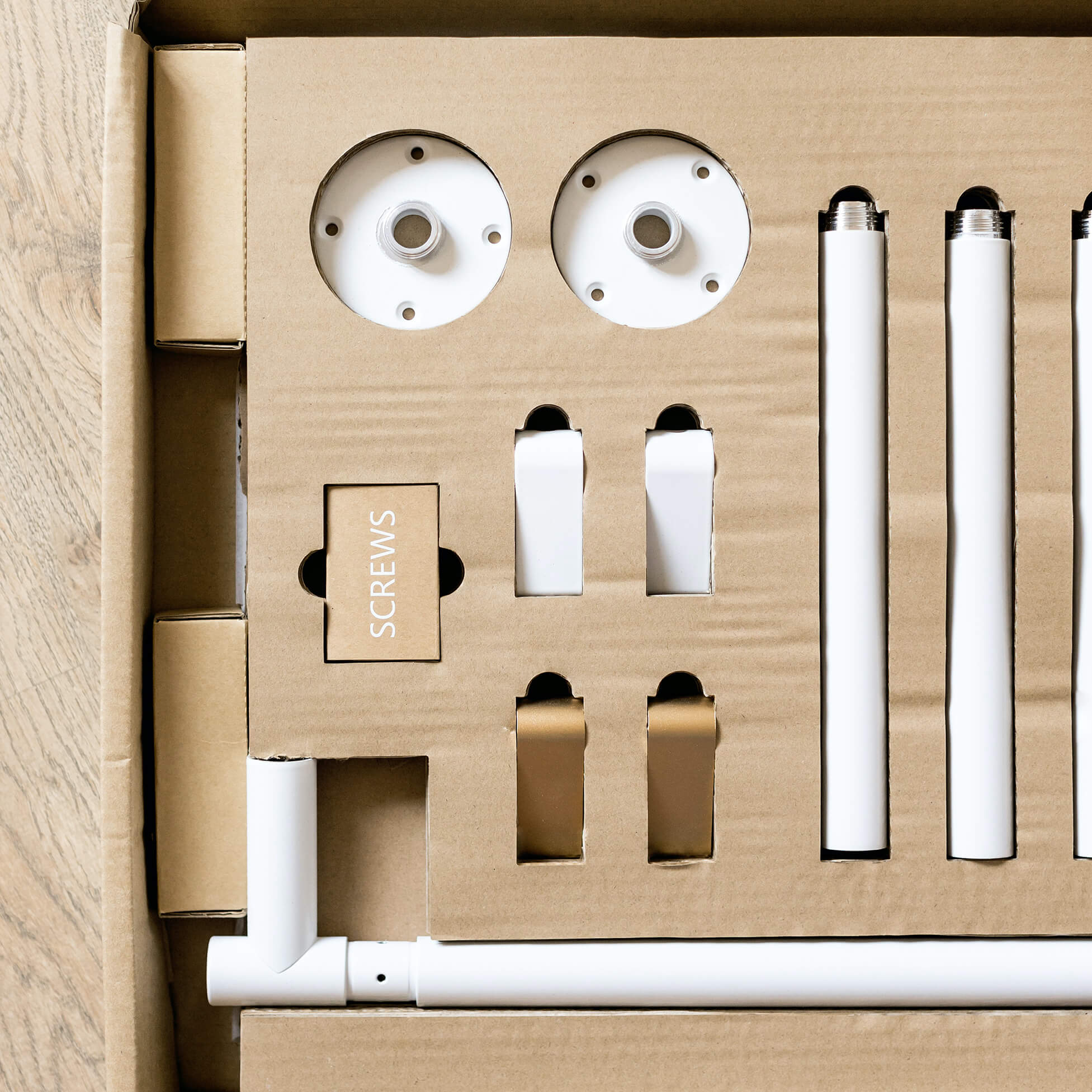
Assemble the Sign: Many outdoor marquee signs arrive in pieces. Carefully assemble the components on the ground before lifting the sign into place. Follow the manufacturer’s instructions, wear safety gear, and make sure all parts are securely fastened.
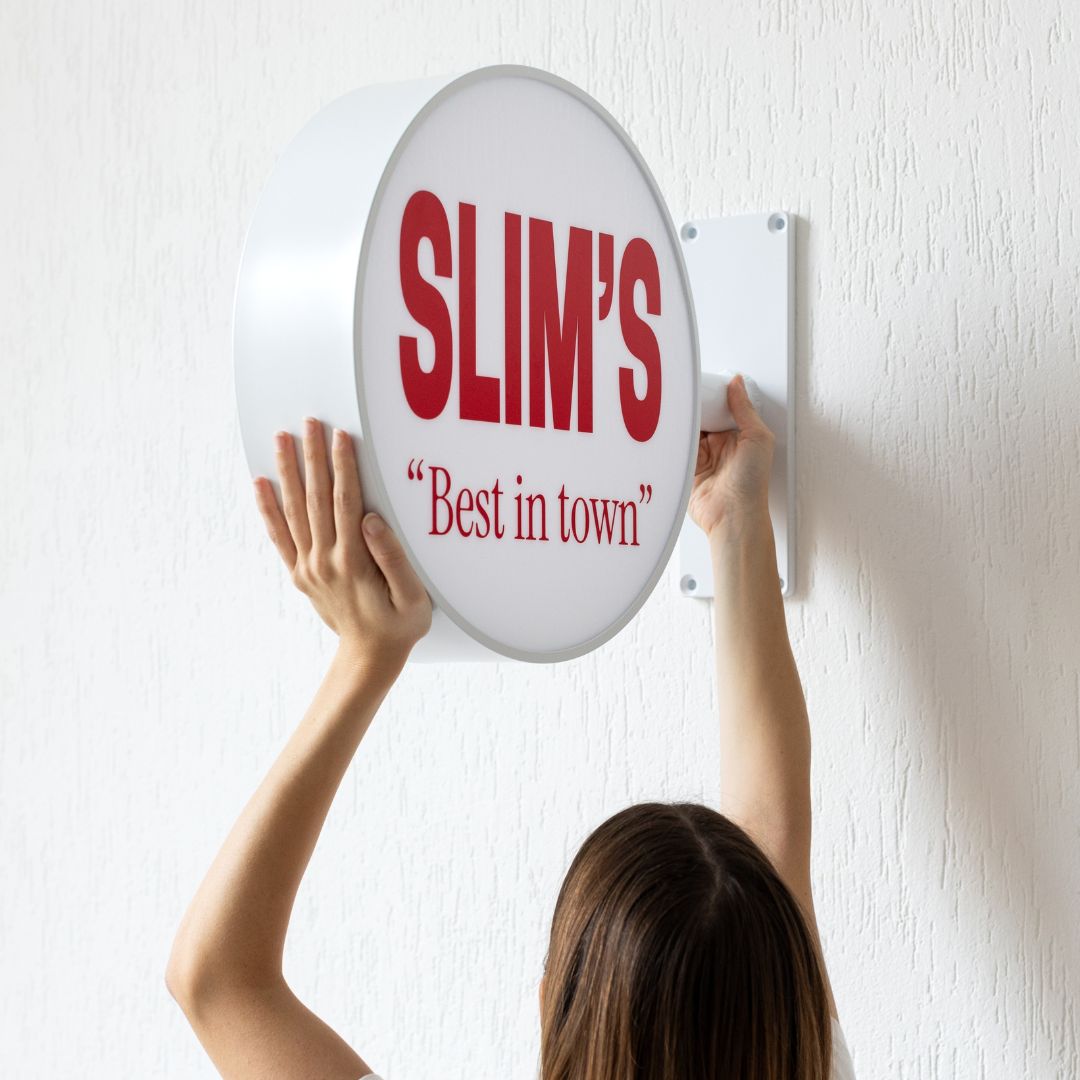
Mounting and Electrical Hookup: This is the main event. For wall mounted signs, use hardware that is rated for the outdoor marquee sign’s weight and your wall type, and always use a level. A licensed electrician should handle all wiring to ensure it’s safe and up to code. Many signs use UL listed components for safety.
Final Inspection: Once the sign is up, do a final check. Make sure all fasteners are tight and the sign feels secure. If your permit requires it, a local inspector will come out to give the final approval. With that, your new outdoor marquee sign is ready to start attracting customers.
Frequently Asked Questions
What is the difference between a marquee sign and a regular sign?
An outdoor marquee sign is typically a larger, more prominent sign that often projects from a building and is usually illuminated. It’s designed to be a major focal point, historically used by theaters, whereas a regular sign might be a simple, flat panel for identification.
How much do outdoor marquee signs cost?
The cost varies widely based on size, material, style, and features. A simple, non illuminated reader board will be much more affordable than a large, custom electronic message center. Always get quotes that include installation and permit fees.
Are LED marquee signs better than traditional ones?
LED signs offer significant advantages in brightness, energy efficiency, and lifespan. They are highly visible even in daylight and cost less to operate over time. However, traditional signs with changeable letters have a classic, nostalgic appeal that might better suit certain brands.
Can I install an outdoor marquee sign myself?
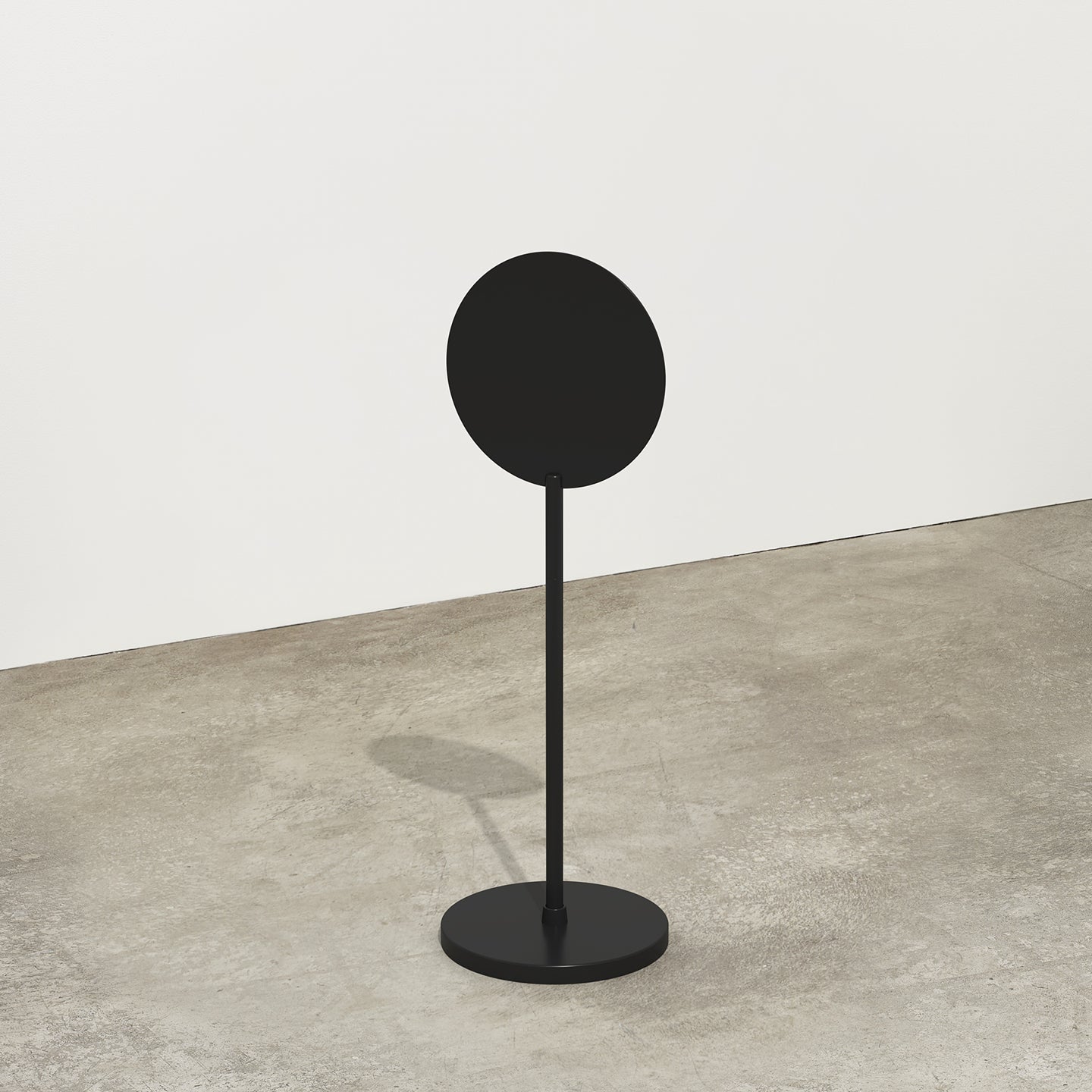
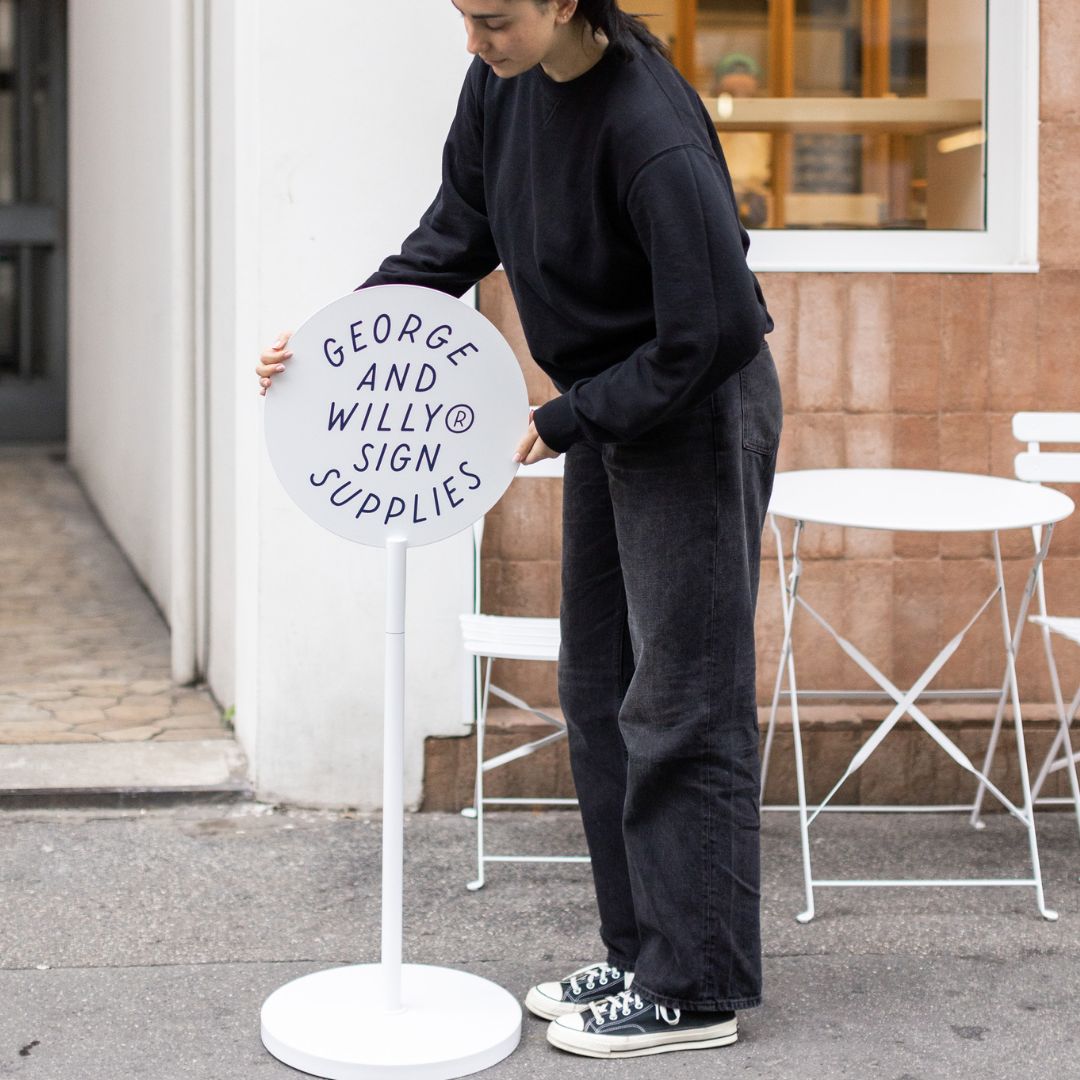
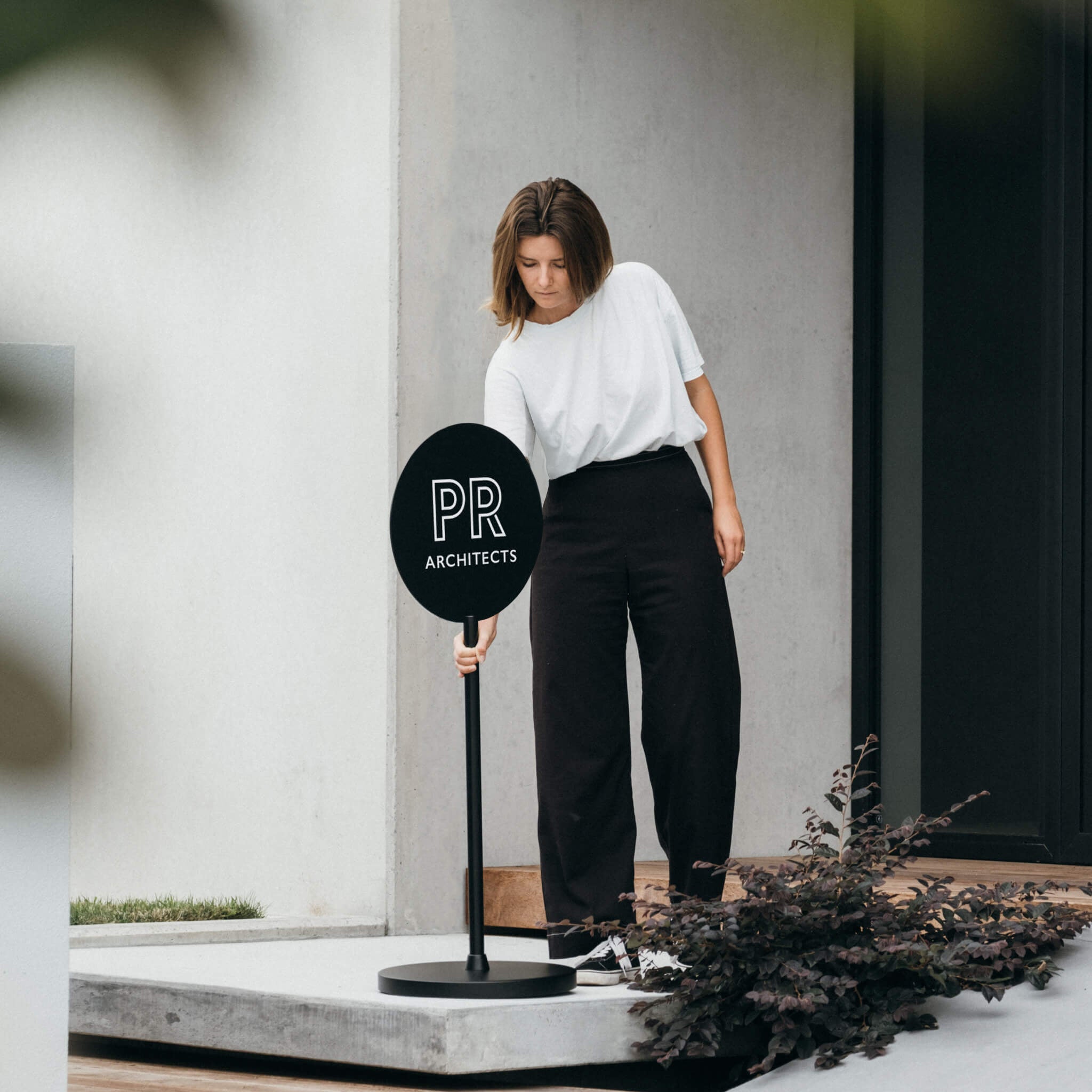
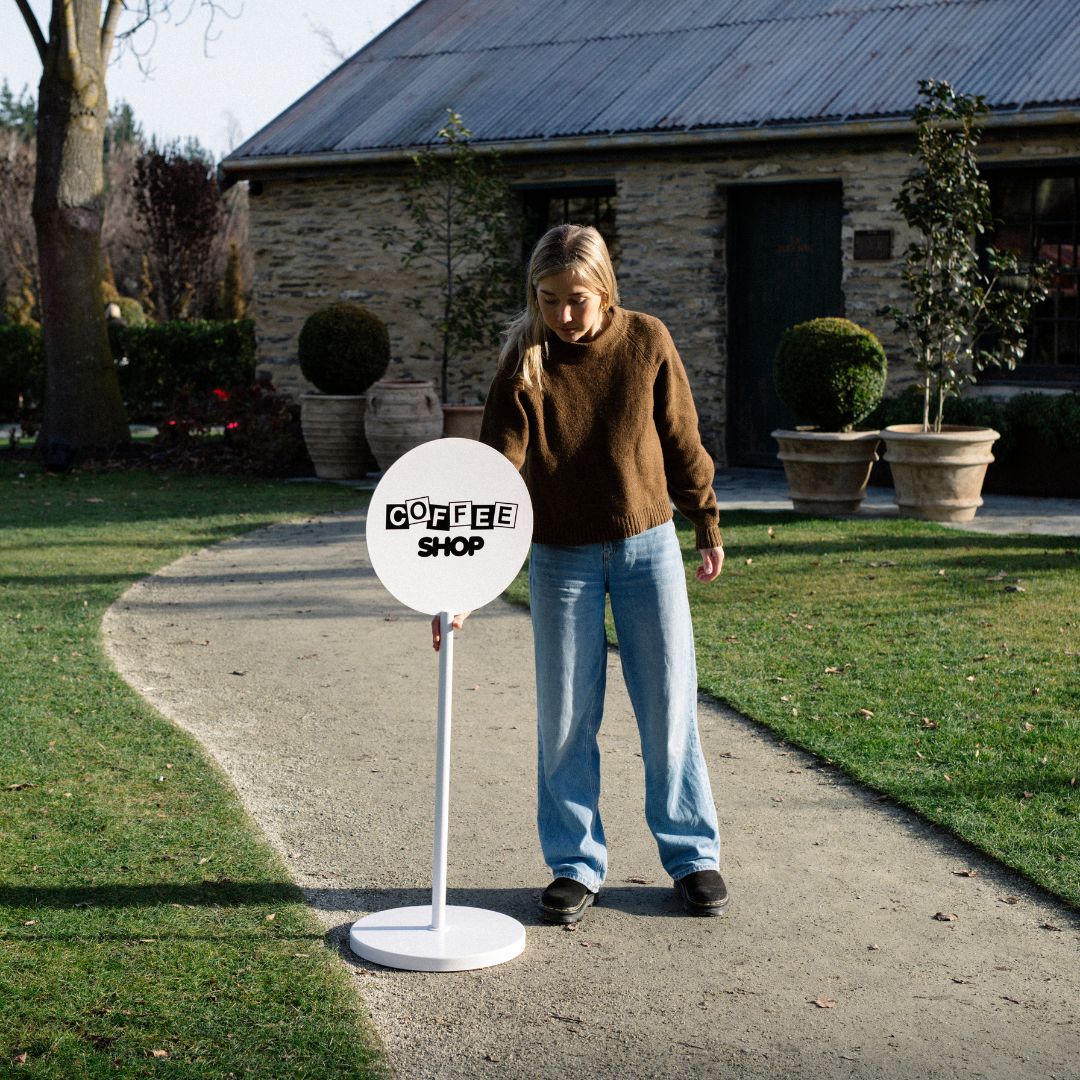
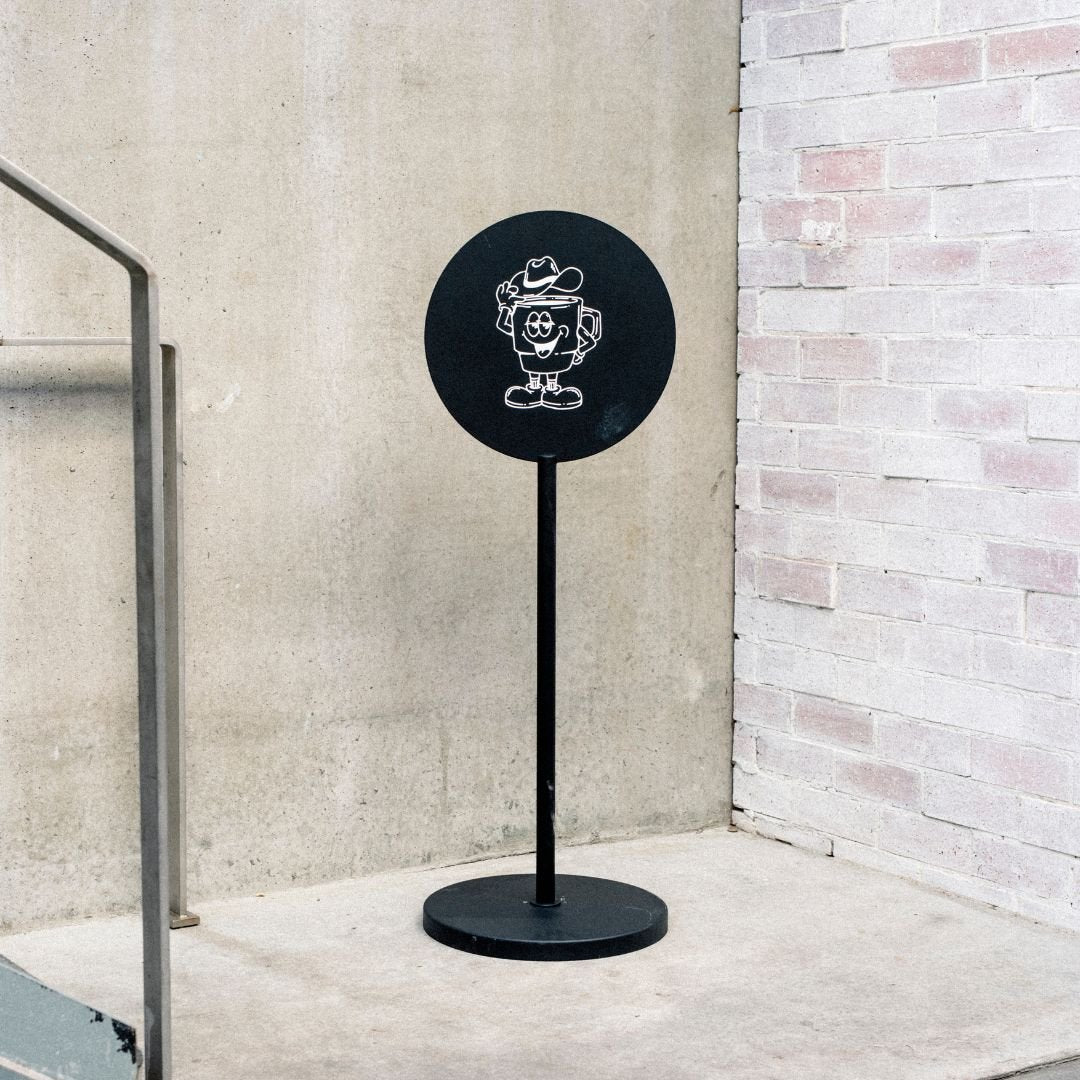
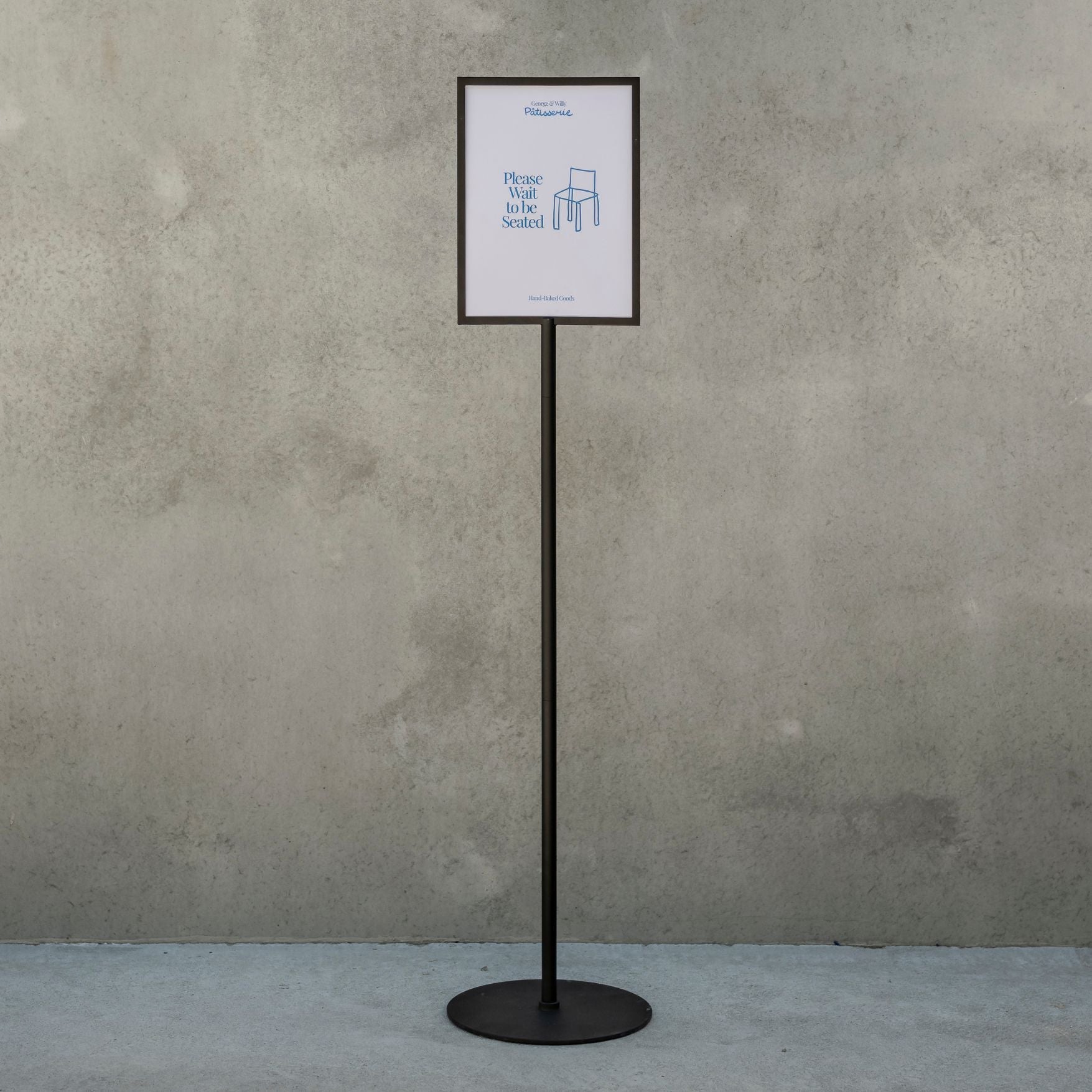
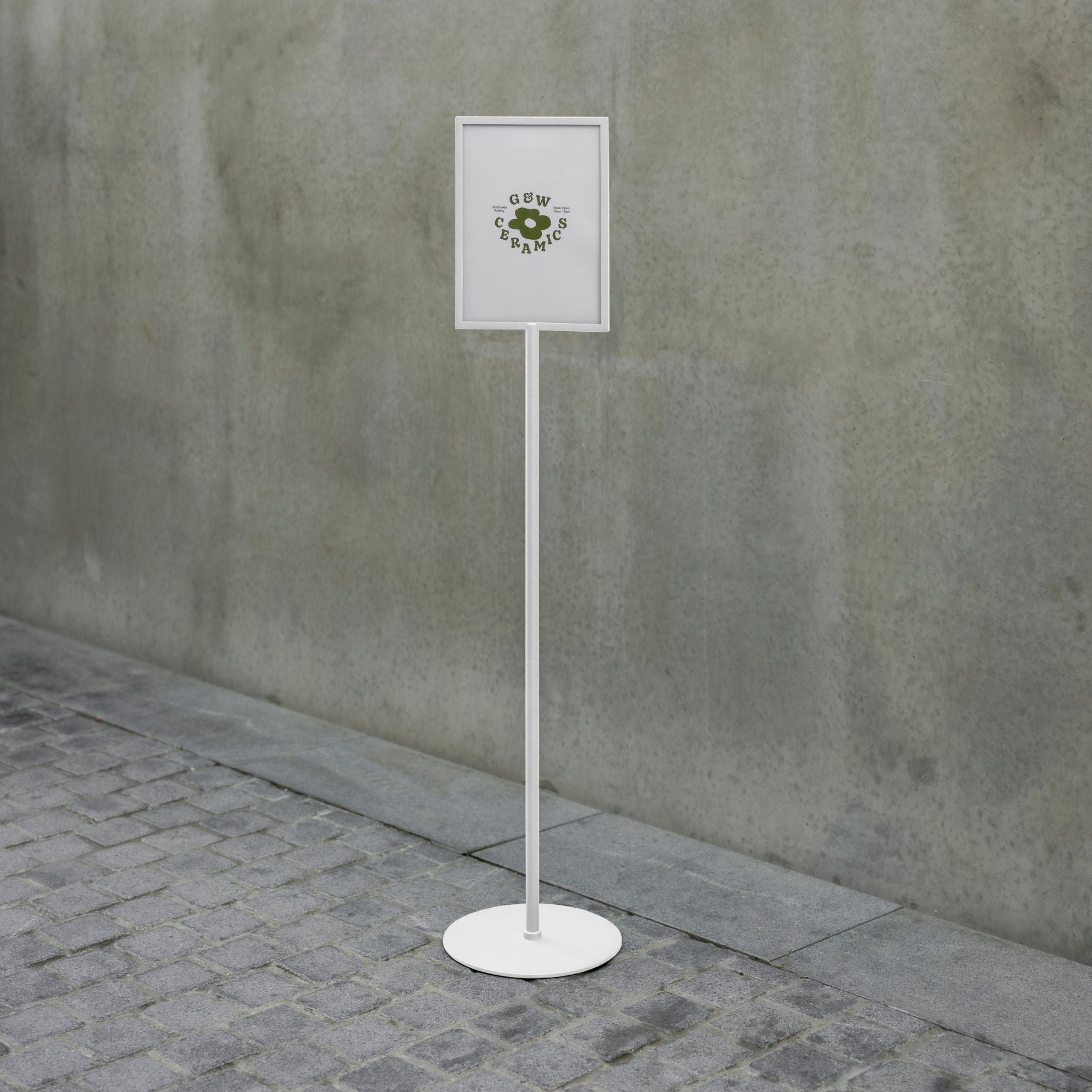
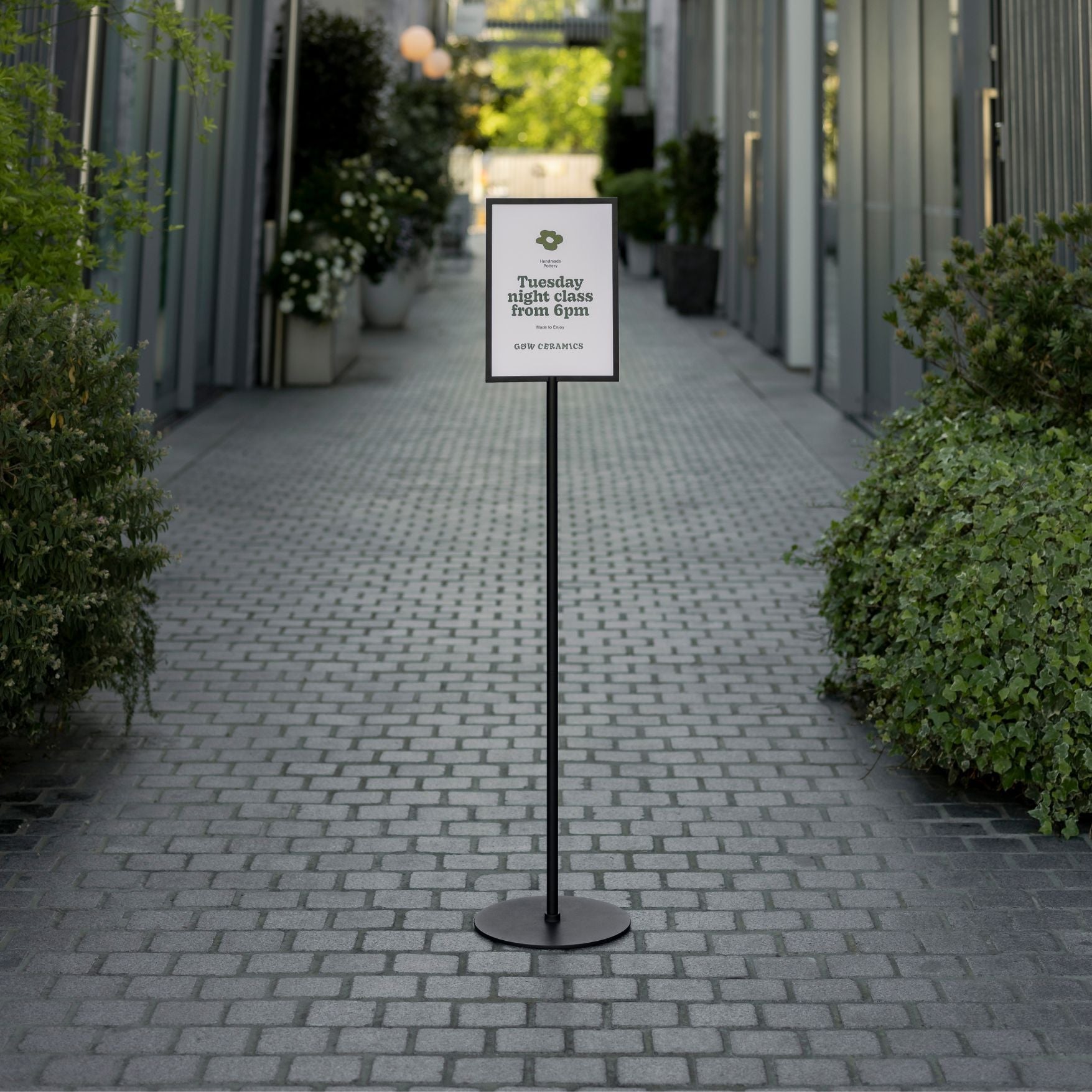
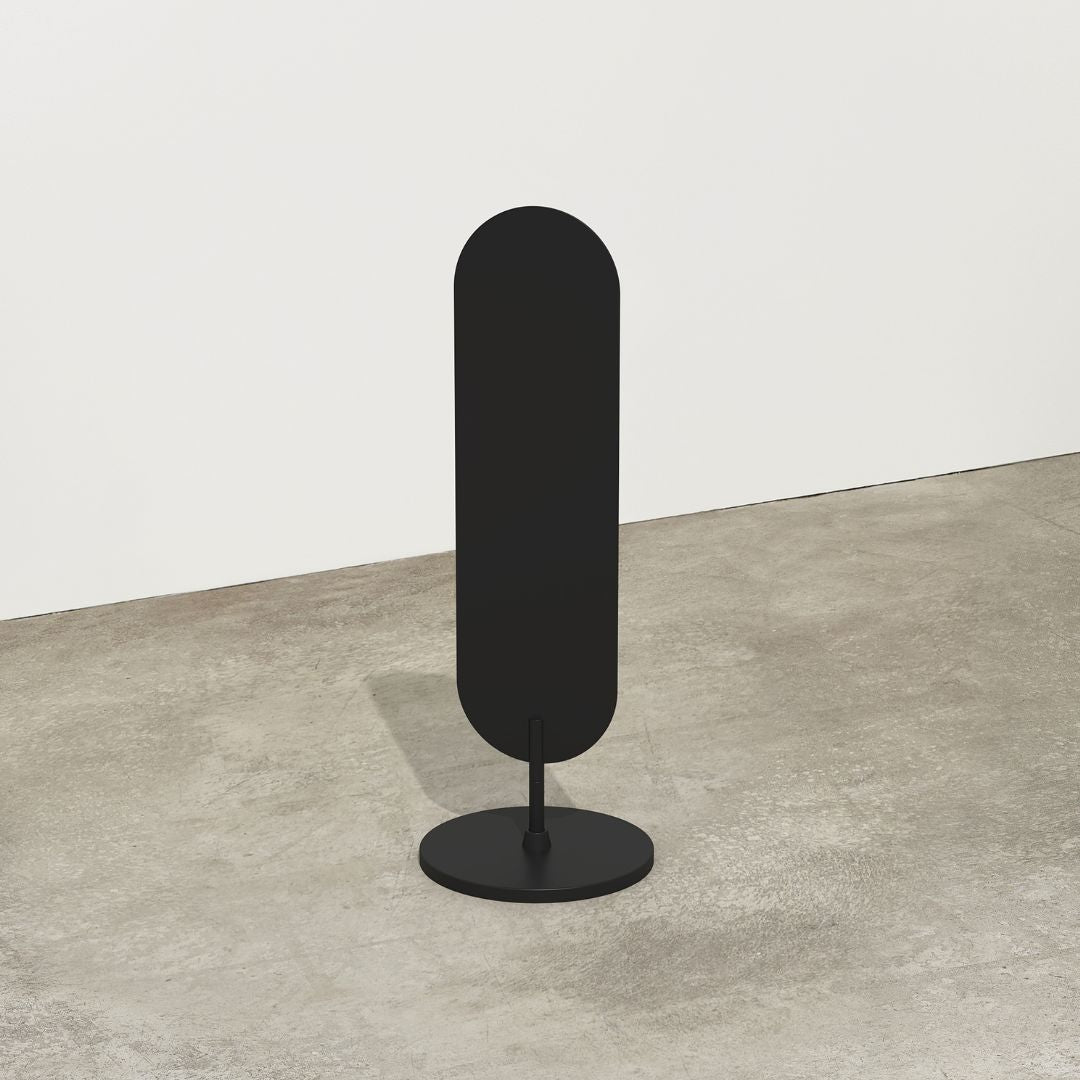
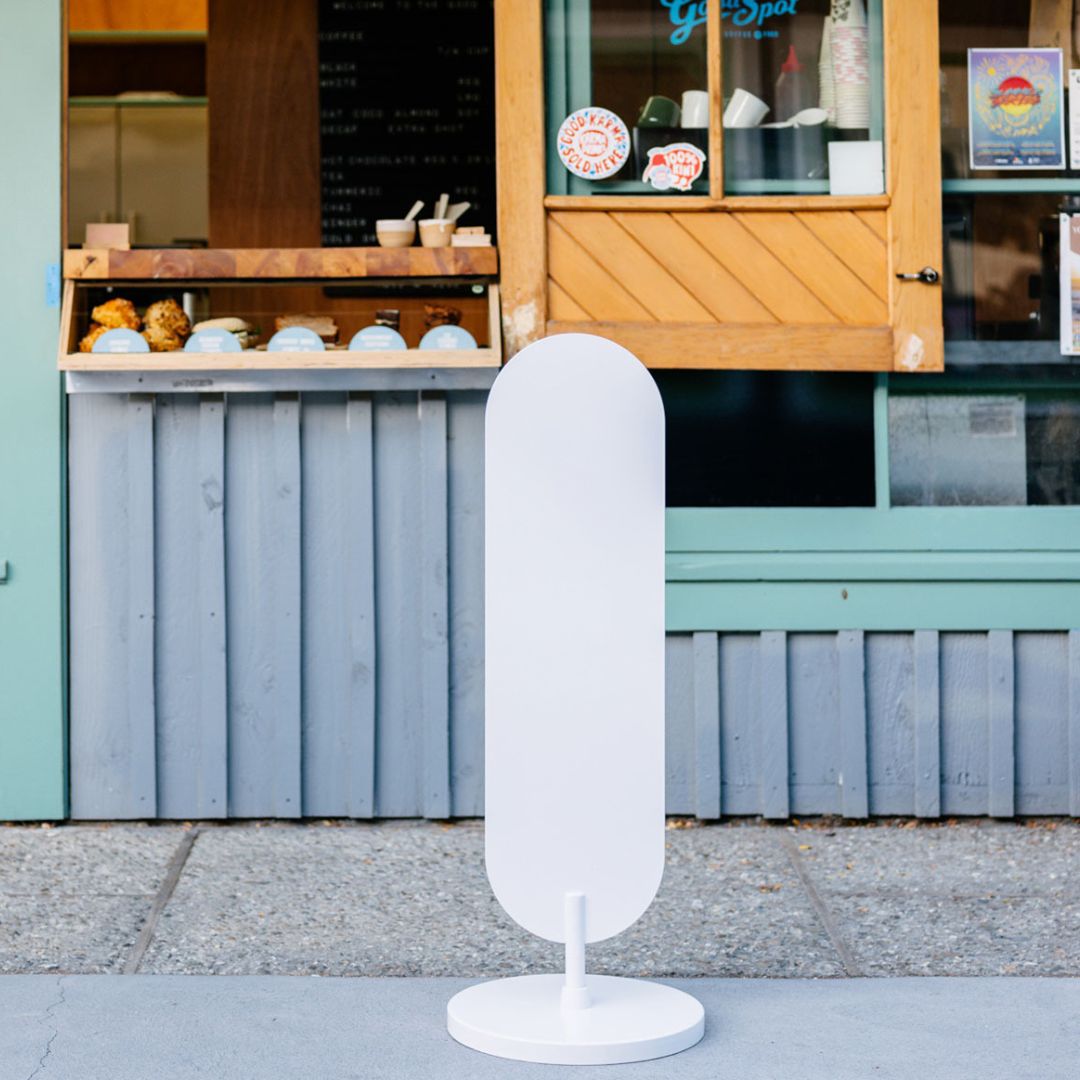
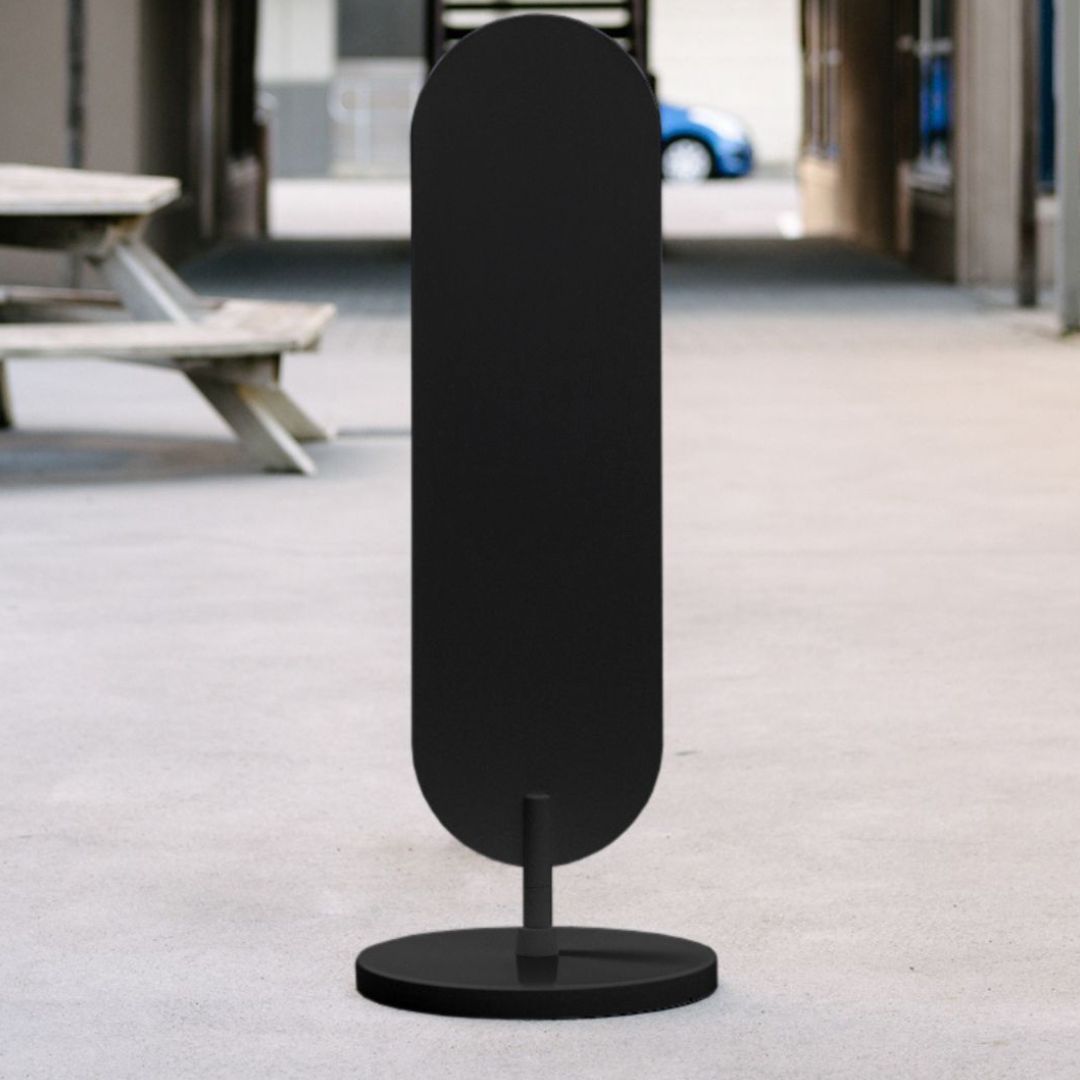
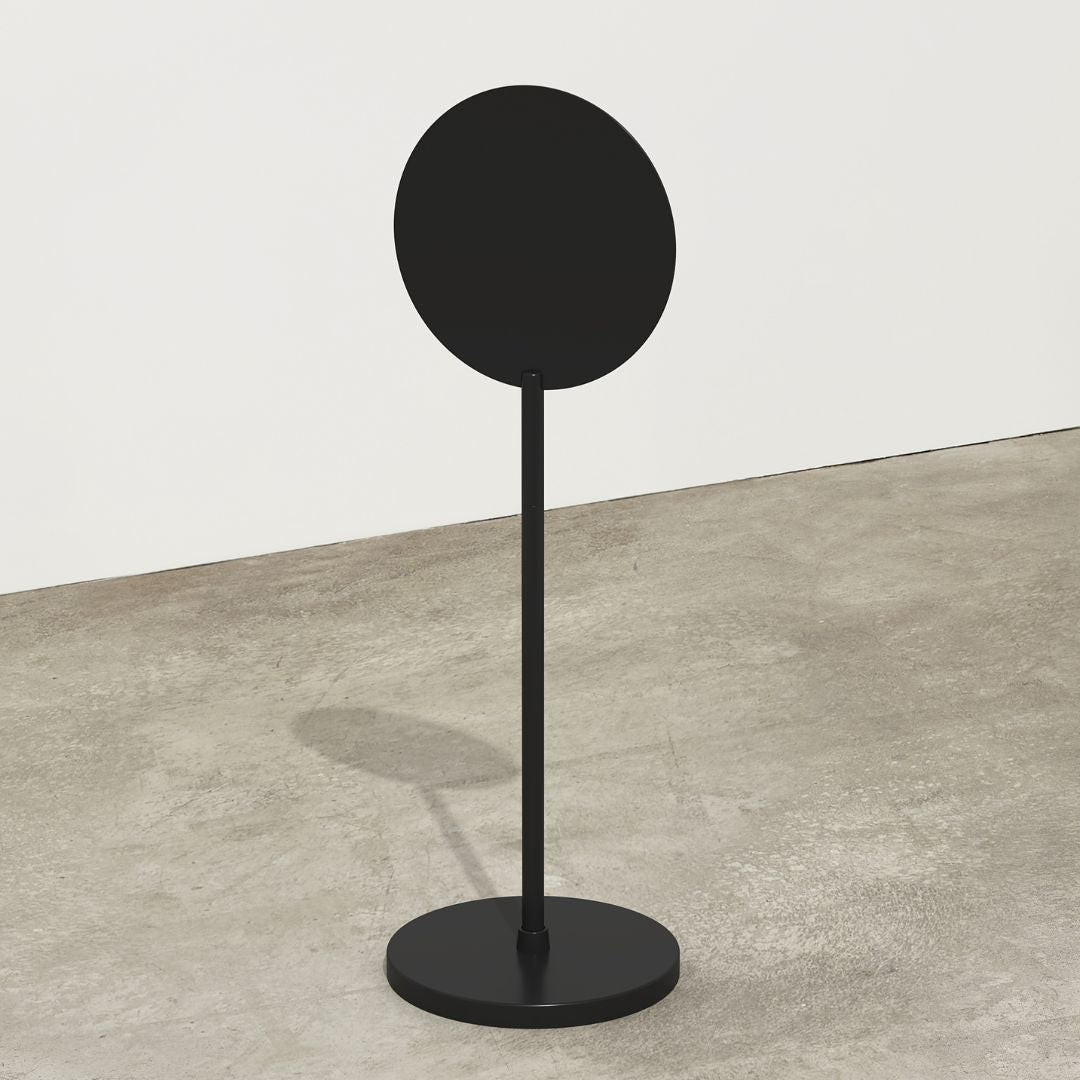
For smaller, lighter signs like a simple blade sign or a Standing Round Sign, a DIY installation may be possible if you have the right tools and skills. However, for larger, heavier, or illuminated outdoor marquee signs, it is highly recommended to hire professional installers. They can handle permits, ensure structural safety, and manage the electrical work correctly.
How do I maintain my outdoor marquee sign?
Regular maintenance is simple but important. Keep the sign face clean to maintain visibility. Promptly replace any burnt out bulbs or malfunctioning LEDs. After severe weather, it’s a good idea to check that all fasteners are still tight and the structure is secure.